Medications Not To Mix With Caffeine: 10 To Watch
Discover which common medications interact dangerously with caffeine and learn how to safely time your coffee intake.
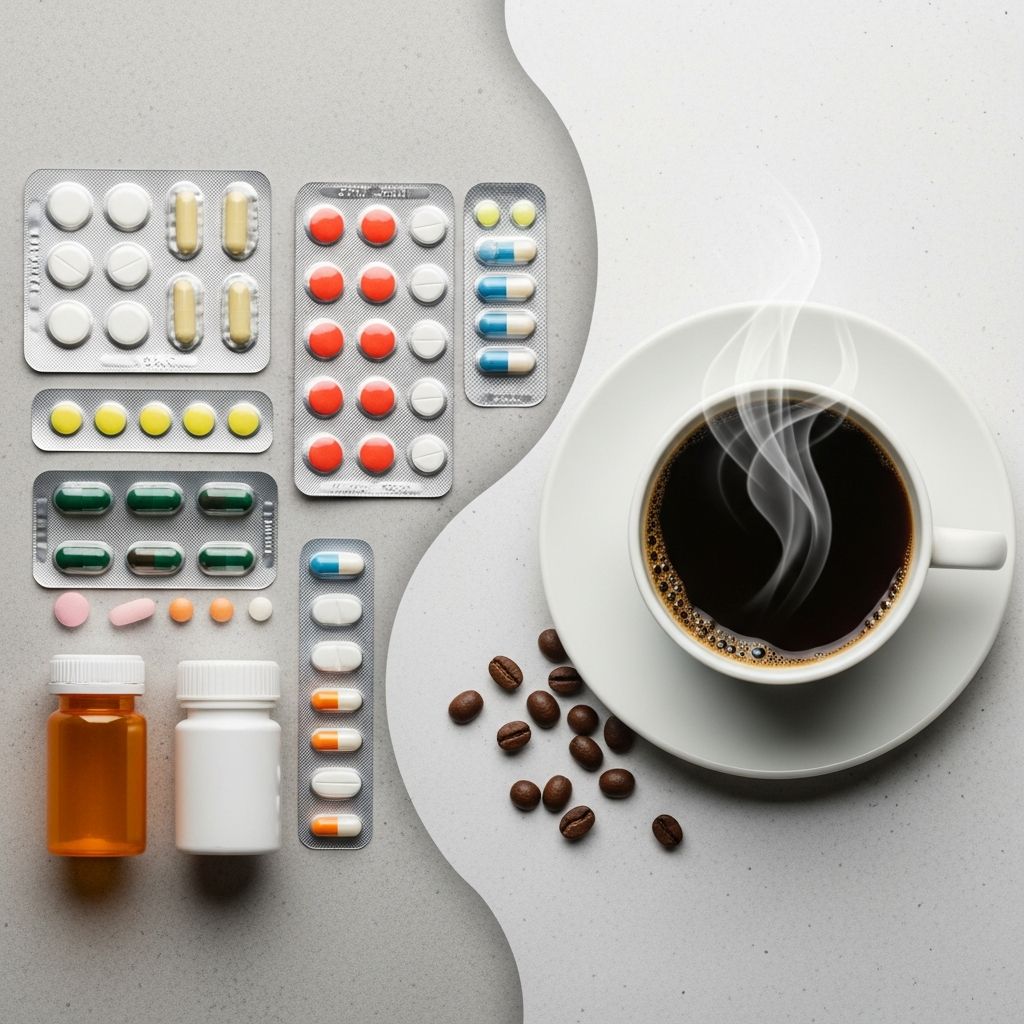
Caffeine, found in coffee, tea, energy drinks, and sodas, is a popular stimulant consumed daily by millions. While it boosts alertness and mood, it can interfere with how your body absorbs or metabolizes certain medications, potentially reducing their effectiveness or intensifying side effects. These interactions often occur through pharmacokinetic changes—altering drug absorption, metabolism via enzymes like CYP1A2, or pharmacodynamic effects like amplified stimulation. High-caffeine sources like energy drinks pose greater risks, especially for those on multiple medications (polypharmacy).
Understanding these interactions is crucial for safety. Factors like genetics, smoking, alcohol use, or conditions such as diabetes can influence caffeine metabolism. Always consult your healthcare provider for personalized advice, as timing adjustments often resolve issues without eliminating caffeine entirely.
Why Caffeine Interacts With Medications
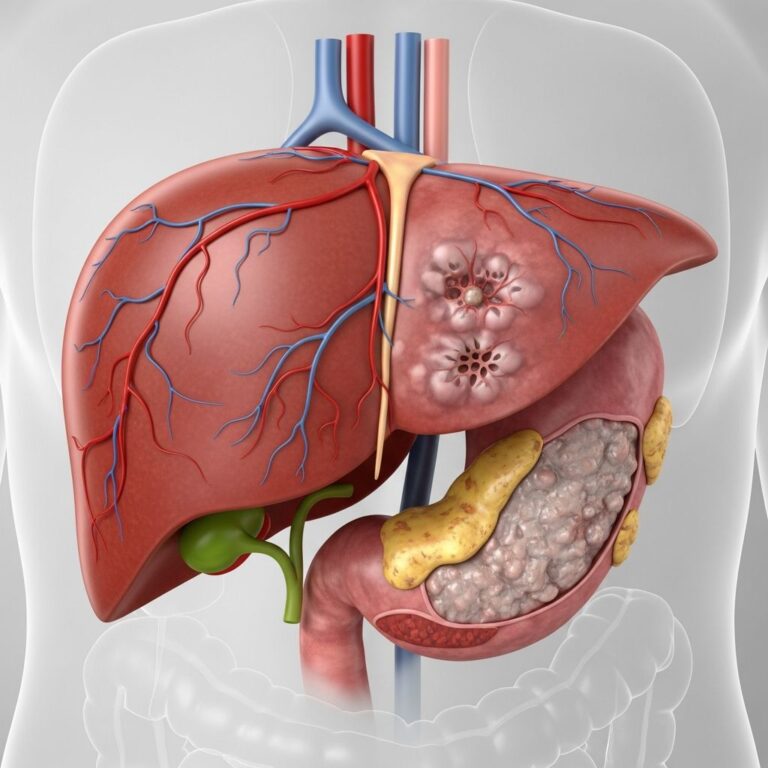
Caffeine primarily affects the central nervous system and is metabolized by the liver enzyme CYP1A2. It can induce or inhibit this enzyme, altering drug levels in the blood. For instance, inducers like tobacco smoke speed up caffeine breakdown, while inhibitors prolong its effects. Pharmacodynamic synergies, such as with stimulants, can cause jitteriness, tachycardia, or hypertension. Caffeine also tightens the blood-brain barrier, impacts clotting, and reduces insulin sensitivity.
Studies show caffeine reduces absorption of oral drugs when taken simultaneously and competes with medications like clozapine or theophylline. Those with slower CYP1A2 metabolism (e.g., due to genetics) experience heightened effects.
1. Asthma Medications
Asthma inhalers and oral drugs like theophylline relax airway muscles for easier breathing. Caffeine, a xanthine similar to theophylline, exacerbates side effects when combined. Excessive intake increases risks of headache, nausea, restlessness, irritability, and rapid heartbeat. Theophylline levels rise due to competitive CYP1A2 inhibition, potentially leading to toxicity.
- Risk level: Moderate to high with high caffeine doses.
- Advice: Space caffeine 1-2 hours from doses; monitor for tremors or insomnia.
2. Cold & Allergy Medications
Decongestants like pseudoephedrine stimulate the central nervous system. Pairing with caffeine amplifies jitteriness, restlessness, insomnia, and elevated heart rate. For diabetics, this combo raises blood sugar and body temperature, per clinical studies.
- Examples: Sudafed, Claritin-D.
- Tip: Opt for non-stimulant antihistamines; limit caffeine to mornings only.
3. Thyroid Medications
Levothyroxine treats hypothyroidism by supplementing thyroid hormone. Coffee reduces its absorption by up to 30-50% if taken together, due to interference in the gut. Guidelines recommend waiting 30-60 minutes post-dose before caffeinated beverages.
- Impact: Inconsistent hormone levels, worsening symptoms like fatigue.
- Solution: Take on an empty stomach with water; test TSH levels regularly.
4. Blood Thinners
Anticoagulants like warfarin, aspirin, clopidogrel, or heparin prevent clots but increase bleeding risk. Caffeine slows clotting further and modestly boosts aspirin bioavailability, heightening bruising or hemorrhage chances.
| Medication | Interaction Effect |
|---|---|
| Warfarin | Increased bleeding risk |
| Aspirin/Ibuprofen | Enhanced anti-platelet action |
| Heparin | Prolonged clotting time |
5. Blood Pressure Medications
Antihypertensives lower heart rate and vessel tension. Caffeine near dosing time impairs absorption, blunting blood pressure control and raising cardiovascular risks.
- Common types: Beta-blockers, ACE inhibitors.
- Monitor: Check BP regularly; avoid caffeine pre-dose.
Related Stories



6. Antidepressants
Many antidepressants (e.g., clomipramine, imipramine) share CYP1A2 metabolism with caffeine. High intake reduces drug absorption or prolongs caffeine effects, causing jitters and diminished mood benefits.
- SSRIs/SNRIs: Less direct interaction but additive anxiety.
- Advice: Limit to 200mg caffeine/day; discuss with psychiatrist.
7. Antipsychotic Medications
Drugs like clozapine for schizophrenia rely on CYP1A2. Caffeine competitively inhibits metabolism, raising drug levels and impairing benefits if timed poorly.
- Risks: Sedation, toxicity; reduced efficacy.
- Timing: Separate by 2+ hours.
8. Osteoporosis Medications
Bisphosphonates (alendronate, risedronate) build bone density but must be taken with water only. Coffee or food slashes absorption dramatically.
- Protocol: Fast 30 min before/after; upright posture.
- Consequence: Ineffective treatment, fracture risk.
9. Melatonin
Melatonin supplements aid sleep by mimicking natural hormone release. Caffeine blocks this, interfering with production and supplement efficacy, worsening insomnia.
- Best practice: No caffeine after noon if using melatonin.
10. Alzheimer’s Medications
Cholinesterase inhibitors (e.g., donepezil) protect acetylcholine. Caffeine constricts the blood-brain barrier, limiting brain delivery and reducing cognitive benefits.
- Evidence: Studies show large coffee intake diminishes effects.
- Alternative: Decaf or herbal tea.
Other Notable Interactions
Beyond the top 10, caffeine affects: Diabetes drugs (reduces insulin sensitivity, hyperglycemia); Lithium (increases excretion); Methotrexate (lowers efficacy via adenosine antagonism); Ephedrine/amphetamines (synergistic stimulation).
Timing Is Key: How to Safely Enjoy Caffeine
Don’t abandon coffee—adjust timing! General rules:
- Wait 30-60 minutes after meds like thyroid or osteoporosis drugs.
- Separate stimulants (cold meds) by 2 hours.
- Limit total caffeine to <400mg/day (4 cups coffee).
- Avoid energy drinks with polypharmacy.
Track symptoms and use apps for reminders. Dietitians can tailor plans.
Frequently Asked Questions (FAQs)
Can I drink coffee if I’m on blood pressure medication?
Yes, but wait 1 hour after your dose to avoid absorption issues. Monitor BP.
Does decaf coffee interact with medications?
Minimal caffeine (<5mg/cup) makes it safer, but trace amounts may still affect sensitive drugs.
Is green tea safer than coffee?
Lower caffeine (30-50mg/cup) reduces risks, but L-theanine may benefit some.
What if I forget and take meds with coffee?
One instance is unlikely harmful; consistency matters. Consult your doctor if symptoms arise.
Are energy drinks worse than coffee?
Yes, higher caffeine (80-300mg/can) plus additives increase interaction risks.
Who Is at Higher Risk?
Older adults, polypharmacy patients, slow caffeine metabolizers (genetic CYP1A2 variants), diabetics, and smokers (induces metabolism).
References
- 10 Medications That Don’t Mix Well With Coffee — University Hospitals. 2025-06-18. https://www.uhhospitals.org/blog/articles/2025/06/10-medications-that-dont-mix-well-with-coffee
- Interaction of Energy Drinks with Prescription Medication and Drugs of Abuse — PMC (NCBI). 2021-10-12. https://pmc.ncbi.nlm.nih.gov/articles/PMC8541613/
Similar Articles








Read full bio of Sneha Tete