Medications Not To Mix With NAD+: Expert Guide
Discover key medications that may interact with NAD+ supplements, from diabetes drugs to antidepressants, and learn how to stay safe.
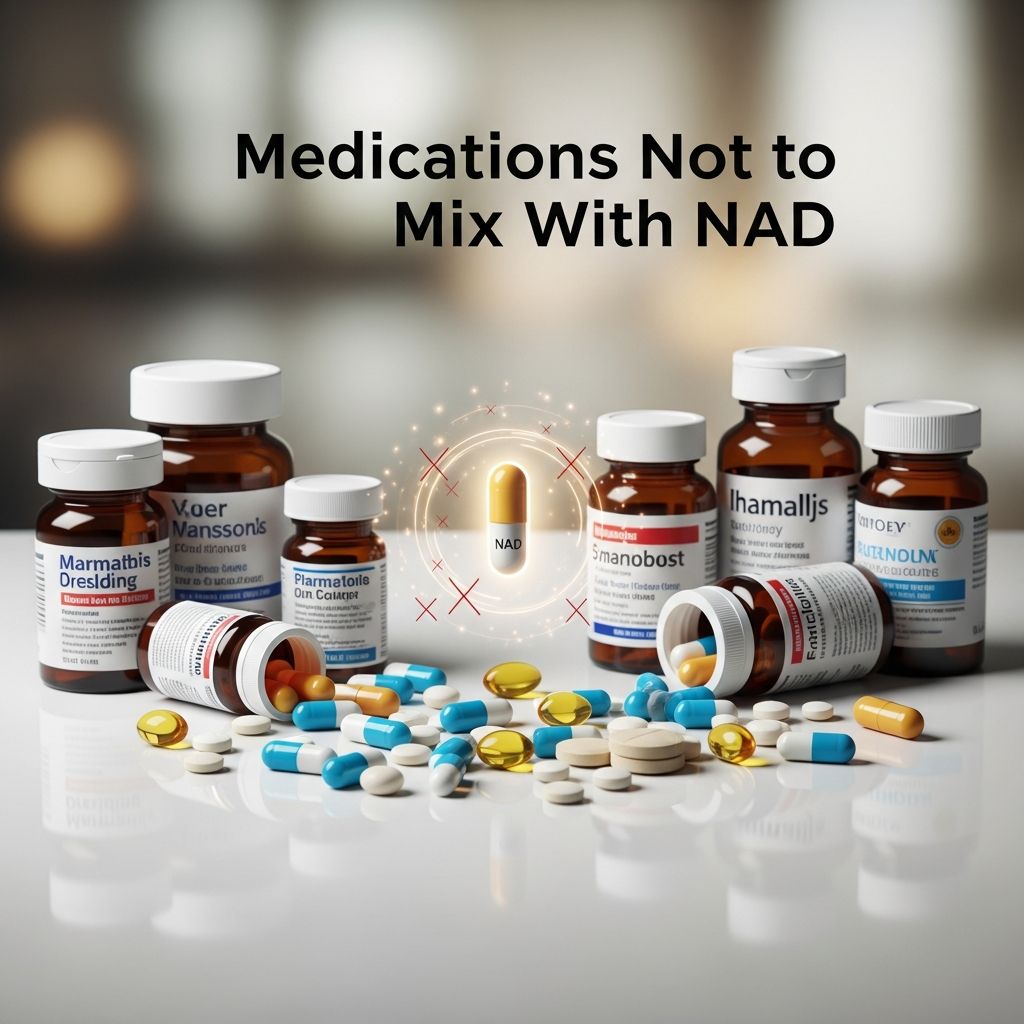
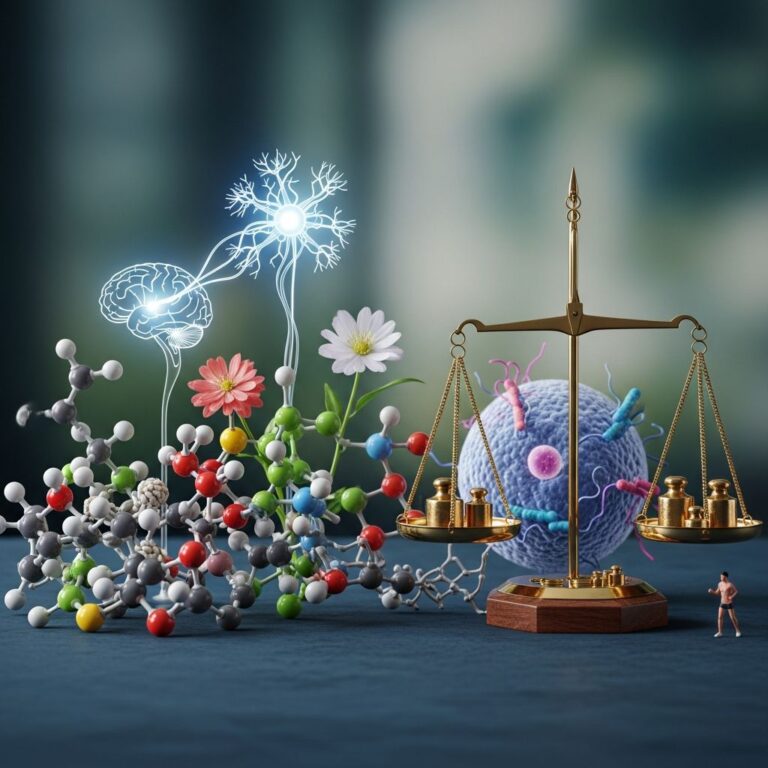
Nicotinamide adenine dinucleotide (**NAD+**) is a vital coenzyme found in all living cells, essential for energy production, DNA repair, and metabolic processes. Popular NAD+ therapies, supplements, and injections promise enhanced vitality, cognitive sharpness, and longevity. However, NAD+’s deep involvement in cellular pathways means it can interact with various prescription medications, potentially altering their efficacy or causing adverse effects. This comprehensive guide outlines key drug categories to approach cautiously with NAD+, drawing from expert insights and recent research to help you make informed decisions.
What Is NAD+ and Why Does It Matter?
NAD+ levels naturally decline with age, contributing to fatigue, cognitive decline, and chronic diseases. Supplementation via precursors like nicotinamide riboside (NR) or nicotinamide mononucleotide (NMN) aims to restore these levels, supporting mitochondrial function and sirtuin activation—proteins linked to longevity. Clinical trials show NR and NMN can elevate NAD+ in blood and tissues, improving markers of cardiovascular, liver, and muscle health, though effects vary by dose and population.
While promising, NAD+ isn’t risk-free when combined with medications. It influences glucose metabolism, vascular function, neurotransmitter synthesis, and liver enzyme activity, overlapping with many drug mechanisms. Always consult a healthcare provider before starting NAD+, especially if on prescriptions.
Key Takeaways on NAD+ and Medication Interactions
- NAD+ enhances cellular energy but may amplify or inhibit drugs affecting metabolism, blood pressure, clotting, and mood.
- Diabetes patients on insulin, metformin, or GLP-1 agonists like Ozempic need blood sugar monitoring.
- Blood pressure meds like ACE inhibitors could lead to hypotension when paired with NAD+.
- Blood thinners may see altered efficacy, raising bleeding or clotting risks.
- Antidepressants (SSRIs/SNRIs) and sleep aids like melatonin require timing adjustments to avoid mood or sleep disruptions.
- Cancer therapies demand specialist oversight due to NAD+’s role in cell proliferation.
- Professional medical advice is non-negotiable for polypharmacy users.
Diabetes Medications and NAD+: A Risky Combination?
NAD+ plays a pivotal role in mitochondrial function and glucose regulation. Studies indicate it influences insulin sensitivity and glycemic control, which could interact with diabetes treatments. For instance, NAD+ boosting may enhance glucose uptake, potentially lowering blood sugar unpredictably when added to medications like
metformin
,insulin
,Mounjaro (tirzepatide)
, orOzempic (semaglutide)
—common UK and US prescriptions.Research from peer-reviewed sources notes NAD+ precursors affect energy pathways vital for glucose processing. In one review, NR supplementation showed variable impacts on metabolic markers, underscoring the need for monitoring. Hypoglycemia risk rises if NAD+ potentiates these drugs. Patients should track blood glucose closely and adjust doses under endocrinologist guidance. Symptoms like dizziness, shakiness, or confusion warrant immediate medical attention.
| Diabetes Medication | Potential NAD+ Interaction | Recommended Action |
|---|---|---|
| Metformin | May enhance glucose-lowering effects | Monitor blood sugar; consult doctor |
| Ozempic (semaglutide) | Amplified insulin sensitivity | Frequent A1C checks |
| Insulin | Risk of hypoglycemia | Dose adjustments needed |
Can NAD+ Influence Blood Pressure Medications?
NAD+ supports vascular health by promoting endothelial function and vasodilation. This can lower blood pressure, beneficial alone but problematic with antihypertensives like
ACE inhibitors
(e.g., lisinopril),beta-blockers
(e.g., metoprolol), or calcium channel blockers. Research links NAD+ decline to hypertension and obesity; replenishment mildly reduces systolic pressure and arterial stiffness in middle-aged adults.A pilot study found 6 weeks of NR lowered blood pressure modestly, suggesting additive effects with meds. Combining could cause
hypotension
, leading to fainting, falls, or organ underperfusion—especially risky for seniors. Orthostatic hypotension symptoms include lightheadedness upon standing. Monitor BP regularly and report changes to your physician.Related Stories



Blood Thinners and NAD+: Clotting Concerns
Anticoagulants like
warfarin
,apixaban
, oraspirin
prevent clots by modulating liver enzymes (e.g., CYP450) and clotting factors. NAD+ may alter these pathways, either potentiating bleeding (via enhanced vasodilation) or reducing efficacy (by boosting cellular repair). Evidence is preliminary but points to enzyme interactions affecting drug metabolism.Patients on these should undergo INR/PTT monitoring and possible dose tweaks. Sudden bleeding (gums, bruises) or clots (leg pain, shortness of breath) signal issues. Hematologists recommend pausing NAD+ or spacing administrations during stable anticoagulation.
Cancer Treatments: NAD+ in Oncology
Cancer therapies—chemotherapy, immunotherapy, targeted drugs like tyrosine kinase inhibitors—often target rapidly dividing cells, where NAD+ is crucial for energy and DNA repair. Elevated NAD+ might inadvertently support tumor growth or confer resistance, though data is hypothesis-based. Sirtuins, NAD+-dependent, regulate apoptosis; boosting them could counteract chemo.
Conversely, NAD+ shows promise adjunctively for chemo side effects like neuropathy. Oncologists urge caution: no self-initiation. Clinical trials explore NAD+ in cancer cachexia, but interactions remain understudied.
Antidepressants and NAD+: Mood Regulation Risks
NAD+ aids neurotransmitter synthesis (serotonin, dopamine) and brain mitochondrial health, overlapping with
SSRIs
(e.g., sertraline),SNRIs
(e.g., venlafaxine), or MAOIs. It may intensify effects, risking serotonin syndrome (agitation, tremors) or diminish them.[10 from source1]Preliminary research is hypothesis-driven, lacking large trials, but suggests mood pathway modulation. Users report variable responses; some note improved cognition, others anxiety spikes. Psychiatrists advise starting low-dose NAD+ with close monitoring.
Sleep Aids and Melatonin With NAD+
**Melatonin**, a circadian regulator, pairs poorly with daytime NAD+ boosts, which energize via mitochondrial activation. Evening melatonin post-morning NAD+ might disrupt cycles, causing insomnia or fatigue. Time NAD+ early (AM) and melatonin late (PM). Avoid if on prescription hypnotics like zolpidem.
Other Potential Interactions
- Statins: NAD+ lipid benefits may amplify cholesterol-lowering, risking myopathy.
- Immunosuppressants: Post-transplant? NAD+’s immune-modulating effects need review.
- Hormone Therapies: Estrogen/progesterone could interact via metabolic pathways.
Nutritionist’s Corner: Safe Integration Strategies
“NAD+ empowers cellular vitality but demands respect for its interactions. ‘Natural’ doesn’t equate safe with meds—consult pros,” notes experts. Strategies: disclose full med list; start low (100-300mg NR/NMN); monitor vitals; choose pharma-grade precursors. Lifestyle synergies: exercise, fasting amplify benefits safely.
Frequently Asked Questions (FAQs)
What medications interact most with NAD+?
Diabetes drugs (metformin, Ozempic), blood pressure meds (ACE inhibitors), blood thinners (warfarin), antidepressants (SSRIs), and melatonin top the list.
Is NAD+ safe for everyone on prescriptions?
No—always get personalized medical clearance, especially with metabolic or cardiovascular drugs.
Can I take NAD+ at night?
Better mornings to avoid sleep interference; pair cautiously with melatonin.
How does NAD+ affect blood sugar?
It may lower it, potentiating diabetes meds—monitor closely.
Are there NAD+-friendly alternatives for low energy?
Lifestyle first: diet, sleep, exercise. If supplementing, vet with doctor.
Final Thoughts
Harness NAD+’s potential safely by prioritizing drug interaction awareness. Empower your health journey with knowledge and professional partnership for optimal results.
References
- Medications to Avoid When Using NAD+: Expert Guidance — Vivere Life. 2025-12-03. https://www.viverelife.co.uk/blog/medications-not-to-mix-with-nad
- Dietary Supplementation With NAD+-Boosting Compounds in Humans — PMC (NIH). 2023-12-01. https://pmc.ncbi.nlm.nih.gov/articles/PMC10692436/
- NAD+ Metabolism in Cardiac Health, Aging, and Disease — American Heart Association (Circulation). 2021-11-01. https://www.ahajournals.org/doi/10.1161/CIRCULATIONAHA.121.056589
Similar Articles








Read full bio of Sneha Tete