Using Medications Past Expiration: Safety and Efficacy
Discover the truth about expired medications and whether it's safe to use them beyond their expiration date.
Is It OK to Use Medications Past Their Expiration Dates?
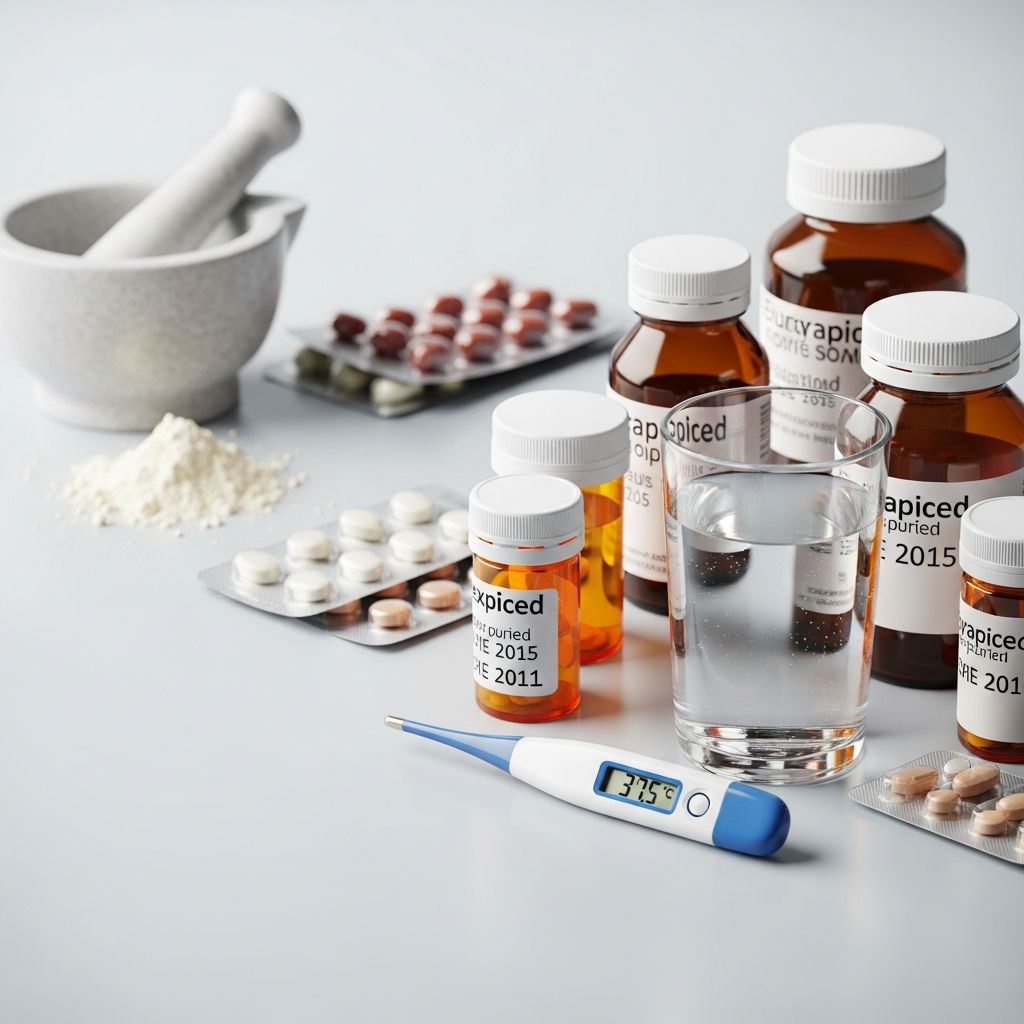
One of the most common questions people have in their medicine cabinets is whether it’s safe to use medications after their expiration date has passed. The answer is more nuanced than a simple yes or no. While many medications remain safe and effective well beyond their labeled expiration date, some drugs lose potency or can become dangerous when used after expiration. Understanding the difference between these categories and the reasoning behind expiration dating is crucial for making informed decisions about your health and medication use.
The History of Drug Expiration Dates
The practice of including expiration dates on medications is relatively recent in pharmaceutical history. In 1979, the U.S. Food and Drug Administration (FDA) adopted a rule requiring drug manufacturers to include an expiration date on all medications, vitamin supplements, and over-the-counter drugs. These expiration dates typically range from one to five years and represent the period during which manufacturers guarantee that the active ingredients will maintain their full potency and safety. However, this regulatory requirement has created a common misconception that medications suddenly become unsafe or ineffective the day after their expiration date passes.
The conservative nature of these expiration dates stems partly from pharmaceutical manufacturer liability concerns. If a drug manufacturer were required to conduct expiration-date testing for longer periods, it would significantly slow their ability to bring new and improved formulations to market. As a result, manufacturers typically set preliminary expiration dates based on limited testing data, often underestimating how long medications can remain stable.
What Research Shows About Expired Medications
Multiple scientific studies have challenged the assumption that expired medications are unsafe or ineffective. One landmark study conducted by the U.S. Department of Defense examined the Shelf-Life Extension Program (SLEP), which tests medications to determine whether they can safely be kept past their listed expiration date. This program serves a dual purpose: it saves the government money while ensuring sufficient medication supplies during emergencies.
A particularly notable study led by Lee Cantrell, PharmD, director of the California Poison Control System, examined unopened prescription drugs discovered in a pharmacy that ranged from 28 to 40 years past their expiration date. The researchers tested antihistamines, pain relievers, and diet pills to assess their efficacy. Remarkably, 90% of the drugs examined still maintained their full effectiveness, with some medications remaining completely potent after 28 years. Following a thorough examination, 86% of the drugs maintained at least 90% of their original effectiveness.
Another accepted study analyzing 100 different drugs—both prescription and over-the-counter medications—found that 90% of them retained their strength after 15 years of storage. These findings suggest that expiration dates are largely conservative estimates designed to protect manufacturers from liability rather than reflecting actual points at which medications become unsafe or useless.
Medications That Should Never Be Used Past Expiration
Despite the general safety of most expired medications, certain drug categories do lose potency or can become dangerous when used after their expiration date. Understanding which medications fall into this category is essential for safe medication use.
The following medications should not be used after their expiration dates:
- Acetaminophen – Over-the-counter pain reliever that loses effectiveness
- Aspirin – Pain reliever and anti-inflammatory that degrades over time
- Liquid antibiotics – Particularly susceptible to degradation and bacterial growth
- Nitroglycerin – Heart medication that loses potency and may fail to work in emergencies
- Insulin – Diabetes medication that degrades and loses effectiveness
- Injectable drugs like Epi-pens – May not work properly in allergic emergencies
- Vaccines – Lose potency and may not provide adequate immune protection
- Ibuprofen – Anti-inflammatory that degrades after expiration
- Tetracycline – Antibiotic that can become toxic when degraded
- Biologics – Complex medications that require precise chemical composition
These medications represent critical categories where expiration dates should be strictly observed. Nitroglycerin deserves particular attention because patients may depend on it during life-threatening cardiac events, making its reliability essential. Similarly, Epi-pens used for severe allergic reactions must be fully potent to effectively treat anaphylaxis. Tetracycline antibiotics are especially concerning because they can become toxic rather than simply ineffective after expiration.
Why Medications Are Disposed of So Frequently
Despite research showing that many medications remain safe and effective for years past their expiration date, disposal of expired drugs remains widespread. Several factors contribute to this pattern of medication waste.
First, it is far easier for most people to dispose of all past-date medications than to research the individual stability profile of each drug. Second, many consumers are uncomfortable taking expired medications due to longstanding misconceptions about safety. Third, the pharmaceutical industry has incentives to encourage disposal and replacement, as it increases medication sales. The Healthcare Distribution Management Association estimates that pharmacies send back $2 to $4 billion of expired drugs each year, representing significant waste of potentially usable medications.
This disposal pattern has raised concerns among public health officials and government agencies. The U.S. Department of Defense, which maintains large stockpiles of medications for emergency use, has become increasingly interested in extending medication shelf life to ensure adequate supplies during crises. Additionally, in developing countries, donated medications that arrive past their stated expiration date must be discarded, creating barriers to healthcare access in resource-limited settings.
Regulatory Perspective on Expired Medications
Current FDA regulations prohibit the dispensing of expired medication to any American, regardless of circumstances. Furthermore, it is illegal for pharmacies or healthcare providers to distribute expired drugs, even to patients who cannot obtain medications by other means. This regulation exists partly to maintain clear liability boundaries and ensure consistent safety standards, though it does not necessarily reflect current scientific evidence about medication stability.
Some experts have proposed alternative approaches to medication expiration management. The Mayo Clinic, in a study titled “Extending Shelf Life Just Makes Sense,” suggested that drug manufacturers could set preliminary expiration dates and then update them after conducting long-term stability testing. Another proposal involves independent entities performing additional testing on drugs and forwarding that information to the FDA for public dissemination. These approaches could potentially reduce medication waste while maintaining safety standards.
Proper Medication Disposal Guidelines
For individuals who choose not to use expired medications or who must dispose of certain high-risk drugs, proper disposal is essential. Improper medication disposal can contaminate water sources and harm the environment. Studies have documented people and animals testing positive for medications they did not directly consume, indicating widespread water contamination from improper drug disposal.
The FDA provides several recommended methods for disposing of medications:
- Pharmacy take-back programs – Ask your pharmacist about prescription medication take-back events held periodically nationwide
- Home disposal method – Empty drugs from their original container into a plastic bag containing coffee grounds and place in household trash
- FDA flush list – Check the FDA’s okay-to-flush list for medications that can be safely flushed down the toilet
- Pharmacy return – Return expired medications directly to your pharmacy
- Biohazard containers – Use appropriate biohazard containers for disposing of needles and injectable medications
- Healthcare provider options – Call your healthcare provider to ask if they offer drug disposal services
Practical Considerations for Medication Use
When making decisions about using expired medications, several practical considerations should guide your choices. For non-emergency medications where reduced potency would be merely inconvenient rather than dangerous, expired drugs pose minimal risk. For example, an expired antihistamine or diet pill is unlikely to cause harm even if it has lost some potency. However, for medications where full efficacy is critical for safety—such as antibiotics, heart medications, or emergency medications—strict adherence to expiration dates is advisable.
Storage conditions also significantly affect medication stability. Medications stored in cool, dry places maintain potency longer than those exposed to heat, humidity, or light. Bathroom medicine cabinets, which experience temperature and humidity fluctuations from showers, are suboptimal storage locations. Instead, medications should be stored in cool, dry areas away from direct sunlight.
The Economic and Environmental Impact
The widespread disposal of expired medications that remain effective represents both an economic loss and an environmental concern. The $2 to $4 billion in expired drugs returned annually by pharmacies represents significant waste of pharmaceutical resources. In an era of rising healthcare costs, this waste is particularly problematic for patients struggling with medication affordability.
Environmental contamination from improper medication disposal creates another layer of concern. Medications entering waterways through sewage systems or landfill leachate can affect aquatic ecosystems and potentially enter drinking water supplies. This environmental perspective supports the argument for extending medication shelf life where scientifically supported and reducing unnecessary disposal of stable medications.
Frequently Asked Questions
Q: Are all expired medications unsafe to use?
A: No. Research shows that most medications remain safe and effective for years past their expiration date. However, certain medications—including nitroglycerin, insulin, liquid antibiotics, and Epi-pens—should not be used after expiration because they may lose potency or become unsafe.
Q: How long can most medications be safely stored?
A: Studies suggest that many unopened, properly stored medications maintain 90% or more of their original potency for 15 to 28 years or longer. However, individual medications vary, and storage conditions significantly affect stability.
Q: Why do medications have expiration dates if they last so long?
A: Expiration dates are set conservatively to ensure manufacturers can guarantee full potency and safety. Extending expiration-date testing would slow the development of new medications, so manufacturers typically set shorter expiration dates than scientific evidence might support.
Q: What medications should I never use past expiration?
A: Avoid using expired nitroglycerin, insulin, liquid antibiotics, Epi-pens, vaccines, tetracycline, acetaminophen, aspirin, ibuprofen, and biologics. These medications either lose critical potency or may become unsafe when expired.
Q: How should I properly dispose of expired medications?
A: Use FDA-approved disposal methods including pharmacy take-back programs, mixing medications with coffee grounds for household trash, checking the FDA flush list, returning to your pharmacy, or asking your healthcare provider about disposal services.
Q: Can improper medication disposal harm the environment?
A: Yes. Medications disposed in toilets or landfills can contaminate water supplies and harm aquatic ecosystems. People and animals have tested positive for medications entering the environment through improper disposal.
Conclusion
The question of whether it is acceptable to use medications past their expiration date does not have a one-size-fits-all answer. While most medications remain safe and effective for years beyond their labeled expiration, certain critical medications must be used only within their expiration window. Understanding which medications fall into each category allows you to make informed decisions about your health while minimizing unnecessary waste and environmental harm. When in doubt, consult your pharmacist or healthcare provider about the safety and efficacy of your specific medications. For disposal of medications you choose not to use, always follow FDA guidelines to protect both your health and the environment.
References
- Medication Expiration Truth: Insights from Dr. Aliabadi — Dr. Thaïs Aliabadi. Accessed December 2025. https://www.draliabadi.com/womens-health-blog/inside-the-drug-expiration-myth/
- Shelf-Life Extension Program (SLEP) — U.S. Department of Defense. https://www.defense.gov/
- FDA Guidance on Medication Disposal — U.S. Food and Drug Administration. https://www.fda.gov/
- Cantrell Study on Medication Stability — Lee Cantrell, PharmD, California Poison Control System. https://www.cpcs.pharmacy.ucsf.edu/
- Healthcare Distribution Management Association Report — Healthcare Distribution Management Association. https://www.healthcaredistribution.org/
Similar Articles








Read full bio of Sneha Tete