Undefined Medications Linked To Tendon Issues: Key Risks
Explore how common drugs like antibiotics and steroids can harm tendons, with risks, symptoms, and prevention tips for safer treatment.
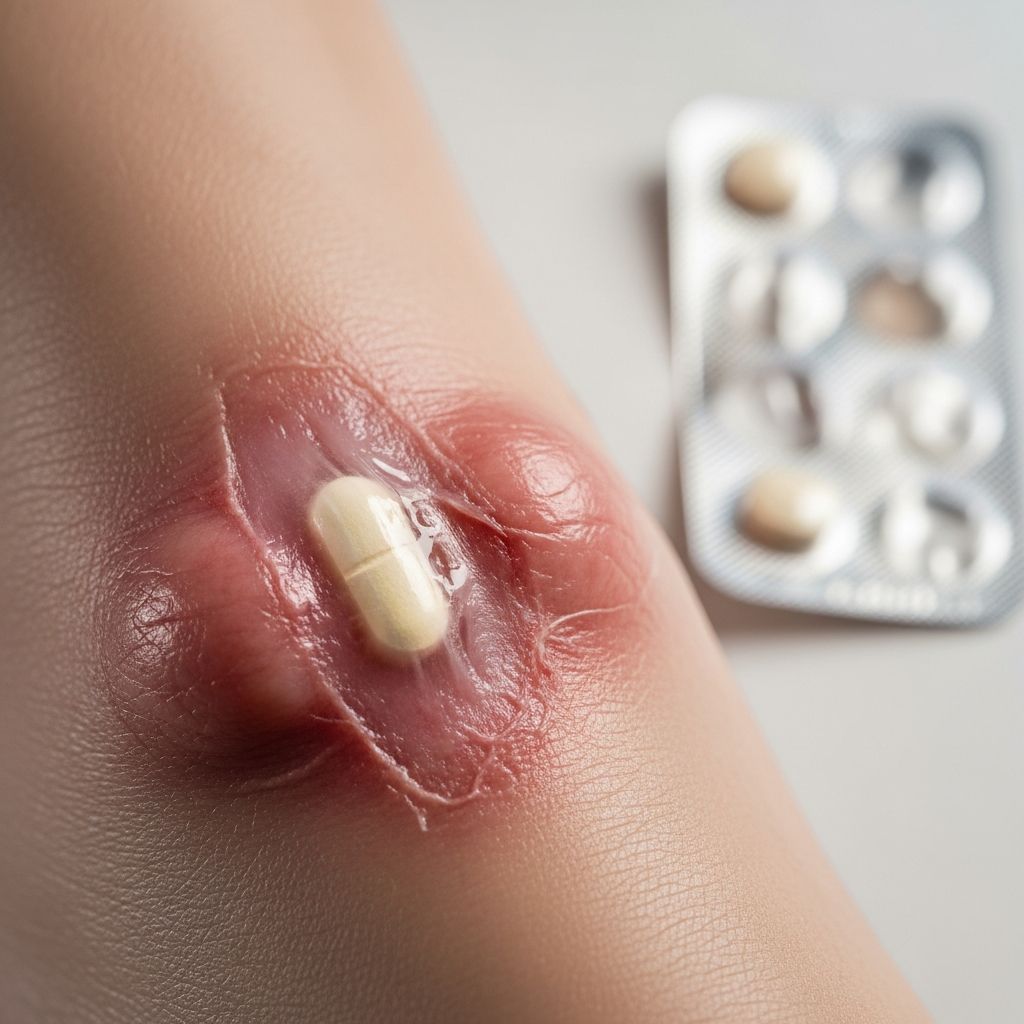
Tendons connect muscles to bones, enabling movement, but certain drugs can weaken them, leading to pain, inflammation, or rupture. This article examines key medications associated with these problems, drawing from regulatory warnings and studies to help patients and providers make informed choices.
Understanding Tendon Damage from Drugs
Tendinopathy involves tendon degeneration, often causing chronic pain that worsens with activity. Drug-induced cases stem from impaired collagen synthesis, reduced blood flow, or direct toxicity. The Achilles tendon is commonly affected due to its load-bearing role, with ruptures occurring in 30-40% of severe fluoroquinolone cases. Symptoms like swelling or weakness can appear rapidly or delayed, sometimes months post-treatment.
Primary Culprits: Fluoroquinolone Antibiotics
Fluoroquinolones, such as ciprofloxacin, levofloxacin, and moxifloxacin, treat bacterial infections but carry black-box warnings for tendon risks. The European Medicines Agency suspended some due to disabling effects, including tendon rupture within 48 hours or months later. Higher risks apply to those over 60, with kidney issues, transplants, or corticosteroid use.
- Onset: Acute, within days, or delayed.
- Sites: Achilles (most common), shoulders, hands.
- Action: Stop drug immediately at first pain; rest limb.
Alternatives exist for most infections, prioritizing safer antibiotics.
Corticosteroids and Their Hidden Tendon Toll
These anti-inflammatory agents, like prednisone, are vital for conditions such as arthritis but degrade tendon structure over time, especially after three months of oral or inhaled use. Patients with rheumatoid arthritis or lupus face elevated dangers. Combining with fluoroquinolones amplifies rupture odds.
| Form | Duration to Risk | Common Effects |
|---|---|---|
| Oral (e.g., Prednisone) | >3 months | Tendonitis, rupture in weight-bearers |
| Inhaled | Long-term | Achilles weakening |
Avoid in those with prior tendon issues; taper doses when possible.
Statins: Cholesterol Meds and Tendon Strain
Statins like rosuvastatin lower cholesterol but link to tendinopathy, with Achilles involvement in over 50% of cases, one-third rupturing after 8-10 months. Symptoms include bilateral pain and tightness, persisting across statin switches.
- Mechanism: Possible collagen disruption.
- Management: Monitor for pain; consider dose reduction or alternatives like ezetimibe.
Other Drugs Raising Red Flags
Beyond top classes, several contribute:
- Aromatase Inhibitors: For breast cancer; tenosynovitis or rupture in 2 weeks to 19 months.
- NSAIDs (Ibuprofen, Naproxen): Short-term relief masks injury; long-term use weakens healing.
- Bisphosphonates: Osteoporosis drugs with strong tendon signals.
- Chemotherapy (Taxanes, Platinum): Tendonitis and rupture risks.
- Others: Pregabalin (joint pain), teriparatide (up to 10% joint issues).
Who Faces the Greatest Danger?
Risk factors compound effects:
| Factor | Associated Drugs | Increased Odds |
|---|---|---|
| Age >60 | Fluoroquinolones, Steroids | High |
| Kidney Impairment | Fluoroquinolones | Significant |
| Corticosteroid Co-use | Fluoroquinolones | Avoid combo |
| Autoimmune Diseases | Glucocorticoids | Elevated |
Athletes or active individuals should discuss alternatives proactively.
Spotting and Responding to Symptoms
Early detection prevents progression:
- Pain: Sudden or gradual in tendon areas.
- Swelling/Redness: Indicates inflammation.
- Weakness: Difficulty bearing weight, snapping sensation for rupture.
- Other: Gait issues, numbness.
Immediate steps: Halt suspect drug, immobilize, seek imaging (ultrasound/MRI). Physical therapy aids recovery; surgery for ruptures.
Prevention Strategies for Safer Prescribing
Providers can minimize harm:
- Screen History: Ask about prior tendinopathy.
- Choose Alternatives: Non-fluoroquinolones for infections; lowest steroid doses.
- Educate Patients: Warn of symptoms pre-prescription.
- Monitor: Regular checks for high-risk users.
- Report: Adverse events to pharmacovigilance like VigiBase.
Related Stories



Patients: Inform doctors of all meds; report new pains promptly.
Treatment Pathways for Drug-Induced Tendinopathy
Recovery focuses on rest and rehab:
- Conservative: Ice, NSAIDs short-term, eccentric exercises after acute phase.
- Advanced: Platelet-rich plasma, shockwave therapy (emerging).
- Surgical: For complete ruptures; outcomes vary by delay.
Full healing may take months; some damage persists.
Frequently Asked Questions
Can tendon damage from meds be reversed?
Often yes with prompt discontinuation, but fluoroquinolone cases can be irreversible.
Are topical NSAIDs safer for tendons?
Less systemic risk, but prolonged use still cautions.
Should I stop statins if Achilles hurts?
Consult doctor; symptoms may resolve off-drug, but restart risks recurrence.
How common is rupture with fluoroquinolones?
Rare overall, but 30-40% of tendinopathy cases progress there.
Are kids at risk?
Lower, but not zero; adults over 60 most vulnerable.
Key Takeaways
While beneficial, drugs like fluoroquinolones, corticosteroids, and statins demand vigilance for tendon health. Balancing efficacy with safety through awareness protects mobility long-term.
References
- Disabling and potentially permanent side effects lead to suspension or restrictions of quinolone/ fluoroquinolone antibiotics — European Medicines Agency. 2018-10-02. https://www.ema.europa.eu/en/news/disabling-potentially-permanent-side-effects-lead-suspension-or-restrictions-quinolone-fluoroquinolone-antibiotics
- Drug-Associated Tendinopathies and Ligament Disorders — PMC (NCBI). 2024. https://pmc.ncbi.nlm.nih.gov/articles/PMC12089119/
- Medications Causing Tendonitis: 3 Dangerous Drugs to Avoid Now — Liv Hospital. 2023. https://int.livhospital.com/medications-causing-tendonitis-3-dangerous-drugs-to-avoid-now/
- 9 Medications That Can Cause Joint and Muscle Pain — GoodRx. 2024. https://www.goodrx.com/drugs/side-effects/common-medications-that-cause-joint-pain-cholesterol-drugs-asthma-inhalers
- Drug-induced tendinopathy — Medsafe (New Zealand). 2024-09. https://www.medsafe.govt.nz/profs/PUArticles/September2024/Drug-induced-tendinopathy.html
- Connecting the Dots Between Statins and Tendon Injuries — AACP. 2023. https://www.aacp.org/article/connecting-dots-between-statins-and-tendon-injuries
- Drug-Induced Tendon Disorders — PubMed. 2016. https://pubmed.ncbi.nlm.nih.gov/27535265/
Similar Articles








Read full bio of medha deb