13 Medications That Can Make You Gain Weight
Discover which common medications may lead to weight gain and learn strategies to manage this side effect.
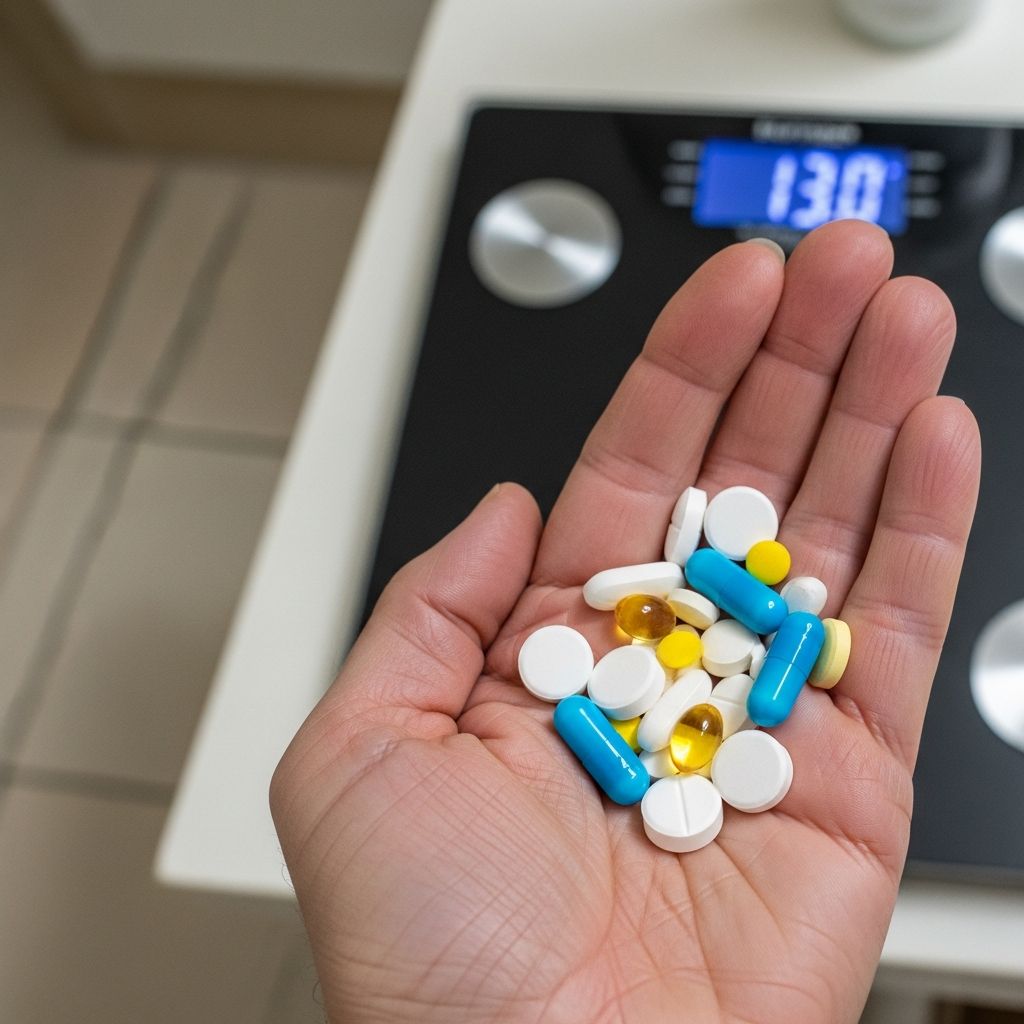
Weight gain is a common concern for many patients taking prescription medications. While the benefits of these drugs often outweigh the risks, understanding potential side effects—including weight gain—is essential for informed healthcare decisions. Numerous medications across different drug classes have been associated with weight gain, affecting treatment adherence and overall health outcomes. This comprehensive guide explores 13 medications known to cause weight gain and provides strategies for managing this side effect.
Understanding Medication-Related Weight Gain
Weight gain associated with medications is a complex phenomenon influenced by multiple factors. Weight gain isn’t influenced just by the medication itself but also by factors like changes in appetite, metabolism and activity levels that often accompany the conditions these drugs treat. For instance, depression itself can alter eating patterns and physical activity levels, and when depression improves with medication, appetite normalization may contribute to weight gain.
Research reveals the scope of this issue: antidepressant-induced weight gain affects up to 55–65% of patients over the long term. A large review examining 27 studies involving more than 450,000 people found that certain antidepressants had the strongest association with weight gain, with patients gaining at least 5% of their body weight over time.
The biological mechanism behind medication-induced weight gain often involves receptor blockade in the brain. Blockade of serotonin 2C receptors, which affect appetite and fullness, is thought to be a possible mechanism of weight gain associated with antidepressants. Different medication classes affect weight through distinct pathways, and understanding these differences can help guide treatment decisions.
Antidepressants and Weight Gain
Antidepressants are among the most commonly prescribed medications associated with weight gain. The impact varies significantly by medication class and individual response.
Tricyclic Antidepressants
Tricyclic antidepressants are associated with the most substantial weight increases among antidepressant classes. Medications in this category, including amitriptyline, nortriptyline, and doxepin, have long been recognized for their weight-gaining potential. These older antidepressants block multiple neurotransmitter receptors, which can increase appetite and reduce metabolism.
Research from a large Finnish cohort study demonstrated that antidepressant users gained an average of 2.5 kg (4.3%) over 4 years, compared to only 1.4 kg (2.5%) in control subjects. The weight gain appeared dose-dependent, with higher cumulative doses associated with greater weight increases.
Selective Serotonin Reuptake Inhibitors (SSRIs)
Selective serotonin reuptake inhibitors typically induce weight gain after prolonged use, despite some evidence of weight loss in the short term. Common SSRIs include sertraline (Zoloft), fluoxetine (Prozac), paroxetine (Paxil), and citalopram (Celexa). While some patients experience initial weight loss when starting SSRIs, long-term use—extending beyond one to two years—is often associated with gradual weight gain.
This delayed effect may explain why some patients initially feel optimistic about weight neutrality with SSRIs, only to experience weight creep over time. The mechanism may involve adaptation to the drug’s initial effects on serotonin signaling.
Other Antidepressant Classes
Related Stories



Monoamine oxidase inhibitors (MAOIs) and the tetracyclic antidepressant mirtazapine (Remeron) are also associated with significant weight gain. Mirtazapine is particularly known for causing increased appetite and weight gain, sometimes making it a less favorable choice for weight-conscious patients despite its effectiveness for depression and anxiety.
However, some antidepressants like bupropion (Wellbutrin) may help you lose weight along with improving your mood. This makes bupropion an attractive option for patients concerned about weight gain, particularly those with depression accompanied by weight management challenges.
Antipsychotic Medications
Antipsychotic medications, used to treat schizophrenia, bipolar disorder, and other psychiatric conditions, are notorious for causing substantial weight gain. Second-generation (atypical) antipsychotics like olanzapine (Zyprexa), quetiapine (Seroquel), and risperidone (Risperdal) carry particularly high risk for weight gain and metabolic complications, including increased risk of diabetes and dyslipidemia.
The metabolic effects of antipsychotics can be severe enough to require close monitoring and lifestyle interventions or medication adjustments during treatment.
Anticonvulsants
Several anticonvulsants used for seizure disorders and off-label indications like mood stabilization are associated with weight gain. Valproate (Depakote), gabapentin (Neurontin), and pregabalin (Lyrica) frequently cause weight gain in patients taking them for extended periods.
The mechanism may involve increased appetite and altered carbohydrate metabolism. Patients starting these medications should be counseled about potential weight effects and monitored regularly.
Diabetes and Blood Pressure Medications
Beyond psychiatric medications, certain treatments for chronic conditions can contribute to weight gain. Insulin and some sulfonylurea diabetes medications can increase appetite and promote weight gain as part of their mechanism of action. Similarly, some beta-blockers used for hypertension and heart disease have been associated with weight gain.
The Connection Between Antidepressants and Diabetes Risk
The weight gain associated with antidepressants has meaningful metabolic consequences. Antidepressant medication use, as indicated by completed prescriptions exceeding 200 defined daily doses, was associated with a doubling of the risk of diagnosed type 2 diabetes, irrespective of a record of severe depression.
The diabetes risk increased in a dose-response fashion: the 5-year risk of diagnosed diabetes was 1.1% in non-users, 1.7% among those treated with 200–399 daily defined doses per year, and 2.3% among those using ≥400 doses. This suggests that the longer patients take antidepressants at higher doses, the greater their metabolic risk.
The excess weight gain per year for antidepressant users is approximately 0.3 kg annually, a change large enough to contribute to diabetes risk over time. These findings underscore the importance of monitoring weight and metabolic health in patients on long-term antidepressant therapy.
Why Weight Gain Happens With These Medications
Several mechanisms explain medication-induced weight gain:
- Increased Appetite: Many psychiatric medications directly increase hunger signals in the brain, leading to greater food intake.
- Altered Metabolism: Some drugs slow metabolic rate, reducing the calories burned at rest.
- Changes in Food Cravings: Medications can intensify cravings for high-calorie, high-carbohydrate foods.
- Receptor Blockade: Blocking serotonin, histamine, or other receptors involved in satiety can reduce fullness signals.
- Recovery From Depression: As depression lifts, patients may normalize eating patterns that were previously suppressed, contributing to weight gain as a sign of recovery.
- Reduced Physical Activity: Medication side effects like sedation can reduce activity levels, contributing to weight gain.
Managing Medication-Related Weight Gain
Experiencing weight gain while taking necessary medications doesn’t mean you must choose between health and weight management. Several evidence-based strategies can help:
Lifestyle Interventions
The foundation of weight management remains consistent: regular physical exercise and a healthy diet. Studies show that lifestyle interventions play an important role in mitigating weight gain associated with antidepressant treatment. Additionally, addressing emotional eating patterns, fast food cravings, and weight cycling can support metabolic health in patients on psychiatric medications.
Medication Adjustments
The American College of Physicians recommends considering the potential for weight gain when initially selecting antidepressants and suggests switching to less weight-inducing options when necessary. If weight gain becomes problematic, discussing alternative medications with your healthcare provider—such as switching to bupropion or an SNRI—may be appropriate.
Adjunct Medications
Some medications can be added to help with weight control. Metformin, commonly used for diabetes, has been shown to help prevent and reduce antidepressant-related weight gain in some patients. Additionally, GLP-1 receptor agonists, such as liraglutide and semaglutide, have been effective in reducing weight gain in some patients by helping with appetite control and slowing digestion.
A combination therapy of naltrexone/bupropion as an adjunct to antidepressant therapy in those with obesity or who were overweight has shown effectiveness in promoting weight loss, with a mean adjusted weight loss of 6.3% compared to 4.3% in placebo groups.
Individual Response Varies
Weight gain is a possible side effect of nearly all antidepressants, but each person responds to antidepressants differently. Some patients experience significant weight gain, while others maintain stable weight or lose weight on the same medication. This individual variation highlights the importance of personalized treatment planning and regular monitoring.
Factors influencing individual response include genetics, baseline metabolism, diet, physical activity, stress levels, and sleep quality. Additionally, the underlying condition being treated—depression, anxiety, or another psychiatric disorder—can itself influence weight through appetite and activity changes.
The Importance of Balanced Decision-Making
Weight gain from medications is a legitimate concern, but it must be weighed against the substantial benefits these drugs provide for mental health and overall functioning. Weight gain associated with antidepressant use is an important clinical consideration, as it can negatively impact treatment adherence and overall health outcomes. Patients who experience weight gain may discontinue treatment, increasing the risk of relapse or worsening depressive symptoms.
The key is working collaboratively with healthcare providers to find treatment approaches that address both mental health and metabolic health. This may involve selecting medications with lower weight-gain risk, implementing lifestyle changes, adding adjunct medications when appropriate, or adjusting doses.
Frequently Asked Questions
Q: Do all antidepressants cause weight gain?
A: No. While weight gain is a possible side effect of nearly all antidepressants, each person responds differently. Some antidepressants, like bupropion, may even promote weight loss in some patients, while others like tricyclic antidepressants carry higher weight-gain risk.
Q: How much weight do people typically gain on antidepressants?
A: Weight gain varies considerably. Research shows average gains of 2.5 kg (4.3%) over 4 years for long-term users, though some patients gain more. The amount depends on the specific medication, dosage, duration of use, and individual factors.
Q: Can I switch medications if I’m gaining weight?
A: Yes, switching to a less weight-inducing antidepressant may be an option. However, this decision should be made with your healthcare provider, as the effectiveness of different medications varies among individuals. Some patients benefit from adding adjunct medications instead.
Q: What’s the difference between depression-related weight changes and medication-related weight gain?
A: Depression itself can cause weight loss due to poor appetite or weight gain from emotional eating and inactivity. Medication-related weight gain typically appears as continued weight increase even after depression improves and patients return to normal functioning.
Q: Are there medications that can help counteract antidepressant-related weight gain?
A: Yes. Metformin and GLP-1 receptor agonists like semaglutide have shown effectiveness in reducing weight gain. Combination therapy with naltrexone/bupropion may also help. Always consult your healthcare provider before adding any medications.
Q: Should I stop my antidepressant because of weight gain?
A: No. Stopping antidepressants without medical guidance can lead to relapse or worsening of depression. Instead, discuss weight concerns with your healthcare provider to explore alternatives like lifestyle changes, medication adjustments, or adjunct treatments.
References
- Antidepressant Medication Use, Weight Gain, and Risk of Type 2 Diabetes — Diabetes Care, American Diabetes Association. 2010. https://diabetesjournals.org/care/article/33/12/2611/39204/
- Can Antidepressants Cause Weight Gain? What You Need to Know — Banner Health. 2024. https://www.bannerhealth.com/healthcareblog/better-me/are-my-antidepressants-making-me-gain-weight
- Antidepressants and Weight Gain: What Patients Need to Know — Psychiatry Advisor. 2024. https://www.psychiatryadvisor.com/features/antidepressants-and-weight-gain/
- Impact of Antidepressants on Weight Gain: Underlying Mechanisms and Mitigation Strategies — PubMed Central, National Center for Biotechnology Information. 2024. https://pmc.ncbi.nlm.nih.gov/articles/PMC12121960/
- Antidepressants and Weight Gain: What Causes It? — Mayo Clinic. 2024. https://www.mayoclinic.org/diseases-conditions/depression/expert-answers/antidepressants-and-weight-gain/faq-20058127
Similar Articles








Read full bio of medha deb