Medicines For Drug Dependence: 5 Essential Treatments
Effective medications and strategies to treat drug dependence and support recovery from addiction.
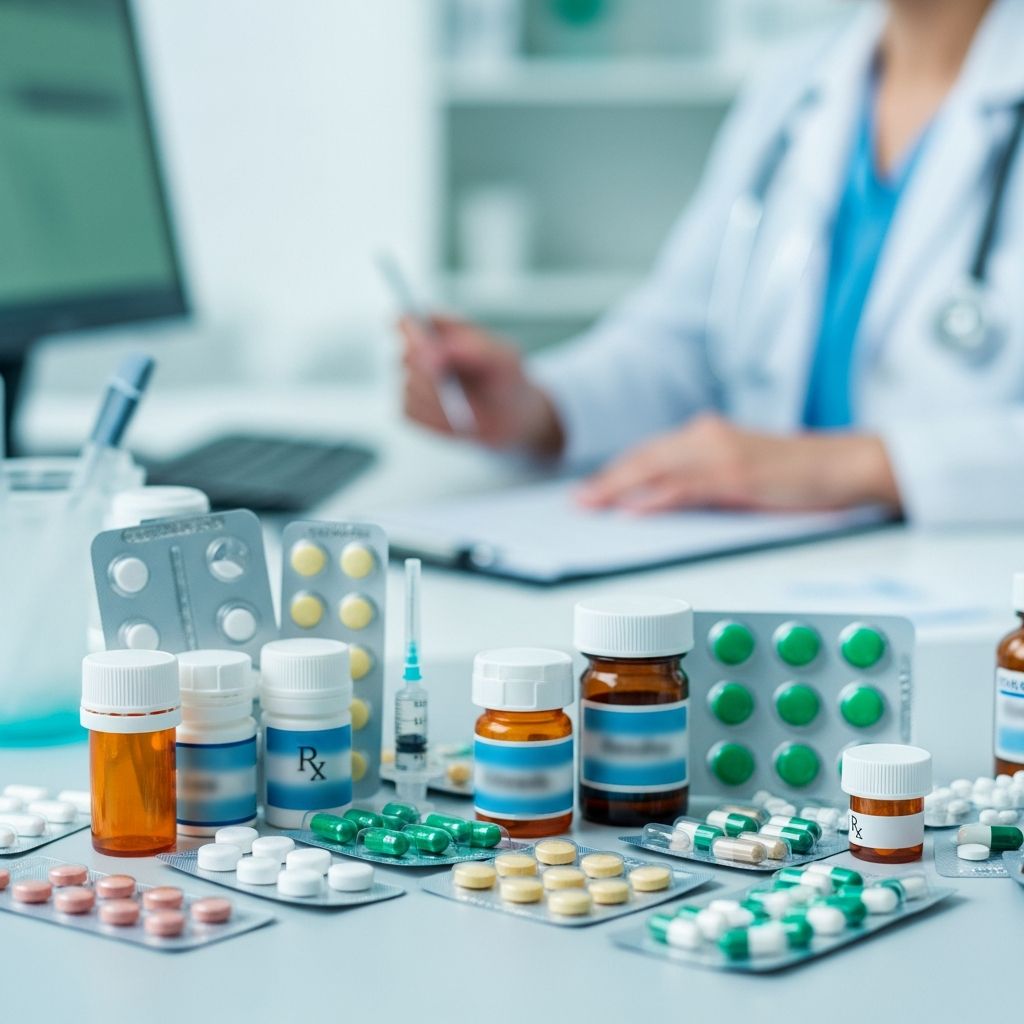
Drug dependence, also known as addiction, is a treatable medical condition where individuals require a substance to function normally. It can arise from prescribed medications, recreational drugs, or over-the-counter products. Doctors prescribe specific medicines based on the substance involved to manage withdrawal, reduce cravings, and support recovery.
What is Drug Dependence?
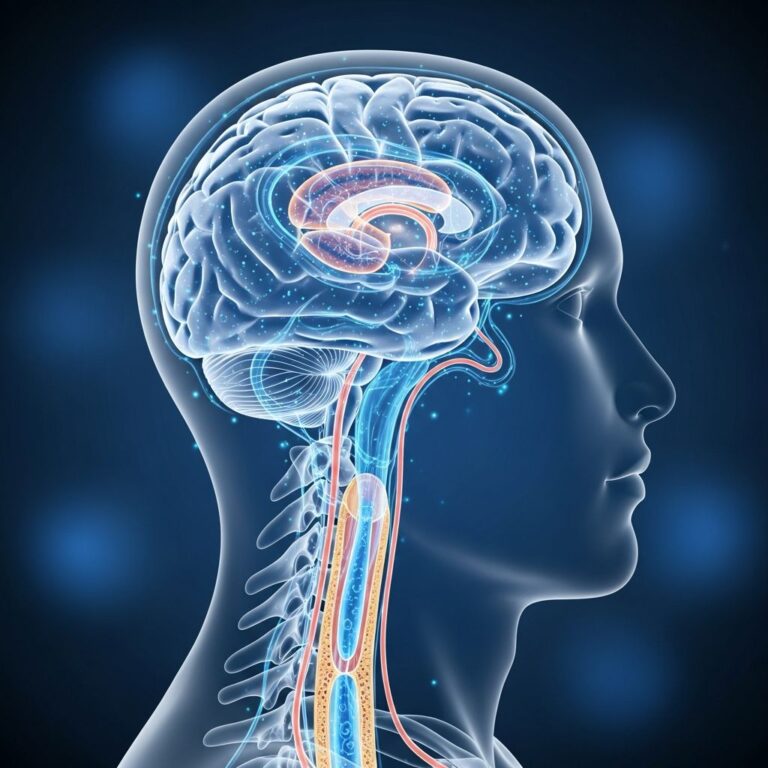
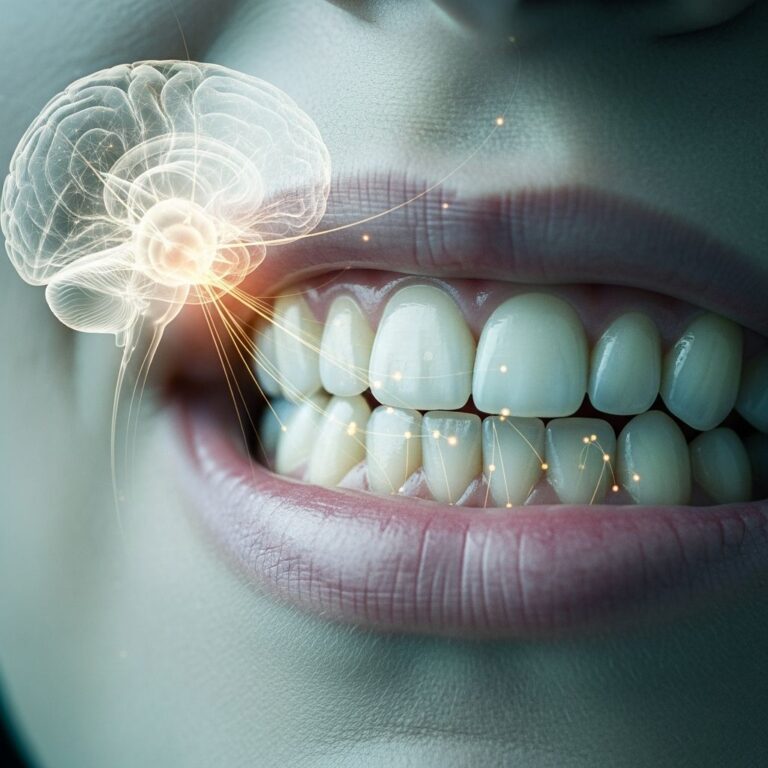
Dependence means the body and brain adapt to a substance, leading to tolerance and withdrawal symptoms upon cessation. Common substances include opiates like heroin, stimulants such as cocaine, alcohol, benzodiazepines, and nicotine. Treatment combines medications with counseling for the best outcomes, as repeated drug use alters brain chemistry.
Early intervention is crucial. If usage increases or causes life problems, seek help promptly. Options include outpatient counseling, inpatient rehab, and behavioral therapies to address triggers and build coping skills.
Treatments by Drug Type
Medicines target specific dependencies. Below are evidence-based options for major categories.
Opiates (heroin, morphine, dihydrocodeine, codeine)
Treatment replaces illicit opiates with prescribed ones to prevent withdrawal and harm. Initial goals: stabilize symptoms and reduce risks. Methadone or buprenorphine are common; doses stabilize then taper gradually.
- Methadone: Long-acting opiate taken daily under supervision. Prevents withdrawal; many use long-term, others taper off.
- Buproporphine: Partial agonist; less sedating, lower overdose risk. Often combined with naloxone to deter misuse.
- Other options: Diamorphine, dihydrocodeine, or slow-release morphine for short-term use (<2 weeks). Lofexidine aids non-opioid detox.
Psychological therapies outperform meds alone. If polysubstance use, add disulfiram for alcohol or dexamphetamine for stimulants.
Stimulants (cocaine, amphetamines)
No direct replacement exists; focus on symptom relief and relapse prevention.
- Benzodiazepines (e.g., diazepam): Manage acute withdrawal anxiety.
- Antidepressants (fluoxetine, lofepramine): Address mood crashes.
- Dexamphetamine: Supervised for severe cases, stabilizes intake.
Supportive care emphasizes therapy over meds.
Alcohol
Acute withdrawal risks seizures; meds manage this, long-term ones deter relapse.
| Phase | Medicines | Purpose |
|---|---|---|
| Acute Withdrawal | Chlordiazepoxide, carbamazepine, clomethiazole | Prevent seizures, ease symptoms |
| Hallucinations | Haloperidol, olanzapine | Control psychosis |
| Long-term | Acamprosate, naltrexone, disulfiram | Reduce cravings, block pleasure |
Thiamine prevents Wernicke’s encephalopathy. Combine with counseling.
Benzodiazepines
Switch to longer-acting diazepam, then taper slowly (10-25% every 1-2 weeks). Last reductions are gentler.
- Adjuncts: Antidepressants for depression, beta-blockers for anxiety.
- Lowest dose; rapid reduction risks severe withdrawal.
Detox includes psychological support.
Nicotine
Nicotine replacement therapy (NRT: patches, gum, sprays) doubles quit success in programs. Bupropion or varenicline as alternatives.
- Bupropion (Zyban®): Antidepressant; start 1-2 weeks pre-quit, doubles success.
- Varenicline (Champix): Partial agonist; start 1 week pre-quit, 12-week course (extendable). Builds tolerance gradually.
Combine with behavioral support.
How are Medicines Used to Treat Drug Dependence?
Treatment is individualized with a keyworker (GP/drug worker) managing care. Assess dependence, set goals (detox, maintenance, abstinence), and review plans.
Related Stories



Opiate Protocol: Stabilize on methadone/buprenorphine, then taper (small reductions weekly). Supervised dosing prevents diversion.
Benzodiazepine Withdrawal: Diazepam equivalent dose, reduce gradually. Monitor for symptoms; add symptom-specific meds.
General Principles:
- Clear aims: withdrawal relief, stabilization, relapse prevention.
- Liaison with pharmacists for safe prescribing.
- Psychosocial support essential; meds alone insufficient.
Post-detox: therapies like CBT, contingency management, or self-help groups (e.g., Narcotics Anonymous). Inpatient for severe cases.
Challenges and Considerations
Polysubstance dependence complicates treatment; tailor meds accordingly. Overdose risk high during detox—monitor closely. Stigma delays help-seeking; helplines offer confidential support.
Recovery is a journey: outpatient for mild cases, inpatient for severe. Behavioral health addresses co-occurring mental health.
Frequently Asked Questions (FAQs)
Q: Can drug dependence be fully cured?
A: It’s manageable; many achieve long-term recovery with meds and therapy, but relapse risk persists—ongoing support key.
Q: How long does opiate detox take?
A: Stabilizes in days-weeks; full taper 3-6 months or longer, individualized.
Q: Are replacement therapies safe long-term?
A: Yes, under supervision; methadone/buprenorphine reduce harms vs. street drugs.
Q: What if I’m dependent on multiple drugs?
A: Specialist assesses; combine treatments like methadone + disulfiram.
Q: How to quit smoking with meds?
A: NRT/bupropion/varenicline + quit program; set date, taper nicotine.
Getting Help
Contact your GP, local drug service, or national helplines. In the US, SAMHSA Helpline (1-800-662-HELP); findtreatment.gov locates providers[10]. UK: Talk to Frank or NHS services. Early help prevents escalation.
References
- Drug Dependence Treatment (Drug Addiction Recovery) — Patient.info. 2023. https://patient.info/healthy-living/recreational-drugs/medicines-for-drug-dependence
- Drug Use and Addiction — MedlinePlus (U.S. National Library of Medicine). 2024-10-01. https://medlineplus.gov/druguseandaddiction.html
- Treatment of Substance Use Disorders — Centers for Disease Control and Prevention (CDC). 2024-05-15. https://www.cdc.gov/overdose-prevention/treatment/index.html
- Substance Use Disorder (SUD): Symptoms & Treatment — Cleveland Clinic. 2024-08-20. https://my.clevelandclinic.org/health/diseases/16652-drug-addiction-substance-use-disorder-sud
- Drug Misuse and Dependence — Patient.info (Doctor section). 2023. https://patient.info/doctor/mental-health/drug-misuse-and-dependence
- National Helpline — SAMHSA (Substance Abuse and Mental Health Services Administration). 2025-01-01. https://www.samhsa.gov/find-help/helplines/national-helpline
Similar Articles








Read full bio of Sneha Tete