Mediterranean Diet: Facts, Benefits, and Foods
Discover the science-backed benefits of the Mediterranean diet, from heart health to longevity, with practical food lists and meal ideas.
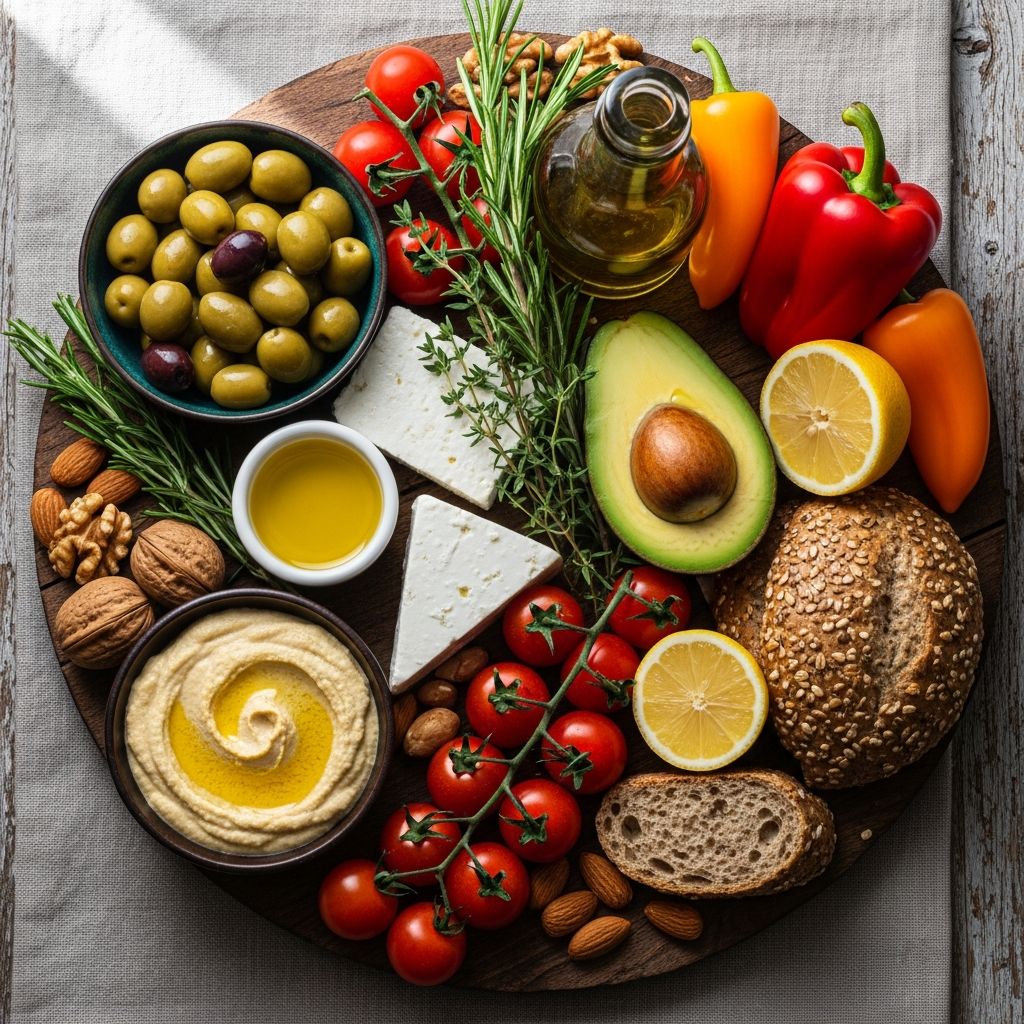
The
Mediterranean diet
is a plant-forward eating pattern inspired by traditional cuisines of countries bordering the Mediterranean Sea, emphasizing whole foods, healthy fats, and moderate portions of animal products. Rich in vegetables, fruits, whole grains, legumes, nuts, olive oil, and fish, it has been linked to reduced risks of chronic diseases and increased longevity through mechanisms like lipid-lowering effects and gut microbiota modulation.What Is the Mediterranean Diet?
The Mediterranean diet reflects mid-20th-century eating habits in regions like Greece, Italy, and Spain, where diets were high in minimally processed plant foods and low in red meat. It prioritizes overall eating patterns over strict calorie counting, focusing on fresh, seasonal ingredients and communal meals. Unlike fad diets, it promotes sustainability and enjoyment, with extra-virgin olive oil (EVOO) as the primary fat source due to its high unsaturated fats and antioxidants that protect against oxidative stress.
Key characteristics include daily consumption of vegetables, fruits, whole grains, and legumes; moderate fish and dairy; and limited sweets and processed foods. Clinical trials, such as the Lyon Diet Heart Study, showed a 70% reduction in coronary heart disease mortality among adherents.
History of the Mediterranean Diet
The diet gained prominence in the 1960s through research by Ancel Keys, who observed lower heart disease rates in Mediterranean populations compared to the U.S. The Seven Countries Study linked these patterns to olive oil-rich diets and active lifestyles. Modern validations, like PREDIMED trials, confirmed benefits in primary prevention of cardiovascular events, type 2 diabetes, and breast cancer.
Originally tied to agrarian lifestyles with high physical labor (70-80 hours weekly), it balanced energy-dense foods like olive oil and wine with fiber-rich plants. Today, it’s adapted globally, consistently ranking top in U.S. News & World Report diet rankings for sustainability and health.
9 Health Benefits of the Mediterranean Diet
The diet’s benefits stem from synergistic nutrients: anti-inflammatory polyphenols, fiber for gut health, and omega-3s from fish. Here are nine evidence-based advantages:
- Supports heart health: Reduces coronary artery disease risk by 30% via lipid-lowering and anti-platelet effects.
- Prevents type 2 diabetes: Lowers incidence through improved insulin sensitivity and reduced fasting glucose.
- Reduces cancer risk: Modifies hormones like IGF-1 and estradiol, inhibiting cancer pathways, especially breast cancer.
- Promotes weight loss: Ad libitum plans lead to significant fat loss without calorie restriction, outperforming low-fat diets.
- Lowers inflammation: High antioxidants from EVOO and veggies combat oxidative stress.
- Improves brain health: Protects against cognitive decline via reduced inflammation and better vascular function.
- Enhances gut health: Boosts Bacteroidetes and short-chain fatty acid production for metabolic benefits.
- Reduces atrial fibrillation risk: Shown in randomized trials.
- Increases longevity: Linked to lower all-cause mortality through multiple mechanisms.
How the Mediterranean Diet Works
Its efficacy arises from five key mechanisms: (1) lipid-lowering via monounsaturated fats; (2) protection against oxidative stress, inflammation, and clotting; (3) hormonal modulation reducing cancer growth factors; (4) nutrient-sensing inhibition via amino acid restriction; (5) gut microbiota shifts producing beneficial metabolites like butyrate. The high insoluble fiber (30g/day vs. 14g in Western diets) drives microbiota changes, elevating Bacteroides acidifaciens.
EVOO’s polyphenols provide superior antioxidants compared to regular olive oil, harmonizing nutrients like a “choir” for comprehensive health support.
Mediterranean Diet Food List
Focus on these foods daily, using the pyramid: base of plants and oils, moderate proteins, minimal sweets.
What to Eat
Related Stories



- Vegetables: Tomatoes, broccoli, kale, spinach, onions, cauliflower, carrots, Brussels sprouts (daily, unlimited).
- Fruits: Apples, bananas, oranges, pears, grapes, strawberries, blueberries, melons (3 servings/day).
- Whole grains: Brown rice, barley, buckwheat, whole wheat, oats (3-6 servings/day).
- Legumes: Beans, peas, lentils, pulses, peanuts, chickpeas.
- Nuts & seeds: Almonds, walnuts, pistachios, sunflower seeds, cashews (1 handful/day).
- Fish & seafood: Salmon, sardines, trout, tuna, mackerel, shrimp (2x/week).
- Healthy fats: EVOO (main fat), avocados, olives.
- Dairy: Greek yogurt, cheese, milk (moderate).
- Herbs & spices: Basil, mint, oregano, sage, nutmeg, cinnamon, turmeric.
- Poultry & eggs: Moderate chicken, turkey, eggs.
What to Limit
- Red meat: Weekly max.
- Sweets: Occasional honey-based treats.
- Processed foods: Avoid sugary drinks, refined grains.
Mediterranean Diet Meal Plan
A 7-day sample emphasizes variety and portion control. Consult a dietitian for personalization.
| Day | Breakfast | Lunch | Dinner | Snacks |
|---|---|---|---|---|
| Monday | Greek yogurt with berries & nuts | Hummus with veggies & pita | Grilled salmon, quinoa, broccoli | Apple, handful almonds |
| Tuesday | Oatmeal with fruit & EVOO drizzle | Lentil soup, whole grain bread | Chicken stir-fry with veggies | Carrots & tzatziki |
| Wednesday | Whole grain toast with avocado & egg | Chickpea salad with feta | Baked cod, sweet potatoes, greens | Orange, walnuts |
| Thursday | Smoothie: yogurt, spinach, banana | Tuna salad wrap | Vegetable paella with shrimp | Yogurt with honey |
| Friday | Cheese & fruit plate | Quinoa bowl with beans & veggies | Grilled fish, couscous, salad | Mixed nuts |
| Saturday | Whole grain cereal with milk & figs | Falafel pita | Turkey meatballs, zucchini noodles | Pear |
| Sunday | Yogurt parfait with granola | Minestrone soup | Roast chicken, roasted veggies | Olives & cheese |
Mediterranean Diet Recipes
- One-Pan Baked Salmon with Veggies: Season salmon with EVOO, lemon, herbs; bake with asparagus and potatoes at 400°F for 20 mins. Serves 4.
- Chickpea Salad: Mix chickpeas, cucumber, tomatoes, feta, olives, oregano, EVOO dressing.
- Greek Yogurt Bowl: Top with nuts, honey, berries for breakfast.
Mediterranean Diet Pyramid
The pyramid bases daily intake on veggies/fruits/whole grains/EVOO (base), fish/dairy/poultry weekly, red meat sweets sparingly. Physical activity and moderate wine (optional) crown it.
Tips for Starting and Sticking with the Mediterranean Diet
- Stock EVOO, nuts, veggies.
- Cook with herbs over salt.
- Eat mindfully with family.
- Walk 30 mins daily.
- Swap butter for EVOO.
- Plan meals weekly.
Pros and Cons of the Mediterranean Diet
| Pros | Cons |
|---|---|
| Flexible, delicious, sustainable | May require cooking skills |
| Heart-protective, weight-friendly | Potentially costly for fish/nuts |
| Family-oriented | Not ideal for low-sodium needs without tweaks |
Is the Mediterranean Diet Healthy?
Yes, backed by RCTs showing superior outcomes vs. low-fat diets for CVD, diabetes, and more. It’s nutrient-dense, anti-inflammatory, and adaptable for vegetarians.
Frequently Asked Questions (FAQs)
What is the Mediterranean diet?
A plant-based pattern emphasizing veggies, fruits, olive oil, fish, and whole grains for optimal health.
Can you lose weight on the Mediterranean diet?
Yes, through satiety from fiber and healthy fats, with ad libitum weight loss in trials.
Is the Mediterranean diet gluten-free?
Adaptable by swapping grains; consult a dietitian.
What is the healthiest oil for the Mediterranean diet?
Extra-virgin olive oil for its antioxidants and fat profile.
Is the Mediterranean diet vegan?
Modifiable to vegetarian/vegan by omitting fish/dairy, sourcing B12 elsewhere.
References
- Mediterranean Diet: Metabolic and Molecular Mechanisms — Trichopoulou A, et al. National Library of Medicine (PMC). 2020-04-15. https://pmc.ncbi.nlm.nih.gov/articles/PMC7190876/
- Mediterranean Diet: Food List & Meal Plan — Cleveland Clinic. 2024-03-07. https://my.clevelandclinic.org/health/articles/16037-mediterranean-diet
Similar Articles








Read full bio of Sneha Tete