Mediterranean Diet Food List: Complete Guide
Discover the complete Mediterranean diet food list with heart-healthy foods and meal ideas.
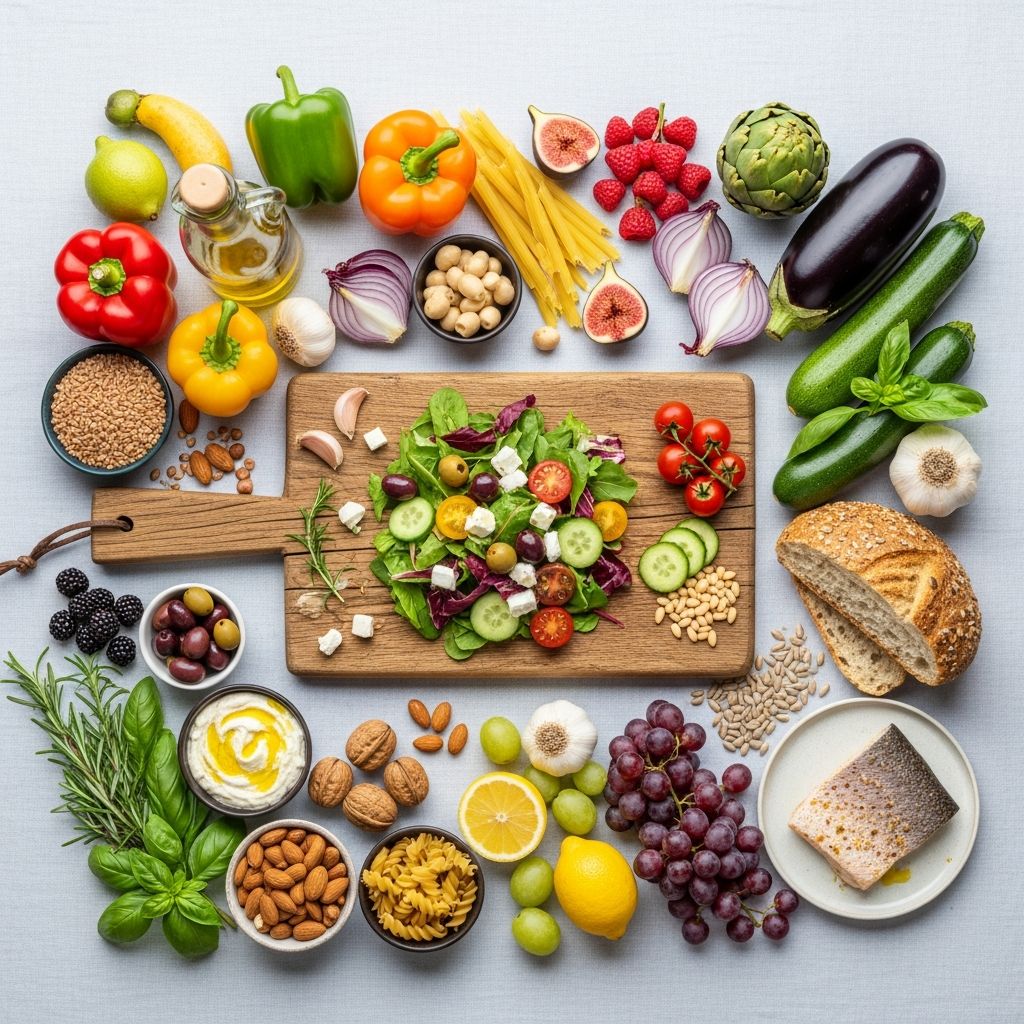
Mediterranean Diet Food List: Your Complete Guide to Heart-Healthy Eating
The Mediterranean diet is recognized worldwide as one of the most sustainable and health-promoting eating patterns. This diet emphasizes plant-based foods, healthy fats, and whole grains while limiting processed foods and red meat consumption. Originating from the countries surrounding the Mediterranean Sea, this dietary approach has been extensively studied and proven to reduce the risk of cardiovascular disease and support overall wellness. Whether you’re looking to improve your heart health or simply adopt a more balanced approach to nutrition, understanding which foods to include is the first step toward success.
What’s Included in the Mediterranean Diet?
The Mediterranean diet is remarkably flexible and focuses on whole, minimally processed foods. The foundation of this diet consists of fresh produce, quality proteins, and healthy fats that work together to provide optimal nutrition. Below is a comprehensive breakdown of all the food categories you should incorporate into your Mediterranean eating plan.
Fruits
Fruits are a cornerstone of the Mediterranean diet and should be eaten liberally throughout the day. These naturally sweet foods provide essential vitamins, minerals, and fiber while satisfying cravings for dessert in a wholesome way. Aim for at least 3 servings of fruit daily, preferably choosing seasonal and locally-sourced varieties when available.
- Apples
- Apricots
- Bananas
- All berries (strawberry, blueberry, raspberry, blackberry)
- Cherries
- Citrus fruits (oranges, lemons, limes, grapefruit)
- Dates
- Figs
- Grapes
- Melons
- Peaches
- Pears
- Pomegranate
Vegetables
Vegetables form the base of the Mediterranean plate and should comprise a significant portion of your daily intake. Consume at least 5 servings of vegetables each day, emphasizing non-starchy varieties while limiting potatoes to 2-3 times per week. Fresh, colorful vegetables provide antioxidants, vitamins, and minerals essential for good health.
- Beets
- Bell peppers (all colors)
- Broccoli
- Cabbage
- Carrots
- Corn
- Cucumber
- Eggplant
- Green beans
- Kale
- Leafy greens (spinach, arugula, lettuce)
- Mushrooms
- Okra
- Olives (Kalamata, Mediterranean blend varieties)
- Onions (all varieties)
- Peas
- Potatoes (sweet, red-skinned, regular)
- Radishes
- Squash (zucchini, summer squash)
- Tomatoes
Whole Grains and Starches
Whole grains provide essential carbohydrates, fiber, and B vitamins that sustain energy levels throughout the day. The Mediterranean diet prioritizes whole grain options over refined grains, ensuring you receive maximum nutritional benefit. These foods should comprise approximately one-quarter of your plate at main meals.
- Barley
- Brown or white rice
- Buckwheat
- Bulgur wheat
- Couscous
- Farro
- Gluten-free pastas (if needed)
- Grits
- Millet
- Oats (any whole grain variety)
- Orzo
- Popcorn
- Polenta
- Quinoa
- Whole-grain bread
- Whole-grain pasta
- Whole wheat semolina pasta
- Wild rice
Legumes and Beans
Legumes and beans are excellent sources of plant-based protein, fiber, and essential minerals. They can be consumed up to 2 times each week in ½ cup serving sizes, making them a versatile addition to soups, salads, and grain bowls. These affordable and sustainable foods support both your health and the environment.
- Black beans
- Black-eyed peas
- Broad beans
- Cannellini beans
- Chia seeds
- Chickpeas (garbanzo beans)
- Fava beans
- Flaxseed
- Great Northern beans
- Gigante beans
- Kidney beans
- Lentils
- Navy beans
- Peas
- Pinto beans
- Refried beans
- Sesame seeds
- Soybeans
- Split-peas
Related Stories



Nuts and Seeds
Nuts and seeds are nutrient-dense foods packed with healthy fats, protein, and minerals. These can be eaten up to 2 times daily, with each serving being 30 grams or 1 ounce (approximately 23 almonds or 14 walnut halves). They make excellent snacks or additions to salads and breakfast bowls.
- Almonds
- Cashews
- Hazelnuts
- Nut butters (natural varieties)
- Peanuts
- Pecans
- Pine nuts
- Pistachios
- Pumpkin seeds (pepitas)
- Sesame seeds
- Sunflower seeds
- Tahini
- Walnuts
Fish and Seafood
Fish and seafood should be consumed 2-3 times each week as the primary source of animal protein in the Mediterranean diet. Prioritize fatty fish species rich in omega-3 fatty acids, which provide anti-inflammatory benefits and support cardiovascular health. The Mediterranean diet encourages fish consumption over poultry and red meat.
- Albacore tuna
- Clams
- Cod
- Crab
- Herring
- Lobster
- Mackerel
- Mussels
- Oysters
- Salmon
- Sardines
- Shrimp
- Trout
- Tuna
Poultry and Eggs
Poultry provides a lean protein option and should be chosen daily to weekly. Opt for skinless chicken and turkey to minimize saturated fat intake. Eggs can be incorporated into meals as needed and provide high-quality protein and important nutrients like choline.
- Chicken
- Cornish hens
- Eggs
- Turkey
Meat and Red Meat
Red meat should be limited in the Mediterranean diet, consumed less frequently than other protein sources. When included, choose lean cuts and practice portion control. Red meat consumption should be occasional rather than a dietary staple.
- Beef
- Lamb
- Pork chops
Dairy and Cheese
Dairy products are consumed moderately in the Mediterranean diet, with two servings allowed each day. Both full-fat and low-fat varieties are acceptable, though high-saturated-fat options like butter, cream, and ice cream should be eaten sparingly. The emphasis is on nutrient-dense, flavorful cheeses used in modest portions.
- Brie
- Chevre
- Corvo
- Cottage cheese
- Feta
- Haloumi
- Low-fat milk
- Manchego
- Parmigiano-Reggiano
- Pecorino
- Ricotta cheese
- Yogurt (regular or Greek)
Healthy Fats and Oils
Healthy fats are central to the Mediterranean diet, with extra virgin olive oil serving as the primary source of dietary fat. Choose high-quality, extra virgin olive oil for maximum health benefits, as it contains powerful antioxidants. Other heart-healthy fat sources include avocados, nuts, and seeds.
- Avocado oil
- Avocados
- Balsamic vinegar
- Canola oil
- Extra virgin olive oil
- Nuts
- Olives
- Seeds
Herbs, Spices, and Seasonings
The Mediterranean diet relies on herbs, spices, and aromatic seasonings to create flavorful dishes without excess sodium. These ingredients provide anti-inflammatory compounds and allow you to reduce salt consumption while maximizing taste.
- Aioli (many varieties)
- Aleppo pepper
- Allspice
- Baba Ganoush
- Bay leaves
- Cayenne pepper
- Cinnamon
- Cloves
- Crushed red pepper flakes
- Cumin
- Garlic
- Nutmeg
- Onions
- Pesto sauce
- Romesco sauce
- Salsa verde and other salsas
- Smoked paprika
- Tapenade (many varieties)
- Turmeric
- Tzatziki
Mediterranean Diet Sample Meal Plan
Understanding which foods to eat is one thing; knowing how to combine them into satisfying meals is another. Here’s a sample daily menu that demonstrates how to structure Mediterranean-style meals throughout the day.
Breakfast
Greek Yogurt Berry Bowl with Walnuts
- 1 cup Greek yogurt with ¾ cup berries or fresh fruit
- ¼ cup walnuts
- 1 slice whole wheat toast with ¼ cup mashed avocado or 2 teaspoons natural nut butter
- Coffee or tea
Lunch
Chickpea & Quinoa Bowl with Roasted Vegetables
- 1 cup lentil or minestrone soup
- 1 whole wheat pita with 2 tablespoons hummus
- ½ cup tomatoes and ½ cup cucumber with 2 tablespoons olive oil, balsamic vinegar, and basil
- Water with lemon wedge
- 1 apple, peach, or orange
Snack
1 ounce low-fat mozzarella cheese and 15 grapes
Dinner
Sheet-Pan Roasted Salmon & Vegetables
- 3-4 ounces broiled fish brushed with olive oil, seasoned with lemon and dill
- 1 cup brown rice, cooked
- 1 cup steamed carrots
- 1-2 cups baby spinach and arugula salad with 2 tablespoons olive oil vinaigrette dressing
- Decaf green tea or 5-ounce wine (if cleared by medical team)
Evening Snack
1 ounce dark chocolate
Key Principles for Mediterranean Eating Success
Beyond simply knowing which foods to eat, several fundamental principles guide Mediterranean eating:
- Emphasize plant-based foods: Make vegetables, fruits, whole grains, and legumes the foundation of most meals.
- Choose healthy fats: Use extra virgin olive oil as your primary fat source and limit saturated fats.
- Eat fish regularly: Incorporate fatty fish rich in omega-3 fatty acids at least twice weekly.
- Limit red meat: Reserve red meat for occasional consumption rather than regular meals.
- Use minimal salt: Season foods with herbs, spices, and garlic instead of salt.
- Select seasonal produce: Buy from local farmers markets to ensure peak freshness and nutritional content.
- Enjoy meals mindfully: The Mediterranean lifestyle emphasizes savoring meals with family and friends rather than rushed eating.
Frequently Asked Questions About the Mediterranean Diet
Q: How many servings of fruits and vegetables should I eat daily?
A: Aim for at least 3 servings of fruit and at least 5 servings of vegetables each day. The more colorful variety you include, the broader spectrum of nutrients you’ll consume.
Q: Is olive oil really that important in the Mediterranean diet?
A: Yes, extra virgin olive oil is the primary source of fat in the Mediterranean diet and provides important antioxidants. Choose high-quality extra virgin varieties for maximum health benefits.
Q: Can I eat red meat on the Mediterranean diet?
A: Yes, but red meat should be consumed sparingly and infrequently. Fish, poultry, and plant-based proteins should be your primary protein sources.
Q: How often should I eat fish or seafood?
A: Fish and seafood should be consumed 2-3 times each week. Prioritize fatty fish species like salmon, sardines, and tuna, which are rich in omega-3 fatty acids.
Q: Can I drink alcohol on the Mediterranean diet?
A: Yes, moderate alcohol consumption is part of the traditional Mediterranean diet. Men may enjoy 1-2 glasses daily, while women can have 1 glass daily. However, always consult your medical team before consuming alcohol, as it may not be appropriate for everyone.
Q: Are nuts and seeds allowed on the Mediterranean diet?
A: Absolutely. Nuts and seeds can be eaten up to 2 times daily, with each serving being 30 grams or 1 ounce. They provide healthy fats, protein, and minerals essential for optimal health.
Q: What makes the Mediterranean diet better than other diets?
A: The Mediterranean diet has been extensively researched and proven to reduce the risk of cardiovascular disease and support overall wellness. It emphasizes whole, minimally processed foods and is sustainable for long-term adherence, making it more of a lifestyle than a restrictive diet.
Q: Should I buy organic produce for the Mediterranean diet?
A: While not required, choosing locally-sourced and in-season produce ensures peak freshness and nutritional content. Shopping at farmers markets supports local agriculture and allows you to select the highest quality fruits and vegetables available.
References
- Mediterranean Diet: Guide for a Heart-Healthy Diet — University Health System. Accessed January 2026. https://www.universityhealth.com/blog/mediterranean-diet
- Mediterranean Diet Food List — MyCardiologist. December 2023. https://mycardiologist.com/mediterranean-diet-food-list/
- Mediterranean Diet — Veterans Affairs National Center for Health Promotion and Disease Prevention. August 2015. https://www.nutrition.va.gov/
- Mediterranean Diet: Food List & Meal Plan — Cleveland Clinic. Accessed January 2026. https://my.clevelandclinic.org/health/articles/16037-mediterranean-diet
Similar Articles








Read full bio of medha deb