Mediterranean Diet: Food List & Meal Plan
Discover the Mediterranean diet: plant-based foods, healthy fats, and proven cardiovascular benefits.
What Is the Mediterranean Diet?
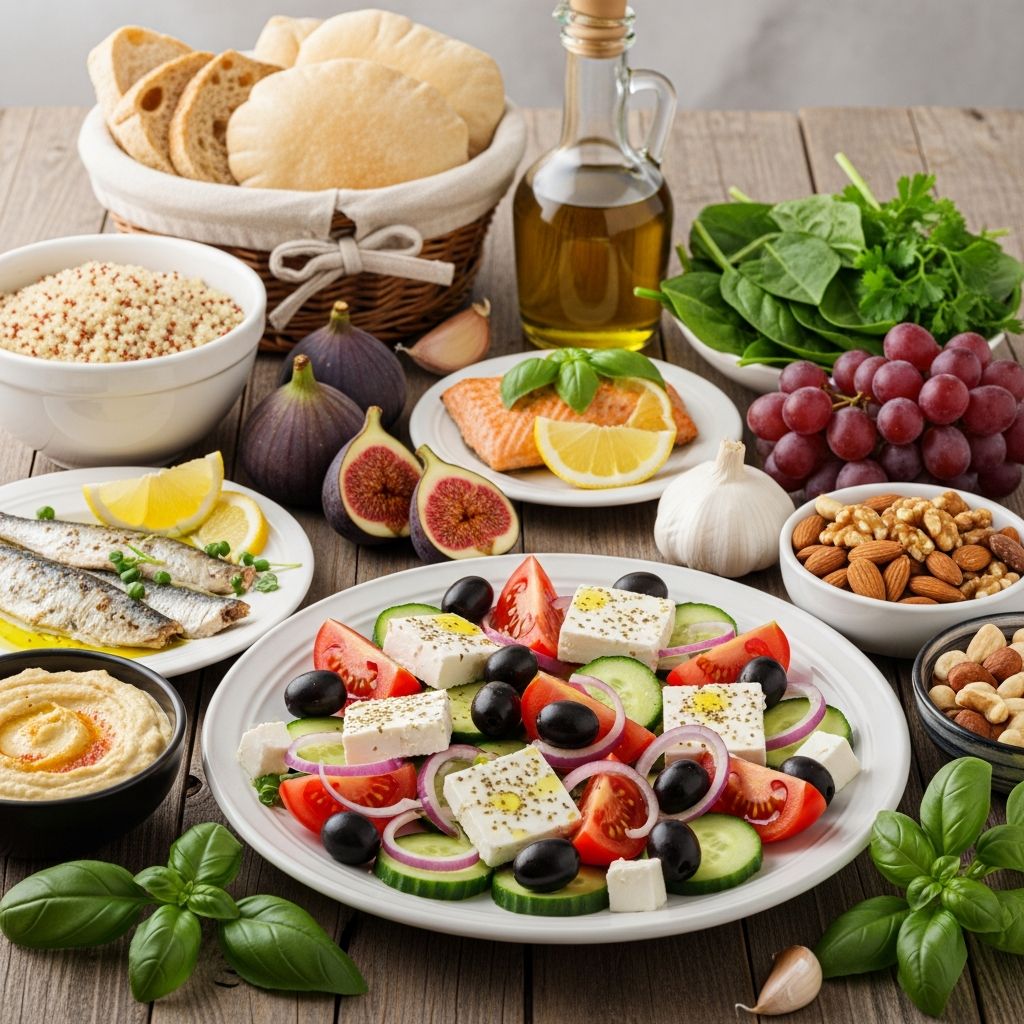
The Mediterranean diet is a way of eating that emphasizes plant-based foods and healthy fats, inspired by the traditional eating patterns of people living in countries surrounding the Mediterranean Sea. Rather than following strict formulas or rigid calculations, this dietary approach focuses on overall eating patterns and lifestyle choices. The Mediterranean diet prioritizes vegetables, fruits, whole grains, legumes, nuts, and extra virgin olive oil as the main source of fat, while allowing for moderate consumption of fish, poultry, eggs, and dairy products.
What makes this diet unique is its flexibility and sustainability. Unlike restrictive diets that require precise calorie counting, the Mediterranean approach encourages you to think of eating as a lifestyle rather than a short-term diet plan. It’s really about filling your diet with single-ingredient foods that offer tremendous nutritional benefit. Research shows that people living in the seven countries around the Mediterranean Sea eat very similar foods and have significantly fewer health problems compared to those following typical Western diets.
Core Components of the Mediterranean Diet
The Mediterranean diet is built upon several key components that work together synergistically to support your health:
Plant-Based Foods as the Foundation
The cornerstone of the Mediterranean diet is plant-based nutrition. You should aim for 2 to 3 servings of fruits daily and 4 or more servings of vegetables per day. One serving of fruit equals one medium piece of fruit or one cup of cut fruit, while one serving of vegetables equals two cups of leafy vegetables, one cup of raw vegetables, or half a cup of cooked vegetables. If this amount sounds challenging initially, remember that some is better than none, and you can gradually increase your intake.
Whole Grains and Starchy Vegetables
Whole grains are essential to the Mediterranean diet. Choose minimally processed whole-grain foods like oats, quinoa, barley, brown rice, and wild rice rather than refined grains. Processing grains strips them of their outer layers, and chemicals or heat used in processing destroy most of their nutritional benefits. Your goal is three to six servings per day of whole grains or starchy vegetables, where one serving equals half a cup of cooked starchy vegetables, one-third cup of cooked pasta or rice, a slice of whole-grain bread, or one ounce of dry cereal. Starchy vegetables to include are potatoes, corn, peas, and winter squash, though you should limit their consumption compared to non-starchy vegetables.
Healthy Fats and Olive Oil
Extra virgin olive oil is the primary source of fat in the Mediterranean diet. Unlike regular olive oil, extra virgin olive oil is manufactured differently and contains significantly more antioxidants. These antioxidants help protect your cells from damage, thereby protecting your heart and brain while reducing inflammation throughout your body. The diet emphasizes plant-based fats while limiting saturated fats, which contributes to its cardiovascular benefits.
Foods to Eat Often
Fish and Seafood
Fish is a foundational source of protein in the Mediterranean diet. The recommended goal is three servings per week, with one serving equal to 3 to 4 ounces (approximately the size of a standard deck of cards). Any type of fish can play a beneficial role, but fish high in omega-3 fatty acids have been specifically shown to suppress inflammation and provide superior cardiovascular benefits. Incorporating fish regularly into your meals provides essential nutrients while supporting heart health.
Related Stories



Poultry
Poultry, particularly skinless white-meat chicken and turkey, serves as the second preferred choice of protein after fish. When selecting poultry, always choose white meat without the skin to minimize saturated fat intake. One serving equals 3 ounces, approximately the size of a deck of cards. Poultry provides lean protein that supports muscle health while fitting perfectly into the Mediterranean eating pattern.
Plant-Based Proteins
Beans and legumes form another crucial protein source in the Mediterranean diet. These plant-based proteins are rich in fiber, vitamins, and minerals, making them nutritionally dense additions to your meals. They can be incorporated into soups, salads, side dishes, and main courses throughout the week.
Eggs and Dairy
Eggs and dairy products are consumed in moderate amounts. These foods provide additional protein, calcium, and other essential nutrients but should not dominate your protein intake. The emphasis remains on fish and plant-based proteins rather than excessive dairy consumption.
Foods to Limit or Avoid
Red Meat
Red meat consumption should be significantly reduced in the Mediterranean diet. If you have progressive heart disease, it’s advisable to scale way back on red meat entirely. However, if you’re following the Mediterranean diet for overall heart health, red meat can be included in moderation. Aim for no more than a single 3-ounce serving per week, and when you do eat red meat, choose lean cuts such as tenderloin, sirloin, and flank steak. Replace beef, pork, veal, and lamb with fish, poultry, and plant-based proteins as your primary protein sources.
Processed Grains and Refined Foods
Processed grains like white bread, white rice, crackers, pretzels, and pastries should be replaced with healthier whole-grain options. The processing of these foods strips away their nutritional value and introduces unhealthy additives. Additionally, limit processed meats, sugary foods, and refined carbohydrates, as they increase inflammation and cardiovascular risk.
Added Sugars and Unhealthy Fats
The Mediterranean diet discourages excessive consumption of added sugars and unhealthy saturated and trans fats. These foods contribute to weight gain, inflammation, and chronic disease risk. Focus instead on whole, minimally processed foods that provide genuine nutritional benefit.
Plate Balance and Portion Control
A practical approach to following the Mediterranean diet involves balancing your plate appropriately. A healthy Mediterranean meal includes approximately half a plate of non-starchy vegetables and fruit, a quarter plate of 100% whole grains, and a quarter plate of lean protein. This visual guide ensures you’re getting adequate nutrients while maintaining appropriate portions without the need for precise measurements.
Health Benefits of the Mediterranean Diet
Cardiovascular Health
The most well-documented benefit of the Mediterranean diet is its positive impact on heart health. The diet has been scientifically shown to be the healthiest diet for your heart among major health diets. Research trials have proven the diet’s cardiovascular benefits, with studies showing a dramatic reduction in subsequent cardiovascular events for those following Mediterranean eating patterns compared to Western diets. The Lyon trial randomized patients after a myocardial infarction to either a Mediterranean diet or a prudent Western diet and found that those on the Mediterranean diet experienced significant reduction in subsequent cardiovascular events.
Brain Function and Cognitive Health
Beyond cardiovascular benefits, the Mediterranean diet is also associated with better brain function. The emphasis on plant-based foods, omega-3 fatty acids from fish, and antioxidants from fruits and vegetables supports cognitive health and may reduce the risk of neurodegenerative diseases.
Blood Sugar Regulation
The Mediterranean diet helps maintain stable blood sugar levels through its emphasis on whole grains, fiber-rich vegetables, and legumes. This benefit is particularly valuable for individuals managing diabetes or prediabetes, as the low glycemic index foods included in this diet help prevent rapid blood sugar spikes.
Metabolic Health and Weight Management
The Mediterranean diet has been shown to be effective in improving insulin sensitivity and reducing metabolic syndrome risk. Additionally, this eating style has many health benefits, including weight loss and an improved microbiome through increased consumption of fiber and nutrient-dense foods.
Cancer Prevention
The Mediterranean diet is associated with a lower risk of certain cancers. The abundance of antioxidants from fruits, vegetables, nuts, and olive oil, combined with reduced consumption of processed meats and saturated fats, contributes to this protective effect.
Longevity and Overall Wellness
The combination of all these benefits contributes to increased longevity and overall wellness. The Mediterranean diet works by providing an ideal blend of nutrients that harmonize to support your health. Think of it like a choir where many voices must come together to create the full effect. No single food or ingredient is responsible for the Mediterranean diet’s benefits. Instead, the diet is healthy because of the synergistic combination of nutrients it provides.
How to Get Started with the Mediterranean Diet
Transitioning Gradually
Rather than making drastic changes overnight, consider transitioning gradually to the Mediterranean diet. Begin by incorporating more fruits and vegetables into your meals, replacing processed grains with whole grains, and adding fish to your weekly meal plan. This gradual approach increases the likelihood of long-term success and sustainability.
Working with a Dietitian
A registered dietitian can help you customize the Mediterranean diet to suit your individual needs, medical history, underlying conditions, allergies, and personal preferences. Professional guidance ensures you’re getting adequate nutrition while addressing any specific health concerns.
Grocery Shopping Strategy
When planning a grocery store trip, focus on buying single-ingredient whole foods. Stock your cart with fresh vegetables, fruits, whole grains, legumes, nuts, extra virgin olive oil, and fish. Minimize your time in the processed foods aisles, and read labels carefully to avoid hidden added sugars and unhealthy fats.
Frequently Asked Questions
Q: Is the Mediterranean diet expensive to follow?
A: While some Mediterranean staples like extra virgin olive oil and fresh fish can be pricier, many components such as seasonal vegetables, legumes, and whole grains are affordable. Shopping seasonally and buying in bulk can help reduce costs.
Q: Can I follow the Mediterranean diet if I’m vegetarian or vegan?
A: Yes, the Mediterranean diet is naturally flexible and can be adapted for vegetarian eating. Simply replace fish and poultry with additional plant-based proteins like legumes, nuts, seeds, and whole grains while maintaining the emphasis on vegetables, fruits, and olive oil.
Q: How quickly will I see health benefits from the Mediterranean diet?
A: Some benefits like improved digestion and energy levels may be noticed within weeks, while cardiovascular improvements and weight loss typically take several months of consistent adherence. The key is viewing this as a long-term lifestyle change rather than a short-term diet.
Q: Does the Mediterranean diet restrict calories?
A: The Mediterranean diet focuses on food quality and types rather than strict calorie counting. However, portion control remains important. Most people naturally consume appropriate calories when eating nutrient-dense whole foods.
Q: Are there any downsides to the Mediterranean diet?
A: The Mediterranean diet has no discernible downsides and offers many positive benefits. Any small step toward this way of eating is a step in the right direction for improving your health.
Conclusion
The Mediterranean diet represents more than just a meal plan; it’s a comprehensive lifestyle approach to eating that has been validated by extensive scientific research. By emphasizing plant-based foods, healthy fats, whole grains, and moderate fish consumption while limiting red meat and processed foods, you can significantly improve your cardiovascular health, cognitive function, metabolic health, and overall longevity. The flexibility of this diet makes it sustainable for most people, and its proven benefits make it an excellent choice for anyone seeking to improve their health through better nutrition.
References
- The Mediterranean Diet MC6815 — Mayo Clinic. 2024. https://mcforms.mayo.edu/mc6800-mc6899/mc6815.pdf
- Mediterranean Diet: Food List & Meal Plan — Cleveland Clinic. 2024. https://my.clevelandclinic.org/health/articles/16037-mediterranean-diet
- How To Follow the Mediterranean Diet — Cleveland Clinic Health. 2024. https://health.clevelandclinic.org/how-to-get-started-on-the-mediterranean-diet-aka-the-healthiest-diet-for-your-heart
- The End of the Diet Debates? All Fats and Carbs Are Not Created Equal — Cleveland Clinic Journal of Medicine. 2005. https://www.ccjm.org/content/ccjom/72/10/946.full.pdf
- Mediterranean Diet and Protein-Sparing Modified Diet for Metabolic Syndrome — ClinicalTrials.gov. 2024. https://www.clinicaltrials.gov/study/NCT02174783
- Americans Cite Cost of Healthy Food as Biggest Barrier to a Heart-Healthy Diet — Demand Deborah. 2024. https://demanddeborah.org/articles/americans-cite-cost-of-healthy-food-as-biggest-barrier-to-a-heart-healthy-diet-according-to-cleveland-clinic-survey/
Similar Articles








Read full bio of Sneha Tete