Mediterranean Diet Vs Keto Diet: Benefits, Risks, Best Choice
Discover the key differences between the Mediterranean and keto diets, including their benefits, food lists, sustainability, and which may suit you best for long-term health.
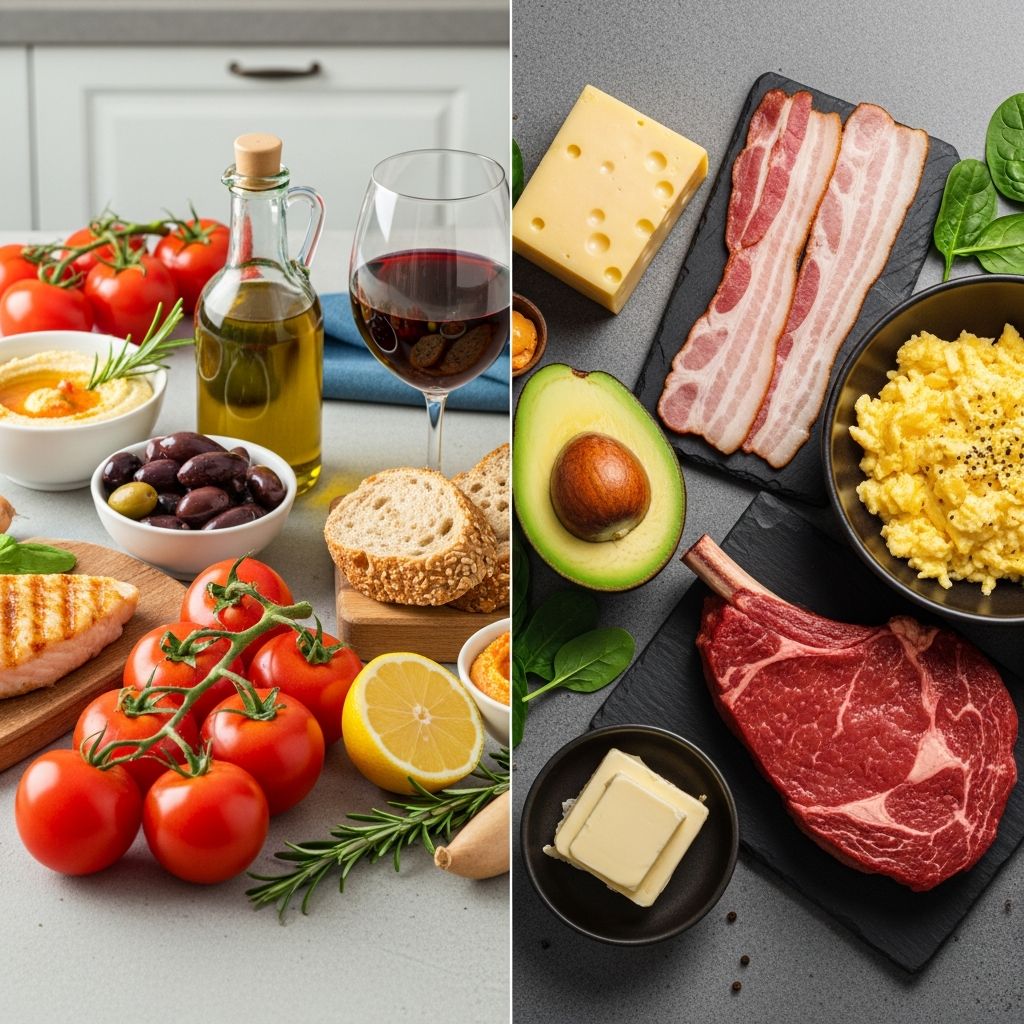
The Mediterranean diet and the ketogenic (keto) diet are two of the most popular eating patterns today, each offering unique approaches to nutrition, weight management, and overall health. The Mediterranean diet emphasizes whole, plant-based foods, healthy fats, and moderate portions inspired by traditional eating habits in countries bordering the Mediterranean Sea. In contrast, the keto diet is a high-fat, very low-carbohydrate plan designed to shift the body into ketosis, where it burns fat for fuel instead of glucose.
While both diets prioritize healthy fats and limit added sugars, they differ significantly in carbohydrate intake, food variety, and long-term sustainability. This article breaks down their macronutrient profiles, allowed foods, health benefits, potential risks, weight loss effectiveness, and more to help you decide which might be right for your lifestyle.
What Is the Mediterranean Diet?
The Mediterranean diet is not a strict regimen but a flexible eating pattern modeled after the diets of people in Greece, Italy, and other Mediterranean regions during the mid-20th century. It focuses on fresh, seasonal foods like vegetables, fruits, whole grains, legumes, nuts, olive oil, fish, and moderate amounts of dairy, poultry, and red wine. Red meat and processed foods are limited.
Research links this diet to reduced risks of heart disease, diabetes, and certain cancers due to its emphasis on anti-inflammatory foods rich in fiber, antioxidants, and monounsaturated fats. It’s ranked as the top overall diet by U.S. News & World Report for its ease of following and evidence-based benefits.
Macronutrient Breakdown for Mediterranean Diet
- Carbohydrates: 45-55% of daily calories, primarily from whole grains, fruits, vegetables, and legumes.
- Fats: 30-40%, mostly from olive oil, nuts, seeds, and fatty fish.
- Protein: 15-20%, from fish, poultry, eggs, dairy, and plant sources like beans.
This balanced macro profile supports steady energy levels and gut health through high fiber intake.
Foods to Eat on the Mediterranean Diet
- Vegetables (leafy greens, tomatoes, broccoli, peppers)
- Fruits (berries, apples, citrus, grapes)
- Whole grains (oats, barley, quinoa, brown rice)
- Legumes (lentils, chickpeas, beans)
- Healthy fats (extra-virgin olive oil, avocados, nuts, seeds)
- Fish and seafood (salmon, sardines, shrimp) at least twice weekly
- Poultry, eggs, and moderate dairy (Greek yogurt, feta cheese)
- Herbs, spices, and moderate red wine
Foods to Limit or Avoid
- Red meat (occasional lean cuts)
- Processed foods, sugary drinks, and sweets
- Refined grains (white bread, pasta)
- Trans fats and excessive saturated fats
What Is the Keto Diet?
The ketogenic diet, or keto, is a therapeutic eating plan developed in the 1920s to treat epilepsy by mimicking fasting through extreme carb restriction. Modern keto focuses on high-fat intake (70-80% of calories) with moderate protein (15-20%) and very low carbs (5-10%, or 20-50g net carbs daily) to induce ketosis—a metabolic state where the liver produces ketones from fat for energy.
It’s popular for rapid weight loss but requires strict tracking, which can be challenging. Short-term benefits include appetite suppression and fat burning, but long-term adherence is low due to restrictions.
Related Stories



Macronutrient Breakdown for Keto Diet
- Carbohydrates: 5-10% (20-50g/day, focusing on net carbs after subtracting fiber).
- Fats: 70-80%, from sources like butter, oils, cheese, and fatty meats.
- Protein: 15-20%, moderate to avoid gluconeogenesis (converting protein to glucose).
This forces the body to deplete glycogen stores and switch to fat metabolism.
Foods to Eat on the Keto Diet
- Meats (beef, pork, bacon, poultry)
- Fatty fish (salmon, mackerel)
- Eggs
- High-fat dairy (butter, heavy cream, full-fat cheese)
- Low-carb vegetables (spinach, kale, broccoli, zucchini)
- Nuts and seeds (in moderation: almonds, macadamias)
- Healthy fats (avocado, olive oil, coconut oil, MCT oil)
- Sweeteners like stevia (no sugar)
Foods to Limit or Avoid
- Grains and starches (bread, pasta, rice)
- Most fruits (except berries in small amounts)
- Starchy vegetables (potatoes, corn)
- Legumes (beans, lentils)
- Sugary foods and drinks
- High-carb sauces and dressings
Mediterranean Diet vs. Keto: A Side-by-Side Comparison
Both diets share common ground in promoting healthy fats, vegetables, nuts, and reduced sugar, but diverge sharply on carbs and flexibility.
| Aspect | Mediterranean Diet | Keto Diet |
|---|---|---|
| Carb Intake | High (45-55%, whole sources) | Very low (5-10%, <50g/day) |
| Flexibility | High—lifestyle, not rules | Low—strict tracking required |
| Sustainability | Excellent for long-term | Short-term; hard to maintain |
| Focus Foods | Plants, grains, fish, olive oil | Fats, meats, cheese, low-carb veggies |
| Ketosis | No | Yes—primary goal |
Health Benefits of the Mediterranean Diet
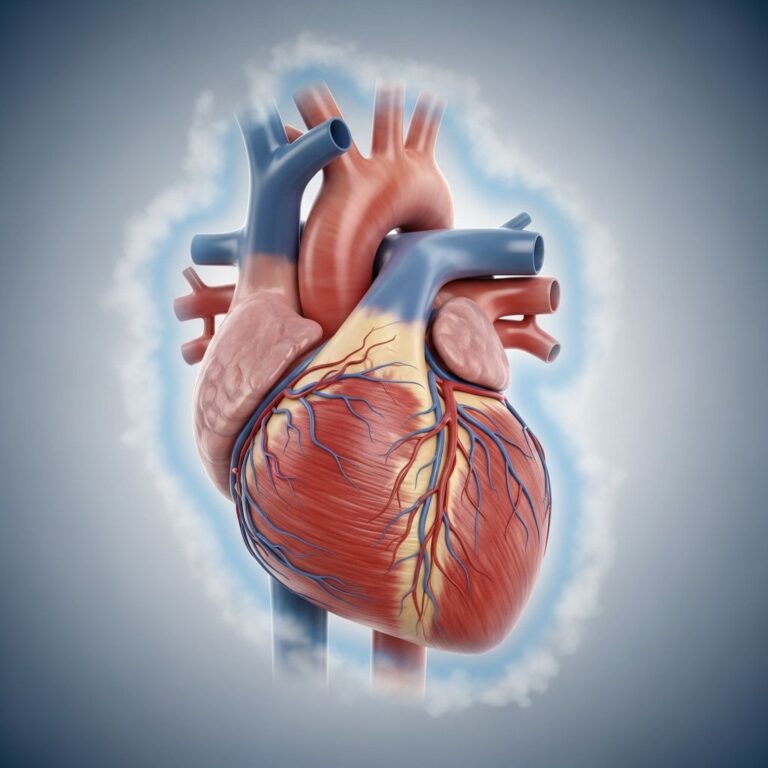
The Mediterranean diet excels in cardiovascular health, with studies showing 30% lower heart disease risk due to olive oil’s monounsaturated fats and omega-3s from fish. It also aids blood sugar control, reduces inflammation, supports brain health, and promotes longevity. A landmark PREDIMED trial confirmed fewer strokes and heart attacks.
- Improved cholesterol (higher HDL, lower LDL).
- Better gut microbiome from fiber-rich foods.
- Weight management through satiety and portion control.
Health Benefits of the Keto Diet
Keto shines for quick weight loss, epilepsy management, and potential benefits in type 2 diabetes by stabilizing blood sugar. It may enhance focus during ketosis and reduce triglycerides.
- Rapid fat loss via ketosis.
- Appetite suppression from high fat/protein.
- Improved insulin sensitivity short-term.
Potential Downsides and Risks
Mediterranean Diet Risks
- Requires cooking fresh meals.
- Higher carb intake may not suit all (e.g., insulin resistance).
Keto Diet Risks
- Keto flu: Fatigue, headaches during adaptation.
- Nutrient deficiencies (fiber, vitamins from fruits/grains).
- Possible LDL cholesterol rise; kidney strain from high protein.
- Unsustainable—weight regain common upon stopping.
Weight Loss: Mediterranean vs. Keto
Keto often yields faster initial loss (mostly water weight), but Mediterranean supports sustainable loss. A study showed similar fat reduction, but Mediterranean had better adherence over years. Long-term, Mediterranean prevents weight regain better due to flexibility.
Which Is Better for Heart Health?
Mediterranean wins for heart health, lowering cardiovascular events. Keto may raise LDL in some, despite triglyceride drops.
Sustainability and Adherence
Mediterranean is easier long-term—no tracking needed. Keto’s restrictions lead to dropout rates over 50% after months.
Cost and Practicality
Mediterranean: Affordable with seasonal produce. Keto: Expensive (avocados, nuts, specialty items).
Who Should Choose Each Diet?
- Mediterranean: Most people seeking sustainable health, families, long-term weight control.
- Keto: Short-term weight loss, epilepsy, under medical supervision.
Frequently Asked Questions
Can you combine Mediterranean and keto principles?
Yes, a “keto-Mediterranean” hybrid emphasizes keto fats with Mediterranean veggies and fish, but monitor carbs closely.
Is keto safe long-term?
Limited evidence; risks include deficiencies and cholesterol issues. Consult a doctor.
Does Mediterranean allow bread?
Yes, whole-grain in moderation.
How long to see keto results?
Ketosis in 2-4 days; weight loss in weeks.
Which is better for diabetes?
Both help, but Mediterranean for sustained control.
References
- Mediterranean Diet vs. Keto: What’s the Difference? — Kroma Wellness. 2023. https://www.kromawellness.com/blogs/news/mediterranean-diet-vs-keto-what-s-the-difference
- Mediterranean Diet vs. Keto: Which Is Better? — Healthline. 2023-10-12. https://www.healthline.com/nutrition/mediterranean-diet-vs-keto
- Healthy Diets: Comparing Paleo, Keto and Mediterranean — APU Edge. 2022. https://apuedge.com/healthy-diets-comparing-paleo-keto-and-mediterranean/
- How to Transition from the Keto Diet to the Mediterranean Diet — Sarah Lynn Nutrition. 2023. https://www.sarahlynnnutrition.com/transitioning-keto-to-mediterranean-diet/
- Mediterranean Diet versus Very Low-Calorie Ketogenic Diet — PMC (National Library of Medicine). 2022-10-06. https://pmc.ncbi.nlm.nih.gov/articles/PMC9603454/
Similar Articles








Read full bio of medha deb