Top Mediterranean Foods for Better Blood Pressure
Discover nutrient-rich Mediterranean foods that naturally lower blood pressure and support heart health.
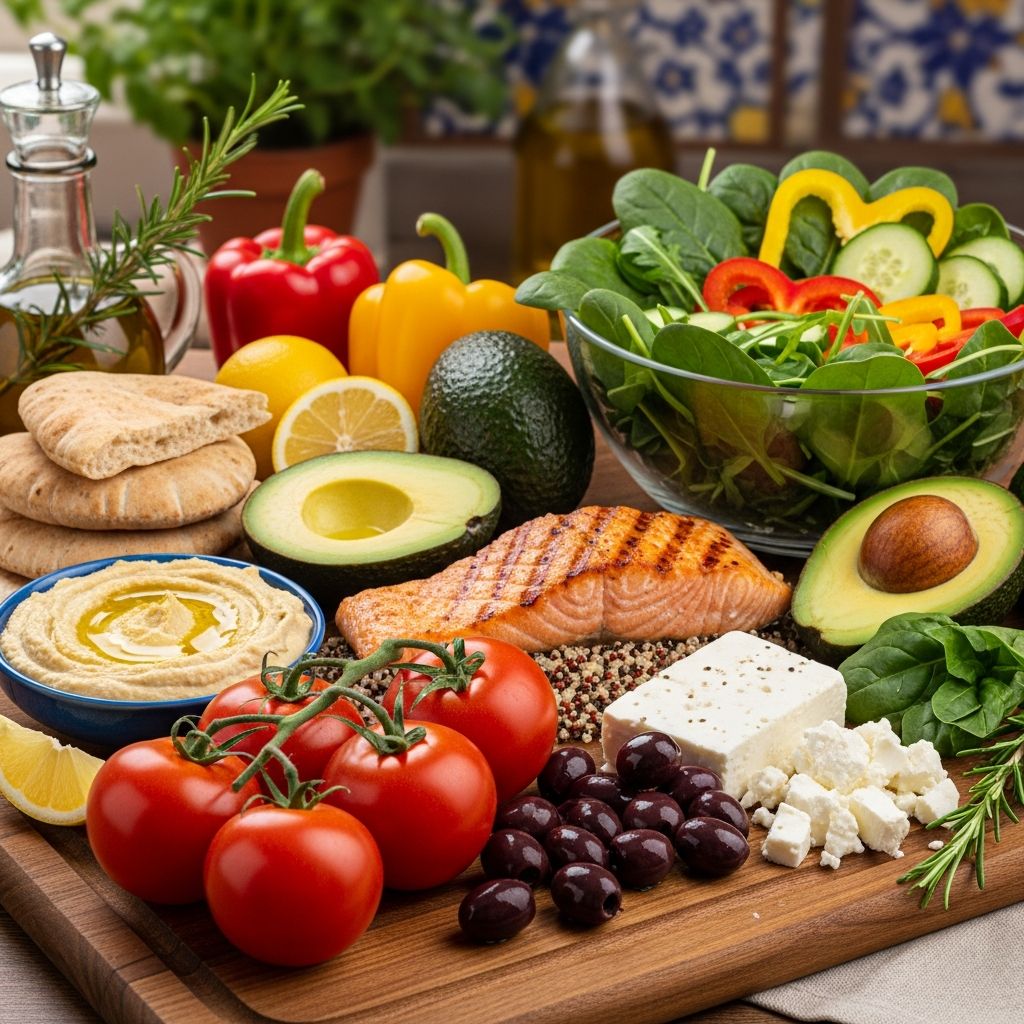
High blood pressure, or hypertension, affects millions of people worldwide and is a leading risk factor for cardiovascular disease and all-cause mortality. While medication plays an important role in managing hypertension, dietary choices can significantly influence blood pressure levels. The Mediterranean diet, which emphasizes whole foods, healthy fats, and plant-based nutrition, has emerged as one of the most effective dietary patterns for naturally reducing blood pressure. Research demonstrates that individuals following a Mediterranean diet can lower their systolic blood pressure by 5–13 mm Hg, particularly when combined with lifestyle modifications such as exercise and stress management.
Understanding the Mediterranean Diet and Blood Pressure
The Mediterranean diet is not a restrictive or calorie-obsessed eating plan. Instead, it focuses on enjoying a variety of nutrient-rich foods that naturally promote satiety and long-term health. This dietary pattern is characterized by its emphasis on foods rich in potassium, magnesium, fiber, and antioxidants—nutrients that play crucial roles in supporting vascular function and reducing arterial stiffness. The diet’s naturally low sodium content further helps balance fluid levels and reduce pressure on the cardiovascular system.
Unlike fad diets, the Mediterranean diet supports healthy aging and can help prevent chronic diseases. The American Heart Association (AHA) has endorsed this eating pattern as a proven heart-healthy approach, highlighting its benefits for lowering blood pressure, LDL cholesterol, and stroke risk, especially when combined with physical activity and other lifestyle changes.
Olive Oil: The Foundation of Blood Pressure Control
Extra virgin olive oil stands as a cornerstone of the Mediterranean diet and is particularly powerful for blood pressure management. This foundational ingredient is rich in monounsaturated fats, which help lower LDL (“bad”) cholesterol while maintaining HDL (“good”) cholesterol, thereby reducing cardiovascular disease risk. The health benefits of olive oil extend beyond basic fat composition.
Recent scientific studies have reported a remarkable vasoprotective effect of polyphenols present in olive oil on blood pressure. These compounds work by increasing endothelial synthesis of nitric oxide and the response mediated by the endothelium-derived hyperpolarization factor, which helps relax blood vessels and improve circulation. Research from the landmark PREDIMED study found that people following a Mediterranean diet enriched with extra virgin olive oil had a 30% lower risk of major cardiovascular events.
For optimal blood pressure benefits, aim to use extra virgin olive oil as your primary cooking fat and salad dressing base. A typical recommendation is to incorporate 2–3 tablespoons of olive oil daily into your meals.
Leafy Greens and Potassium-Rich Vegetables
Vegetables, particularly leafy greens, are nutritional powerhouses for blood pressure management. Vegetables like spinach, kale, and Swiss chard are high in potassium, magnesium, and nitrates—nutrients that work synergistically to help relax blood vessels, lower blood pressure, and enhance circulation. These minerals play a key role in keeping arteries elastic and blood pressure in check.
Beyond leafy greens, other vegetables deserve prominent placement on your plate. Beets contain natural nitrates that support vascular function, while sweet potatoes provide both potassium and magnesium. Dark-colored vegetables such as beets, tomatoes, and spinach contain polyphenols and antioxidants that protect cells from oxidative stress and help reduce arterial inflammation and prevent plaque formation. To maximize antioxidant benefits, look for deep hues in your vegetable selections.
Aim to fill half your plate with vegetables at lunch and dinner. Include at least one serving of leafy greens daily and experiment with a variety of colorful vegetables to ensure you’re obtaining a broad spectrum of beneficial compounds.
Legumes and Whole Grains for Fiber and Nutrients
Legumes—including beans, lentils, and chickpeas—are staple foods in the Mediterranean diet and offer exceptional benefits for blood pressure control. These foods are excellent sources of soluble fiber, which helps reduce LDL cholesterol by binding to cholesterol in the digestive tract and preventing its absorption. Additionally, the high fiber content in legumes supports healthy digestion and contributes to satiety, which aids in weight control—an essential factor for heart health and blood pressure management.
Whole grains such as oats, brown rice, and quinoa complement legumes beautifully in a blood pressure-friendly diet. Oats, in particular, are renowned for their soluble fiber content and cholesterol-lowering properties. When combined with the nutrient density of whole grains, the Mediterranean diet’s balance of healthy fats and plant-based foods has been shown in numerous studies to lower LDL without medication.
Include legumes in at least three meals per week—whether as the main protein source, mixed into salads, or blended into soups and dips. Aim for at least three servings of whole grains daily.
Fish and Omega-3 Fatty Acids
Fatty fish such as salmon, sardines, mackerel, and anchovies are central to the Mediterranean diet and provide exceptional cardiovascular benefits. These fish are rich in omega-3 fatty acids, which have powerful anti-inflammatory properties and support healthy triglyceride levels—a key component of cardiovascular health. Omega-3 rich fish consumption is associated with improvements in endothelial function and reduced inflammation, both of which contribute to lower blood pressure.
The anti-inflammatory properties of fatty fish come from their omega-3 content, which helps calm the immune response and protect arteries from damage and cardiovascular complications. Eating more omega-3-rich fish while cutting back on refined carbs can lower triglycerides effectively.
Aim to include fatty fish in your diet at least two to three times per week. A typical serving size is 3–4 ounces. If you prefer plant-based sources of omega-3s, walnuts and flaxseeds offer vegetarian alternatives, though they contain a different form of omega-3 (ALA) that the body must convert.
Nuts and Seeds: Portable Heart-Health Snacks
Nuts and seeds are nutrient-dense foods that fit seamlessly into a Mediterranean eating pattern. Walnuts, almonds, hazelnuts, and other nuts provide healthy monounsaturated and polyunsaturated fats, along with fiber, magnesium, and polyphenols. A small handful of walnuts or almonds makes an excellent snack that offers healthy fats, fiber, and nutrients without added sugar or sodium.
Seeds such as sunflower seeds, pumpkin seeds, and flax seeds contribute similar nutritional benefits and can be sprinkled over salads, mixed into yogurt, or eaten as standalone snacks. The PREDIMED study specifically highlighted the cardiovascular benefits of nuts, finding that participants consuming a Mediterranean diet enriched with mixed nuts had 30% lower risk of major cardiovascular events.
Include a small handful (about 1 ounce or 23 almonds) of nuts as a daily snack. For seeds, aim for 1–2 tablespoons daily mixed into meals or eaten independently.
Colorful Fruits and Berries
Fruits, particularly berries, are loaded with polyphenols and antioxidants that support cardiovascular health and blood pressure management. Berries such as blueberries, strawberries, and blackberries are especially rich in anthocyanins and other flavonoids that reduce arterial inflammation and prevent plaque formation. These compounds also support vascular function and endothelial health.
Other Mediterranean fruits including apples, grapes, and citrus fruits provide additional fiber and micronutrients that support heart health. Apples and Brussels sprouts are particularly notable for their soluble fiber content, which helps reduce LDL cholesterol.
Include one to two servings of fruit daily as part of your Mediterranean eating pattern. Fresh berries work well as snacks or added to breakfast, while other fruits can be incorporated into salads, desserts, or eaten fresh.
Herbs and Spices for Anti-Inflammatory Benefits
The Mediterranean diet makes generous use of fresh and dried herbs and spices, which provide potent anti-inflammatory benefits without adding sodium. Herbs such as oregano, basil, thyme, and rosemary contain polyphenols that support cardiovascular health. These flavorful additions allow you to reduce salt in your cooking while enhancing taste and nutritional value.
By incorporating herbs and spices liberally into your meals, you support the diet’s anti-inflammatory properties—chronic inflammation damages arterial walls and contributes to plaque buildup, a precursor to atherosclerosis. The Mediterranean diet’s anti-inflammatory properties come from antioxidants, omega-3 fatty acids, and polyphenols in plant-based foods, herbs, and spices.
Use fresh herbs when available and don’t hesitate to use dried herbs generously in soups, stews, grilled vegetables, and lean proteins. This simple habit significantly enhances the diet’s therapeutic benefits.
Key Blood Pressure Nutrients in Mediterranean Foods
Understanding the specific nutrients that lower blood pressure helps you make informed food choices. The Mediterranean diet naturally provides several critical minerals and compounds:
- Potassium: Helps counteract sodium’s effects and relaxes blood vessel walls. Found abundantly in leafy greens, legumes, and sweet potatoes.
- Magnesium: Supports vascular function and helps regulate blood pressure. Present in nuts, seeds, whole grains, and leafy greens.
- Fiber: Supports healthy cholesterol levels and weight management. Found in whole grains, legumes, fruits, and vegetables.
- Antioxidants and Polyphenols: Reduce inflammation and protect arterial walls. Abundant in colorful vegetables, berries, olive oil, and herbs.
- Omega-3 Fatty Acids: Provide anti-inflammatory benefits and support triglyceride management. Found in fatty fish, walnuts, and flaxseeds.
Practical Tips for Implementing the Mediterranean Diet
Transitioning to a Mediterranean eating pattern doesn’t require drastic changes. Start by making gradual substitutions: replace butter with olive oil, choose whole grains over refined grains, and add an extra serving of vegetables to each meal. When you need a snack, choose sliced cucumbers dipped in hummus—a combination that offers healthy fats, fiber, and nutrients without added sugar or sodium.
The Mayo Clinic Diet’s Mediterranean meal plan is specifically designed for people with or at risk of hypertension, high cholesterol, or heart disease. This evidence-based approach features sodium levels averaging 1500 mg per day, making it ideal for those managing hypertension. This sodium reduction is particularly important, as the diet’s low sodium content helps balance fluids and reduce pressure on the cardiovascular system.
Frequently Asked Questions
Q: How quickly will I see blood pressure improvements from the Mediterranean diet?
A: Research shows that following a Mediterranean diet can lower systolic blood pressure within 3–6 months, with effects potentially continuing to improve with longer adherence. The degree of improvement depends on individual factors and baseline blood pressure levels.
Q: Can I follow the Mediterranean diet if I’m allergic to fish?
A: Yes. While fish is beneficial, you can obtain omega-3 fatty acids from plant-based sources such as walnuts, flaxseeds, and chia seeds. Legumes, nuts, and seeds also provide essential nutrients for blood pressure management.
Q: Is the Mediterranean diet expensive?
A: Not necessarily. Legumes, seasonal vegetables, whole grains, and nuts are typically affordable. Buying seasonal produce and choosing store brands can further reduce costs while maintaining nutritional quality.
Q: Do I need to eliminate all salt from my diet on the Mediterranean diet?
A: Not completely, but the Mediterranean approach emphasizes reducing sodium while flavoring food with herbs, spices, and natural ingredients. Aim for the recommended daily sodium intake of 1500 mg or less for blood pressure management.
Q: Can the Mediterranean diet help with other health conditions besides blood pressure?
A: Yes. Research indicates the Mediterranean diet supports healthy blood sugar levels, reduces cholesterol, supports better sleep quality, and may lower cancer risk due to its richness in fiber, healthy fats, and anti-inflammatory foods.
References
- Mediterranean Diet for Heart Health: Lower Blood Pressure, LDL, and Stroke Risk — Mayo Clinic Diet. 2025. https://diet.mayoclinic.org/us/blog/2025/mediterranean-diet-for-heart-health-lower-blood-pressure-ldl-and-stroke-risk/
- Influence of Mediterranean Diet on Blood Pressure — National Center for Biotechnology Information (NCBI), National Institutes of Health. 2019. https://pmc.ncbi.nlm.nih.gov/articles/PMC6266047/
- Mediterranean Diet: Foods to Eat, Health Benefits and How to Get Started — UC Davis Health. 2024. https://health.ucdavis.edu/blog/good-food/mediterranean-diet-foods-to-eat-health-benefits-and-how-to-get-started/
Similar Articles






Read full bio of Sneha Tete