Mefenamic Acid for Pain and Inflammation (Ponstan)
Comprehensive guide to using mefenamic acid (Ponstan) for relieving period pain, heavy periods, and short-term inflammation.
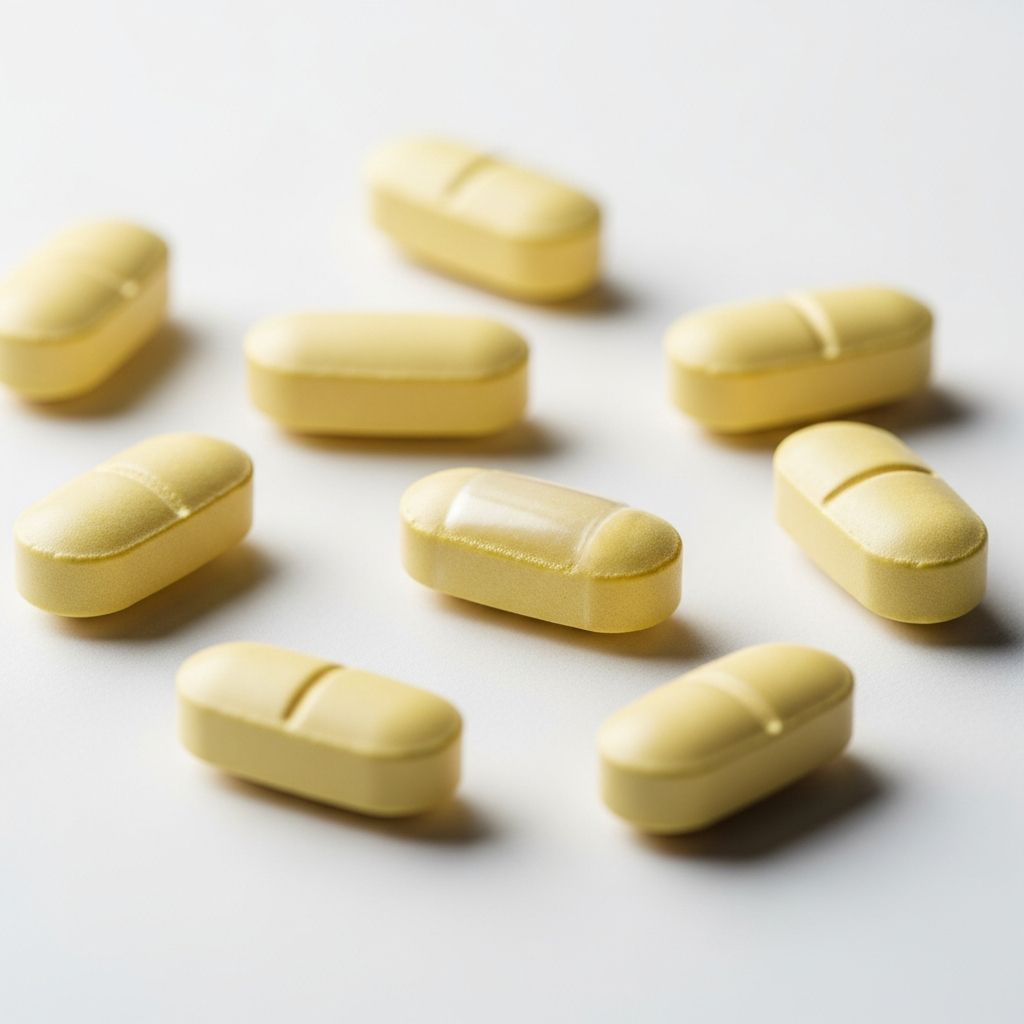
Mefenamic acid, commonly known by the brand name
Ponstan
, is a non-steroidal anti-inflammatory drug (NSAID) used for short-term relief of mild to moderate pain and inflammation. It works by reducing hormones that cause pain and swelling in the body, making it particularly effective for menstrual pain and heavy periods.About mefenamic acid tablets
Mefenamic acid tablets, such as Ponstan, belong to a group of medicines called NSAIDs. They help ease pain and inflammation by blocking the production of prostaglandins, chemicals in the body that promote inflammation, pain, and fever. Unlike some other painkillers, mefenamic acid is specifically indicated for short-term use, typically no longer than 7 days, to minimize risks.
Available in 250 mg capsules or tablets, Ponstan is taken orally with food or milk to reduce stomach upset. It is not suitable for long-term use due to potential serious side effects on the stomach, heart, kidneys, and liver.
Key facts about mefenamic acid
- Mefenamic acid starts working within 30 minutes, with peak effects in 2-4 hours.
- Commonly used for period pain (dysmenorrhea) and heavy menstrual bleeding (menorrhagia).
- Not recommended for children under 14 years or for use longer than 7 days.
- May cause drowsiness; avoid driving or operating machinery if affected.
- Drink plenty of fluids to prevent kidney issues.
Always follow the prescribed dose, as higher doses or prolonged use increase risks of serious complications.
Before taking mefenamic acid
Who can and cannot take mefenamic acid tablets
Mefenamic acid is suitable for most adults over 14 years experiencing short-term pain. However, do not take it if you:
- Are allergic to mefenamic acid, aspirin, other NSAIDs, or any ingredients.
- Have or have had a stomach ulcer, bleeding, or perforation.
- Have severe heart failure, kidney, or liver disease.
- Are pregnant (especially last 3 months) or breastfeeding.
- Have uncontrolled high blood pressure or certain heart conditions.
Inform your doctor if you have asthma, inflammatory bowel disease, or a history of gastrointestinal issues, as NSAIDs can worsen these.
Other medicines and mefenamic acid
Mefenamic acid can interact with many drugs. Tell your doctor if you take:
- Other NSAIDs, aspirin, or painkillers like ibuprofen.
- Blood thinners (e.g., warfarin), corticosteroids, or SSRIs.
- Medicines for high blood pressure, heart, or diuretics.
- Methotrexate, lithium, or ciclosporin.
Interactions may increase bleeding risk or affect kidney function.
Pregnancy, breastfeeding and fertility while taking mefenamic acid
Avoid mefenamic acid during pregnancy, particularly the third trimester, as it may harm the unborn baby or delay labor. It passes into breast milk in small amounts; consult a doctor before use while breastfeeding. NSAIDs like mefenamic acid may temporarily reduce fertility in women; this reverses after stopping.
Related Stories



Dosage and how often to take mefenamic acid
The usual adult dose is 500 mg initially (two 250 mg capsules), followed by 250 mg every 6 hours as needed. Take with food or milk. Do not exceed 7 days or 1 g per day without medical advice. For heavy periods, it reduces blood loss significantly.
| Condition | Initial Dose | Maintenance Dose | Max Duration |
|---|---|---|---|
| Period pain/Heavy periods | 500 mg | 250 mg every 6 hours | 3-7 days |
| Other mild-moderate pain | 500 mg | 250 mg every 6 hours | Up to 7 days |
Adjust dose for elderly or those with kidney issues; children under 14 not recommended.
How and when to take mefenamic acid
Swallow capsules whole with a full glass of water, during or after meals to protect the stomach. Do not chew or crush. If you forget a dose, take it as soon as remembered unless near the next dose; do not double up.
Common questions about mefenamic acid
How long does mefenamic acid take to work?
It typically relieves pain within 30 minutes, peaking at 2-4 hours.
Can I take mefenamic acid on an empty stomach?
No, always take with food to reduce stomach irritation.
Can I take paracetamol with mefenamic acid?
Yes, but consult a doctor; avoid combining with other NSAIDs.
Can I drink alcohol while taking mefenamic acid?
Limit alcohol, as it increases stomach bleeding risk.
Side effects of mefenamic acid
Like all medicines, mefenamic acid can cause side effects, though not everyone experiences them. Most are mild, but serious ones require immediate medical attention.
Common side effects
These affect up to 1 in 10 people:
- Upset stomach, nausea, vomiting, diarrhea, constipation.
- Heartburn, gas, indigestion.
- Dizziness, headache.
- Skin rash or itching.
These often improve as your body adjusts; contact your doctor if persistent.
Serious side effects
Stop taking and seek emergency help for:
- Stomach bleeding/ulcers: Vomit blood, black/tarry stools, severe stomach pain.
- Heart issues: Chest pain, shortness of breath, swelling in legs.
- Liver damage: Jaundice, dark urine, upper right abdominal pain.
- Kidney problems: Reduced urine, swelling, fatigue.
- Severe skin reactions (SJS/TEN): Blistering, peeling skin, red rash.
- Allergic reactions: Swelling, breathing difficulty, hives.
Risk increases with age over 60, high doses, long use, smoking, alcohol, or other risk factors.
Side effects: more information
Monitor for less common effects like blurred vision, high blood pressure, or bleeding gums. Report any unusual symptoms to your healthcare provider. Overdose symptoms include drowsiness, nausea, vomiting, and seizures; seek immediate help.
How to cope with side effects of mefenamic acid
- Nausea/stomach pain: Take with food; avoid spicy foods.
- Dizziness: Sit or lie down; avoid driving.
- Diarrhea: Stay hydrated; eat bland foods.
- Rash: Stop use and consult doctor.
If side effects worsen, contact your doctor or pharmacist.
Pregnancy and breastfeeding when taking mefenamic acid
NSAIDs like mefenamic acid are not recommended during pregnancy due to risks of heart defects, kidney issues in the fetus, and complications in labor. Avoid in the third trimester entirely. Small amounts enter breast milk; short-term use may be okay but discuss with your doctor.
Taking mefenamic acid with other medicines and herbal supplements
Avoid combining with other NSAIDs or aspirin due to increased ulcer risk. Caution with antihypertensives, as it may reduce their effect. Herbal supplements like ginkgo or garlic may increase bleeding risk.
Common concerns about mefenamic acid
Does mefenamic acid cause drowsiness?
Yes, it may cause dizziness or drowsiness in some; avoid activities requiring alertness.
Will mefenamic acid affect fertility?
Temporary reduction in women of childbearing age; effects reverse upon discontinuation.
Is mefenamic acid safe for long-term use?
No, limit to 7 days maximum to avoid serious risks.
Alternatives to mefenamic acid
Other options for period pain include ibuprofen, naproxen, paracetamol, or hormonal treatments like tranexamic acid for heavy bleeding. Always consult a doctor for personalized advice.
Frequently Asked Questions (FAQs)
How long can I take mefenamic acid?
No longer than 7 days without medical supervision.
Can children take Ponstan?
Not recommended under 14 years.
What if I miss a dose?
Take as soon as possible; skip if near next dose. Do not double.
Does mefenamic acid help with heavy periods?
Yes, it reduces blood loss and pain effectively.
What are the overdose symptoms?
Nausea, vomiting, drowsiness, seizures; seek emergency care.
References
- Mefenamic Acid (Ponstel) – Uses, Side Effects, and More — WebMD. 2023. https://www.webmd.com/drugs/2/drug-11586/mefenamic-acid-oral/details
- Mefenamic acid (oral route) – Side effects & dosage — Mayo Clinic. 2024-01-01. https://www.mayoclinic.org/drugs-supplements/mefenamic-acid-oral-route/description/drg-20070790
- PONSTAN® (Mefenamic Acid) Labeling — Pfizer. 2023. https://labeling.pfizer.com/ShowLabeling.aspx?id=17218&format=pdf
- Ponstan Drug / Medicine Information — News-Medical.Net. 2024. https://www.news-medical.net/drugs/Ponstan.aspx
- Mefenamic Acid: MedlinePlus Drug Information — MedlinePlus (NIH). 2025-06-01. https://medlineplus.gov/druginfo/meds/a681028.html
Similar Articles








Read full bio of Sneha Tete