Meibomian Cysts: Complete Guide To Causes, Care & Treatment
Discover causes, symptoms, home remedies, and treatments for Meibomian cysts to protect your eyelid health effectively.
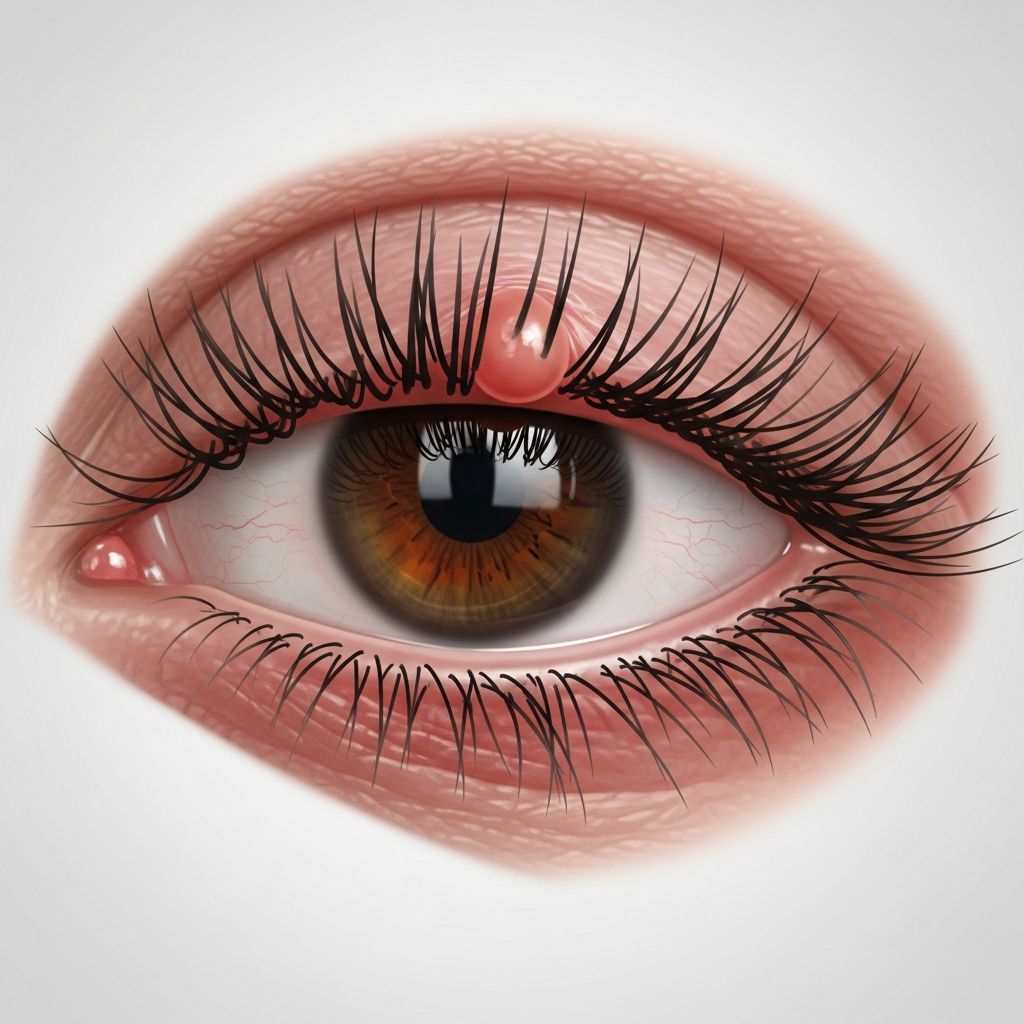
Meibomian cysts, commonly referred to as chalazia, represent a frequent eyelid issue arising from blocked oil glands. These small, firm lumps develop when meibomian glands, which produce oil to lubricate the eye surface, become obstructed, leading to oil buildup and inflammation. Unlike acute infections, chalazia are typically painless and chronic, affecting adults more often, particularly those aged 30 to 50.
The Anatomy Behind Meibomian Cysts
Meibomian glands are embedded within the tarsal plates of both upper and lower eyelids. These holocrine glands secrete meibum, an oily substance that forms the outer layer of the tear film, preventing evaporation and maintaining eye moisture. When a duct blocks, retained lipids leak into surrounding tissues, triggering a granulomatous inflammatory response with lipid-filled giant cells. This results in a sterile lipogranuloma, often 2-8 mm in size, more prevalent on the upper eyelid.
- Gland Location: Primarily in tarsal plates; Zeis glands near lid margins can contribute to superficial types.
- Oil Composition: Meibum contains lipids that stabilize tears; blockage alters tear quality, causing dryness.
- Prevalence: Common in primary eye care; self-resolves in weeks but recurs in susceptible individuals.
Recognizing Symptoms of a Meibomian Cyst
Initial presentation often involves a tender, red swelling that evolves into a painless, firm nodule. Located deeper on the eyelid, it contrasts with styes, which are edge-based and acutely painful due to bacterial infection. Patients typically notice the lump via touch or mirror, with minimal discomfort after the acute phase.
| Symptom | Description | Frequency |
|---|---|---|
| Firm lump | Small, pea-sized on upper/lower lid | Very common |
| Redness/swelling | Early stage; resolves over time | Common |
| Blurred vision | Large cysts pressing on cornea | Rare |
| Tearing/irritation | Due to disrupted tear film | Occasional |
| Pain | Mild initial; absent chronically | Uncommon |
Large chalazia may distort the eyelid shape, inducing astigmatism via corneal pressure. Secondary infection can intensify symptoms, mimicking a stye with pus and heightened pain.
Primary Causes and Risk Factors
Blockage stems from thickened meibum, often linked to chronic blepharitis where bacterial lipase alters oil consistency. Leakage provokes immune response, forming granulomas. Associated conditions amplify risk:
- Chronic blepharitis or rosacea disrupting gland function.
- Seborrheic dermatitis affecting skin oils.
- Diabetes or pregnancy altering lipid metabolism.
- Poor eyelid hygiene allowing debris accumulation.
Unlike infectious styes, chalazia are non-infectious but prone to superinfection. Recurrent cases warrant evaluation for underlying issues or rare malignancy.
Self-Care Strategies for Resolution
Most chalazia resolve conservatively within weeks. Core treatment: warm compresses (10-15 minutes, 4x daily) to melt oils, followed by gentle massage toward lid edge. Lid hygiene with diluted baby shampoo scrubs removes debris.
- Apply clean, warm cloth (not hot to avoid burns).
- Massage firmly but painlessly.
- Follow with hypochlorous acid sprays if blepharitis present.
Artificial tears alleviate irritation. Persistence beyond 4-6 weeks indicates need for escalation.
Professional Treatment Options
Non-responsive cases benefit from incision and curettage under local anesthesia, a quick outpatient procedure with low recurrence if margins excised properly. Intralesional steroid injections (triamcinolone) offer 80-90% resolution, avoiding surgery but risking skin atrophy. Oral tetracyclines manage associated blepharitis.
Related Stories



- Steroid Injection: Effective for deep chalazia; repeat if partial response.
- Surgery: For persistent/large lesions; minimal scarring.
- Epilation: Rarely for associated lashes.
Post-procedure care mirrors self-treatment.
Differentiating from Similar Conditions
Styes (hordeola) are acute, painful, edge-located infections; chalazia chronic and internal. Styes may evolve into chalazia if unresolved. Other mimics: sebaceous cysts, basal cell carcinoma (persistent, irregular). Biopsy recurrent or atypical lesions.
Prevention Tips for Healthy Eyelids
Maintain lid hygiene daily, especially with risk factors. Manage rosacea/blepharitis promptly. Omega-3 supplements may improve meibum quality. Avoid squeezing lumps to prevent spread.
- Regular warm compress routines.
- Omega-3 rich diet.
- Control systemic conditions like diabetes.
When to Consult an Eye Specialist
Seek care if: no improvement after 4 weeks self-care, vision changes, severe pain/fever (infection), recurrent chalazia, or lid margin irregularities. Urgent for orbital cellulitis signs (proptosis, motility loss).
Frequently Asked Questions (FAQs)
Can a Meibomian cyst go away on its own?
Yes, many resolve in 2-4 weeks with conservative care.
Is a chalazion contagious?
No, it’s sterile inflammation, not bacterial like styes.
How long before seeing a doctor?
After 4-6 weeks without improvement.
Can I pop a chalazion?
No, risking infection/scarring; use compresses instead.
Do chalazia cause permanent vision issues?
Rarely; large ones may temporarily blur via pressure.
Long-Term Management and Outlook
Chalazia boast excellent prognosis; 50% self-resolve. Recurrence drops with hygiene and blepharitis control. Monitor for patterns signaling systemic disease.
References
- Chalazion (Meibomian cyst) — College of Optometrists. 2023. https://www.college-optometrists.org/clinical-guidance/clinical-management-guidelines/chalazion_meibomiancyst
- Chalazion: Symptoms, Causes, Prevention & Treatments — Cleveland Clinic. 2024-02-01. https://my.clevelandclinic.org/health/diseases/17657-chalazion
- Chalazion — American Optometric Association. 2023. https://www.aoa.org/healthy-eyes/eye-and-vision-conditions/chalazion
- Chalazion — StatPearls, NCBI Bookshelf. 2023-07-17. https://www.ncbi.nlm.nih.gov/books/NBK499889/
- Chalazion & Stye — University of Michigan Health. 2024. https://www.uofmhealth.org/our-care/specialties-services/chalazion-stye
Similar Articles








Read full bio of medha deb