Meibomian Gland Dysfunction: Symptoms, Causes & Treatment
Understanding MGD: Causes, symptoms, diagnosis, and effective treatment options for dry eye relief.
Understanding Meibomian Gland Dysfunction
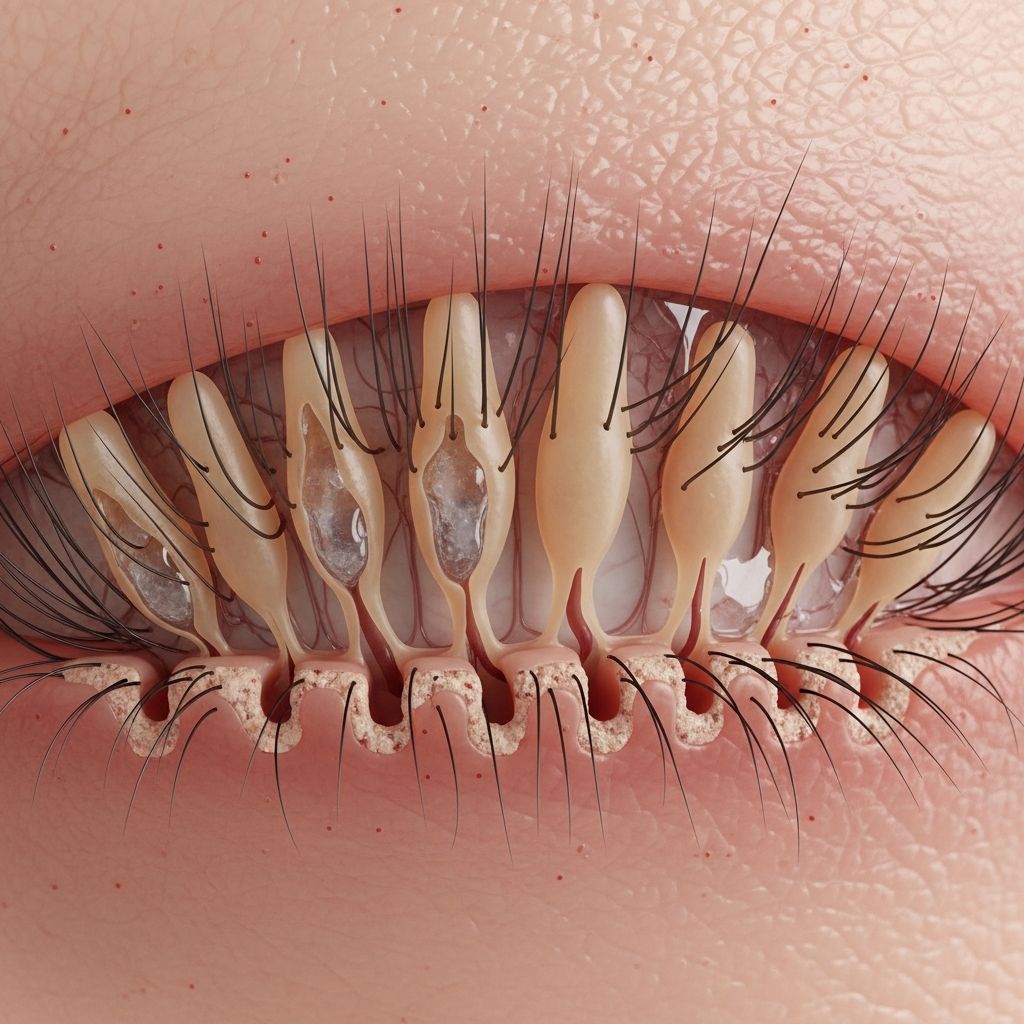
Meibomian gland dysfunction (MGD) is a prevalent eye condition affecting millions of people worldwide. This condition occurs when the oil-secreting glands located in your eyelids fail to produce or secrete an adequate quantity or quality of oil needed to maintain proper eye lubrication and prevent dryness. MGD represents one of the most significant contributors to dry eye syndrome, making it crucial to understand its mechanisms, symptoms, and available treatment options.
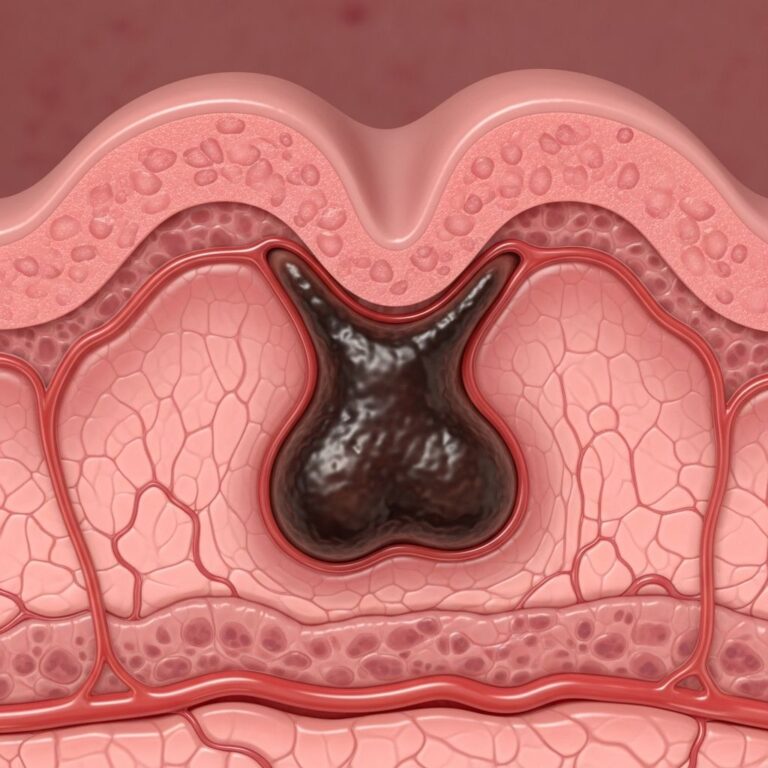
The meibomian glands are specialized sebaceous glands embedded in the tarsal plates of the eyelids, both upper and lower. These glands are responsible for secreting lipids that form the outermost layer of the tear film. When functioning properly, they help prevent tear evaporation and maintain a healthy ocular surface. However, when these glands become dysfunctional, they can lead to a cascade of complications affecting vision and eye comfort.
Prevalence and Demographics of MGD
Meibomian gland dysfunction is remarkably common, affecting a substantial portion of the global population. Current estimates indicate that approximately 35.8% of people worldwide experience some degree of MGD. In the United States specifically, the prevalence is even higher, with estimates suggesting that 70% of people over age 60 have the condition. This age-related prevalence reflects the cumulative effects of gland deterioration over time.
The condition shows interesting demographic patterns. MGD is more prevalent in males than in females, and prevalence rates vary significantly among different ethnic groups. Notably, individuals of Asian descent experience higher rates of MGD compared to people of white descent, suggesting potential genetic or environmental factors contributing to these disparities.
What Causes Meibomian Gland Dysfunction?
MGD develops through several distinct mechanisms. The most common form is obstructive MGD, where the glands become blocked, preventing oil from flowing freely to the eyelid margin and tear film. The blockage can result from various factors, including the accumulation of lipid debris, changes in gland secretion composition, or structural abnormalities within the gland ducts.
Beyond obstruction, the quality of oil produced by the meibomian glands plays a critical role. Even if glands produce adequate quantities, the chemical composition of the lipids may be altered, reducing their effectiveness in stabilizing the tear film. This can occur due to bacterial colonization, inflammatory changes within the glands, or degenerative processes.
Several medications can contribute to meibomian gland dysfunction development. These include glaucoma treatments, retinoids used for skin conditions, estrogen supplements used in hormone replacement therapy, and medications that decrease androgen levels. Understanding these medication-related risks is important for individuals managing other health conditions.
Risk Factors for Developing MGD
Multiple factors increase the likelihood of developing meibomian gland dysfunction. Age is a significant non-modifiable risk factor, as gland dysfunction becomes increasingly common with advancing years. Similarly, biological sex and ethnic background represent unchangeable risk factors, though they help identify individuals who may benefit from more frequent screening.
Several modifiable and non-modifiable risk factors contribute to MGD development:
Related Stories



- Age and hormonal changes
- Biological sex (male predominance)
- Ethnicity (higher rates in Asian populations)
- Certain systemic conditions affecting immune function
- Prolonged screen time and reduced blinking
- Environmental factors (dry, dusty, or smoky conditions)
- Contact lens wear
- Poor eyelid hygiene
- Certain dermatological conditions like acne rosacea or scalp dandruff
Individuals with autoimmune or systemic conditions that affect immune system function may be at higher risk for developing MGD. These conditions can alter gland physiology and promote inflammation, exacerbating meibomian gland dysfunction.
Recognizing Symptoms of MGD
Interestingly, many individuals with meibomian gland dysfunction experience no symptoms, particularly in early stages. This silent progression makes regular eye examinations essential for early detection. When symptoms do develop, they typically relate to dry eye disease and ocular surface irritation.
Common symptoms of MGD include:
- Dry, gritty sensation in the eyes
- Burning or stinging eye discomfort
- Red or irritated eyes
- Fluctuating or blurred vision
- Eye fatigue, particularly during screen use
- Excessive tearing (paradoxically, as irritation triggers reflex tearing)
- Sensitivity to light
- Eyelid inflammation or redness
- Dandruff-like scales on eyelashes
In severe cases, MGD can lead to more significant visual complications. Abnormal lash growth (trichiasis) may develop, with misdirected lashes rubbing against the cornea. This friction can cause corneal abrasion and potentially permanent vision damage if not addressed promptly.
Serious Complications of Untreated MGD
The potential consequences of untreated meibomian gland dysfunction extend beyond mere discomfort. MGD is serious specifically because of its potential complications. If left unmanaged, MGD can progress to severe dry eye syndrome, involving significant dryness and potential corneal damage. The condition increases susceptibility to eye surface diseases, including keratitis and other inflammatory conditions.
Blepharitis, or eyelid inflammation, frequently develops secondary to MGD. Untreated MGD also increases the risk of eye infections and general inflammation. Additionally, individuals with MGD undergoing eye surgery face elevated risks of complications during and after the procedure. Most critically, chronic untreated MGD can result in irreversible corneal damage, potentially compromising vision permanently.
Diagnosing Meibomian Gland Dysfunction
Diagnosis of MGD begins with a comprehensive patient interview addressing eye health history and symptom pattern. Your eye care provider will perform a thorough eye examination, carefully inspecting the eyelids and eyelid margins. Direct visualization of the inner eyelid surfaces often reveals characteristic signs of MGD, including gland plugging, structural changes, or secretion abnormalities.
To confirm diagnosis and assess disease severity, eye care providers may perform specialized diagnostic tests. These may include tear film analysis to evaluate tear quality and quantity, meibography to visualize gland structure and identify dropout, and tear evaporation testing. Some providers use advanced imaging techniques to assess lipid layer thickness and stability. These tests help determine the specific type and severity of MGD, guiding treatment selection.
Treatment Options for MGD
Treatment approaches for meibomian gland dysfunction vary based on disease severity, underlying cause, overall health status, and individual response to therapy. Most treatment regimens combine multiple strategies for optimal results.
Home Care and Self-Management
Initial management typically emphasizes home-based interventions that patients can implement daily:
- Warm compresses: Applying warm compresses to eyelids for 10-15 minutes helps soften lipid secretions and improve gland expressibility
- Eyelid massage: Gentle massage of the eyelid margins promotes oil flow and gland drainage
- Lid hygiene: Regular cleaning of eyelashes and lid margins with warm water or commercial lid cleansers removes debris and bacteria
- Nutritional supplements: Omega-3 and omega-6 fatty acid supplements may improve tear composition
- Environmental modifications: Reducing screen time, taking regular breaks, blinking consciously, and avoiding dry environments helps preserve tear film
- Artificial tears: Preservative-free artificial tear products provide temporary lubrication
Professional Treatments
When home management proves insufficient, eye care providers offer advanced therapeutic options. These include:
- Prescription eye drops: Anti-inflammatory medications reduce eyelid inflammation and improve tear production
- Thermal pulsation devices: Technologies like LipiFlow and TearCare use controlled heat and massage to liquefy blocked lipids and restore gland function
- Intense pulsed light (IPL) therapy: IPL treatments reduce inflammation and improve meibomian gland secretion quality
- Mechanical gland expression: Specialized instruments apply controlled pressure to express blocked gland contents
- Radiofrequency treatments: Technologies like Tixel use thermal-mechanical action to stimulate gland function
- Surgical interventions: In severe cases, surgical gland expression or other procedures may be necessary
Recovery and Long-term Management
Most MGD treatments require minimal recovery time. Home-based interventions like warm compresses and lid hygiene can begin immediately without downtime. Professional treatments typically involve no recovery period, though patients may experience temporary mild irritation immediately after procedures.
Surgical procedures require more substantial recovery time, varying based on the specific intervention. Patients undergoing surgical treatment should follow their provider’s post-operative instructions carefully to optimize healing and treatment outcomes.
Long-term management of MGD typically requires ongoing attention to eye health. Many individuals need to maintain daily lid hygiene practices and warm compress routines indefinitely. Regular follow-up appointments help monitor disease progression and adjust treatment as needed. Consistent adherence to these routines significantly improves long-term outcomes and reduces complication risk.
Prognosis and Outlook
The outlook for individuals with meibomian gland dysfunction is generally favorable with appropriate management. While some people, particularly those with underlying conditions like autoimmune disorders, may experience MGD as a lifelong issue, the condition is manageable through consistent care and treatment.
Early detection and intervention substantially improve prognosis. Many individuals successfully control symptoms through diligent home care and periodic professional treatment. Even those requiring ongoing management typically maintain good eye comfort and visual function with proper attention to recommended strategies.
Prevention Strategies for MGD
While you cannot completely prevent meibomian gland dysfunction, particularly given non-modifiable risk factors like age and ethnicity, several strategies may reduce your risk of developing the condition:
- Maintain excellent eyelid hygiene through regular warm compresses and lid cleaning
- Take frequent breaks during screen use, following the 20-20-20 rule (every 20 minutes, look at something 20 feet away for 20 seconds)
- Blink consciously and completely, especially during activities requiring visual focus
- Use protective eyewear in dry, dusty, or windy environments
- Stay well-hydrated and maintain adequate humidity in your environment
- Avoid excessive eye rubbing, which can damage glands
- Discuss medication side effects with your healthcare provider if you experience dry eye symptoms
- Maintain overall health through proper nutrition and stress management
- Obtain regular eye examinations for early detection
When to Seek Medical Attention
You should always consult with an eye care provider if you experience persistent vision-related issues such as eye pain or blurred vision. These symptoms may indicate MGD or other serious eye conditions requiring professional evaluation. If eye pain or sudden vision loss develops, seek immediate emergency room care, as these can signal serious ocular emergencies.
Regular eye examinations are crucial because providers can identify meibomian gland dysfunction before symptoms develop. Early detection enables prompt intervention, preventing progression to more serious complications. While occasional dry eye episodes are generally not problematic, persistent dryness warrants professional evaluation and treatment.
Frequently Asked Questions About MGD
Q: Can meibomian gland dysfunction be cured permanently?
A: MGD may be a lifelong condition for some individuals, particularly those with underlying systemic conditions. However, symptoms can be effectively managed through consistent treatment and home care. Many people experience significant improvement or complete symptom resolution with proper management, even if they require ongoing maintenance routines.
Q: Can I unclog meibomian glands at home?
A: Yes, many people can successfully unclog blocked meibomian glands through self-care measures like warm compresses and gentle eyelid massage. However, professional treatments using specialized instruments and technologies often provide more effective results for significant blockages or advanced cases.
Q: How often should I have eye exams if I have MGD?
A: The frequency depends on disease severity and individual factors. Your eye care provider will recommend an appropriate schedule. Generally, individuals with MGD benefit from more frequent examinations than those without the condition to monitor progression and adjust treatment as needed.
Q: Are there any new treatments for MGD?
A: Yes, several innovative treatment options have emerged in recent years, including advanced thermal devices, radiofrequency technologies, and improved mechanical expression systems. Your eye care provider can discuss which newer treatments might be appropriate for your specific situation.
Q: Does MGD affect both eyes equally?
A: MGD can affect eyes asymmetrically, with one eye potentially more severely affected than the other. Your eye care provider will evaluate both eyes individually and may recommend tailored treatment approaches based on each eye’s specific condition.
References
- Meibomian Gland Dysfunction: Symptoms & Treatment — Cleveland Clinic. 2024-01-30. https://my.clevelandclinic.org/health/diseases/meibomian-gland-dysfunction
- Blepharitis (Eyelid Inflammation): Causes & Treatment — Cleveland Clinic. https://my.clevelandclinic.org/health/diseases/10032-blepharitis
- Dry Eyes: Types, Symptoms, Causes & Treatment — Cleveland Clinic. https://my.clevelandclinic.org/health/diseases/24479-dry-eye
- Chalazion: Symptoms, Causes, Prevention & Treatments — Cleveland Clinic. https://my.clevelandclinic.org/health/diseases/17657-chalazion
- What is Dry Eye? Dry Eye Symptoms & Treatment in Cleveland, Ohio — Cleveland Eye Clinic. https://clevelandeyeclinic.com/dry-eye-ohio/
- The New Dry Eye Syndrome — Cleveland Eye Clinic. 2019-07-09. https://clevelandeyeclinic.com/2019/07/09/the-new-dry-eye-syndrome/
Similar Articles








Read full bio of medha deb