Melanin: 3 Key Benefits And Skin Protection Guide
Understanding melanin: the pigment that defines your skin, hair, and eye color.
Understanding Melanin: The Pigment Behind Your Appearance
Melanin is a substance produced by your body that plays a fundamental role in determining the color of your skin, hair, and eyes. This natural pigment is created by specialized cells called melanocytes, which are present throughout your body. The more melanin your body produces, the darker your eyes, hair, and skin will be. Your unique combination of melanin types and production levels creates your distinctive appearance.
Despite common misconceptions, all humans have approximately the same number of melanocytes. What varies significantly from person to person is the amount of melanin that these cells produce. People with higher melanin production tend to have darker skin, eyes, and hair, while those with lower melanin production typically have lighter features. This variation in melanin production is one of the most visible differences among human populations and is influenced by genetics, ancestry, and evolutionary adaptation to different environments.
Types of Melanin
There are two primary types of melanin that work together to determine your skin, hair, and eye color. Understanding these two types helps explain the vast diversity of human appearance and how different genetic combinations create the spectrum of colors we see in human populations.
Eumelanin
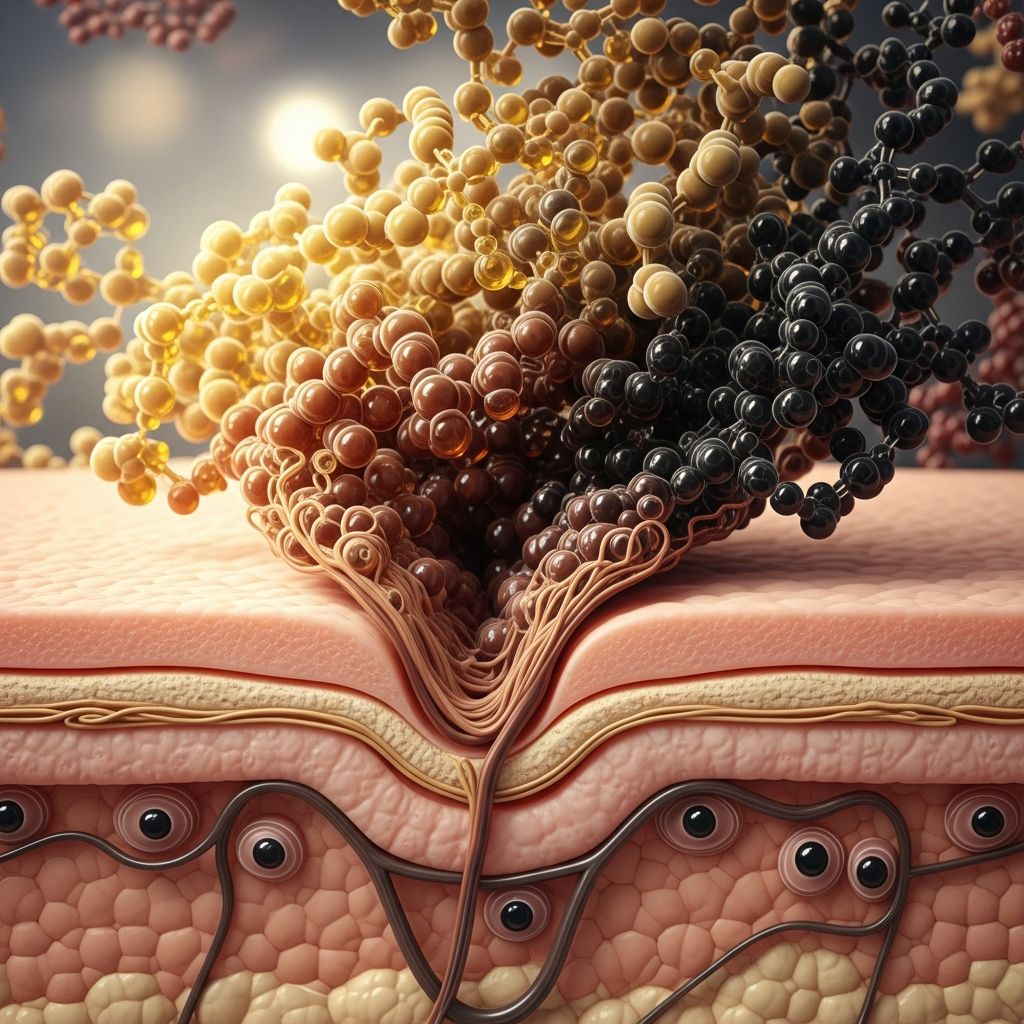
Eumelanin is the type of melanin responsible for brown and black pigmentation. This form of melanin is the most common and is particularly abundant in people with darker skin tones. Eumelanin provides stronger protection against ultraviolet radiation and is the primary reason why individuals with darker skin have lower rates of sun-induced skin damage and skin cancer. The concentration and distribution of eumelanin in your skin determines whether you have deep brown, medium brown, or lighter brown tones.
Pheomelanin
Pheomelanin is the type of melanin that produces red and yellow pigmentation. People with higher concentrations of pheomelanin relative to eumelanin tend to have red or blonde hair and lighter skin with freckles. Pheomelanin is less efficient at protecting skin from UV damage compared to eumelanin, which is why individuals with red hair and fair skin are typically more susceptible to sunburn and sun damage. Your unique combination of eumelanin and pheomelanin levels creates your specific skin tone, hair color, and overall appearance.
Melanin Production and Distribution
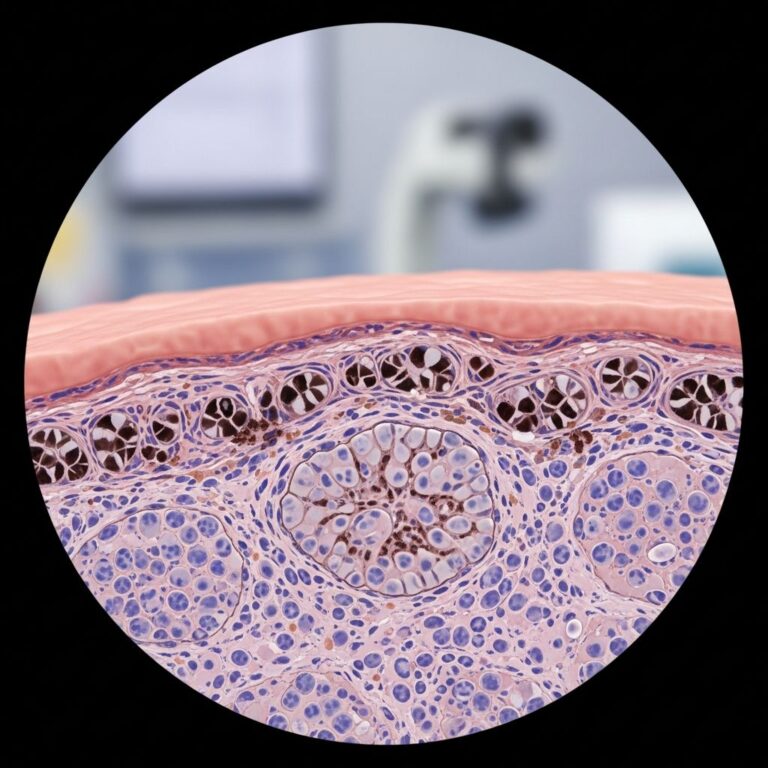
The amount and distribution of melanin throughout your body determine not only your appearance but also your susceptibility to certain skin conditions. Melanin is produced by melanocytes located in the basal layer of the epidermis, the outermost layer of your skin. From there, melanin is transferred to other skin cells called keratinocytes, which distribute it throughout the epidermis to provide color and protection.
Some people are born with clusters of melanocytes that produce more melanin in concentrated areas, resulting in freckles. These freckles are harmless and represent normal variation in melanin distribution. Environmental factors, particularly sun exposure, can also influence how melanin is distributed and produced, leading to changes in skin pigmentation over time.
Key Benefits of Melanin
Melanin provides several important benefits to your health and appearance beyond simply determining your skin color. These protective and supportive functions make melanin one of the most important substances your body produces.
Sun Protection
One of the most critical functions of melanin is shielding your skin from the sun’s harmful ultraviolet radiation. Melanin acts as a natural sunscreen by absorbing ultraviolet rays and converting them into heat, which is then released from the skin. This protective mechanism reduces the penetration of UV radiation through the epidermis and minimizes DNA damage to skin cells. The photoprotective role of melanin is evident in epidemiological data showing an inverse correlation between skin pigmentation and the incidence of sun-induced skin cancers. Studies indicate that individuals with White skin are approximately 70 times more likely to develop skin cancer than individuals with Black skin, demonstrating the substantial protective effect of higher melanin concentrations.
Related Stories



The shielding effect of melanin, particularly eumelanin, is achieved through its ability to serve as both a physical barrier that scatters ultraviolet radiation and as an absorbent filter that reduces UV penetration through the epidermis. When your skin is exposed to the sun, your body responds by increasing melanin production, creating a visible tan. This tanning response is actually your body’s attempt to provide additional protection against further UV damage, though this natural protection is not a substitute for sunscreen.
Immune System Support
Recent research suggests that melanin plays a role in supporting your immune system function. Studies indicate that melanin may contribute to immune system support and help reduce inflammation in your body. These immunological benefits extend beyond skin protection and may have systemic effects throughout your body. However, more comprehensive research is necessary to fully understand the extent of melanin’s contributions to immune function and inflammatory regulation.
Antioxidant Properties
Melanin exhibits antioxidant properties that help protect your cells from oxidative stress and damage. These antioxidant functions work alongside the pigment’s UV protection to provide comprehensive cellular defense mechanisms. The combination of these protective properties makes melanin essential for maintaining healthy skin and potentially supporting overall health.
Sun Protection Recommendations
While melanin provides significant natural protection against sun damage, it is important to understand that melanin is not a complete substitute for proper sun protection practices. Even individuals with high melanin production and darker skin tones benefit from additional sun protection measures. The following recommendations apply to all skin types:
– Wear sunscreen with a sun protection factor (SPF) of at least 30 whenever spending time outdoors- Reapply sunscreen every two hours or immediately after swimming or sweating- Seek shade during peak sun hours, typically between 10 a.m. and 4 p.m.- Wear protective clothing, including hats, sunglasses, and lightweight long-sleeved garments- Remember that UV protection is essential year-round, even on cloudy days
Melanin Deficiency
Melanin deficiency occurs when your body produces insufficient melanin, resulting in lighter skin, hair, and eye color. This condition is linked to several skin disorders and health conditions that affect individuals across all racial and ethnic backgrounds. Some conditions associated with melanin deficiency include vitiligo, a condition characterized by patches of depigmented skin, and albinism, a genetic condition resulting in little to no melanin production.
When melanin production is inadequate, individuals face increased vulnerability to sun damage and skin cancer risk. People with melanin deficiency require strict sun protection measures and should consider consulting dermatologists about protective strategies and treatment options for any associated skin conditions.
Hyperpigmentation: Excess Melanin Production
Hyperpigmentation is a common condition that occurs when your body produces excess melanin, resulting in areas of skin that are darker than surrounding skin. This condition is generally harmless and affects people of any race or ethnicity. Hyperpigmentation develops when skin cells are damaged or unhealthy and produce too much melanin, which can clump together and cause those areas to appear darker.
Causes of Hyperpigmentation
Several factors can trigger excessive melanin production, including:
– Sun exposure and UV radiation damage- Hormonal changes, particularly during pregnancy or with oral contraceptive use- Certain medications, including minocycline and antimalarial drugs- Skin inflammation or injury- Addison’s disease and other endocrine disorders- Genetic predisposition to melanin production
Types and Treatment
Hyperpigmentation manifests in different patterns depending on the underlying cause. The spots or patches can be brown, black, gray, red, or pink in color. While these areas are typically not painful or itchy, they can cause self-consciousness about appearance. Several lifestyle changes and treatments can help manage hyperpigmentation, particularly sun protection and proper skin care. Treatment with pigment-specific lasers has shown promise in reducing the appearance of hyperpigmented areas. Early recognition and discontinuation of causative medications, combined with sun avoidance, can prevent progression and allow some types of hyperpigmentation to resolve slowly over time.
Melanin and Your Skin Health
Your skin’s health is directly connected to proper melanin function and balance. The epidermis contains melanin-producing cells that work continuously to maintain your skin’s color and protective functions. When melanin-producing cells become damaged or unhealthy, they may produce either too much or too little melanin, resulting in discoloration and other skin concerns.
Maintaining healthy skin involves protecting your melanocytes from damage through consistent sun protection, avoiding known irritants and sensitizing substances, and following a comprehensive skincare routine. Regular dermatological evaluations can help identify early signs of melanin imbalance and allow for prompt intervention if needed.
Frequently Asked Questions About Melanin
Q: Do all humans have the same number of melanocytes?
A: Yes, all humans typically have approximately the same number of melanocytes. The difference in skin color comes from how much melanin each person’s melanocytes produce, not from having more or fewer of these cells.
Q: Why do some people have freckles?
A: Freckles occur when people are born with clusters of melanocytes that produce melanin in concentrated areas rather than evenly distributed across the skin. This is a normal variation and is completely harmless.
Q: Is melanin alone sufficient for sun protection?
A: While melanin provides natural protection against UV radiation, it is not a complete substitute for proper sun protection. Everyone, regardless of skin tone, should wear sunscreen with SPF 30 or higher, seek shade during peak sun hours, and wear protective clothing when outdoors.
Q: Can melanin production change throughout life?
A: Yes, melanin production can change due to sun exposure, hormonal changes, age, and certain medical conditions. Sun exposure typically increases melanin production as your body attempts to provide additional protection against UV damage.
Q: What is the difference between eumelanin and pheomelanin?
A: Eumelanin produces brown and black pigmentation and provides stronger UV protection, while pheomelanin produces red and yellow pigmentation and is less effective at protecting against UV damage. Your unique combination of both types determines your specific skin, hair, and eye color.
Q: Is hyperpigmentation dangerous?
A: Hyperpigmentation itself is generally harmless and does not cause pain or itching. However, it can affect appearance and self-confidence. If hyperpigmentation appears suddenly or changes significantly, consult a dermatologist to rule out underlying conditions.
Q: Can medications cause changes in melanin production?
A: Yes, certain medications can trigger hyperpigmentation. Examples include minocycline, amiodarone, bleomycin, and antimalarial drugs. If you notice skin discoloration after starting a medication, discuss it with your healthcare provider.
References
- The Protective Role of Melanin Against UV Damage in Human Skin — National Institutes of Health, National Center for Biotechnology Information. 2009. https://pmc.ncbi.nlm.nih.gov/articles/PMC2671032/
- Melanin: What Is It, Types & Benefits — Cleveland Clinic. 2024. https://my.clevelandclinic.org/health/body/22615-melanin
- Skin Discoloration: Causes, Conditions & Treatments — Cleveland Clinic. 2024. https://my.clevelandclinic.org/health/symptoms/11014-skin-discoloration
- Hyperpigmentation: What it is, Causes, & Treatment — Cleveland Clinic. 2024. https://my.clevelandclinic.org/health/diseases/21885-hyperpigmentation
- Epidermis (Outer Layer of Skin) — Cleveland Clinic. 2024. https://my.clevelandclinic.org/health/body/21901-epidermis
- Minocycline-induced hyperpigmentation — Cleveland Clinic Journal of Medicine. 2016. https://www.ccjm.org/content/83/12/876
Similar Articles








Read full bio of medha deb