Melanocortin: 5 Key Receptors And Their Clinical Roles
Understanding the melanocortin system: key roles in pigmentation, energy balance, inflammation, and melanoma risk.
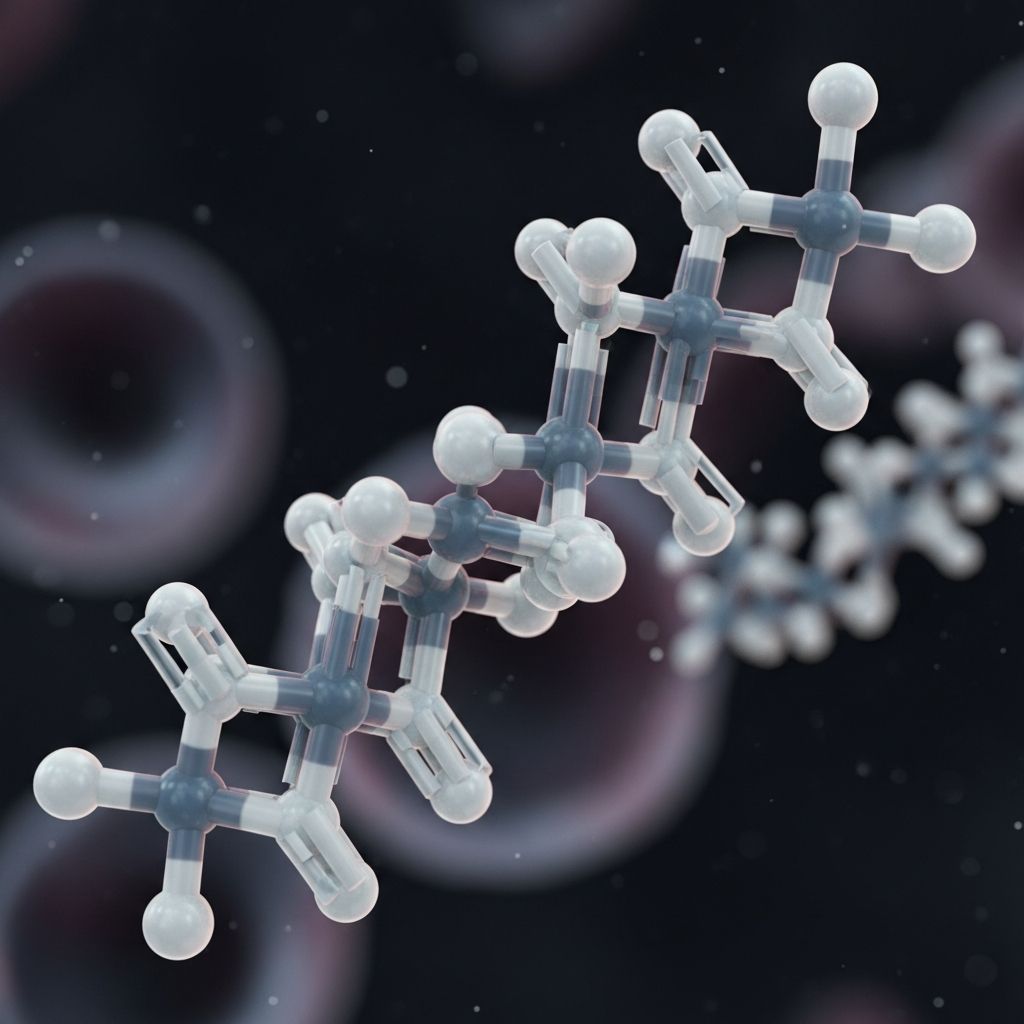
The melanocortin system is a critical neuroendocrine network comprising peptides derived from proopiomelanocortin (POMC), five G-protein-coupled receptors (MC1R–MC5R), endogenous antagonists like agouti signaling protein (ASIP) and agouti-related peptide (AgRP), and accessory proteins. This system regulates diverse physiological processes including skin pigmentation, energy homeostasis, sexual function, inflammation, exocrine gland activity, and recently identified roles in arterial chemosensation. Dysregulation contributes to conditions like obesity, hypertension, and skin cancers such as melanoma.
What is melanocortin?
Melanocortins are a family of peptides cleaved from the POMC precursor protein in the pituitary gland, skin, and other tissues. Key ligands include adrenocorticotropic hormone (ACTH), α-melanocyte-stimulating hormone (α-MSH), β-MSH, γ-MSH, and δ-MSH. These peptides bind to melanocortin receptors (MCRs), which are seven-transmembrane receptors coupled to stimulatory G-proteins, activating adenylate cyclase to increase intracellular cAMP.
The system’s antagonists, ASIP and AgRP, provide fine-tuned regulation. Ancillary proteins like melanocortin receptor accessory proteins (MRAP and MRAP2) modulate receptor trafficking and signaling. The melanocortin pathway integrates environmental cues like UV radiation and nutritional status with physiological responses.
Melanocortin receptors
Five melanocortin receptors (MC1R–MC5R) exhibit tissue-specific expression and functions:
- MC1R: Predominantly in melanocytes; controls pigmentation by promoting eumelanin (black/brown) over pheomelanin (red/yellow) synthesis via cAMP/PKA/CREB pathway activating microphthalmia-associated transcription factor (MITF).
- MC2R: Adrenal cortex; mediates ACTH-induced cortisol production.
- MC3R: Hypothalamus; involved in energy balance and nutrient partitioning.
- MC4R: Hypothalamus and carotid body; regulates feeding, satiety, and sympathetic activity. Upregulated in hypertension, enhancing chemoreflexes.
- MC5R: Exocrine glands; influences sebaceous and sweat gland function.
Receptor selectivity arises from ligand affinity and tissue distribution. For instance, α-MSH binds all MCRs but with highest potency at MC1R.
Melanocortin 1 receptor (MC1R) gene
The MC1R gene, located at chromosome 16q24.3, encodes a 317-amino-acid receptor on melanocytes. It responds to α-MSH and ACTH, shifting melanin production toward photoprotective eumelanin.
MC1R variants are common, with over 200 identified. The ‘red hair color’ (R) haplotype (compound heterozygous or homozygous R/R) confers fair skin, red hair, freckles, and UV sensitivity. R-allele carriers have reduced MC1R signaling, leading to pheomelanin dominance and increased reactive oxygen species upon UV exposure.
MC1R variants and phenotypes
| Variant Type | Phenotype | Melanoma Risk |
|---|---|---|
| R/R homozygous or R/r compound | Red hair, fair skin, freckles | 2–4-fold increased |
| Single R variant | Milder pigmentation defects | 1.5–2-fold increased |
| Wild-type | Darker pigmentation | Baseline |
These traits arise from impaired G-protein coupling and reduced cAMP in melanocytes.
Functions of melanocortins
Pigmentation
MC1R activation in melanocytes upregulates tyrosinase (TYR), tyrosinase-related protein 1 (TYRP1), and dopachrome tautomerase (DCT), enzymes essential for eumelanin synthesis. Eumelanin absorbs UV, reducing DNA damage, while pheomelanin generates free radicals. MC1R loss-of-function increases melanoma risk independently of sun exposure.
Energy homeostasis
Central melanocortins (MC3R/MC4R) in the hypothalamus promote satiety and thermogenesis. α-MSH from POMC neurons antagonizes AgRP/NPY orexigenic signals. MC4R mutations cause monogenic obesity.
Inflammation and immunity
α-MSH exerts anti-inflammatory effects via MC1R on immune cells, suppressing cytokine production (e.g., IL-1, TNF-α) and nitric oxide. Therapeutic potential in psoriasis, lupus, and allergic dermatitis.
Related Stories



Sexual function
MC4R agonists like Melanotan II induce penile erection and female sexual arousal independent of NO pathways.
Cardiovascular and chemosensory roles
MC4R in carotid body glomus cells senses α-MSH, potentiating hypoxic chemoreflexes and sympathetic outflow. Elevated in hypertension via Ascl1 transcription factor dysregulation.
Exocrine function
MC5R regulates sebocyte lipid production and thermoregulatory sweating.
Clinical relevance
Melanoma risk
MC1R variants double melanoma odds; R-allele carriers develop melanoma younger and on less sun-exposed skin. Pheomelanin promotes oxidative stress, carcinogen formation (e.g., benzothiazine), and impaired DNA repair. Combined with CDKN2A mutations, risk multiplies. NCI data confirm melanocytes’ UV vulnerability.
Obesity and metabolic syndrome
MC4R mutations (5% of severe obesity cases) impair satiety. Setmelanotide (MC4R agonist) approved for POMC deficiency and leptin receptor issues.
Inflammatory skin diseases
Topical α-MSH analogs reduce UV-induced erythema and cytokine storms in atopic dermatitis.
Tanning agents
Melanotan II (non-selective agonist) induces tanning but risks dysplastic nevi, priapism, and nausea. Not FDA-approved.
Hypertension
CB MC4R upregulation drives sympathoexcitation; potential target for cardiometabolic disease.
Genetics of melanoma and MC1R
Melanoma arises from melanocyte transformation, bypassing G1 arrest via INK4A/CDK4/6/RB pathway. MC1R polymorphisms synergize with UV and other genes (e.g., TYR, TYRP1). High variant burden predicts poor prognosis.
Frequently Asked Questions (FAQs)
Q: What causes red hair and fair skin?
A: Loss-of-function MC1R variants (R-allele) reduce eumelanin, favoring pheomelanin.
Q: Does MC1R increase melanoma risk without sun exposure?
A: Yes, via pheomelanin-induced DNA damage and repair defects.
Q: Are melanocortin agonists safe for tanning?
A: No; Melanotan II risks melanoma promotion and side effects.
Q: How does melanocortin affect obesity?
A: MC3R/MC4R signaling suppresses appetite; mutations cause obesity.
Q: Role of melanocortin in hypertension?
A: MC4R in carotid body heightens sympathetic activity.
References
- The melanocortin system — Mountjoy KG. Pharmacol Rev. 2003-01-17. https://pubmed.ncbi.nlm.nih.gov/12556347/
- Melanocortin System Activates Carotid Body Arterial Chemoreceptors — PMC. 2024. https://pmc.ncbi.nlm.nih.gov/articles/PMC12435264/
- Melanocortin 1 receptor gene — DermNet NZ. https://dermnetnz.org/topics/melanocortin
- Genetics of melanoma — DermNet PRO. https://pro.dermnetnz.org/pathology/melanoma-genetics.html
- Genetics of Skin Cancer (PDQ®) — National Cancer Institute. https://www.cancer.gov/types/skin/hp/skin-genetics-pdq
- Melanotan II — DermNet NZ. https://dermnetnz.org/topics/melanotan-ii
Similar Articles








Read full bio of medha deb