Melanocytic Naevi and Melanoma in Pregnancy
Understanding changes in moles and melanoma risks during pregnancy: diagnosis, management, and outcomes.
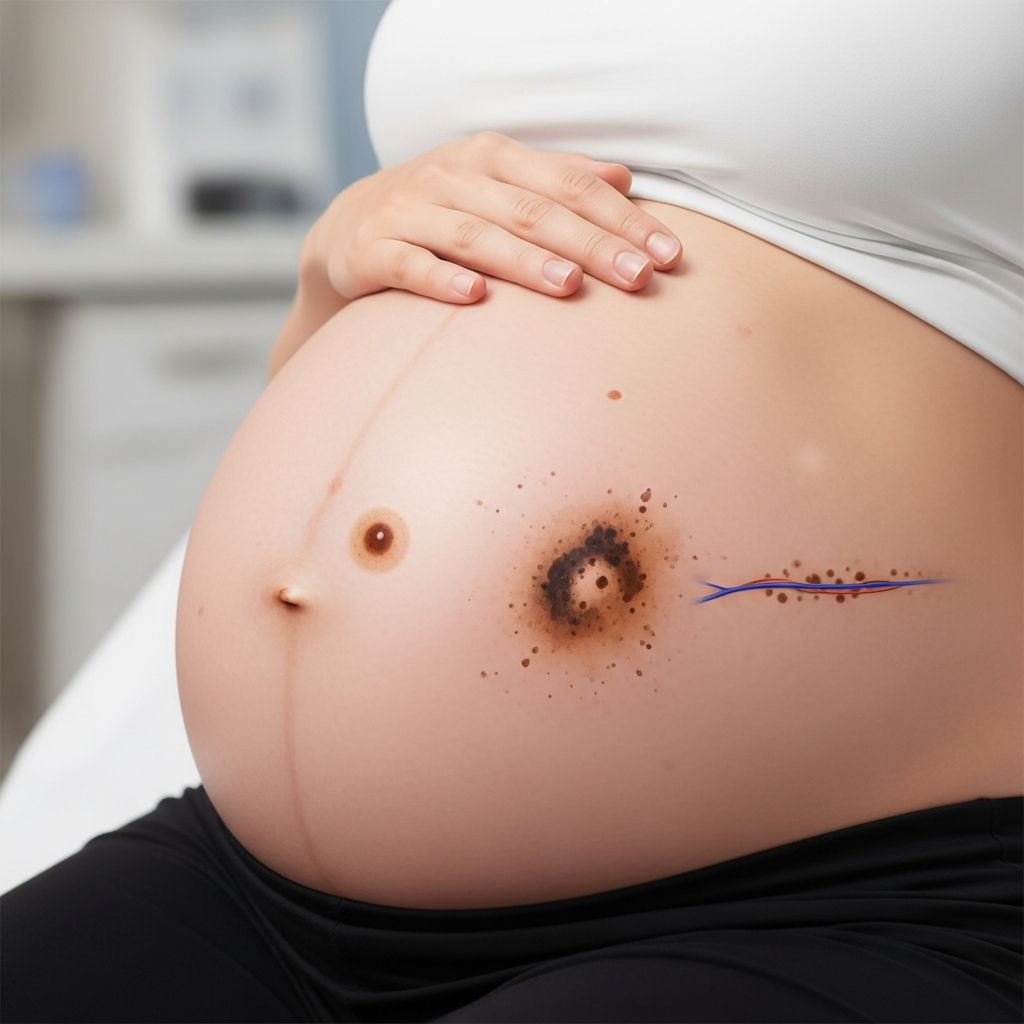
Melanocytic naevi, commonly known as moles, often undergo noticeable changes during pregnancy due to hormonal fluctuations, while melanoma—the most serious form of skin cancer—presents unique diagnostic and management challenges in pregnant women. This article details clinical features, risks, diagnosis, and treatment strategies grounded in dermatological evidence.
What are melanocytic naevi?
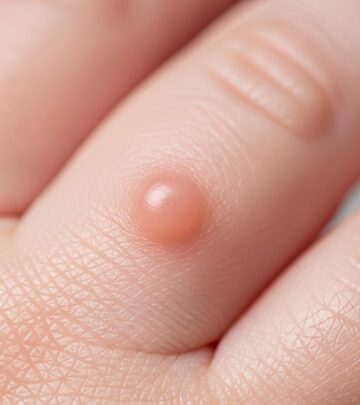
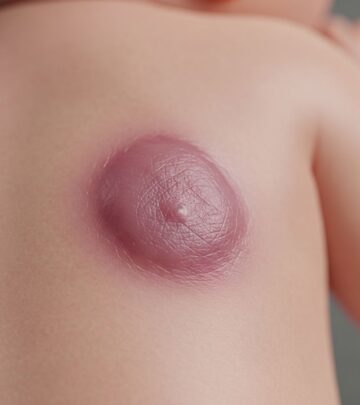
Melanocytic naevi are benign proliferations of melanocytes, the pigment-producing cells in the skin. They appear as pigmented lesions varying in color from light brown to black and can be flat or raised. Most individuals develop 10–40 naevi over their lifetime, influenced by genetics, sun exposure, and hormones. During pregnancy, elevated estrogen, progesterone, and melanocyte-stimulating hormone (MSH) levels can cause naevi to darken, enlarge, or itch.
Congenital melanocytic naevi, present at birth, differ from acquired naevi but may also change during pregnancy. These are classified by size: small (<1.5 cm), medium (1.5–20 cm), and giant (>20 cm) in adults. Giant naevi carry higher melanoma risk but are rare.
How does pregnancy affect melanocytic naevi?
Pregnancy induces physiological hyperpigmentation, affecting up to 90% of women. Common changes include linea nigra and darkening of existing naevi. Melanocytic naevi may:
- Enlarge in diameter by 20–30%.
- Darken in pigmentation.
- Develop irregular borders or halos.
- Become symptomatic (itchy or tender).
These alterations are typically reversible postpartum, regressing within 6–12 months. Dermoscopic changes, such as increased globules or network asymmetry, mimic melanoma but resolve after delivery. A study of 100 pregnant women found 52% had naevus changes, none progressing to malignancy.
Who is at risk for melanoma in pregnancy?
Melanoma complicates 1 in 1,000–10,000 pregnancies, representing 8–10% of cancers diagnosed during gestation. Risk factors mirror non-pregnant populations but are amplified by:
- Multiple naevi (>50).
- Fair skin, red hair, freckling.
- History of severe sunburns.
- Family history of melanoma.
- Prior naevi changes.
Unlike popular belief, pregnancy does not increase melanoma incidence or worsen prognosis when matched for stage. Hormonal effects may accelerate growth in existing lesions, but de novo melanomas are not more aggressive.
Clinical features of melanoma in pregnancy
Melanoma presents as an asymmetrical pigmented lesion with irregular borders, varied colors (brown, black, red, blue, white), and diameter >6 mm (ABCDE rule). In pregnancy, rapid growth or ulceration raises suspicion. Sites include lower legs (common in women), trunk, and back. Nodular melanomas grow faster, challenging early detection.
Symptoms include itching, bleeding, or pain. Placental metastases are rare (2–5% of metastatic cases) but catastrophic, with fetal involvement in 12–33%.
Diagnosis
Diagnosis relies on clinical examination, dermoscopy, and biopsy. Total body photography and dermoscopy monitor changes. Suspicious lesions warrant excisional biopsy with 2–3 mm margins, avoiding deep shave biopsies to prevent recurrence.
Sentinel lymph node biopsy (SLNB) is staging gold standard but involves lymphoscintigraphy and blue dye. First trimester is safest; delay if possible later. Ultrasound assesses nodal basins non-invasively.
| Diagnostic Tool | Pregnancy Safety | Utility |
|---|---|---|
| Dermoscopy | Safe | Detects asymmetry, atypical networks |
| Excisional Biopsy | Safe (local anesthesia) | Definitive diagnosis |
| SLNB | Moderate risk (dye concerns) | Staging micrometastases |
| Imaging (US/MRI) | Safe (no radiation) | Metastases evaluation |
Staging
Use AJCC 8th edition staging, adapted for pregnancy. Avoid CT/PET due to radiation; prefer MRI or ultrasound. Brain MRI without gadolinium for symptoms.
Management of melanocytic naevi in pregnancy
Monitor stable naevi with photography and monthly exams. Excise only if ABCDE features persist or symptoms worsen. Postpartum regression often obviates intervention.
Treatment of melanoma in pregnancy
Treatment mirrors non-pregnant guidelines, prioritizing maternal health. Surgery is primary and safe throughout pregnancy under local/general anesthesia (fetal risk minimal after first trimester).
- Stage I/II: Wide local excision (WLE) with 1–2 cm margins.
- Stage III: WLE + SLNB (prefer pre-delivery).
- Stage IV: Multidisciplinary approach; immunotherapy/chemotherapy considered.
Immunotherapy (anti-PD-1) shows promise but data limited; case reports note safe use in second/third trimesters. BRAF inhibitors avoided due to teratogenicity. Termination discussed for advanced disease pre-viability.
Prognosis
Prognosis equals non-pregnant women when stage-matched. Delay in diagnosis worsens outcomes, not pregnancy itself. Five-year survival: Stage I 98%, Stage II 70–85%, Stage III 40–78%, Stage IV 15–20%.
Fetal outcomes excellent unless maternal metastases involve placenta (mortality >50%). Breastfeeding safe post-treatment.
Follow-up
Quarterly exams first 2 years, then biannual. Include skin checks, lymph nodes, labs. Postpartum resume standard imaging.
Frequently Asked Questions (FAQs)
Do all changing moles in pregnancy indicate melanoma?
No, most changes are benign and reversible due to hormones. Biopsy suspicious lesions.
Is pregnancy safe with melanoma history?
Yes, after 2–5 years remission. No increased recurrence risk.
Can melanoma spread to the baby?
Rarely (1–2%); only via transplacental metastases in advanced maternal disease.
Should I avoid sun during pregnancy?
Yes, use SPF 50+, cover up to prevent naevus activation.
When to biopsy a mole?
If ABCDE changes, growth >20%, symptoms, or post-resolution failure.
Prevention
Monthly self-exams, annual dermatologist visits. Sun protection critical.
References
- Congenital melanocytic naevi — DermNet NZ. 2023. https://dermnetnz.org/topics/congenital-melanocytic-naevi
- Congenital melanocytic naevus pathology — DermNet NZ. 2023. https://dermnetnz.org/topics/congenital-melanocytic-naevus-pathology
- Body Site Distribution of Acquired Melanocytic Naevi and… — PMC (PubMed Central). 2022-10-25. https://pmc.ncbi.nlm.nih.gov/articles/PMC9588131/
- Melanocytic naevus — DermNet NZ. 2023. https://dermnetnz.org/topics/melanocytic-naevus
- Skin changes in pregnancy — DermNet NZ. 2023. https://dermnetnz.org/topics/skin-changes-in-pregnancy
Similar Articles



Read full bio of medha deb