Melanoma Symptoms: Early Signs to Watch For
Learn to recognize melanoma symptoms early with the ABCDE rule and other key signs for life-saving detection.
Melanoma is the most serious form of skin cancer, originating from melanocytes, the cells that produce melanin pigment. While it accounts for a small percentage of skin cancers, it causes the majority of skin cancer deaths due to its potential for rapid spread. However, when detected early, melanoma has a 99% cure rate, making awareness of its symptoms crucial.
This comprehensive guide explores melanoma symptoms, risk factors, diagnostic methods, staging, treatment options, and prevention strategies. Early vigilance can be life-saving, especially for high-risk individuals.
What Is Melanoma?
Melanoma arises from melanocytes, which give skin its color. Most melanomas appear black or brown, but they can also be pink, red, purple, or skin-colored. Approximately 30% develop in existing moles, while 70% emerge on normal skin, underscoring the need for routine skin checks.
Unlike basal or squamous cell carcinomas, melanoma is invasive and can spread to other organs if not addressed promptly. It can occur anywhere on the body, including eyes and internal organs. Men often develop it on the trunk, particularly the upper back, while women are more prone on the legs.
Melanoma Symptoms
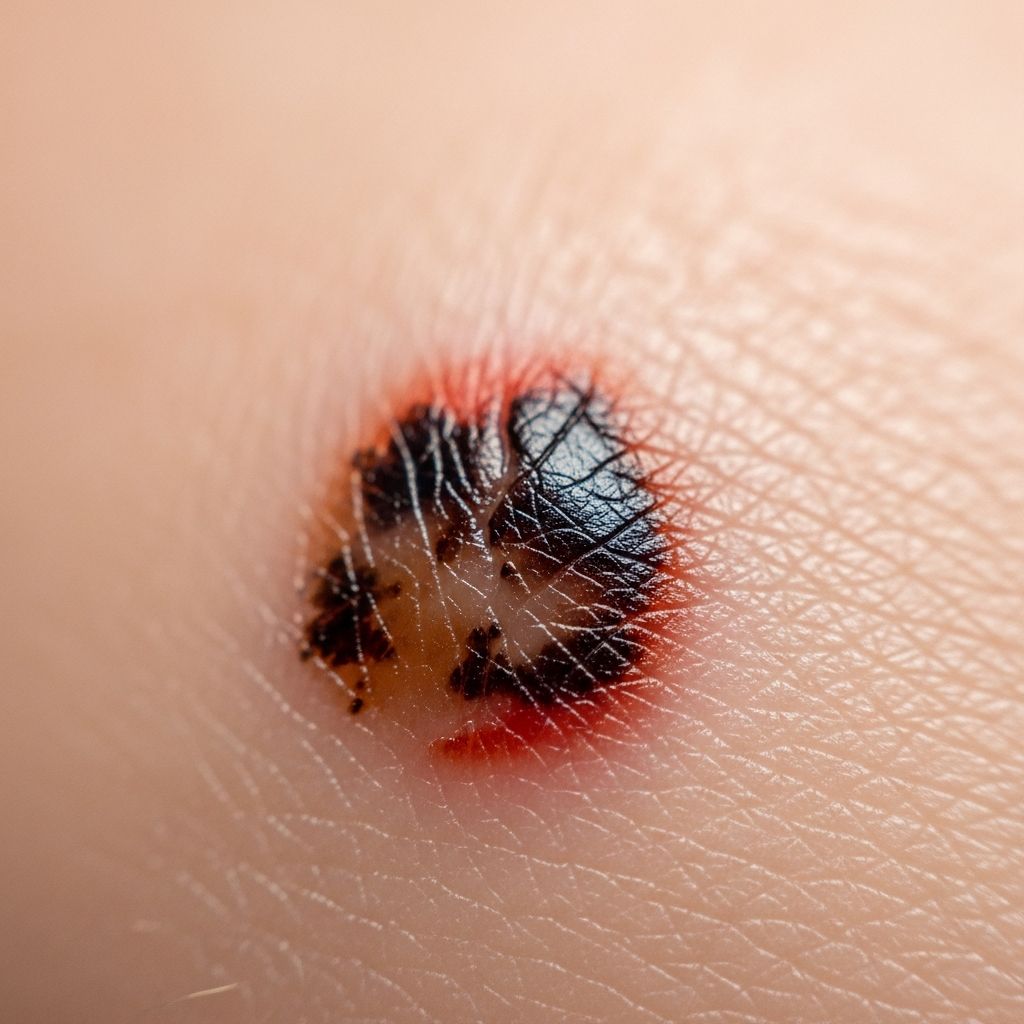
Recognizing melanoma early hinges on spotting unusual skin changes. Melanomas may present as new moles, evolving existing ones, scaly patches, open sores, or raised bumps. Not all follow classic patterns, so any persistent sore, rash, or discoloration warrants medical attention.
The ABCDE Rule for Melanoma Detection
The American Academy of Dermatology’s ABCDE mnemonic helps identify suspicious spots:
- A: Asymmetry – One half doesn’t match the other.
- B: Border – Irregular, notched, or blurred edges.
- C: Color – Varied shades of brown, black, red, white, or blue.
- D: Diameter – Larger than 6mm (pencil eraser size), though smaller ones can be malignant.
- E: Evolving – Changes in size, shape, color, or symptoms like itching or bleeding.
Visualize a spot that looks like an “ugly duckling” compared to surrounding moles—it’s often the outlier needing evaluation.
Uncommon Melanoma Presentations
Some melanomas evade ABCDE criteria. Watch for:
- Persistent sores that don’t heal.
- Unusual bumps or nodules.
- Rashes or itchiness in pigmented areas.
- Dark streaks under nails (subungual melanoma, common in darker skin tones).
- Patches on palms, soles, or mucous membranes.
Risk Factors for Melanoma
Anyone can develop melanoma, but certain factors elevate risk. Ultraviolet (UV) radiation from sun exposure or tanning beds causes 86% of cases by damaging DNA in skin cells.
Key Risk Factors Include:
- Fair skin, light hair (blonde/red), blue/green eyes, and freckles.
- History of severe sunburns, especially in youth.
- Many moles (more than 50) or atypical moles.
- Family or personal history of skin cancer.
- Weakened immune system (e.g., organ transplant recipients).
- UV exposure from tanning beds, linked to over 6,000 U.S. cases annually.
Related Stories



Melanoma is more common in whites but occurs in all skin types. In people with darker skin, it frequently appears on palms, soles, or nails.
Where Does Melanoma Appear?
Melanoma can develop on any skin surface:
| Body Area | Common in Men | Common in Women | Other Sites |
|---|---|---|---|
| Sun-Exposed | Upper back, trunk | Legs, arms | Face, neck |
| Hidden Areas | – | – | Palms, soles, nails, eyes, genitals |
| Internal | – | – | Mucous membranes, organs |
Hidden sites like soles are riskier in darker-skinned individuals due to delayed detection.
Diagnosis and Staging
Suspicious lesions prompt a biopsy, where tissue is examined microscopically for cancer cells. If confirmed, staging determines spread using tumor thickness (Breslow depth), the strongest outcome predictor.
Melanoma Stages:
- Stage 0: Melanoma in situ (surface only).
- Stage I: Thin, localized invasion.
- Stage II: Thicker, still localized.
- Stage III: Spread to nearby lymph nodes.
- Stage IV: Distant metastasis.
Staging tests include sentinel lymph node biopsy, imaging (CT, PET, MRI), and blood work.
Treatment Options
Treatment varies by stage and health:
- Early Stages (0-II): Surgical excision with margins.
- Stage III: Lymph node dissection, immunotherapy (e.g., checkpoint inhibitors).
- Stage IV: Targeted therapy, radiation, chemotherapy.
Advances like immunotherapy have improved advanced melanoma survival rates significantly.
Prevention and Early Detection
Reduce risk by:
- Using broad-spectrum SPF 30+ sunscreen daily.
- Seeking shade during peak UV hours (10 a.m.–4 p.m.).
- Wearing protective clothing, hats, sunglasses.
- Avoiding tanning beds.
- Performing monthly self-exams and annual dermatologist visits.
High-risk individuals should see a doctor for any ABCDE changes or new spots.
Frequently Asked Questions (FAQs)
What are the first signs of melanoma?
The earliest signs include asymmetry, irregular borders, varied colors, diameter over 6mm, and evolving spots per the ABCDE rule. Also note non-healing sores or changing moles.
Can melanoma occur on dark skin?
Yes, though less common, it often appears on palms, soles, or nails and may be diagnosed later.
Is melanoma curable?
Yes, 99% curable if caught early (stages 0-I). Outcomes worsen with depth and spread.
How is melanoma different from other skin cancers?
Melanoma is more aggressive and metastatic, originating from pigment cells, unlike basal/squamous cell types.
Does sunscreen prevent melanoma?
It reduces risk when used properly with other sun protection measures, but no method is 100% effective.
Stay proactive with skin health. Regular checks empower early intervention against this preventable threat.
References
- Melanoma: Symptoms, Staging & Treatment — Cleveland Clinic. 2023-10-12. https://my.clevelandclinic.org/health/diseases/14391-melanoma
- Melanoma Skin Cancer — American Cancer Society. 2024-01-17. https://www.cancer.org/cancer/types/melanoma-skin-cancer.html
- Skin Cancer Facts & Statistics — Skin Cancer Foundation. 2024-06-01. https://www.skincancer.org/skin-cancer-information/skin-cancer-facts/
- Melanoma Treatment (PDQ®)–Health Professional Version — National Cancer Institute. 2025-11-20. https://www.cancer.gov/types/skin/hp/melanoma-treatment-pdq
- ABCDEs of Skin Cancer — American Academy of Dermatology. 2023-05-15. https://www.aad.org/public/diseases/skin-cancer/find/at-risk/abcdes
Similar Articles








Read full bio of Sneha Tete