Melasma: Understanding Causes and Best Treatment Options
Comprehensive guide to melasma causes, symptoms, and effective treatment strategies for dark skin patches.
Understanding Melasma: Causes and Symptoms
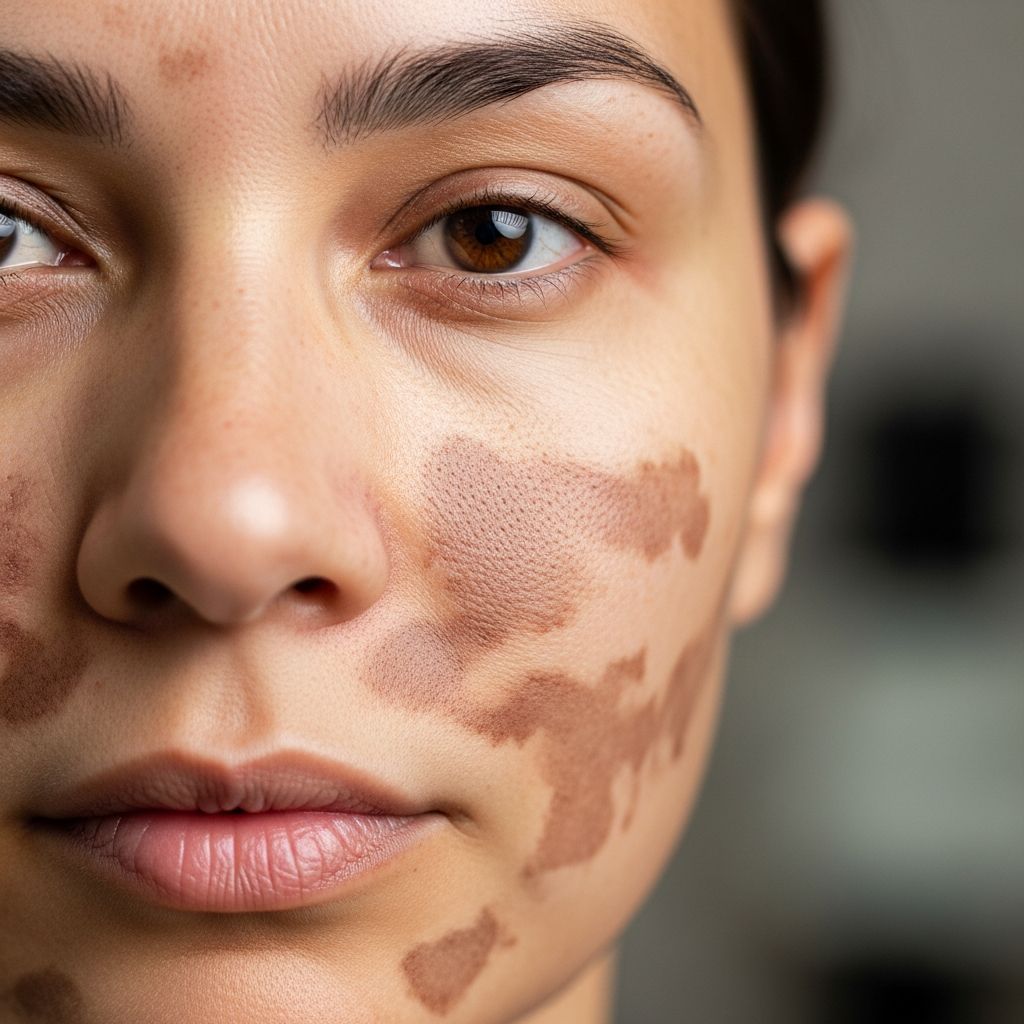
Melasma is a common skin condition characterized by symmetric patches of hyperpigmentation, typically appearing on the face, cheeks, bridge of the nose, forehead, chin, and upper lip. This condition predominantly affects individuals with darker skin types, particularly those of Hispanic, Asian, African, and Middle Eastern descent. The hallmark of melasma is the development of tan, brown, or gray-brown patches that can significantly impact a person’s appearance and self-confidence.
The primary causes of melasma include prolonged sun exposure, genetic predisposition, hormonal changes, and certain medications. Ultraviolet (UV) radiation is considered the most significant triggering factor, as it stimulates melanocytes to produce excess melanin. Hormonal factors, particularly estrogen and progesterone changes related to pregnancy, oral contraceptives, and hormone replacement therapy, can also precipitate or exacerbate melasma. Additionally, certain medications and skincare products containing photosensitizing agents may increase susceptibility to this condition.
Recognizing melasma early is essential for effective management. Patients typically notice symmetric brown or gray patches appearing gradually over months or years, with no accompanying itching or discomfort unless triggered by certain products or sun exposure.
Topical Medications: First-Line Treatment Approach
Topical medications represent the cornerstone of melasma treatment and are typically the first approach dermatologists recommend. These treatments work by inhibiting melanin production through various mechanisms, offering accessible and relatively non-invasive options for managing this stubborn condition.
Hydroquinone: The Gold Standard
Hydroquinone remains the gold standard topical treatment for melasma, with decades of clinical evidence supporting its efficacy. This skin-lightening agent works by inhibiting the enzyme tyrosinase, which is crucial for melanin production. Over-the-counter formulations contain up to 2% hydroquinone, while prescription-strength versions provide 4-6%, offering more potent results for moderate to severe cases. Studies demonstrate that hydroquinone monotherapy achieves significant lightening of melasma patches, with the 4-6% concentration representing the benchmark for optimal efficacy.
However, continuous use of hydroquinone beyond 4-5 months can lead to tachyphylaxis, where the skin becomes less responsive to treatment, or potentially cause ochronosis, a darkening of the skin. For this reason, dermatologists recommend pulsed therapy: applying hydroquinone for 3-4 months followed by a 3-month break, allowing melanocytes to recover and preventing adverse effects.
Triple Combination Therapy
For stubborn or severe melasma cases, dermatologists often prescribe triple combination therapy consisting of hydroquinone (4%), tretinoin (a retinoid), and a mild corticosteroid such as fluocinolone. This synergistic approach targets pigmentation through multiple pathways: hydroquinone inhibits melanin production, tretinoin accelerates cell turnover and normalizes melanocyte behavior, and the corticosteroid reduces inflammation. Clinical studies show that triple combination therapy delivers approximately 50% lightening in as little as four weeks, making it significantly more effective than monotherapy.
Alternative Topical Agents
For patients with sensitivity to hydroquinone or those seeking alternatives, several effective options exist. Tranexamic acid (2-5% topical concentration) has emerged as a preferred alternative due to its superior safety profile and multi-pathway mechanism of action. This ingredient reduces both melanin production and tiny blood vessels in the skin, addressing multiple factors contributing to melasma. Recent clinical reviews have elevated tranexamic acid to first-choice status alongside or instead of hydroquinone in many treatment protocols.
Related Stories



Additional alternatives include azelaic acid (known for lower irritation potential), kojic acid, niacinamide, and cysteamine. A comprehensive meta-analysis reveals that azelaic acid, kojic acid, and tranexamic acid present significantly lower irritation risks (18.7%, 5.3%, and 0.8% respectively) compared to hydroquinone-containing formulations.
Chemical Peels: Accelerating Exfoliation
Chemical peels represent an effective complementary treatment to topical medications, working by accelerating the exfoliation of superficial skin layers containing excess melanin. These treatments utilize various chemical agents such as glycolic acid, salicylic acid, and trichloroacetic acid to remove damaged epidermis and promote cellular turnover.
Superficial to medium-depth peels are generally recommended for melasma, as deeper peels can trigger post-inflammatory hyperpigmentation (PIH), particularly in individuals with darker skin tones. Chemical peels work synergistically with topical medications, enhancing overall treatment efficacy by removing the superficial pigmented layer while topical agents address deeper melanin production.
Laser and Light-Based Therapies
Laser therapy and intense pulsed light (IPL) treatments target pigmentation with focused light energy, typically reserved for cases resistant to topical and chemical treatments. These modalities work by selectively destroying pigmented cells within affected areas, effectively lightening dark patches.
Laser Treatment
Various laser wavelengths, including Q-switched Nd:YAG, alexandrite, and fractional lasers, have been employed for melasma management. Laser treatment has demonstrated the ability to destroy pigment cells in the skin, with effects lasting approximately 24 weeks. However, results vary considerably depending on skin type, treatment depth, and individual factors. Importantly, in some cases, laser treatment can paradoxically worsen melasma, particularly when excessive heat triggers melanocyte stimulation.
Intense Pulsed Light (IPL) Therapy
Intense pulsed light therapy uses a flash lamp light source operating at multiple wavelengths, allowing penetration through various skin layers while reducing post-inflammatory hyperpigmentation risk. Like laser treatment, IPL effects are temporary, typically lasting around 24 weeks, and multiple sessions spaced weeks apart are generally required for optimal results.
Microneedling: A Minimally Invasive Approach
Microneedling presents an increasingly popular minimally invasive option for melasma treatment, particularly for individuals with darker skin tones prone to PIH. This technique uses fine needles to create controlled micro-injuries, stimulating collagen remodeling and skin renewal without employing heat or light that might trigger additional pigmentation.
A significant advantage of microneedling for melasma is that it does not use heat or light, which can sometimes exacerbate pigmentation in susceptible individuals. Multiple sessions spaced several weeks apart are required for optimal results, and microneedling works best as part of a comprehensive treatment plan incorporating topical medications and sun protection rather than as a standalone therapy.
Combination Therapy: Maximizing Treatment Efficacy
Given melasma’s stubborn nature and tendency to recur, dermatologists increasingly recommend combination therapy utilizing multiple modalities to target pigmentation at different skin levels. A comprehensive regimen typically includes:
- Hydroquinone or alternative tyrosinase inhibitors applied daily
- Retinoids to accelerate cell turnover and normalize melanocyte behavior
- Broad-spectrum sunscreen with SPF 30+ or higher
- Chemical peels or laser treatments for accelerated results
- Tranexamic acid (oral or topical) to block additional vascular factors
This multi-targeted approach addresses melasma through several mechanisms simultaneously, delivering faster and more sustained results than single-modality treatments. The combination approach also reduces tachyphylaxis risk by cycling different agents rather than relying on continuous monotherapy.
Sun Protection: The Foundation of Melasma Management
Sun protection is absolutely essential for melasma management and prevention, serving as the foundation upon which all other treatments build. UV radiation is the primary trigger for melasma development and recurrence, making photoprotection non-negotiable for long-term success. Without consistent sun protection, even the most effective treatments will yield disappointing results and rapid recurrence.
Recommended sun protection strategies include:
- Daily broad-spectrum sunscreen with SPF 30 or higher
- Reapplication every two hours, or after swimming or sweating
- Physical sunscreens containing zinc oxide or titanium dioxide
- Protective clothing, wide-brimmed hats, and sunglasses
- Avoidance of peak sun exposure hours (10 AM to 4 PM)
- Year-round protection, including cloudy days
Consistent photoprotection, rather than occasional use of bleaching agents, is what maintains melasma improvement long-term.
Recovery and Maintenance: Ensuring Long-Term Results
Successful melasma treatment extends beyond the initial intervention to include thoughtful recovery and ongoing maintenance strategies. Most topical treatments require consistent application for 8-12 weeks before visible improvement becomes apparent. Patience and adherence are critical, as discontinuing treatment prematurely will result in rapid repigmentation.
Post-treatment care varies depending on the modality employed. After chemical peels or laser treatments, patients should expect temporary redness, mild swelling, and increased sun sensitivity. Strict sun avoidance and careful skincare are essential during the recovery period, typically lasting 3-7 days depending on treatment depth.
Long-term maintenance involves continuing topical treatments at reduced frequency (often 2-3 times weekly after achieving desired results) combined with rigorous sun protection and gentle skincare. Many patients benefit from periodic professional treatments combined with consistent at-home regimens to prevent recurrence and maintain improvement.
Understanding Treatment Risks and Side Effects
While most melasma treatments are generally safe when used appropriately, understanding potential risks and side effects enables informed decision-making and proper management. Hydroquinone, though highly effective, can cause irritation, contact dermatitis, and ochronosis with prolonged continuous use. For this reason, cycled hydroquinone use with periodic breaks significantly reduces ochronosis risk from 0.9% to just 0.05%.
Tretinoin commonly causes initial irritation, redness, and peeling, which typically resolve as skin adjusts. Pregnancy is a significant contraindication for hydroquinone, with guidelines recommending discontinuation when attempting conception or during breastfeeding, as up to 35% of topical hydroquinone undergoes systemic absorption.
Laser and light-based therapies carry risks of post-inflammatory hyperpigmentation, particularly in darker skin types, though modern techniques have substantially reduced this risk. Chemical peels can cause temporary crusting, redness, and in rare cases, scarring or infection if not properly performed.
Frequently Asked Questions
Q: What is the most effective treatment for melasma?
A: Triple combination therapy (hydroquinone 4%, tretinoin 0.05%, and fluocinolone 0.01%) has been clinically proven as the gold standard, delivering approximately 50% lightening in as little as four weeks. However, combination therapy utilizing multiple modalities—including topical medications, chemical peels, sun protection, and potentially laser treatments—provides the most comprehensive and effective long-term results.
Q: What is the fastest way to treat melasma?
A: The fastest approach involves prescription-strength triple combination creams combined with chemical peels or laser therapy, along with strict sun protection. Prescription formulations deliver faster results than over-the-counter alternatives, with triple therapy achieving significant lightening within 4-6 weeks.
Q: Can melasma be cured permanently?
A: Melasma does not have a permanent cure, but it can be effectively managed and lightened significantly with appropriate treatment and ongoing maintenance. The condition tends to recur without consistent sun protection and periodic treatment maintenance.
Q: What topical creams work best for melasma?
A: Hydroquinone (2-4%), tretinoin (a retinoid), and tranexamic acid represent the most effective topical options. For sensitive skin, azelaic acid or kojic acid may provide better tolerance with lower irritation risk.
Q: Is laser treatment safe for melasma?
A: Laser treatment can be effective for stubborn melasma cases, with effects lasting approximately 24 weeks. However, it carries a risk of worsening melasma in some cases, particularly in individuals with darker skin tones, and should only be considered after exhausting topical and chemical approaches.
Q: How long does melasma treatment take to show results?
A: Most topical treatments require 8-12 weeks of consistent application before visible improvement appears. Triple combination therapy may show results within 4-6 weeks, while laser or chemical peel effects may be more immediate but typically require multiple sessions for optimal results.
Conclusion
Melasma treatment requires a comprehensive, individualized approach tailored to each patient’s skin type, severity, preferences, and tolerance. While no single cure exists, combining topical medications (particularly hydroquinone, tretinoin, or tranexamic acid), chemical peels, professional light-based treatments when appropriate, and rigorous sun protection provides excellent results for most patients. Success depends not only on selecting the right treatment modality but equally on patient commitment to consistent application, regular follow-up, and lifelong photoprotection. Consulting with an experienced dermatologist enables development of a personalized treatment plan addressing your specific melasma characteristics and skin concerns, ultimately achieving significant improvement and maintaining long-term results.
References
- Topical Medications for Melasma Treatment — Beverly Hills Medical Spa. 2024. https://beverlyhillsmedispa.com/the-best-melasma-treatment-in-palm-beach/
- Hydroquinone and Combination Therapy for Melasma: Clinical Evidence and Best Practices — Eureka Health. 2024. https://www.eurekahealth.com/resources/melasma-worse-despite-sunscreen-hydroquinone-vs-tranexamic-acid-en
- Efficacy and Safety of Topical Agents in the Treatment of Melasma: Meta-Analysis — U.S. National Library of Medicine, National Institutes of Health. 2023. https://pubmed.ncbi.nlm.nih.gov/36566490/
- What is Melasma? Causes, Symptoms and Treatment Options — CVS Health. 2024. https://www.cvs.com/learn/health/skin-health-conditions/what-is-melasma
- Melasma Treatment: From At-Home to Clinical Options — Skin.Software Journal. 2024. https://www.skin.software/journal/melasma-treatment
Similar Articles








Read full bio of medha deb