Melasma (Chloasma): Causes, Symptoms & Treatment Options
Understanding melasma: Learn about causes, symptoms, and effective treatment strategies for facial hyperpigmentation.
Understanding Melasma and Chloasma
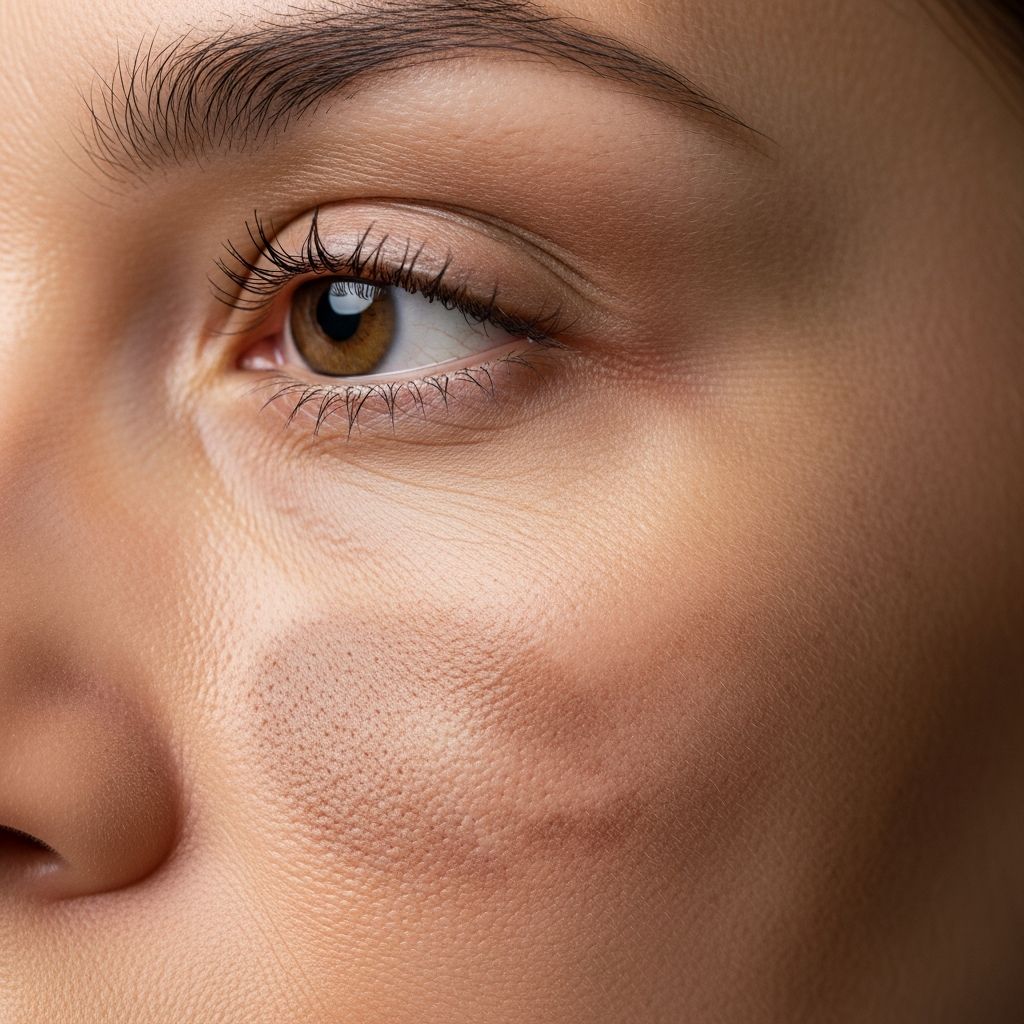
Melasma, commonly known as chloasma, is a prevalent skin condition characterized by the development of symmetric brown to grayish patches on the face. The condition results from an overproduction of melanin, the pigment responsible for skin coloration. While melasma is primarily a cosmetic concern and poses no serious health risks, it can be persistent and challenging to treat. The patches typically appear as flat, uneven areas that are several shades darker than a person’s natural skin tone, ranging from tan or light brown to dark brown or bluish-gray.
Melasma affects approximately six million women in the United States, with women accounting for about 90 percent of all cases. However, men can also develop this condition, though less frequently. The disorder has earned the nickname “mask of pregnancy” because it commonly emerges during pregnancy due to hormonal fluctuations. Despite its prevalence, many people remain unaware of what causes melasma or how to effectively manage it.
What Causes Melasma?
Melasma develops when melanocytes—the cells responsible for producing melanin—become overactive and generate excessive pigment. While the exact mechanism remains not fully understood, researchers have identified several key trigger factors that can stimulate melanin production.
Hormonal Factors
Hormonal changes represent one of the most significant contributors to melasma development. Fluctuations in estrogen and progesterone levels are strongly linked to the condition. Pregnancy is a common precipitating factor, which explains why the condition is sometimes referred to as the “mask of pregnancy” or chloasma gravidarum. Additionally, oral contraceptives and hormone replacement therapy can trigger or exacerbate melasma. Some men taking estrogen for prostate cancer treatment have also developed the condition, further confirming the hormonal connection.
Sun Exposure and Environmental Factors
Ultraviolet radiation from sun exposure is another critical factor in melasma development. Importantly, sun exposure alone may not be sufficient to cause melasma; rather, it typically acts in combination with other triggers, particularly hormonal changes. Interestingly, research indicates that melasma can be worsened not only by ultraviolet rays but also by heat and visible light. This finding has important implications for prevention, as it suggests that traditional sunscreens designed to prevent skin cancer may be insufficient for melasma prevention.
Other Contributing Factors
Additional factors that may contribute to melasma development include genetic predisposition, certain medications, stress, and underlying inflammatory conditions. People with darker skin tones have naturally more melanocytes than those with lighter skin, making them more vulnerable to melasma and other pigmentation disorders. Individuals with a family history of melasma face an increased risk of developing the condition themselves.
Recognizing Melasma Symptoms
Melasma presents with distinctive visual characteristics that make it identifiable, though it may sometimes be confused with other skin conditions like age spots or freckles. Understanding these symptoms can help individuals recognize the condition early.
Appearance and Distribution
Melasma appears as flat, uneven patches that are typically several shades darker than the surrounding skin. The discoloration can manifest in various colors, from tan or light brown to dark brown or bluish-gray. These patches often exhibit a net-like or lacy pattern and may have irregular borders. Individual spots can blend together to form larger, more prominent patches. Unlike some other skin conditions, melasma does not cause itching, pain, or physical discomfort—it is purely a cosmetic concern.
Common Locations
Melasma typically appears in specific facial locations, including the upper lip, cheeks, forehead, nose, and chin. The symmetrical nature of these patches—appearing on both sides of the face—helps distinguish melasma from other pigmentation disorders. In some cases, melasma may also appear on the neck, shoulders, or forearms, though facial involvement is most common.
Chronic Nature
An important characteristic of melasma is its chronic and persistent nature. The condition frequently fades and returns in cycles, particularly with seasonal variations or renewed sun exposure. Women who develop melasma in their teens, twenties, or thirties may experience it for decades if left untreated. This long-term potential underscores the importance of early intervention and ongoing management strategies.
Diagnosis of Melasma
Diagnosing melasma is relatively straightforward and typically does not require extensive laboratory testing. Most healthcare providers can identify the condition through clinical examination alone.
Clinical Examination
Healthcare providers diagnose melasma primarily by visually inspecting the dark patches and discussing potential triggers with the patient. The characteristic appearance of symmetric brown or grayish patches on the face, combined with a patient’s history of hormonal changes, sun exposure, or medication use, usually provides sufficient diagnostic evidence. The provider will inquire about onset, progression, family history, and any associated factors like pregnancy or oral contraceptive use.
Wood’s Lamp Examination
In some cases, healthcare providers may use a specialized diagnostic tool called a Wood’s lamp (also known as a black light or ultraviolet lamp). This device emits ultraviolet light at a specific wavelength that enhances the visibility of pigmentation in the skin, allowing the provider to better assess the depth and extent of melasma. The Wood’s lamp can help distinguish melasma from other hyperpigmentation conditions by revealing the distribution pattern of excess melanin.
Skin Biopsy
In rare cases where the diagnosis remains uncertain, a healthcare provider may perform a skin biopsy. This procedure involves removing a small sample of affected skin tissue for microscopic examination. A pathologist analyzes the tissue to confirm the diagnosis and rule out other conditions that might mimic melasma’s appearance. However, biopsies are uncommonly necessary for melasma diagnosis.
Treatment Options for Melasma
Various treatment approaches exist for managing melasma, ranging from topical medications to more invasive procedures. Treatment effectiveness varies among individuals, and many dermatologists recommend a combination approach for optimal results.
Topical Treatments
Topical creams represent the first-line treatment for most melasma cases. These medications work by reducing melanin production and gradually lightening dark patches. Common topical agents include:
- Hydroquinone: A depigmenting agent that inhibits tyrosinase, an enzyme essential for melanin production. Available in various concentrations, hydroquinone has demonstrated significant efficacy in clinical trials.
- Tretinoin: A vitamin A derivative that promotes skin cell turnover and can help fade hyperpigmentation over time.
- Azelaic acid: An agent that reduces melanin production and has anti-inflammatory properties.
- Niacinamide: Vitamin B3 derivative that decreases melanin transfer and shows a favorable side effect profile compared to some alternatives.
- Kojic acid: A natural compound derived from fungi that inhibits melanin production.
- Vitamin C: An antioxidant that can help brighten skin and reduce pigmentation.
- Cysteamine: A compound that reduces melanin production through multiple mechanisms.
- Thiamidol: A newer ingredient that specifically targets melanin production.
- Fluocinolone acetonide: A topical corticosteroid often combined with other agents for enhanced efficacy.
Most prescription melasma creams should be applied as directed by a healthcare provider, typically once or twice daily. Results usually appear gradually over several weeks to months of consistent use.
Chemical Peels
Chemical peels remove the outermost layer of skin, helping to fade dark spots and improve overall skin tone. These treatments work by inducing controlled exfoliation, which encourages the shedding of pigmented skin cells. Chemical peels are often most effective when combined with topical cream treatments, as the peeling action enhances absorption and efficacy of depigmenting agents. Dermatologists may use peels of varying strengths depending on melasma severity and skin type.
Microneedling
Microneedling involves using a device with tiny needles to create microscopic punctures in the skin. This controlled injury stimulates the body’s natural healing response, promoting collagen remodeling and skin regeneration. As the skin heals, tone, texture, and pigmentation can improve significantly. Microneedling may be particularly useful for melasma cases resistant to topical treatments alone and can be combined with other therapies for enhanced results.
Microdermabrasion
Similar in principle to chemical peels, microdermabrasion uses mechanical abrasion to remove the skin’s outer layer. This treatment promotes skin renewal and can help fade melasma patches when used repeatedly over time. Microdermabrasion may be a gentler alternative to chemical peels for some patients.
Tranexamic Acid
Tranexamic acid is an oral or topical medication that works through multiple mechanisms to reduce melanin production and minimize tiny blood vessels in the skin. This treatment is often considered when other standard treatments have proven ineffective. It represents an alternative pathway for addressing stubborn melasma cases.
Laser and Light Therapies
Laser and light-based treatments use focused light energy to target pigmentation in the skin. These technologies are typically reserved as a last resort for the most stubborn and resistant melasma cases. While these treatments can be effective, results vary considerably among patients. Importantly, in some cases, lasers can actually worsen melasma, causing paradoxical darkening of the treated areas. Therefore, laser treatment should only be pursued under the guidance of experienced dermatologists who understand melasma’s complexities.
Prevention and Management Strategies
While melasma cannot always be prevented, particularly in individuals with genetic predisposition, certain strategies can reduce the risk of developing the condition or prevent recurrence after successful treatment.
Sun Protection
Sun protection is crucial for both preventing melasma and maintaining treatment results. However, standard sunscreens designed to prevent skin cancer may be insufficient for melasma prevention, as the condition can be triggered by visible light and heat in addition to ultraviolet radiation. Comprehensive sun protection should include:
- Physical (mineral) sunscreens containing zinc oxide or titanium dioxide, which reflect rather than absorb light
- Broad-spectrum protection with SPF 30 or higher
- Daily application, even on cloudy days
- Reapplication every two hours or after swimming
- Protective clothing, wide-brimmed hats, and sunglasses
- Avoidance of peak sun hours (10 AM to 4 PM)
Minimizing Hormonal Triggers
For individuals prone to melasma, discussing hormonal medications with healthcare providers may be beneficial. While hormonal contraceptives and hormone replacement therapy are valuable treatment options for many, individuals with a personal or family history of melasma should inform their providers about this risk so that alternatives can be considered if necessary.
Stress Management
Since stress may contribute to melasma development or exacerbation, incorporating stress-reduction techniques such as meditation, exercise, adequate sleep, and relaxation practices may help some individuals manage their condition.
Frequently Asked Questions About Melasma
Q: Is melasma dangerous or a sign of serious illness?
A: No, melasma is not dangerous. It poses no serious health threat, is not contagious, is not caused by infection or allergic reaction, and is not cancerous. In fact, some research suggests that people with melasma may have a lower risk of melanoma. Melasma is purely a cosmetic condition.
Q: Can melasma be permanently cured?
A: Melasma can be effectively treated and lightened, but it is often chronic and recurrent. Many individuals experience fading and return of the condition over time, particularly with sun exposure or hormonal fluctuations. Ongoing maintenance treatment and sun protection are typically necessary to maintain results.
Q: Why is melasma so difficult to treat?
A: Melasma’s persistent nature relates to its multiple contributing factors and the chronic activity of melanocytes. Because hormonal and environmental factors continue to trigger melanin overproduction, the condition tends to recur. Individual genetic factors also influence treatment response.
Q: Who is most at risk for developing melasma?
A: Women are predominantly affected, particularly those of reproductive age experiencing hormonal changes. Individuals with darker skin tones, those with family histories of melasma, and people living in sunny climates face higher risk. Pregnancy and oral contraceptive use significantly increase risk in susceptible individuals.
Q: How long does melasma treatment take to show results?
A: Results vary depending on the treatment modality used. Topical treatments typically require 8 to 12 weeks of consistent use before noticeable improvement appears. More invasive procedures like chemical peels or microneedling may show results more quickly, though multiple sessions are often necessary.
Q: Can I use over-the-counter products to treat melasma?
A: While some over-the-counter products containing niacinamide, vitamin C, or kojic acid may provide modest benefits, most effective melasma treatments require a prescription. Consulting with a dermatologist ensures access to more potent formulations and combination therapies tailored to individual needs.
References
- Melasma Treatments: From Hydroquinone Creams to Modern Approaches — Harbor Compounding. Accessed December 2, 2025. https://www.harborcompounding.com/melasma-treatments-exploring-beyond-hydroquinone-creams-for-hyperpigmentation
- What is Melasma? Causes, Symptoms and Treatment — CVS Health. Accessed December 2, 2025. https://www.cvs.com/learn/health/skin-health-conditions/what-is-melasma
- So You Have Melasma—Now What? Expert Dermatology Insights — Coveteur. September 25, 2020. https://coveteur.com/2020/09/25/dermatologist-tips-melasma-treatment/
- A Case-Control Study of Racial Differences in Melasma Risk Factors and Incidence in a Diverse National United States Population — National Center for Biotechnology Information (NCBI/PubMed). 2024. https://pubmed.ncbi.nlm.nih.gov/38729433/
Similar Articles








Read full bio of medha deb