Melasma: Diagnosis, Treatments, And Prevention Guide
Complete guide to understanding melasma: causes, diagnosis, and effective treatment options.
Understanding Melasma
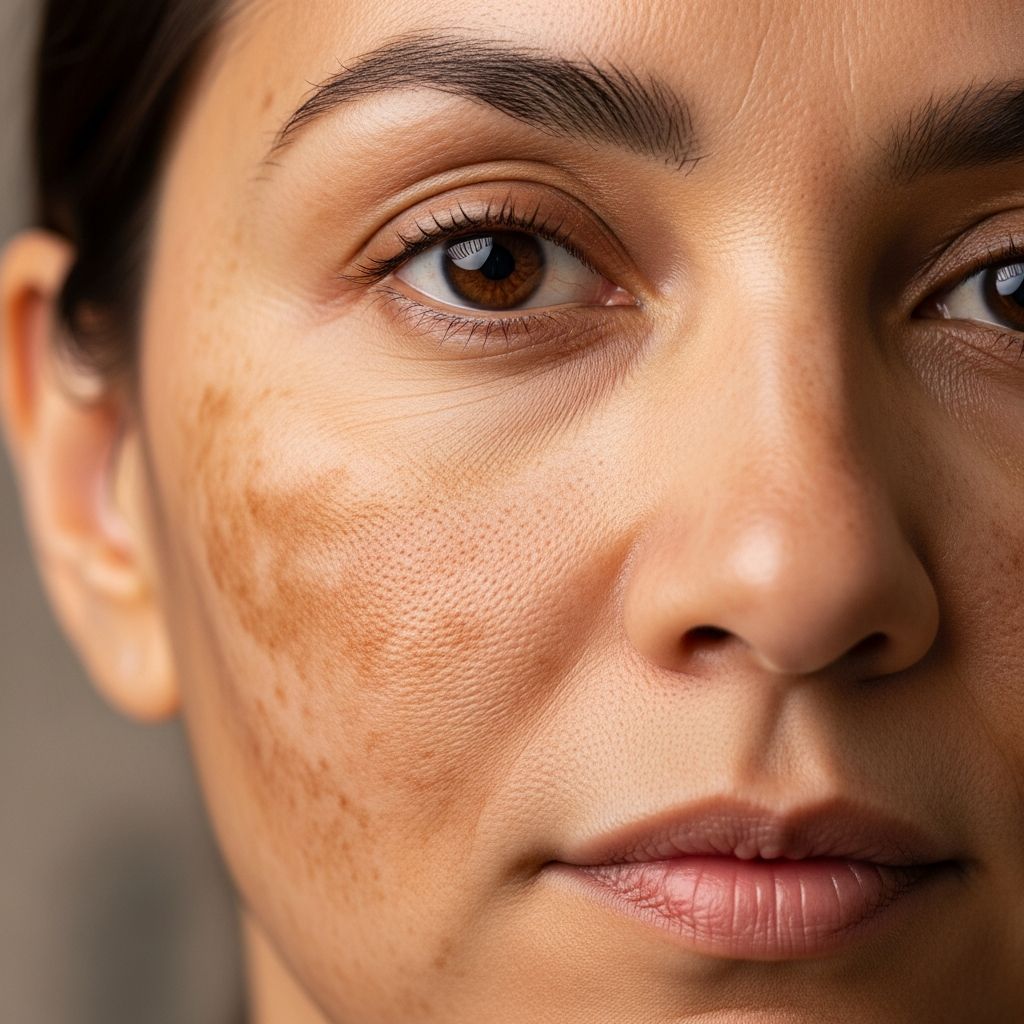
Melasma is a common skin condition characterized by the development of light brown, dark brown, or blue-gray patches on the skin, most commonly appearing on the face. The condition is caused by an overproduction of the cells that create the pigment responsible for your skin’s color. While melasma is harmless, it can affect your appearance and may impact your confidence. The good news is that melasma is treatable, and several options exist to help manage and reduce its appearance.
The condition is particularly prevalent among individuals with darker skin tones and is often associated with sun exposure, hormonal changes, and certain medications. Understanding the causes and available treatments can help you take proactive steps to manage this condition effectively.
What Causes Melasma?
Melasma develops when melanocytes, the cells responsible for producing melanin (skin pigment), become overactive and produce excessive amounts of pigment. Several factors can trigger this overproduction:
- Sun Exposure: Ultraviolet (UV) radiation is one of the primary triggers for melasma. Prolonged exposure to sunlight stimulates melanocytes to produce more pigment, leading to visible patches on sun-exposed areas.
- Hormonal Changes: Fluctuations in hormone levels, particularly during pregnancy, can trigger melasma. This is why the condition is sometimes called “chloasma” or “mask of pregnancy.”
- Birth Control and Hormone Replacement: Oral contraceptives and hormone replacement therapy can increase the risk of developing melasma due to hormonal fluctuations.
- Genetic Predisposition: If melasma runs in your family, you may be more susceptible to developing the condition.
- Skin Type: Individuals with darker skin tones are at higher risk for melasma compared to those with lighter skin.
- Certain Medications: Some medications can increase photosensitivity and contribute to melasma development.
Symptoms and Appearance
Melasma typically manifests as symmetric patches of discoloration on the face. The most commonly affected areas include the cheeks, bridge of the nose, forehead, upper lip, and chin. The patches are usually flat and can vary in size and intensity. The discoloration may appear as light brown, dark brown, or grayish-blue patches, depending on the depth of pigmentation in the skin layers.
Unlike other skin conditions, melasma does not cause itching, pain, or other physical symptoms beyond the visible discoloration. However, some individuals may experience psychological distress due to the appearance of the patches.
How Melasma Is Diagnosed
Proper diagnosis is essential to confirm melasma and rule out other skin conditions that may present similarly. Your dermatologist or healthcare provider will examine your skin during a clinical evaluation. Here are the primary diagnostic methods:
Wood’s Lamp Examination
The Wood’s lamp, also known as a black light, emits long-wave ultraviolet light that helps dermatologists visualize changes in skin pigmentation. When exposed to this lamp, melasma patches become more apparent, allowing your doctor to determine the depth of pigmentation. Epidermal melasma appears darker under the Wood’s lamp, while dermal melasma may be less visible.
Dermoscopy
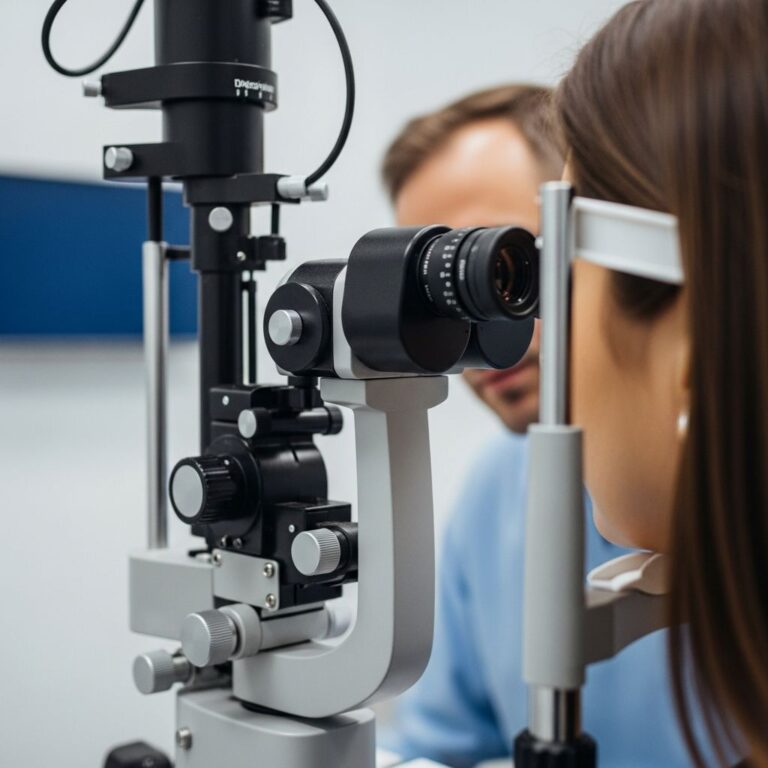
Dermoscopy involves using a specialized magnifying device to examine the skin more closely. This tool allows your healthcare provider to observe the pattern of pigmentation and assess the severity of the condition.
Related Stories



Skin Biopsy
In some cases, your doctor may recommend a skin biopsy to confirm the diagnosis and rule out other conditions. During this quick and safe procedure, a small sample of affected skin is removed and examined under a microscope. A biopsy typically reveals increased melanin in the epidermis and dermis, confirming melasma.
Medical History and Thyroid Evaluation
Your healthcare provider will discuss your medical history, including any family history of melasma, pregnancy status, medication use, and sun exposure habits. Interestingly, there appears to be an association between thyroid disease and melasma, so your doctor may recommend thyroid function testing.
Measuring Melasma Severity
The Melasma Area and Severity Index (MASI) is a standardized scale used to measure the severity of melasma. This assessment helps your healthcare provider track changes over time and determine the effectiveness of treatment options.
Treatment Options for Melasma
Several treatment approaches are available for melasma, ranging from topical medications to professional procedures. The most effective treatment plan often combines multiple approaches tailored to your specific situation.
Topical Medications
Topical therapy is often the first line of treatment for melasma. These medications work by preventing new pigment formation and gradually lightening existing patches. The primary class of topical agents used are tyrosinase inhibitors, which block the enzyme responsible for melanin production.
Hydroquinone
Hydroquinone is the most commonly prescribed topical treatment for melasma. This tyrosinase inhibitor is available in various strengths, typically ranging from 2% to 4% for over-the-counter products and up to 12% for prescription formulations. Hydroquinone works by inhibiting the enzyme responsible for melanin synthesis, gradually lightening the discolored patches.
Tretinoin
Tretinoin, a form of vitamin A (retinoid), increases cell turnover and helps fade pigmentation. If you are not pregnant, tretinoin may be recommended as part of your treatment regimen. This medication helps slough off pigmented cells and promotes the growth of new, evenly-toned skin. Since tretinoin can increase skin sensitivity to the sun, consistent use of broad-spectrum sunscreen is essential.
Topical Corticosteroids
Moderate-strength topical corticosteroids can be used as part of a combination therapy to reduce inflammation and enhance the effectiveness of other treatments.
Combination Therapy
Research has demonstrated that the combination of hydroquinone, tretinoin, and a moderate topical steroid produces the best results for melasma treatment. This triple combination addresses pigmentation from multiple angles, providing more effective results than any single agent alone.
Other Topical Agents
Additional topical treatments may include tranexamic acid, vitamin C serums, niacinamide, and kojic acid. These ingredients have shown promise in reducing melasma pigmentation and may be recommended based on your skin’s response and sensitivity.
Professional Treatment Procedures
For individuals seeking more aggressive treatment or those who have not responded adequately to topical medications, several professional procedures offer effective results.
Laser Therapy
Laser treatments have become increasingly popular for melasma management. Two primary types of lasers are used:
- Nd:YAG Lasers: These lasers use short pulses of light energy to target both epidermal and dermal melanin deposits associated with melasma. The focused light energy breaks down the excess pigment, allowing the body to naturally eliminate it.
- Pico Lasers: Pico lasers also use short pulses of light energy but operate at an even faster speed than traditional lasers. They effectively break down melanin pigment clusters that cause discoloration, with less risk of post-inflammatory hyperpigmentation.
Chemical Peels
Chemical peels involve applying a chemical solution to the skin that causes controlled exfoliation. The outer layers of skin are removed, revealing fresher, more evenly-toned skin underneath. Chemical peels containing alpha hydroxy acids (AHAs) or other exfoliating agents can significantly improve melasma appearance. Multiple treatments may be necessary for optimal results.
Microdermabrasion
This procedure uses tiny crystals or a diamond-tipped wand to gently exfoliate the outer layer of skin. By removing damaged, pigmented skin, microdermabrasion allows new, clearer skin to emerge. This treatment is typically gentler than chemical peels and may require multiple sessions.
Microneedling
Microneedling involves creating very small, controlled injuries to the skin using fine needles. As your skin heals, it can regenerate with a more even tone. This procedure can be particularly effective when combined with other treatments.
Laser Resurfacing
Fractional laser resurfacing treatments remove layers of skin to eliminate pigmentation and stimulate collagen production, resulting in improved skin texture and tone.
When Melasma May Fade On Its Own
In some cases, melasma may fade without treatment when triggering factors are eliminated. Women who develop melasma during pregnancy often notice significant improvement or complete resolution after delivery. Similarly, individuals who discontinue birth control medications may experience fading of melasma patches over time. However, relying solely on trigger elimination may not be practical for everyone, making professional treatment a worthwhile consideration.
Prevention and Management Strategies
Preventing melasma recurrence and managing the condition effectively requires a comprehensive approach:
Sun Protection
Sun protection is the most critical component of melasma management. Use broad-spectrum sunscreen with an SPF of at least 30, preferably 50 or higher, daily. Reapply every two hours, especially if you’re spending time outdoors. Additionally, consider wearing protective clothing, hats, and sunglasses to minimize UV exposure.
Gentle Skincare
Use a mild cleanser that won’t strip your skin’s natural moisture barrier. Avoid harsh scrubs and irritating products that can aggravate melasma. When using active treatments like retinoids, start with lower concentrations and gradually increase as your skin builds tolerance.
Hormonal Management
If melasma is triggered or worsened by hormonal factors, discuss options with your healthcare provider. This may include reconsidering oral contraceptives or adjusting hormone replacement therapy if appropriate.
Avoiding Heat Exposure
Heat can stimulate melanocytes and worsen melasma. Try to avoid excessive heat exposure and maintain a cool environment when possible.
Frequently Asked Questions
Q: Is melasma permanent?
A: While melasma is chronic and can recur, it is not permanent. With appropriate treatment and prevention strategies, melasma can be significantly reduced or managed effectively. However, it may return if triggering factors are reintroduced, particularly sun exposure.
Q: Can melasma be completely cured?
A: There is no definitive cure for melasma, but the condition can be effectively managed and treated. Most cases respond well to a combination of topical medications and professional procedures, with results improving over time with consistent treatment and sun protection.
Q: How long does melasma treatment take?
A: Treatment duration varies depending on the severity of melasma and the chosen treatment approach. Topical medications typically require 3 to 6 months of consistent use to show significant improvement. Professional procedures may show results more quickly but often require multiple sessions spaced several weeks apart.
Q: Is melasma dangerous?
A: No, melasma is harmless and does not pose any health risks. It is purely a cosmetic concern and does not require medical treatment unless you wish to improve the appearance for personal reasons.
Q: Can men develop melasma?
A: Yes, while melasma is more common in women due to hormonal factors, men can also develop the condition, particularly those with darker skin tones and significant sun exposure.
Q: What should I do if my melasma worsens?
A: If your melasma worsens despite treatment, consult your dermatologist. They may recommend adjusting your treatment regimen, trying different medications or procedures, or investigating potential underlying causes such as thyroid disease.
References
- Melasma: Treatment, Causes & Prevention — Cleveland Clinic. 2024. https://my.clevelandclinic.org/health/diseases/21454-melasma
- Everything You Need to Know About Melasma — WebMD. https://www.webmd.com/skin-problems-and-treatments/what-is-melasma
- These Are The Best Ways To Treat Melasma, According To Dermatologists — Women’s Health Magazine. https://www.womenshealthmag.com/beauty/a62988863/how-to-treat-melasma/
- Chemical Peels: Types of Peels, Conditions Treated, What to Expect — Cleveland Clinic. https://my.clevelandclinic.org/health/treatments/11010-chemical-peels
- Retinol: Cream, Serum, What It Is, Benefits, How To Use — Cleveland Clinic. https://my.clevelandclinic.org/health/treatments/23293-retinol
- Hydroquinone Cream: How to Apply & Side Effects — Cleveland Clinic. https://my.clevelandclinic.org/health/drugs/19764-hydroquinone-skin-cream-gel-emulsion-lotion-or-solution
Similar Articles








Read full bio of medha deb