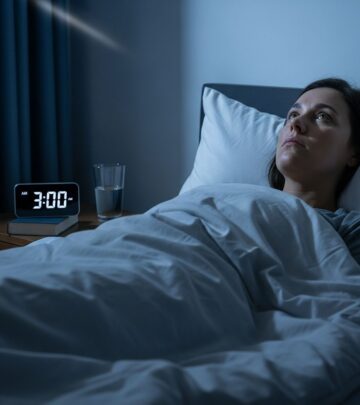
Melatonin for Sleep: Does It Really Work?
Discover how melatonin works, its effectiveness for sleep issues, and safe usage guidelines.

Millions of people struggle with sleep each night, turning to various remedies in search of a good night’s rest. One of the most popular over-the-counter solutions is melatonin, a naturally occurring hormone that regulates sleep-wake cycles. But does melatonin actually work? The answer is more nuanced than a simple yes or no. Understanding how melatonin functions, its effectiveness for different sleep issues, and proper usage guidelines can help you determine whether it’s the right choice for your sleep concerns.
What Is Melatonin and How Does It Work?
Melatonin is a hormone produced by the pineal gland in the brain in response to darkness. As evening approaches and daylight fades, melatonin levels naturally increase, signaling to your body that it’s time to prepare for sleep. This hormone plays a crucial role in regulating your circadian rhythm—your body’s internal 24-hour clock that governs sleep-wake cycles, body temperature, and hormone release.
The production and release of melatonin are tightly controlled by light exposure. When you’re exposed to bright light, melatonin production decreases, promoting wakefulness. Conversely, darkness triggers melatonin release, promoting sleepiness. This natural process has evolved over millions of years to keep humans synchronized with the Earth’s light-dark cycle.
Melatonin supplements are synthetic versions of this natural hormone designed to help regulate sleep patterns when the body’s natural production is insufficient or poorly timed. These supplements work by enhancing the natural signaling mechanisms that prepare your body for sleep.
Does Melatonin Actually Work?
Research suggests that melatonin can be effective for certain sleep problems, though its effectiveness varies depending on the specific condition and individual factors. Unlike prescription sleep medications that act as strong sedatives, melatonin works more gently by helping to reset your internal clock and prepare your body for sleep.
The effectiveness of melatonin is most established for conditions involving circadian rhythm disruption, where the body’s internal clock is misaligned with the desired sleep schedule. For other types of insomnia, results are more mixed, and melatonin may not provide the same level of benefit.
Specific Conditions Where Melatonin May Help
Understanding which sleep problems melatonin can address helps determine whether it’s an appropriate choice for your situation.
Difficulty Falling Asleep
Many people struggle to fall asleep at their desired bedtime. Some are naturally “night owls” with a preference for staying up late, while others experience consistent difficulty transitioning to sleep regardless of the time. For these individuals, taking melatonin 30 minutes to an hour before the intended bedtime may help promote earlier sleep onset. By providing an external signal that aligns with your desired sleep schedule, melatonin can help train your body to feel tired at an appropriate time.
Jet Lag
Related Stories



Traveling across multiple time zones creates a significant mismatch between your internal circadian rhythm and the local day-night cycle. This can result in daytime drowsiness, difficulty falling asleep at night, and general disorientation. Melatonin has shown promise in helping travelers adjust to new time zones by shifting the timing of the circadian rhythm. Taking melatonin in the evening (according to the destination’s local time) can help reset your internal clock more quickly and improve both nighttime sleep and daytime alertness.
Shift Work Sleep Disorder
Workers on late or overnight shifts often struggle to sleep during the day and stay alert during working hours. Their work schedule is fundamentally at odds with their natural circadian rhythm. Some evidence suggests that taking melatonin before bed can improve total sleep time in shift workers. However, melatonin alone may not be sufficient to improve alertness during work hours, and combining it with other strategies—such as maintaining a strict sleep schedule, controlling light exposure, and strategic caffeine use—typically produces better results.
Staying Asleep
While melatonin can help with falling asleep, its benefits for maintaining sleep throughout the night are less clear. People who wake frequently during the night or experience early morning awakening may find that melatonin provides limited benefit. In these cases, alternative treatment options or different approaches may prove more effective.
Melatonin Dosage Guidelines
Proper dosing is crucial for both effectiveness and safety. Melatonin supplements are available in various strengths, typically ranging from 1 mg to 10 mg per dose. Getting the right dose requires a thoughtful, individualized approach.
Starting Your Melatonin Use
Most healthcare providers recommend starting with the lowest possible dose taken nightly. This conservative approach allows you to determine the minimum amount needed to achieve the desired effect while minimizing potential side effects. A typical starting dose is 0.5 mg to 3 mg, depending on individual factors and the specific sleep concern.
Adjusting Your Dose
If your initial dose doesn’t produce the desired results, you can gradually increase it. Healthcare experts recommend increasing the dose by 1 mg no more than once weekly until sleep improves. However, doses should not exceed 10 mg daily, as research has not demonstrated additional benefits beyond this amount. Higher doses do not necessarily produce better results and may increase the risk of side effects.
Timing of Administration
For optimal results, take melatonin approximately 30 minutes before your intended bedtime. This timing allows the supplement to reach peak levels as you’re preparing to sleep. Taking it too early may result in drowsiness before you’re ready for bed, while taking it too late may not provide adequate time for the hormone to prepare your body for sleep.
Side Effects and Safety Considerations
Melatonin is generally well-tolerated and does not cause many side effects. Unlike prescription sleep medications that produce strong sedation, melatonin works more gently, which is why it’s available over-the-counter without a prescription in most countries.
Common Side Effects
The most frequently reported side effects are typically mild and include:
- Dizziness
- Vivid or unusual dreams
- Mild tremor
- Headache
- Abdominal cramps
Daytime drowsiness is a particular concern if melatonin is taken too late in the evening. If you take melatonin and experience lingering drowsiness the next day, refrain from driving or operating machinery for at least 5 hours after taking the supplement. This precaution is essential for safety.
Less Common Side Effects
Some individuals may experience less frequent but more bothersome reactions, including irritability, confusion, or disorientation. These effects are typically associated with higher doses or individual sensitivity.
Potential Interactions and Contraindications
While melatonin is generally safe, it can interact with several prescription medications. Additionally, in certain cases, melatonin usage may worsen more severe sleep disorders, particularly at higher doses. It’s essential to discuss starting melatonin supplements with your doctor or pharmacist to ensure they are safe to use alongside your other medications and medical conditions.
When to Seek Medical Advice
If side effects occur or if your sleep does not improve or worsens with melatonin use, consult your primary care provider. They may refer you to a sleep specialist who can evaluate your sleep disorder more closely and provide more targeted treatment recommendations tailored to your specific condition.
Long-Term Safety and Duration of Use
Most research examining melatonin has focused on relatively short-term use, typically spanning weeks to a few months. Long-term safety data remains limited, which is why experts generally recommend using melatonin and other sleep aids at the smallest effective dose for the shortest duration necessary.
Using melatonin over an extended period may increase the risk of side effects and potentially reduce its effectiveness through tolerance development. If melatonin treatment is needed for more than a few months, it’s best to discuss ongoing use with your doctor. They may recommend periodically reducing the dose or taking breaks from the supplement to determine if it remains necessary and to minimize potential long-term effects.
Lifestyle Changes for Better Sleep
Sleep supplements work best when used as temporary aids to overcome initial sleep problems, allowing time to establish practical sleep habits. However, poor sleep hygiene can easily overpower the effects of melatonin, making behavioral changes essential for long-term sleep success.
Sleep Hygiene Recommendations
Consider incorporating these techniques into your bedtime routine for improved sleep:
- Maintain a consistent sleep schedule: Going to bed and waking up at the same time each day helps train your body to recognize when to feel tired and alert. This consistency reinforces your natural circadian rhythm.
- Create a sleep-conducive environment: Keep your bedroom dark, quiet, and cool. Consider using blackout curtains, white noise machines, or earplugs if needed.
- Limit screen time before bed: The blue light from phones, tablets, and computers can suppress melatonin production. Avoid screens for at least 30-60 minutes before sleep.
- Manage light exposure: Get bright light exposure early in the day to help maintain a healthy circadian rhythm. Conversely, dim the lights in the evening to support natural melatonin production.
- Avoid caffeine and alcohol: Caffeine can interfere with sleep initiation, while alcohol may disrupt sleep quality even if it initially promotes drowsiness.
- Exercise regularly: Physical activity promotes better sleep, but avoid vigorous exercise close to bedtime.
- Manage stress: Practice relaxation techniques such as deep breathing, meditation, or progressive muscle relaxation to reduce sleep-interfering anxiety.
Melatonin vs. Prescription Sleep Aids
Unlike prescription sleep medications such as benzodiazepines or newer sedative-hypnotics, melatonin does not produce strong sedation. This gentler mechanism of action means melatonin is less likely to cause dependency, tolerance, or significant daytime impairment. However, it also means melatonin may be less effective for severe insomnia. The choice between melatonin and prescription options should be made in consultation with a healthcare provider based on your specific sleep condition and medical history.
Frequently Asked Questions
Q: Is melatonin safe for everyone to use?
A: While melatonin is generally safe for most adults, it may not be appropriate for everyone. Pregnant or breastfeeding women, children (except in specific medical conditions), and people with certain medical conditions or taking specific medications should consult a healthcare provider before using melatonin.
Q: Can melatonin be habit-forming?
A: Melatonin is not considered habit-forming in the way prescription sleep medications can be. However, psychological dependence can develop with any sleep aid. Using it at the lowest effective dose for the shortest time possible helps minimize this risk.
Q: How long does it take for melatonin to work?
A: Melatonin typically begins working within 30 minutes to 2 hours of taking it. Effects are often noticed within the first few nights, though it may take a week or more to experience full benefits as your body adjusts.
Q: Can I take melatonin every night?
A: While melatonin can be used nightly short-term, long-term daily use should be discussed with a healthcare provider. Many experts recommend using it periodically rather than continuously to maintain effectiveness and minimize potential side effects.
Q: What should I do if melatonin doesn’t work for me?
A: If melatonin doesn’t improve your sleep after consistent use over several weeks, consult your doctor. A sleep specialist can identify underlying sleep disorders and recommend more targeted treatments, which may include cognitive behavioral therapy for insomnia, different medications, or lifestyle modifications.
Final Thoughts
Melatonin can be a valuable supplement for those needing help resetting their internal clock and managing certain sleep problems, particularly those related to circadian rhythm disruption. Its gentle mechanism of action and favorable safety profile make it an attractive option for many people seeking to improve their sleep without the risks associated with prescription sedatives.
However, melatonin works best when paired with mindful practices that promote healthy sleep habits. Poor sleep hygiene can easily undermine the benefits of any sleep supplement. By combining melatonin use with consistent sleep schedules, appropriate light exposure, stress management, and a sleep-conducive environment, you can maximize your chances of achieving restorative sleep.
If you have questions about melatonin or other sleep-related concerns, consult with your healthcare provider or a sleep specialist. They can help determine whether melatonin is appropriate for your specific situation, recommend the right dosage, monitor for interactions with other medications, and suggest alternative approaches if melatonin proves ineffective. Your path to better sleep may involve melatonin, but it should always be guided by professional medical advice tailored to your individual needs.
References
- Understanding Sleep and Wakefulness — National Institute of Neurological Disorders and Stroke (NINDS), National Institutes of Health. 2024. https://www.ninds.nih.gov/health-information/patient-caregiver-education/understanding-sleep
- Melatonin: What It Is, How It Works, and Its Effectiveness — Sleep Foundation. 2024. https://www.sleepfoundation.org/melatonin
- Jet Lag Disorder — American Academy of Sleep Medicine. 2023. https://sleepeducation.org/sleep-disorders/jet-lag-disorder/
- Sleep and Circadian Rhythms — Centers for Disease Control and Prevention (CDC). 2024. https://www.cdc.gov/sleep/about-sleep/sleep-circadian-rhythms.html
- Melatonin Supplementation: Clinical Efficacy and Safety — American Psychiatric Association. 2023. https://www.psychiatry.org/patients-families/sleep-disorders/what-is-insomnia
Similar Articles








Read full bio of medha deb