Melatonin Guide: Benefits, Risks, Dosage, 2025 Update
Explore melatonin's role in sleep, its benefits, risks, usage tips, and latest safety insights for better rest.
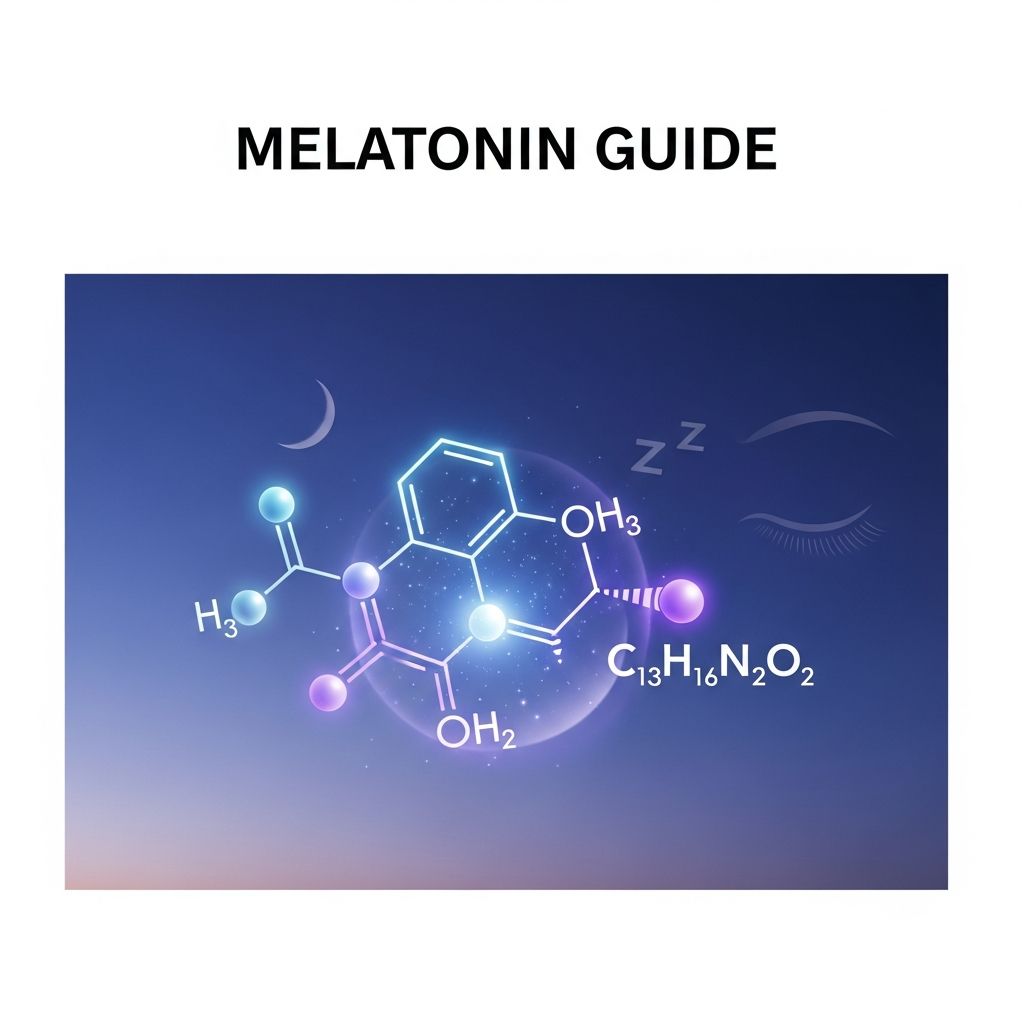
Melatonin, a hormone naturally produced by the pineal gland in the brain, plays a key role in regulating the body’s sleep-wake cycle. Supplements mimicking this hormone are widely used to address sleep difficulties, jet lag, and shift work disruptions. While generally considered safe for short-term use, understanding its full profile—including benefits, risks, and proper application—is essential for safe and effective use.
The Science Behind Melatonin and Sleep Regulation
Melatonin levels rise in response to darkness, signaling the body to prepare for sleep, and drop with light exposure to promote wakefulness. Supplemental forms help when natural production is insufficient, such as in cases of insomnia or circadian rhythm disorders. Research shows it can reduce the time to fall asleep and improve sleep quality without the dependency risks associated with many prescription sleep aids.
Unlike sedative drugs, melatonin works by aligning the body’s internal clock rather than inducing unconsciousness. Clinical trials, including randomized controlled studies up to 29 weeks, confirm its efficacy for short-term sleep support with minimal severe adverse events.
Key Benefits of Melatonin Supplementation
- Shortens sleep onset: Helps users fall asleep 7-10 minutes faster on average.
- Combats jet lag: Eases symptoms when traveling across time zones by resetting circadian rhythms.
- Supports shift workers: Aids those with irregular schedules in achieving restorative sleep.
- Improves sleep in older adults: Compensates for age-related declines in natural melatonin production.
These advantages make it a popular over-the-counter option, but benefits are most pronounced at low doses taken close to bedtime.
Common Side Effects and How to Manage Them
Most users experience mild, transient side effects. Daytime drowsiness tops the list, affecting alertness the next day, particularly if taken too early or in high doses. Headaches, dizziness, and nausea follow closely.
| Side Effect | Frequency | Management Tips |
|---|---|---|
| Daytime drowsiness | Most common | Avoid driving or machinery for 5 hours post-dose; start with low dose. |
| Headache | Common (0.74% in trials) | Stay hydrated; reduce dose if persistent. |
| Nausea | Common | Take with food; opt for simple meals. |
| Dizziness | Common (0.74%) | Sit or lie down until it passes; avoid alcohol. |
Less frequent issues include vivid dreams or nightmares due to enhanced REM sleep, irritability, stomach cramps, and reduced appetite. These often resolve by adjusting dosage or timing.
Rare but Serious Risks
Though uncommon, some users report confusion, mood swings, reduced alertness, or urinary issues. High doses may increase fall risk, seizures, or hypothermia (0.62% incidence).
Visual changes like blurred vision, unexplained bruising, or severe dizziness warrant immediate medical attention. Those with autoimmune conditions should avoid it, as it may stimulate the immune system.
In children, side effects can include night terrors, bedwetting, or mood changes, so pediatric use requires professional guidance.[10]
Related Stories



Long-Term Use: Emerging Concerns
Recent data from a 2025 American Heart Association study analyzing over 130,000 adults with insomnia found long-term melatonin use (1+ years) linked to a 90% higher risk of heart failure diagnosis (4.6% vs. 2.7% in non-users), 3.5 times higher hospitalization rates (19% vs. 6.6%), and nearly double all-cause mortality (7.8% vs. 4.3%) over 5 years.
This observational study cannot prove causation—factors like severe insomnia, depression, or co-medications may confound results—but it underscores the need for caution with prolonged use. Short-term application remains safer, with RCTs showing few moderate issues.
Drug Interactions and Contraindications
Melatonin can interact with several medications, amplifying effects or causing issues:
- Blood thinners: May slow clotting.
- Anticonvulsants: Could reduce seizure control.
- Birth control: Alters hormone levels.
- Blood pressure or diabetes drugs: Influences glucose or BP regulation.
- Immunosuppressants: Counteracts immune suppression.
- Liver-metabolized drugs: Competes for breakdown enzymes.
Combining with serotonin-boosting meds risks serotonin syndrome (symptoms: shivering, fever, seizures). Always consult a healthcare provider before starting.
Recommended Dosage and Administration
Doses range from 0.15 mg to 12 mg, but start low: 0.5-3 mg, 30-60 minutes before bed. Extended-release forms suit maintenance of sleep; immediate-release aids onset.
- Adults: 1-5 mg max nightly.
- Children: 0.5-3 mg, doctor-supervised only.[10]
- Jet lag: 0.5-5 mg evening upon arrival.
Use the lowest effective dose for the shortest duration. Timing matters—too early may cause grogginess.
Safe Usage Tips for Optimal Results
To maximize benefits and minimize risks:
- Combine with sleep hygiene: dark room, consistent schedule, no screens pre-bed.
- Track response in a journal to fine-tune dose.
- Avoid alcohol and caffeine, which counteract effects.
- Pregnant/breastfeeding individuals or those with depression should seek advice.
Discontinue if no improvement after 1-2 weeks or if side effects persist.
Melatonin in Special Populations
Children and Adolescents
Used for neurodevelopmental sleep issues, but data shows risks like fatigue (18.9%), vomiting (16.8%), mood swings (13.7%). Limit to short-term under supervision.[10]
Older Adults
Beneficial due to natural decline, but monitor for falls or confusion.
Pregnancy and Breastfeeding
Limited safety data; generally avoided.
Alternatives to Melatonin
If unsuitable, consider cognitive behavioral therapy for insomnia (CBT-I), prescription aids like ramelteon, or lifestyle changes. Herbal options like valerian lack robust evidence.
Frequently Asked Questions (FAQs)
Is melatonin addictive?
No, it does not cause dependency or tolerance like many sleep meds.
Can I take melatonin every night?
Short-term yes; long-term risks, especially cardiovascular, need more study. Cycle use if possible.
Does melatonin cause weight gain?
Not directly linked, but vivid dreams or appetite changes may indirectly affect habits.
How long does it stay in your system?
4-8 hours; plan accordingly for morning activities.
Is melatonin regulated like a drug?
Often as a supplement, varying by country (e.g., prescription in UK).
Conclusion: Informed Use for Better Sleep
Melatonin offers valuable short-term sleep support with mostly mild side effects, but recent findings highlight long-term caution. Prioritize professional advice, low doses, and holistic sleep strategies for sustainable rest.
References
- Melatonin side effects: What are the risks? – Mayo Clinic — Mayo Clinic. 2023. https://www.mayoclinic.org/healthy-lifestyle/adult-health/expert-answers/melatonin-side-effects/faq-20057874
- Long-term use of melatonin supplements to support sleep may have negative health effects — American Heart Association Newsroom. 2025-11-03. https://newsroom.heart.org/news/long-term-use-of-melatonin-supplements-to-support-sleep-may-have-negative-health-effects
- Melatonin – Mayo Clinic — Mayo Clinic. 2023. https://www.mayoclinic.org/drugs-supplements-melatonin/art-20363071
- 6 Melatonin Side Effects: Everything You Need to Know – GoodRx — GoodRx. 2023. https://www.goodrx.com/melatonin/melatonin-side-effects
- Melatonin and your sleep: Is it safe, what are the side effects and how does it work? — UC Davis Health. 2025-02. https://health.ucdavis.edu/blog/cultivating-health/melatonin-and-your-sleep-is-it-safe-what-are-the-side-effects-and-how-does-it-work/2025/02
- 4 reasons to be cautious about melatonin — Grand Strand Physicians. 2023. https://grandstrandphysicians.com/blog/entry/4-reasons-to-be-cautious-about-melatonin
- Adverse Events Associated with Melatonin for the Treatment of … — PubMed (Peer-reviewed). 2019-11-17. https://pubmed.ncbi.nlm.nih.gov/31722088/
Similar Articles








Read full bio of Sneha Tete