Melatonin vs. Magnesium for Sleep: 5 Key Differences
Discover how melatonin and magnesium work for better sleep, their benefits, dosages, side effects, and which might suit you best.
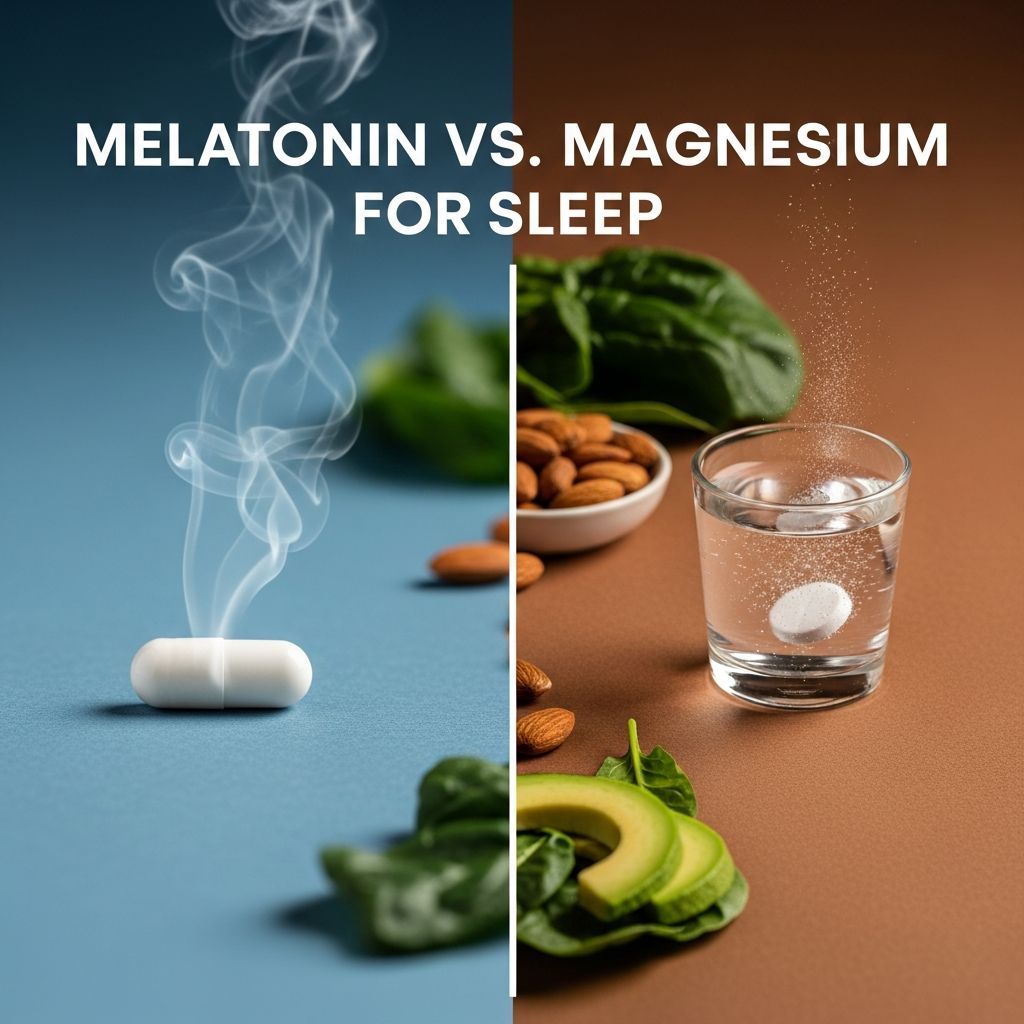
Sleep is essential for health, yet many struggle with insomnia. Two popular supplements,
melatonin
andmagnesium
, offer natural support for better rest. Melatonin regulates the body’s circadian rhythm, while magnesium promotes muscle relaxation and deeper sleep. This article compares their mechanisms, benefits, dosages, side effects, and when to use each—or both—for optimal sleep.What Is Melatonin?
Melatonin is a hormone naturally produced by the pineal gland in the brain. It signals to the body that it’s time to sleep, helping regulate sleep-wake cycles or circadian rhythms. Levels rise in the evening, peaking at night, and drop in the morning. Supplements mimic this process, making melatonin effective for issues like jet lag, shift work, or delayed sleep phase syndrome.
Research shows melatonin shortens the time to fall asleep (sleep onset latency), increases total sleep time, and may enhance REM sleep. It’s particularly useful for older adults whose natural production declines with age.
What Is Magnesium?
Magnesium is an essential mineral involved in over 300 enzymatic reactions, including muscle and nerve function, blood sugar control, and blood pressure regulation. Magnesium glycinate, a highly bioavailable form bound to glycine (a calming amino acid), is gentle on the stomach and supports relaxation.
Deficiencies are common due to poor diet, stress, or lifestyle factors, leading to poor sleep. Magnesium supplementation improves sleep efficiency, reduces early awakenings, and boosts serum melatonin and lowers cortisol levels, as shown in studies on older adults with insomnia.
How Do Melatonin and Magnesium Work for Sleep?
Melatonin acts on MT1 and MT2 receptors in the brain to regulate circadian rhythms, endocrine secretions, and sleep patterns. It helps synchronize the body’s internal clock, making it ideal for falling asleep faster.
Magnesium relaxes muscles, calms the nervous system via glycine, and supports GABA activity, a neurotransmitter that promotes tranquility. It addresses deficiencies linked to restless legs, anxiety, and fragmented sleep. Unlike melatonin, its effects build over weeks as stores replenish.
Studies demonstrate a synergistic effect: a 3-month trial of magnesium-melatonin-vitamin B complex significantly reduced insomnia severity (AIS scores from moderate to mild) compared to controls, improving sleep quality regardless of cause.
Benefits of Melatonin for Sleep
- Reduces time to fall asleep by 7-10 minutes on average.
- Increases total sleep duration and efficiency.
- Effective for jet lag, shift work, and age-related insomnia.
- May improve REM sleep and reduce fatigue/anxiety.
Benefits of Magnesium for Sleep
- Promotes muscle relaxation and deeper sleep stages.
- Improves sleep onset, efficiency, and reduces awakenings.
- Lowers cortisol and boosts natural melatonin production.
- Beneficial for restless legs syndrome and stress-related insomnia.
Related Stories



Melatonin vs. Magnesium: Key Differences
| Aspect | Melatonin | Magnesium (Glycinate) |
|---|---|---|
| Mechanism | Circadian rhythm regulation | Muscle/nerve relaxation, GABA support |
| Onset of Effect | 30-60 minutes | Days to weeks |
| Best For | Falling asleep, jet lag | Staying asleep, relaxation |
| Dosage Timing | Evening, 30-60 min before bed | Anytime, split with meals |
| Duration | Short-term preferred | Long-term for deficiency |
Which Is Better for Sleep?
Neither is universally “better”—it depends on your needs. Melatonin excels at initiating sleep and has strong evidence for reducing onset latency. Magnesium shines for maintenance and quality, especially with deficiencies. Experts like pharmacist Jeff Krupinski recommend immediate-release melatonin (3-5 mg) as a single choice but note combining them enhances benefits without gimmicky products. A study supports this combo’s efficacy in treating insomnia holistically.
Recommended Dosages and Timing
Melatonin: Adults start with 3-5 mg of immediate-release form 30-60 minutes before bed. Higher doses risk side effects without added benefits. Avoid extended-release unless advised.
Magnesium Glycinate: 200-350 mg elemental magnesium daily, split into 2 doses with meals for absorption and to minimize GI upset. Check labels carefully—front-panel mg may not match elemental content in Supplement Facts. Full effects may take weeks.
Side Effects and Risks
Both are generally safe at recommended doses.
Melatonin Side Effects: Headache, daytime drowsiness, dizziness, nausea. Rare: vivid dreams or mood changes. A large observational study linked long-term (1+ year) use to higher heart failure risk, though causation unproven—insomnia itself may contribute. Consult a doctor for nightly use.
Magnesium Side Effects: Diarrhea or stomach cramps at high doses (>350 mg). Glycinate form minimizes this. Avoid if you have kidney issues.
Can You Take Melatonin and Magnesium Together?
Yes, they complement each other: melatonin for rhythm, magnesium for relaxation. Studies show the combination (with B vitamins) significantly improves insomnia scores, sleep time, and quality of life. Start low and monitor effects. Reputable separate supplements are better than low-dose combos.
Who Should Avoid These Supplements?
- Pregnant/breastfeeding individuals (limited data).
- Those on blood thinners, immunosuppressants, or diabetes meds (interactions possible).
- Kidney disease patients (magnesium buildup risk).
- Autoimmune conditions (melatonin may stimulate immunity).
Always consult a healthcare provider, especially with heart risks or long-term use.
Frequently Asked Questions (FAQs)
Is melatonin or magnesium better for falling asleep?
Melatonin is more effective for sleep onset due to its circadian role. Magnesium aids overall quality.
Can magnesium replace melatonin?
Not fully—magnesium boosts natural melatonin but works slower. Use based on symptoms.
How long does it take for magnesium to improve sleep?
Some notice effects in days; full benefits in 2-8 weeks as levels build.
Is melatonin safe long-term?
Short-term yes; long-term data mixed, with potential CV associations. Discuss with a doctor.
What form of magnesium is best for sleep?
Glycinate: highly absorbable, calming, GI-friendly.
Final Thoughts
Choose
melatonin
for quick sleep initiation or travel,magnesium
for relaxation and sustained rest, or both for synergy. Prioritize sleep hygiene: consistent schedule, dark room, no screens. If issues persist, see a doctor for underlying causes like apnea.References
- Choosing Melatonin or Magnesium Glycinate for Better Sleep — Jeff Krupinski, PharmD, Trinity Health Michigan. 2025-10-14. https://www.trinityhealthmichigan.org/blog-articles/ask-doc-which-better-sleep-melatonin-or-magnesium-glycinate
- The Effects of Magnesium – Melatonin – Vit B Complex Supplementation on Sleep Disturbances — PMC (PubMed Central). 2019-12-01. https://pmc.ncbi.nlm.nih.gov/articles/PMC6910806/
- Magnesium Supplementation Improves Sleep in Older Adults — Abbasi et al., Journal of Research in Medical Sciences. 2012-08. https://pmc.ncbi.nlm.nih.gov/articles/PMC3703169/
- Melatonin for Sleep Disorders — Grima et al., Brain Injury. 2018. https://pubmed.ncbi.nlm.nih.gov/28007049/
- American Heart Association Study on Melatonin and CV Risk — American Heart Association Journals. 2025. https://www.ahajournals.org/doi/10.1161/JAHA.123.030480
Similar Articles








Read full bio of medha deb