Melena (Black Stool): Causes & Treatment
Understanding melena: black tarry stools caused by internal bleeding from your upper GI tract.
What Is Melena?
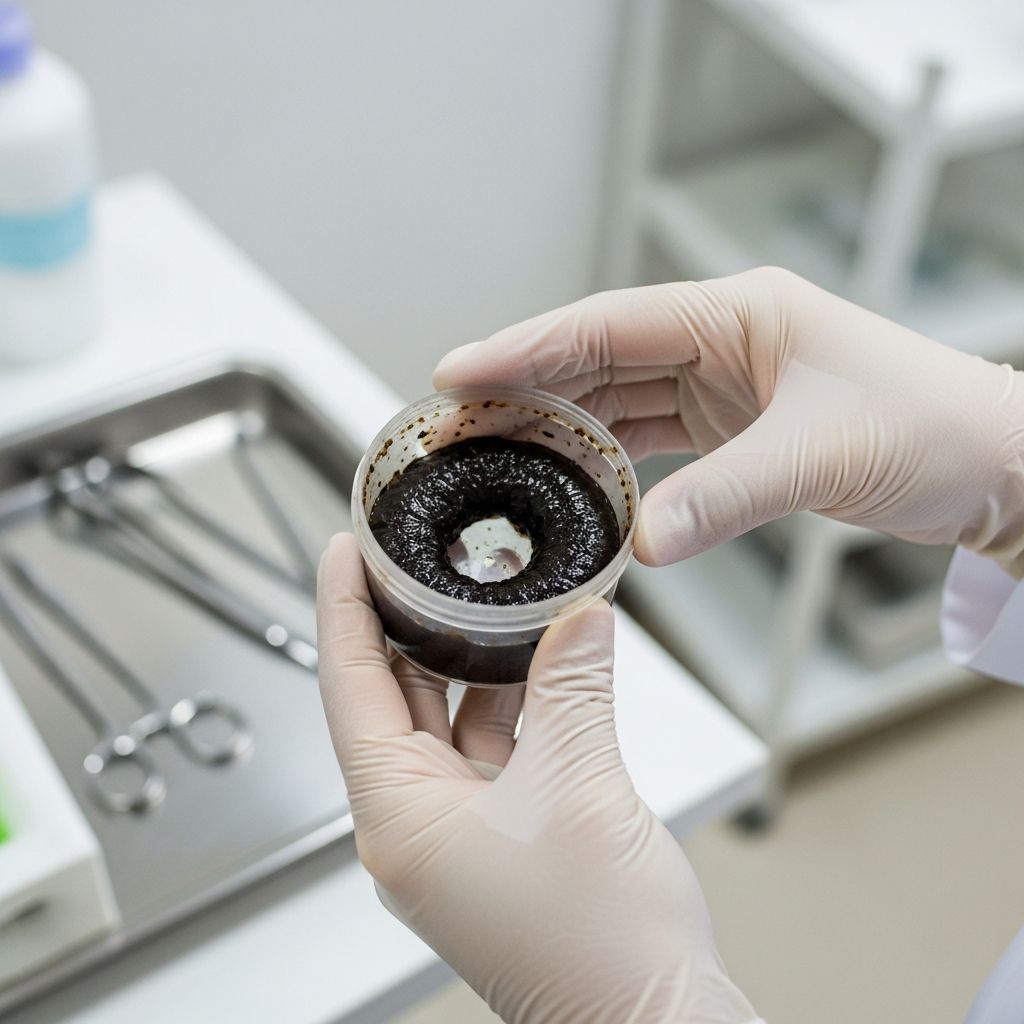
Melena refers to black, tarry stools that result from internal bleeding originating in your upper gastrointestinal tract. When you experience melena, the black color indicates that blood has traveled through your digestive system long enough to be partially digested by stomach acid and intestinal bacteria. This differs significantly from bright red blood in the stool, which typically originates from lower gastrointestinal sources such as the rectum or colon. The black, tarry appearance is the hallmark characteristic that distinguishes melena from other types of abnormal stools.
Healthcare providers diagnose melena when they have confirmed that the black coloration of your stool genuinely results from internal bleeding. However, it’s important to understand that black stools aren’t always a sign of gastrointestinal bleeding. Certain medications, dietary supplements, and foods can naturally turn your stool black without indicating any medical emergency. Common culprits include iron supplements, bismuth-containing medications like Pepto-Bismol, black licorice, and certain foods like blueberries or activated charcoal. When black stools result from these non-bleeding sources, the condition is not technically classified as melena.
Common Causes of Melena
Understanding the underlying causes of melena is essential for proper treatment and management. Several conditions can lead to upper gastrointestinal bleeding that manifests as melena:
Peptic Ulcer Disease
Peptic ulcers are among the most common causes of melena. These open sores develop in the lining of your stomach or duodenum (the first part of your small intestine). When a blood vessel erodes through the ulcer base, it can cause significant bleeding. Peptic ulcers are frequently caused by Helicobacter pylori bacteria infection or prolonged use of nonsteroidal anti-inflammatory drugs (NSAIDs) like aspirin or ibuprofen.
Gastritis and Gastropathy
Gastritis refers to inflammation of the stomach lining, while gastropathy describes disease of the stomach tissue itself. Both conditions can result in bleeding that produces melena. These conditions may develop from alcohol consumption, stress, infections, or certain medications.
Esophageal Varices
Esophageal varices are abnormally enlarged veins in your esophagus that develop due to portal hypertension, typically from advanced liver disease or cirrhosis. When these fragile veins rupture, they can cause massive internal bleeding and produce melena. This is a medical emergency requiring immediate intervention.
Other Upper GI Sources
Additional causes of melena include Mallory-Weiss tears (small tears in the esophagus from violent vomiting), esophagitis (inflammation of the esophagus), portal hypertensive gastropathy, and blood vessel abnormalities such as angiodysplasia. In some cases, patients may have silent ulcers, tumors, or ruptured blood vessels that produce no accompanying pain.
Associated Symptoms
While melena itself is the primary symptom of upper gastrointestinal bleeding, other symptoms can provide important clues about the underlying cause and severity of bleeding:
Pain and Discomfort
Abdominal pain often signals a stomach condition such as an ulcer, gastritis, or gastropathy. The location and character of pain can help healthcare providers narrow down the diagnosis. Chest pain may indicate an esophageal source of bleeding. Pancreatic conditions can cause either upper abdominal pain or back pain. Notably, some patients experience no pain at all, which may indicate a silent ulcer, tumor, or ruptured blood vessel.
Hemodynamic Symptoms
Severe bleeding can cause symptoms related to blood loss and decreased blood volume. These may include dizziness, lightheadedness, fainting, rapid heartbeat (tachycardia), and low blood pressure. Patients may also experience fatigue and weakness due to anemia from ongoing blood loss.
Related Stories



Other Manifestations
Additional symptoms can include nausea, vomiting (which may be clear, greenish, or contain blood), and general malaise. In severe cases, patients may present with signs of shock, including confusion and altered mental status.
Diagnosis of Melena
Diagnosing melena involves multiple steps and tests to confirm the presence of bleeding and identify its source:
Initial Assessment
Your healthcare provider will begin by taking a detailed medical history and performing a physical examination. They will assess your overall condition, vital signs, and perform an abdominal examination to look for signs of liver disease, portal hypertension, or other abnormalities.
Stool Testing
A fecal occult blood test can determine if there is blood in your stool that you cannot clearly see with the naked eye. This test is often among the first diagnostic steps when melena is suspected.
Laboratory Tests
Blood tests are crucial in evaluating melena and may include hemoglobin and hematocrit levels to assess the degree of anemia, blood chemistry panels to evaluate electrolytes and kidney function, and coagulation studies (prothrombin time and international normalized ratio) to assess your blood’s ability to clot.
Endoscopic Evaluation
Upper endoscopy (esophagogastroduodenoscopy or EGD) is often the gold standard for diagnosing the source of upper gastrointestinal bleeding. During this procedure, a thin, flexible tube with a camera is inserted through your mouth to visualize your esophagus, stomach, and duodenum directly. This allows your provider to identify ulcers, varices, tears, or other bleeding sources.
Additional Imaging
Depending on the findings, additional tests such as CT angiography or capsule endoscopy may be performed to identify bleeding sources that are difficult to reach with standard endoscopy.
Treatment Options for Melena
Treatment for melena depends on the severity of bleeding, the underlying cause, and your overall health status. Your healthcare provider will assess your condition to determine the appropriate treatment approach.
Supportive Care
For patients who have lost significant amounts of blood, initial treatment focuses on restoring blood volume and maintaining adequate oxygen delivery to tissues. This may include intravenous fluid administration to maintain hydration and blood pressure. In cases of substantial blood loss, blood transfusions may be necessary to restore hemoglobin levels and red blood cell count. Some patients may require intensive care unit admission for close monitoring and management.
Endoscopic Interventions
Your healthcare provider can often stop active bleeding and prevent new bleeding with endoscopic therapies. During an upper endoscopy, several techniques may be employed. Electrocautery involves using heat to seal the bleeding vessel. Injection of medications directly into the bleeding site can promote clotting. Placement of clips or bands on the blood vessel helps stop bleeding. In some cases, stitches may be placed to close the bleeding source.
Acid-Blocking Medications
Proton pump inhibitors (PPIs) are frequently prescribed for patients with melena caused by ulcers, inflammation, or erosion of the gastrointestinal lining. These medications work by reducing stomach acid production, promoting healing of the damaged tissue, and protecting the gastrointestinal lining from further chemical damage. PPIs have been shown to decrease the incidence of recurrent bleeding, reduce the need for blood transfusions, and shorten hospitalization duration.
Treatment of Underlying Causes
Depending on the underlying cause of melena, additional specific treatments may be necessary. For example, if bleeding is caused by peptic ulcer disease related to Helicobacter pylori infection, antibiotic therapy will be prescribed. For esophageal varices, beta-blockers and additional endoscopic interventions may be used. Some causes of melena require more comprehensive treatment approaches involving specialist consultation and long-term management plans.
When to Seek Emergency Care
Melena requires medical attention, but certain symptoms indicate you need immediate emergency care. You should go to an urgent care facility or emergency room if you experience any of the following symptoms of severe bleeding:
- Persistent or large-volume black, tarry stools (melena)
- Vomiting blood or material that resembles coffee grounds
- Severe abdominal pain or cramping
- Dizziness or lightheadedness
- Fainting or loss of consciousness
- Rapid heartbeat or irregular heartbeat
- Low blood pressure or signs of shock
- Confusion or altered mental status
- Pale or clammy skin
- Severe weakness or fatigue
These symptoms suggest significant blood loss and hemodynamic compromise, requiring immediate intervention to prevent life-threatening complications.
Distinguishing Melena from Other Stool Changes
Understanding the difference between melena and other changes in stool appearance is important for proper self-assessment and communication with healthcare providers. Melena is distinctly black and tarry, resembling asphalt or tar. This appearance results from the partial digestion of blood by stomach acid and intestinal bacteria as it travels through the gastrointestinal tract.
In contrast, hematochezia refers to bright red blood in the stool, which typically suggests a source of bleeding in the lower gastrointestinal tract such as the colon or rectum. However, it’s important to note that approximately 5% of patients with upper gastrointestinal bleeding can present with hematochezia, usually indicating particularly heavy bleeding. The amount of blood reaching the lower GI tract matters significantly: approximately 1,000 milliliters of blood in the upper GI tract is needed to cause hematochezia, whereas only 50 to 100 milliliters is sufficient to produce melena.
Other causes of black stools that are not melena include iron supplements, bismuth-containing medications, activated charcoal, and certain foods. These non-pathologic causes of black stools do not require the urgent medical attention that true melena demands.
Frequently Asked Questions
Q: Is melena always a sign of serious bleeding?
A: While melena indicates internal bleeding that requires medical evaluation, the severity varies. Some cases involve minimal bleeding from minor sources, while others represent massive hemorrhage requiring intensive intervention. All cases of melena warrant professional medical assessment to determine severity and appropriate treatment.
Q: Can melena resolve on its own?
A: While minor bleeding may occasionally stop spontaneously, melena always requires medical evaluation. Even if bleeding stops temporarily, the underlying cause still needs to be identified and treated to prevent recurrence. Professional medical assessment is essential.
Q: How long does it take to recover from melena?
A: Recovery time depends on the underlying cause, severity of bleeding, and treatment required. Some patients recover within days, while others require longer hospitalization and recovery periods. Your healthcare provider will give you specific recovery expectations based on your individual situation.
Q: Can medications cause melena?
A: Yes, certain medications like NSAIDs and aspirin can cause gastrointestinal bleeding leading to melena. However, black stool from iron supplements or bismuth-containing medications is not true melena. Always inform your healthcare provider about all medications you are taking.
Q: What can I do to prevent melena?
A: Prevention strategies include managing stress, avoiding excessive alcohol consumption, not smoking, protecting your stomach from NSAIDs when possible, treating Helicobacter pylori infections promptly, and managing conditions like liver disease. Consult your healthcare provider about prevention strategies for your specific situation.
Conclusion
Melena represents a significant clinical finding that warrants prompt medical evaluation and intervention. The black, tarry appearance of your stool indicates internal bleeding from your upper gastrointestinal tract, which requires professional assessment to identify the underlying cause and determine appropriate treatment. While some non-bleeding causes can produce black stools, true melena demands urgent attention to prevent serious complications from ongoing hemorrhage.
Modern diagnostic techniques and therapeutic interventions have significantly improved outcomes for patients with melena and upper gastrointestinal bleeding. With proper diagnosis and treatment, most patients recover well. However, recognizing symptoms of severe bleeding and seeking immediate emergency care is crucial for ensuring the best possible outcomes. If you experience melena or suspect internal bleeding, contact your healthcare provider or seek emergency care immediately.
References
- Melena (Black Stool): Causes & Treatment — Cleveland Clinic. 2023-06-08. https://my.clevelandclinic.org/health/symptoms/25058-melena
- A 65-year-old man with melena and a blood disorder — Cleveland Clinic Journal of Medicine. 2022-10-01. https://www.ccjm.org/content/89/10/573
- Managing acute upper GI bleeding, preventing recurrences — Cleveland Clinic Journal of Medicine. 2010-02-01. https://www.ccjm.org/content/ccjom/77/2/131.full.pdf
- Rectal Bleeding (Blood in Stool): Causes, Colors & Treatments — Cleveland Clinic. 2024. https://my.clevelandclinic.org/health/symptoms/14612-rectal-bleeding
- Esophageal Varices: Symptoms, Causes & Treatment — Cleveland Clinic. 2024. https://my.clevelandclinic.org/health/diseases/15429-esophageal-varices
- Angiodysplasia of GI Tract: Symptoms, Causes & Treatment — Cleveland Clinic. 2024. https://my.clevelandclinic.org/health/diseases/angiodysplasia
- Gastritis: What It Is, Symptoms, Causes & Treatment — Cleveland Clinic. 2024. https://my.clevelandclinic.org/health/diseases/10349-gastritis
Similar Articles








Read full bio of Sneha Tete