Melioidosis: Causes, Symptoms, Transmission & Treatment
Understanding melioidosis: Causes, symptoms, diagnosis, and comprehensive treatment options.
What Is Melioidosis?
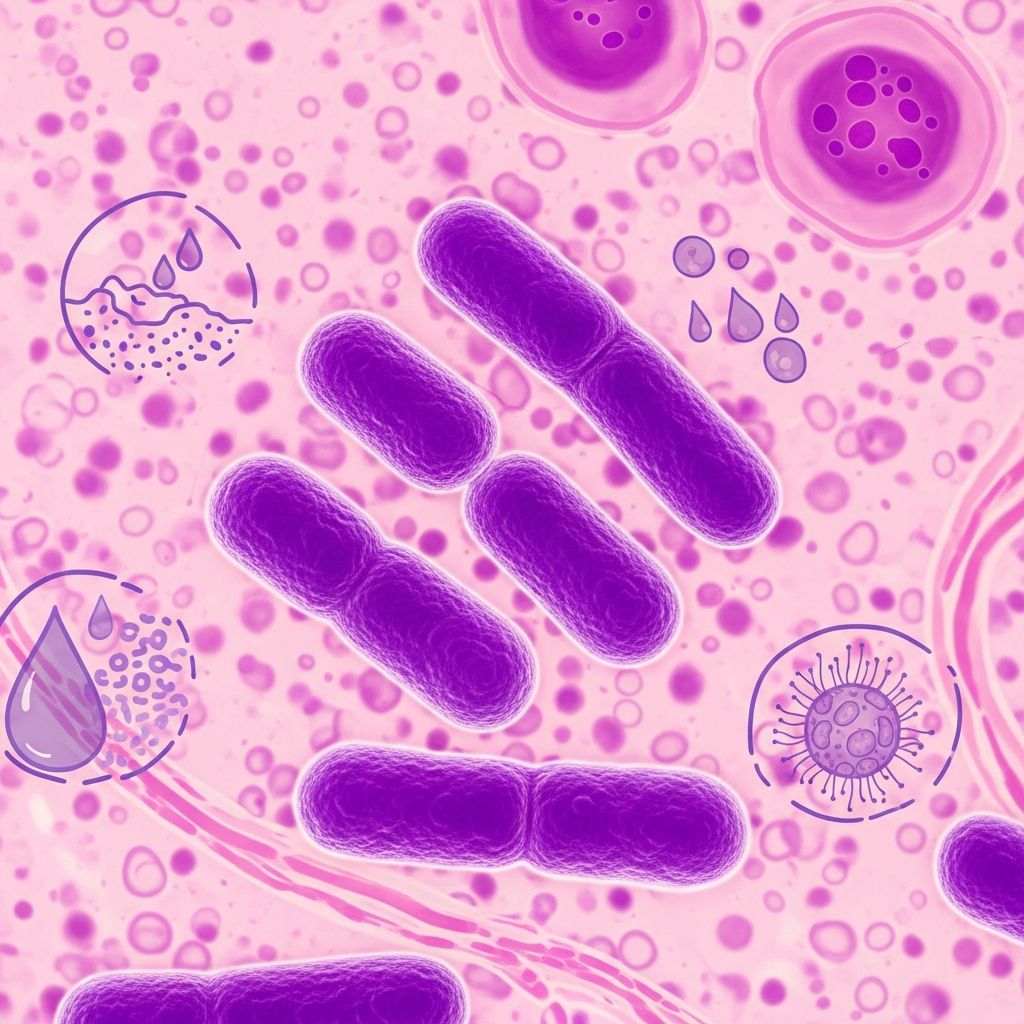
Melioidosis is a serious infectious disease caused by the bacterium Burkholderia pseudomallei (B. pseudomallei). This potentially life-threatening infection, also known as Whitmore’s disease, occurs through direct contact with contaminated soil or water. The disease is endemic to tropical and subtropical regions, particularly in Southeast Asia and northern Australia, though cases have been reported in other warm climates.
The infection presents with a wide range of clinical manifestations, making it sometimes difficult to diagnose. Patients can develop acute illness or chronic melioidosis lasting more than two months, with approximately 10 percent of cases presenting as chronic infections. Without prompt diagnosis and treatment, melioidosis can rapidly progress to disseminated infection and septicemia.
How Do You Get Melioidosis?
Melioidosis is transmitted through direct contact with contaminated soil or water containing B. pseudomallei bacteria. The infection typically enters the body through cuts or abrasions in the skin, inhalation of contaminated water or soil particles, or ingestion of contaminated food or water. The risk is particularly high in tropical regions during rainy seasons when the bacteria are more prevalent in environmental reservoirs.
People who work in agricultural settings, construction, or outdoor occupations in endemic areas face increased exposure risk. Travelers visiting tropical regions and individuals with occupational exposure to soil and water in these areas should be aware of transmission routes and take appropriate preventive measures.
Risk Factors for Melioidosis
Certain populations face higher risks of developing severe melioidosis. Underlying medical conditions significantly increase the likelihood of serious complications:
– Diabetes mellitus- Chronic kidney disease and renal insufficiency- Chronic lung disease- Cancer- Heart disease- Weakened immune system- Advanced age
Individuals with these conditions who live in or travel to endemic areas should exercise extra caution when handling soil and water to minimize exposure risk.
Melioidosis Symptoms
Melioidosis presents with diverse symptoms that vary based on the infection site and severity. The disease can manifest as localized or disseminated infection, making early recognition challenging.
Acute Melioidosis
Acute melioidosis typically develops within days to weeks of exposure and may include:
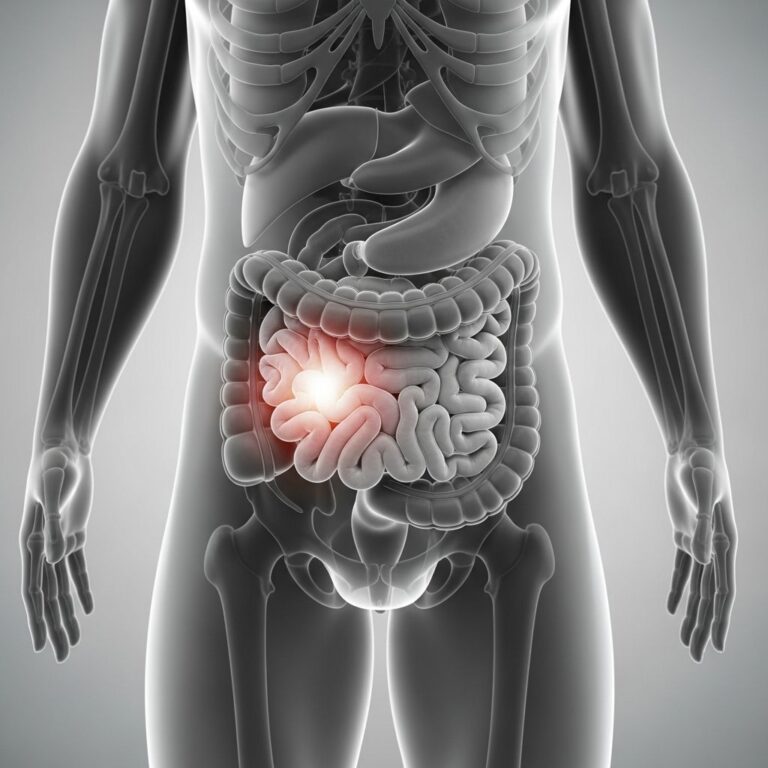
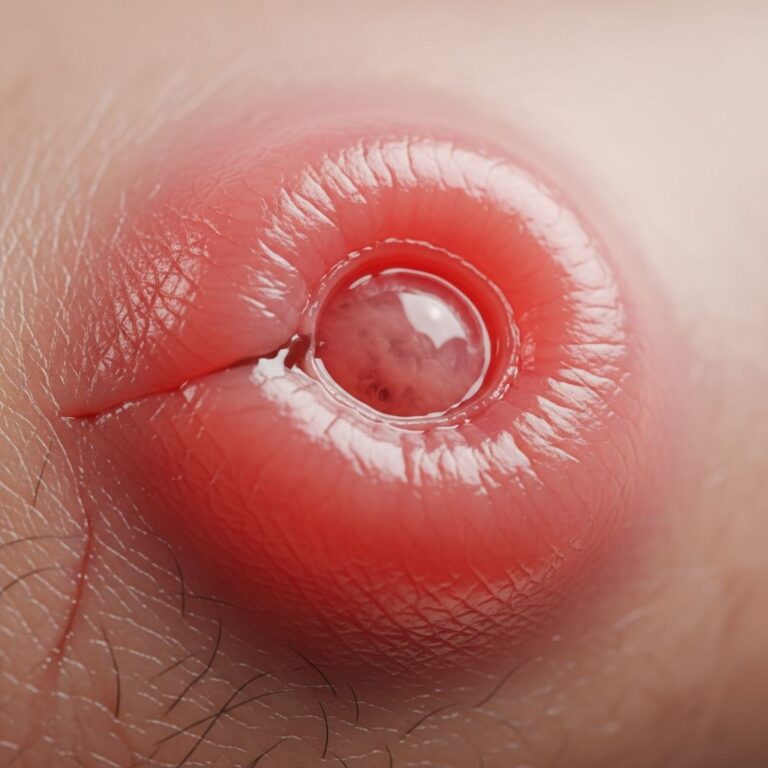
– Fever and chills- Cough and chest pain- Shortness of breath- Joint and muscle aches- Headache- Nausea and vomiting- Diarrhea- Skin sores or lesions at the site of entry- Localized swelling or lymph node enlargement- Abdominal pain- Pneumonia-like symptoms
Chronic Melioidosis
Chronic melioidosis, lasting more than two months, often presents with less severe symptoms initially but can lead to serious complications. Symptoms may include:
– Persistent cough- Fatigue and weakness- Weight loss- Night sweats- Recurrent fever- Chronic pain in joints or muscles- Persistent skin infections
Disseminated Melioidosis
When the infection spreads throughout the body, complications can include abscess formation in multiple organs such as the liver, spleen, prostate, lungs, brain, joints, and bones. Rapid-onset septicemia and septic shock represent medical emergencies requiring immediate intensive care.
Related Stories



Diagnosis of Melioidosis
Diagnosing melioidosis requires laboratory confirmation since symptoms overlap with many other diseases. Healthcare providers may use multiple diagnostic methods:
Laboratory Tests
– Blood Culture: Blood samples are cultured to grow and identify B. pseudomallei bacteria, confirming diagnosis- Serological Tests: These tests detect antibodies produced by the immune system in response to the infection- Molecular Diagnostics: Polymerase chain reaction (PCR) testing can rapidly detect bacterial genetic material in samples- Sample Collection: Specimens may include blood, urine, respiratory secretions, wound drainage, or tissue samples depending on suspected infection sites
Imaging Studies
– Chest X-rays: Used to detect pneumonia or lung abscesses- CT Scans: Provide detailed imaging of affected organs to identify abscess locations and organ involvement- Ultrasound: May be used to evaluate internal organs for abscess formation
Treatment of Melioidosis
Healthcare providers treat melioidosis with a two-phase antibiotic regimen designed to control the infection initially, then eliminate remaining bacteria completely. Adherence to the full treatment course is essential to prevent relapse.
Initial Intensive Therapy Phase
The initial phase lasts 2 weeks to more than 8 weeks, depending on disease severity and organ involvement.
First-Line Treatment
– Ceftazidime administered intravenously every 6–8 hours (or as 24-hour infusions) for patients with uncomplicated infections
Alternative or Adjunct Treatment
– Meropenem intravenously every 8 hours for critically ill patients, those with central nervous system involvement, or long-bone infections- Trimethoprim-sulfamethoxazole (TMP-SMX) added orally every 12 hours in patients with non-pulmonary focal infection sites
The intensive phase may be extended beyond 8 weeks in severe cases involving septic shock, deep-seated abscesses, extensive pulmonary involvement, septic arthritis, osteomyelitis, or neurological complications.
Eradication Therapy Phase
Following the intensive phase, the eradication phase lasts 3 to 6 months to eliminate remaining bacteria and prevent relapse.
Oral Antibiotic Options
– Trimethoprim-sulfamethoxazole (TMP-SMX): First choice, administered every 12 hours with folic acid supplementation to prevent antifolate toxicity- Amoxicillin/clavulanic acid (co-amoxiclav): Alternative for patients with sulfa allergies or TMP-SMX intolerance, given every 8 hours- Doxycycline: Alternative option, typically administered once daily
Supportive Care and Management of Complications
Beyond antibiotic therapy, patients may require additional medical interventions depending on disease severity and complications.
Managing Severe Complications
– Sepsis and Septic Shock: Requires intensive care unit admission with intravenous fluids, vasopressors to maintain blood pressure, and mechanical ventilation for respiratory failure- Abscess Drainage: Surgical drainage or needle aspiration of abscesses in organs like the liver, spleen, lungs, or other tissues improves antibiotic effectiveness and reduces pain- Neurological Complications: Brain involvement may require anticonvulsants for seizure management or neurosurgery for brain abscesses- Multi-Organ Support: Patients with involvement of multiple organ systems may require organ-specific supportive care
Long-Term Follow-Up and Monitoring
Successful treatment requires close medical supervision throughout and after the eradication phase:
– Regular blood tests to monitor for recurrence- Imaging studies to assess organ healing- Periodic clinical evaluations with healthcare providers- Monitoring for long-term sequelae including pain, fatigue, or neurological issues- Psychological support for patients experiencing stress, anxiety, or depression related to their illness
Living With Melioidosis
Managing melioidosis extends beyond the treatment period. Patients should maintain strict adherence to prescribed antibiotics for the entire duration to prevent recrudescence or relapse, which can occur within 1 to 2 years if treatment is interrupted. Regular follow-up appointments are essential for monitoring recovery and detecting any signs of disease recurrence.
Maintaining good nutrition, managing stress, and supporting immune function through lifestyle modifications help facilitate recovery. Patients should report any symptoms that return after treatment completion or new concerning symptoms to their healthcare provider immediately.
Prognosis and Outcomes
The outlook for melioidosis varies significantly based on several factors. Most people without underlying medical conditions who receive prompt and appropriate treatment achieve full recovery. With timely intervention and adherence to the complete two-phase antibiotic regimen, melioidosis has a mortality rate of 10 to 20 percent.
However, prognosis worsens substantially for patients with underlying conditions such as diabetes, chronic kidney disease, or immunosuppression. Delayed diagnosis and treatment, severe organ involvement, rapid progression to septicemia, and advanced age all increase the risk of serious illness and death. Before modern antibiotic treatments were available, melioidosis had a mortality rate exceeding 90 percent once it progressed to septicemia.
Fortunately, with contemporary medical management and early recognition, many patients experience favorable outcomes when treatment is initiated promptly. Treatment duration typically extends 5 months or longer to completely eradicate the infection and prevent relapse.
Complications of Melioidosis
Untreated or delayed-treatment melioidosis can spread to most body systems, causing serious complications including:
– Sepsis and septic shock- Pneumonia and respiratory failure- Brain abscesses and meningitis- Joint infections (septic arthritis)- Bone infections (osteomyelitis)- Heart infections (endocarditis)- Liver and spleen abscesses- Prostate abscesses- Multiple organ failure- Chronic pain syndromes- Permanent neurological damage
Frequently Asked Questions
Q: Is melioidosis curable?
A: Yes, melioidosis is curable with proper two-phase antibiotic treatment. However, some infections progress severely and quickly, and treatment may not be effective in all cases. With prompt and appropriate treatment, most patients without underlying conditions achieve full recovery.
Q: Can melioidosis come back after treatment?
A: Yes, relapse can occur if antibiotics are not taken for the complete prescribed duration. Early recrudescence or subsequent relapse typically occurs within 1 to 2 years if treatment is interrupted. This emphasizes the importance of completing the entire eradication phase as prescribed.
Q: Who is at highest risk for severe melioidosis?
A: People with underlying conditions including diabetes, chronic kidney disease, chronic lung disease, cancer, or a weakened immune system face significantly higher risk of severe melioidosis. Age and occupational exposure to contaminated soil and water in tropical regions also increase risk.
Q: How long does melioidosis treatment take?
A: Treatment typically lasts at least 5 months total. The initial intensive phase lasts 2 to 8 weeks with intravenous antibiotics, followed by an eradication phase of 3 to 6 months with oral antibiotics. Severe cases may require extended treatment periods.
Q: What should I do if I have symptoms of melioidosis?
A: Seek immediate medical attention, especially if you live in or have recently traveled to an area where melioidosis is endemic (tropical regions like Southeast Asia or northern Australia). Early diagnosis and treatment are crucial for favorable outcomes. Inform your healthcare provider about any recent exposure to soil or water in tropical regions.
Q: Can melioidosis be prevented?
A: Prevention involves avoiding direct contact with contaminated soil and water in endemic areas, wearing protective gear such as gloves and boots when handling soil, maintaining good hygiene practices, and promptly treating skin wounds. No vaccine is currently available for melioidosis in clinical practice.
References
- Clinical Overview of Melioidosis — Centers for Disease Control and Prevention (CDC). 2024. https://www.cdc.gov/melioidosis/hcp/clinical-overview/index.html
- Melioidosis: Causes, Symptoms, Transmission & Treatment — Cleveland Clinic. 2024. https://my.clevelandclinic.org/health/diseases/24051-melioidosis
- Understanding melioidosis: Review — World Journal of Biological and Pharmaceutical Health Sciences (WJBPHS). 2024. https://wjbphs.com/sites/default/files/WJBPHS-2024-0721.pdf
- Melioidosis vaccines: recent advances and future directions — Frontiers in Immunology. 2025. https://public-pages-files-2025.frontiersin.org/journals/immunology/articles/10.3389/fimmu.2025.1582113/pdf
- Melioidosis: Symptoms, Causes, and Treatments — Rupa Health. 2024. https://www.rupahealth.com/post/melioidosis-symptoms-causes-and-treatments
- Optimal Diagnostic Workup for Patients with Suspected Melioidosis — Melioidosis.info. 2015. https://www.melioidosis.info/download/20150129_101421%2014-1045.pdf
- Melioidosis: Symptoms, Causes, Risk, Prevention & Treatment — MyACare. 2024. https://myacare.com/blog/melioidosis-causes-symptoms-treatment-prevention-and-more
Similar Articles








Read full bio of medha deb