Memantine For Dementia: A Clear Guide For Patients And Carers
Memantine eases Alzheimer's dementia symptoms by regulating glutamate, slowing cognitive decline in moderate to severe cases.
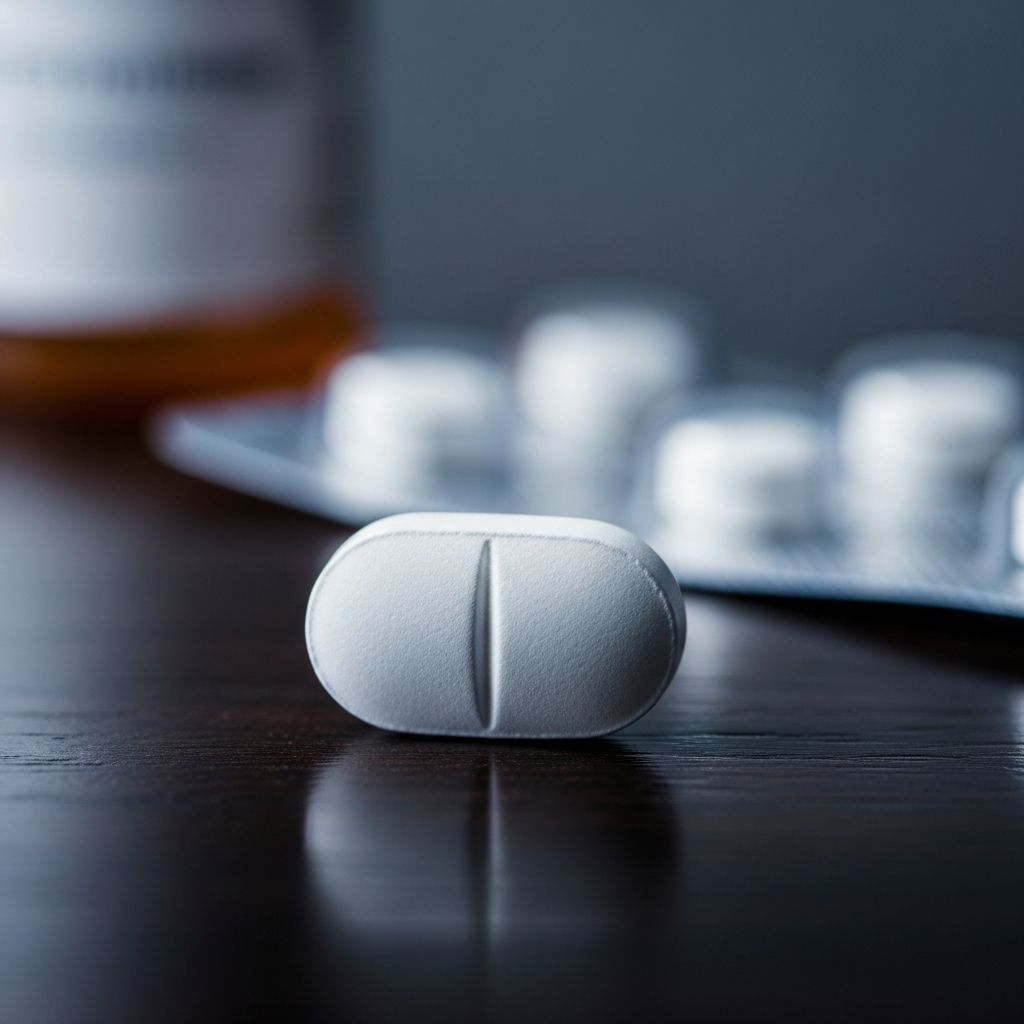
Memantine is an anti-dementia medication that helps manage symptoms of Alzheimer’s disease by acting as a glutamate receptor antagonist. It is particularly used for moderate to severe dementia, improving thinking, memory, and daily function without curing the condition.
| Type of medicine | An anti-dementia medicine (glutamate receptor antagonist) |
|---|---|
| Used for | Symptoms of dementia in moderate to severe Alzheimer’s disease |
| Also called | Ebixa®, Valios® |
| Available as | Tablets, soluble tablets, orodispersible (melt-in-the-mouth) tablets, and oral liquid |
About memantine
Memantine is prescribed for individuals with dementia associated with Alzheimer’s disease, targeting symptoms like memory loss, confusion, and impaired thinking. As an NMDA receptor antagonist, it blocks excessive glutamate activity, which contributes to neuronal damage in Alzheimer’s. This mechanism helps slow symptom progression, though it does not halt or reverse the disease.
Alzheimer’s disease involves reduced acetylcholine and overactive glutamatergic systems, leading to excitotoxicity and cell death. Memantine regulates glutamate by preventing overactivation of N-methyl-D-aspartate (NMDA) receptors, preserving normal synaptic transmission. It is FDA-approved for moderate to severe Alzheimer’s and often combined with cholinesterase inhibitors like donepezil for enhanced efficacy.
Studies indicate memantine slows cognitive decline, with benefits seen in about half of patients for 6-12 months, particularly in thinking and memory, though effects on behavioral symptoms vary. Off-label uses include vascular dementia, mild cognitive impairment, and neuroprotection in brain radiation therapy.
Before taking memantine
Who can and cannot take memantine tablets, soluble tablets, melt-in-the-mouth tablets, or oral liquid
Most adults with moderate to severe Alzheimer’s dementia can take memantine. It is suitable for those intolerant to cholinesterase inhibitors or with severe disease.
- Can take: Adults over 18 with confirmed Alzheimer’s dementia.
- Cannot take: People with severe kidney problems (reduced dose needed), epilepsy history (use caution), or hypersensitivity to memantine.
Other medicines, food and drink, pregnancy and breastfeeding, and driving
Interactions: Memantine may interact with medications affecting urine pH (e.g., carbonic anhydrase inhibitors, sodium bicarbonate), altering its elimination. Avoid with other NMDA antagonists like amantadine or ketamine. Use caution with L-dopa, anticholinergics, or antipsychotics.
- Food/drink: No restrictions; take with or without meals.
- Pregnancy: Limited data; use only if benefits outweigh risks (Category B).
- Breastfeeding: Avoid, as it passes into breast milk.
- Driving: May cause dizziness; do not drive until effects are known.
How and when to take memantine
Dosage
Treatment starts at a low dose (5 mg daily) and titrates weekly to 20 mg/day (10 mg twice daily) over 4 weeks to minimize side effects. Maintenance: 20 mg daily for optimal effect.
| Treatment Week | Morning Dose | Evening Dose | Total Daily Dose |
|---|---|---|---|
| 1 | 5 mg | – | 5 mg |
| 2 | 5 mg | 5 mg | 10 mg |
| 3 | 10 mg | 5 mg | 15 mg |
| 4+ | 10 mg | 10 mg | 20 mg |
For kidney impairment, max dose adjusts: mild (20 mg), moderate (10 mg), severe (5 mg). Full effects may take 3 months.
Related Stories



How to take
- Tablets: Swallow whole with water, same time daily.
- Soluble/orodispersible: Dissolve in water or on tongue.
- Liquid: Use oral syringe for precise dosing.
- Take consistently, even if feeling well.
Side effects of memantine
Common side effects (affecting >1 in 100) include headache, drowsiness, constipation, dizziness, and hypertension. Serious but rare: seizures, heart failure, or psychosis. Effects often mild and resolve.
| Common (≥1/100) | Serious (rare) |
|---|---|
| Headache, sleepiness, constipation, dizziness, high blood pressure | Seizures, confusion, hallucinations, heart issues |
| Fatigue, anxiety, shortness of breath | Pancreatitis, Stevens-Johnson syndrome |
- Report persistent or severe effects to doctor.
- Overdose: Up to 400 mg rarely fatal; treat supportively.
How to cope with memantine side effects
- Headaches: Rest, hydrate; paracetamol if needed.
- Drowsiness: Avoid alcohol/driving.
- Constipation: Increase fiber/water, exercise.
- Dizziness: Rise slowly.
- Consult doctor if effects worsen.
Pregnancy and breastfeeding with memantine
Avoid during pregnancy unless essential; no adequate studies. Do not breastfeed, as memantine excretes in milk.
Other medicines and memantine
Inform doctor of all medications. Key interactions: urine alkalinizers increase memantine levels; anticholinergics may reduce efficacy. Monitor with antipsychotics or levodopa.
Common questions about memantine
How long should you take memantine?
Continue as long as benefits outweigh risks; reassess periodically. Benefits may last 6-12 months or longer.
Is memantine a cure for dementia?
No, it manages symptoms only.
Can you stop memantine suddenly?
Taper under medical supervision to avoid rebound symptoms.
Does memantine work immediately?
No, up to 3 months for full effect.
Can children take memantine?
Not approved for under 18s.
About patient.info
Patient is a UK-registered not-for-profit providing trusted health information.
References
- Memantine – StatPearls — Kuns KB et al. NCBI Bookshelf. 2024-05-12. https://www.ncbi.nlm.nih.gov/books/NBK500025/
- Medication and treatment for dementia — Patient.info. 2023. https://patient.info/brain-nerves/memory-loss-and-dementia/medication-and-treatment-for-dementia
- Memantine for dementia (Ebixa, Valios) — Patient.info. 2023. https://patient.info/medicine/memantine-for-dementia-ebixa-valios
- Memantine — MedlinePlus. 2024-01-15. https://medlineplus.gov/druginfo/meds/a604006.html
- About memantine — NHS.uk. 2024. https://www.nhs.uk/medicines/memantine/about-memantine/
Similar Articles








Read full bio of medha deb