Memantine: Dosage, Benefits, Side Effects For Alzheimer’s
Comprehensive insights into memantine for Alzheimer's management, covering uses, mechanisms, dosing, and safety considerations.
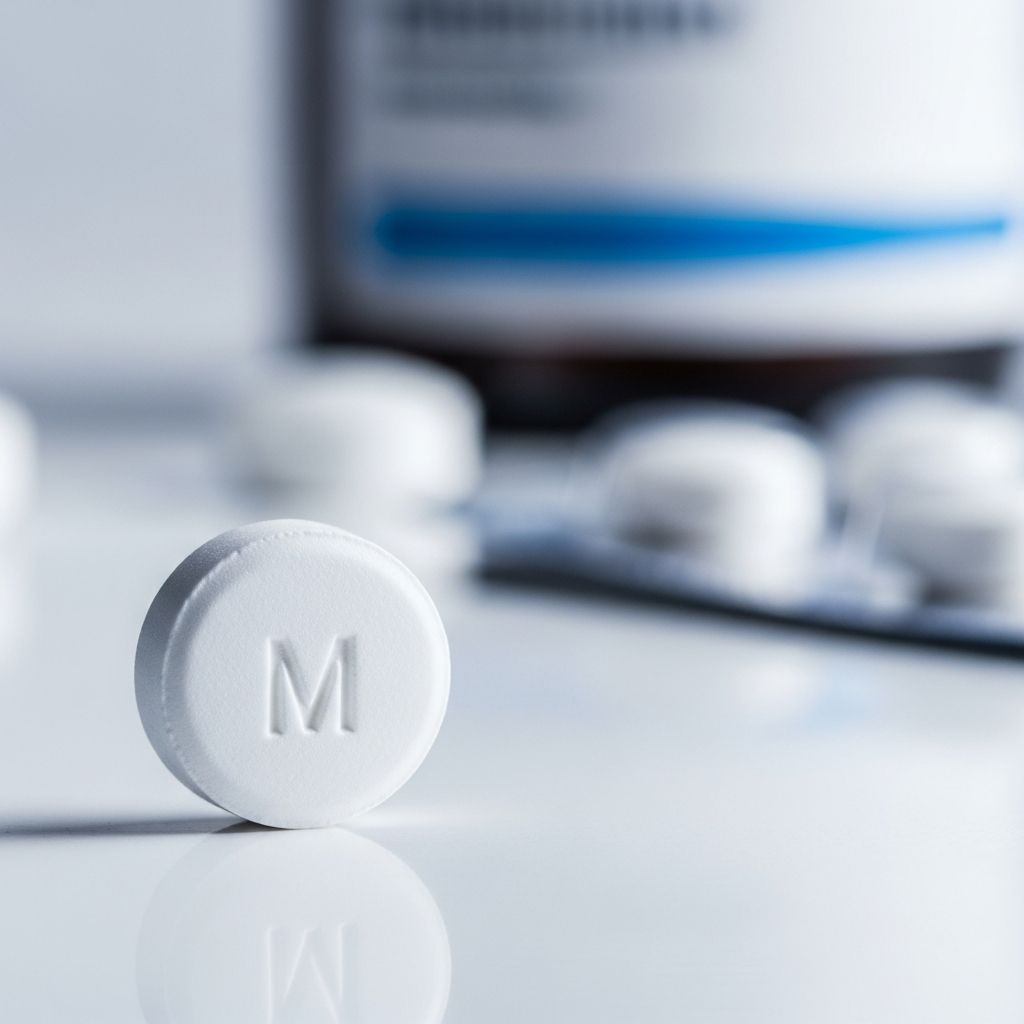
Memantine serves as a key medication primarily prescribed for individuals experiencing moderate to severe dementia associated with Alzheimer’s disease. By modulating brain activity through targeted receptor antagonism, it helps mitigate cognitive decline and supports daily functioning without curing the underlying condition.
Understanding Memantine’s Primary Role in Alzheimer’s Care
Alzheimer’s disease progressively impairs memory, reasoning, and behavioral control, significantly affecting quality of life. Memantine addresses these challenges by targeting symptoms in advanced stages, where other treatments may fall short. Clinical evidence shows it enhances cognitive performance and reduces behavioral disturbances like agitation in moderate to severe cases, though it offers limited benefits for mild Alzheimer’s.
Unlike therapies that boost cholinergic activity, memantine focuses on glutamate regulation, a neurotransmitter implicated in excessive brain excitation leading to neuronal damage. This distinction makes it a valuable option, often used alone or alongside cholinesterase inhibitors for comprehensive symptom management.
Mechanism of Action: Targeting Glutamate Overactivity
At its core, memantine functions as an uncompetitive antagonist of N-methyl-D-aspartate (NMDA) receptors. These receptors, when overstimulated by glutamate, contribute to excitotoxicity—a process where neurons are overwhelmed and damaged. Memantine binds to the receptor’s ion channel, particularly at the magnesium-binding site, preventing pathological glutamate effects while allowing normal signaling.
This selective blockade preserves physiological neurotransmission essential for learning and memory, distinguishing memantine from stronger antagonists that could impair cognition. Research highlights its low-to-moderate affinity, enabling rapid dissociation and minimal interference with everyday brain functions.
Additionally, memantine promotes neurogenesis, curbs inflammation, and bolsters cholinergic transmission, amplifying its neuroprotective profile. Studies in animal models demonstrate its ability to counteract neuronal loss and behavioral deficits mimicking Alzheimer’s pathology.
Clinical Applications and Effectiveness
Memantine’s approval centers on moderate to severe Alzheimer’s dementia, where it improves daily activities, memory, and attention. Trials spanning 3-6 months reveal symptom alleviation compared to placebo, with noticeable effects potentially emerging within a month at optimal dosing.
| Condition | Stage of Alzheimer’s | Observed Benefits |
|---|---|---|
| Moderate | Cognitive and functional decline | Improved memory, reduced agitation |
| Severe | Advanced memory loss, dependency | Enhanced daily task performance |
Beyond Alzheimer’s, ongoing investigations explore memantine for vascular dementia, Parkinson’s disease dementia, ischemic stroke recovery, and acute lung injury. It shows promise in neuroprotection post-cardiac arrest by mitigating glutamate-mediated damage.
- Vascular dementia: Improves cognition via better blood flow modulation.
- Parkinson’s dementia: Counters excitotoxicity in complex neurodegenerative pathways.
- Ischemic conditions: Protects against brain injury from oxygen deprivation.
Initiating Treatment: Dosage and Administration
Treatment begins with a low dose to minimize side effects and allow adaptation. Typical protocols start at 5 mg daily, titrating weekly up to 20 mg—often split as 10 mg twice daily. Extended-release forms simplify regimens to once-daily intake.
Administration is straightforward: tablets or oral solutions taken with or without food. Patients with renal impairment require dose adjustments, as memantine is primarily excreted via kidneys. Regular monitoring ensures efficacy and tolerability.
- Week 1: 5 mg once daily.
- Week 2: 5 mg twice daily.
- Continue escalation to maintenance dose over 4 weeks.
Combination with donepezil or other cholinesterase inhibitors is common, potentially yielding synergistic effects on cognition and behavior.
Potential Side Effects and Management
While generally well-tolerated, memantine can cause adverse reactions. Common issues include dizziness, headache, constipation, and fatigue. Serious effects, though rare, demand immediate attention.
| Frequency | Symptoms | Action Required |
|---|---|---|
| Less Common | Dizziness, headache, blurred vision, swelling | Consult doctor if persistent |
| Rare/Serious | Seizures, hallucinations, severe allergic reactions, heart irregularities | Seek emergency care |
Related Stories



Less frequent complaints involve confusion, somnolence, or hypertension. Reporting to healthcare providers aids in adjustments or alternatives. Vulnerable groups, such as those with epilepsy or severe kidney issues, need cautious use.
- Monitor for neurological changes like tremors or gait instability.
- Watch for cardiovascular signs, including rapid heartbeat.
- Address gastrointestinal discomfort promptly.
Interactions and Precautions
Memantine interacts with drugs affecting urine pH, like carbonic anhydrase inhibitors or sodium bicarbonate, potentially altering elimination. Alkalinizing agents raise levels, risking toxicity, while acidifiers hasten clearance.
Caution applies in renal disease, urinary tract issues, or concurrent NMDA modulators. Avoid abrupt discontinuation to prevent withdrawal symptoms. Pregnant or breastfeeding individuals should weigh risks, as data is limited.
Key interactions include:
- Amantadine/ketamine: Enhanced NMDA blockade.
- Cholinesterase inhibitors: Generally safe, often combined.
- Antihypertensives: Possible blood pressure effects.
Research Frontiers and Future Directions
Emerging studies expand memantine’s scope. In acute lung injury, it dampens inflammasome activation via calcium influx inhibition. Clinical trials probe its utility in epilepsy, glaucoma, ALS, and CNS trauma.
Neuroprotective roles post-ischemia underscore its versatility. Unlike ChEIs alone, memantine’s glutamate modulation complements multifaceted neurodegeneration strategies.
Practical Tips for Patients and Caregivers
Adherence improves outcomes. Use pill organizers, set reminders, and track symptom changes. Lifestyle supports—like cognitive exercises and balanced nutrition—enhance benefits.
Caregivers should note behavioral shifts and communicate with providers. Regular check-ups assess progress and adjust as needed.
Frequently Asked Questions (FAQs)
Is memantine a cure for Alzheimer’s?
No, it manages symptoms but does not halt disease progression.
How long until memantine works?
Effects may appear in weeks, with full benefits in 1-6 months.
Can memantine be used with other dementia drugs?
Yes, especially cholinesterase inhibitors for better results.
What if a dose is missed?
Take as soon as remembered unless near next dose; do not double up.
Does memantine affect driving?
Dizziness may impair; consult doctor before operating vehicles.
References
- Memantine in Alzheimer’s Disease and Other Disorders: Pharmacokinetics, Mechanisms of Action, Clinical Efficacy and Safety – A Review — PMC/NCBI. 2023-10-01. https://pmc.ncbi.nlm.nih.gov/articles/PMC10527776/
- Memantine (oral route) – Mayo Clinic — Mayo Clinic. 2024-01-15. https://www.mayoclinic.org/drugs-supplements/memantine-oral-route/description/drg-20067012
- Memantine Mechanism of Action: How Does Memantine Work? — GoodRx. 2024-05-20. https://www.goodrx.com/memantine/mechanism-of-action
- Memantine: MedlinePlus Drug Information — MedlinePlus/NIH. 2023-11-10. https://medlineplus.gov/druginfo/meds/a604006.html
- Memantine Tablets: Uses & Side Effects — Cleveland Clinic. 2024-02-05. https://my.clevelandclinic.org/health/drugs/18600-memantine-tablets
- Medication for Dementia Symptoms — Alzheimer’s Society UK. 2023-09-12. https://www.alzheimers.org.uk/about-dementia/treatments/dementia-medication/medication-dementia-symptoms
Similar Articles








Read full bio of medha deb