Skin Cancer Under Your Beard: 5 Early Self-Exam Steps
Beards may hide skin cancer risks—learn to check beneath the hair for early detection and protection.
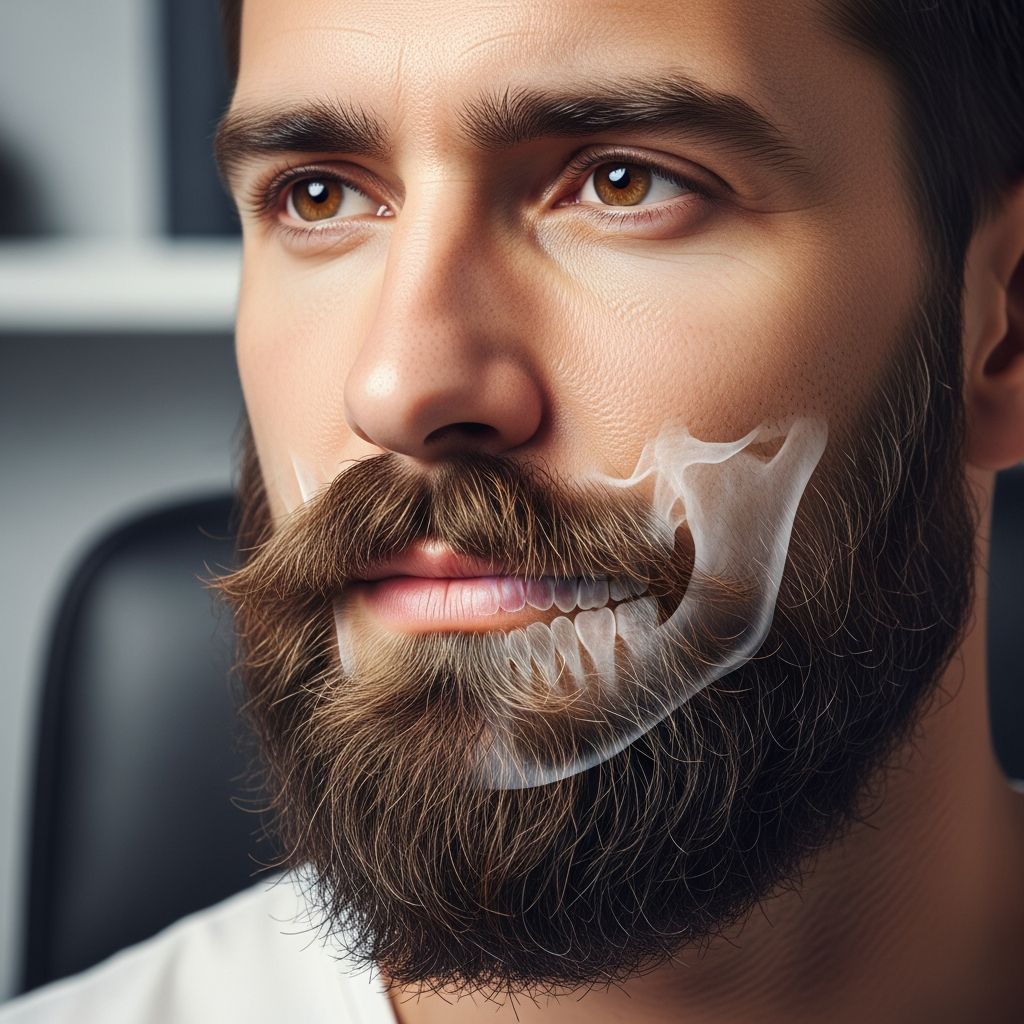
Skin cancer can lurk beneath a man’s beard or mustache, often going unnoticed until it’s advanced. Early detection dramatically improves outcomes, yet facial hair frequently obscures these warning signs, delaying diagnosis.
According to Ali Hendi, MD, a dermatologist and skin cancer specialist, a small lump, sore that doesn’t heal, or new dark spot under facial hair might signal skin cancer. These are easily missed because they’re hidden, reducing chances for simple treatments and cures when caught early. While beards offer minimal UV protection, they’re no substitute for proper sun safety. This guide empowers men to inspect hidden areas, recognize dangers, and prioritize skin health.
Is There a Lump or a Sore That Doesn’t Heal?
One of the most common yet overlooked signs of skin cancer under a beard is a persistent lump or sore. Dr. Hendi notes he’s treated numerous patients with long-term facial hair where cancers hid beneath, appearing as minor issues like a lump, non-healing sore that bleeds occasionally, or a growing new mole or dark spot.
These symptoms are particularly insidious because daily grooming or hair coverage prevents regular checks. If a spot doesn’t heal within two months—without irritation from picking—consult a dermatologist immediately. Early intervention is crucial, as hidden cancers can progress undetected for years, complicating treatment and lowering cure rates.
Savannah River Dermatology emphasizes that precancerous lesions or cancerous spots can thrive unseen in beards. They recommend shaving completely once or twice yearly for thorough self-exams to spot these early.
Types of Skin Cancer That Can Hide Under Beards
Skin cancers commonly affecting facial areas include basal cell carcinoma (BCC), squamous cell carcinoma (SCC), and melanoma. Men with beards face heightened risks on the face, neck, and scalp due to cumulative sun exposure and obscured self-monitoring.
Basal Cell Carcinoma (BCC)
The most prevalent skin cancer, comprising about 80% of cases, BCC originates in basal cells of the epidermis. On the face—prime beard territory—it appears as skin-colored or pink growths that may be scaly or bleed. Pigmented BCC mimics a new dark mole.
- Symptoms: Small, shiny, pearly bumps (possibly with blue/brown areas); pink growths with raised edges; flat, scar-like yellow areas.
- On darker skin: Often darker, rough patches varying in color (pink, red, brown).
- Beard risk: Easily masked by hair, leading to late detection.
Squamous Cell Carcinoma (SCC)
SCC develops in squamous cells, frequently on sun-exposed faces, lips, and ears. It presents as rough, scaly red (or darker) patches that crust or bleed; raised lumps; or non-healing sores.
- Symptoms: Open sores with oozing/crusting; wart-like growths; itchy reddish patches.
- Beard impact: Bleeding after shaving signals concern—if persistent, seek care.
SCC under facial hair often evades notice until advanced.
Melanoma
Deadlier but less common, melanoma uses the ABCDE rule for detection:
- A: Asymmetry
- B: Irregular borders
- C: Color variation (tan, brown, black, red, blue, white)
- D: Diameter >6mm
- E: Evolving size/shape/color.
On darker skin, watch for growing multicolored bumps, dark palm/sole spots, or nail streaks. Prognosis excels with early detection (94% 5-year survival), dropping sharply if metastatic. Beards can hide these evolving spots.
Related Stories



Sebaceous Carcinoma (SC)
Rare and aggressive, SC arises in oil glands, often on eyelids/head/neck in men over 60. Appears as brown spots, pimples, or rough/chapped-lip-like areas in various colors.
How to Perform a Beard Skin Self-Exam
Regular self-exams save lives. Shave or trim closely (ideally buzz short annually) for visibility. Use a mirror, good lighting, and enlist a partner for hard-to-see areas like the neck and behind ears.
- Prep: Shave beard/mustache short. Stand in bright light with hand mirror and full-length mirror.
- Face check: Inspect cheeks, chin, upper lip, forehead, nose, ears—feel for lumps.
- Neck/scalp: Tilt head; part hair to view scalp. Check neck sides/back.
- Full body: Examine arms, legs, back, genitals for changes.
- Document: Photograph suspicious spots; track changes monthly.
Look for ABCDE traits, non-healing sores, or bleeding spots. Fair-skinned, freckled men or those with sunburn history/sun-sensitive skin are higher risk.
| Warning Sign | Description | Action |
|---|---|---|
| Lump/Sore | Doesn’t heal in 2 months, bleeds | See dermatologist ASAP |
| New Mole | Dark, growing, irregular | ABCDE check; biopsy if needed |
| Scaly Patch | Rough, red, crusty | Monitor 1 month; consult if persists |
| Bleeding Spot | After shaving, recurrent | Immediate eval |
Beard Care and Skin Protection Tips
Maintaining a beard doesn’t mean neglecting skin. Dense hair blocks little UV—debunking the protection myth.
- Sun protection: Use SPF 30+ broad-spectrum sunscreen under beard (spray/powder formulas penetrate hair). Reapply every 2 hours outdoors.
- Grooming: Trim regularly; use gentle beard oils/washes to avoid irritation masking issues.
- Shaving routine: Buzz short 1-2x/year for exams. Moisturize post-shave.
- Hats/shade: Wear wide-brim hats; seek shade 10AM-4PM.
- Avoid tanning: No beds/spray tans; they damage skin.
Men’s Health warns BCC/SCC thrive on sun-exposed faces/arms. Cleveland Clinic stresses new/changing growths warrant checks.
Risk Factors for Men
Men face 2-3x higher melanoma mortality than women, partly from less sunscreen use and outdoor exposure. Key risks:
- Fair skin, light hair/eyes, freckles, easy burning.
- Many/severe sunburns, family/personal cancer history.
- Age 50+; cumulative UV from jobs/sports.
- Immunosuppression or scars.
Facial hair popularity amplifies oversight. Mayo Clinic lists new growths, rough patches, changing moles as red flags.
When to See a Dermatologist
Don’t wait—err on caution. Schedule if:
- Any ABCDE mole changes.
- Sore/lump persists >2 months.
- Frequent bleeding/oozing.
- New growth/rough itchy patch.
Annual professional exams recommended, especially for high-risk men. Removal of precancers prevents progression; monitor post-treatment. UnityPoint notes itchiness, tenderness, or crusting as alerts.
Frequently Asked Questions (FAQs)
Does beard hair protect against skin cancer?
No—hair provides negligible UV block. Use sunscreen regardless.
How often should I shave for skin checks?
Once or twice yearly, plus monthly visual inspections.
What if I find a suspicious spot under my beard?
See a dermatologist promptly for biopsy/excision.
Are darker skin tones at less risk?
Lower incidence but still vulnerable; watch palms, soles, nails.
Can skin cancer under beard spread faster?
Yes—delayed detection advances it, worsening prognosis.
Word count: 1728 (excluding HTML tags/metadata).
References
- Men: What’s Under That Beard? — Skin Cancer Foundation. 2023. https://www.skincancer.org/blog/men-whats-under-that-beard/
- Is Your Beard Hiding Skin Cancer? — Savannah River Dermatology. 2024-09-04. https://www.srderm.com/2024/09/04/is-your-beard-hiding-skin-cancer/
- What All Guys Need to Know About Skin Cancer — Men’s Health. 2024. https://www.menshealth.com/health/a65057514/skin-cancer-men-warning/
- Basal and Squamous Cell Skin Cancer Symptoms — American Cancer Society. 2024. https://www.cancer.org/cancer/types/basal-and-squamous-cell-skin-cancer/detection-diagnosis-staging/signs-and-symptoms.html
- Skin Cancer Explained — UnityPoint Health. 2024. https://www.unitypoint.org/find-a-service/cancer-care/skin-cancer
Similar Articles








Read full bio of Sneha Tete