Meningitis: Causes, Symptoms, Diagnosis & Treatment
Understand meningitis: inflammation of brain and spinal cord membranes requiring immediate medical attention.
Understanding Meningitis: A Comprehensive Overview
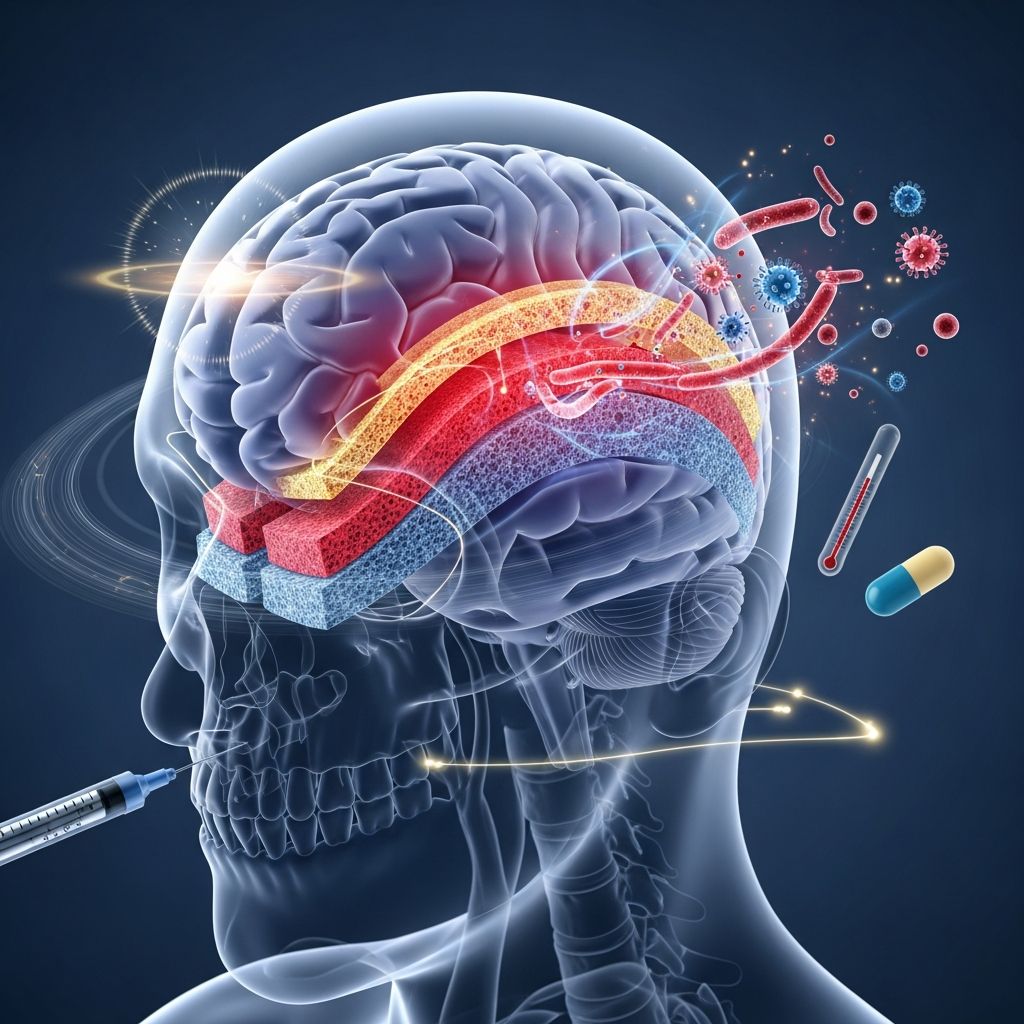
Meningitis is a serious medical condition characterized by inflammation of the meninges, which are the protective membranes that surround your brain and spinal cord. When these delicate tissues become inflamed, they swell and can interfere with normal brain and spinal cord function. This condition can develop rapidly and requires immediate medical attention to prevent severe complications and death.
The meninges consist of three layers: the dura mater (outermost layer), the arachnoid mater (middle layer), and the pia mater (innermost layer). When inflammation occurs, cerebrospinal fluid (CSF)—the protective fluid surrounding these structures—becomes affected, potentially leading to serious neurological consequences if left untreated.
What Causes Meningitis?
Meningitis can result from various infectious and noninfectious causes. Understanding the underlying etiology is crucial for determining appropriate treatment:
Infectious Causes
Bacterial Meningitis: This is the most serious form of meningitis. The most common organisms causing community-acquired bacterial meningitis are Streptococcus pneumoniae and Neisseria meningitidis. Bacterial meningitis can cause the tissues around your brain to swell, potentially interfering with blood flow and resulting in paralysis, stroke, and even death.
Viral Meningitis: This form is more common than bacterial meningitis but typically less severe. Viral meningitis often resolves on its own within about a week, though symptoms may persist for several days after treatment begins.
Fungal and Parasitic Infections: Less common than bacterial or viral forms, these can still cause serious meningitis, particularly in immunocompromised individuals.
Noninfectious Causes
Meningitis can also develop from noninfectious conditions, including certain medications, autoimmune diseases, or chemical irritation of the meninges. Treatment for these cases focuses on addressing the underlying condition rather than antimicrobial therapy.
Recognizing Meningitis Symptoms
Early recognition of meningitis symptoms is essential for prompt treatment. The classic triad of meningitis includes fever, neck stiffness, and altered mental status. However, symptoms can vary and may develop gradually or suddenly.
Common Symptoms Include
– Fever or chills- Severe headache (often described as the worst headache of your life)- Neck stiffness or difficulty moving your neck- Sensitivity to light (photophobia)- Nausea and vomiting- Confusion or altered mental status- Drowsiness or difficulty waking up- Skin rash (particularly in meningococcal meningitis)- Joint or muscle aches- Rapid breathing
In infants and young children, symptoms may include high fever, irritability, poor feeding, and a bulging soft spot on the head (fontanelle). Some individuals may experience focal neurologic symptoms such as tremors or seizures.
The headache associated with meningitis can be quite severe and may spread down your back or to other parts of your body. In some cases, neck movement may become extremely painful or nearly impossible in certain directions.
When to Seek Emergency Care
If you or someone you know exhibits symptoms suggestive of meningitis, seek immediate medical attention at an emergency room. Meningitis can progress rapidly, and early intervention can make the difference between recovery and serious complications or death. Do not wait to see if symptoms improve on their own.
Related Stories



Diagnosis of Meningitis
Diagnosing meningitis involves a combination of clinical evaluation and laboratory testing. Your healthcare provider will perform a thorough assessment to confirm the diagnosis and identify the underlying cause.
Initial Evaluation
Your provider will conduct a physical examination and ask detailed questions about your symptoms, including when they started, how they developed, and any recent travel or sick contacts. This medical history helps narrow down potential causes and guides diagnostic testing.
Diagnostic Tests
Lumbar Puncture (Spinal Tap): This is the most important diagnostic test for meningitis. During this procedure, a needle is inserted into the lower back to collect a sample of cerebrospinal fluid. This fluid is then analyzed in a laboratory to determine whether infection is present and identify the specific causative organism.
Blood Cultures: Blood samples are collected to identify any bacteria or other organisms causing infection.
Blood Tests and Urine Samples: These help assess overall health and may reveal signs of infection.
Imaging Studies: CT scans or MRI may be performed to evaluate brain structure and rule out other conditions. Imaging may be done before lumbar puncture in certain situations, such as when patients have immunocompromised status, history of central nervous system disease, recent seizures, or specific abnormal neurologic findings.
Throat or Respiratory Cultures: Samples of mucus or secretions may be collected to identify causative organisms.
Meningitis Treatment Options
Treatment for meningitis depends on the underlying cause and severity of the condition. Prompt initiation of treatment is critical, even before all test results are available.
Bacterial Meningitis Treatment
Healthcare providers treat bacterial meningitis with intravenous antibiotics. Treatment typically begins immediately upon suspicion of bacterial meningitis, before culture and sensitivity results are available. Empiric antimicrobial therapy may include aminoglycosides, ampicillin, cefotaxime, ceftriaxone, and/or vancomycin. Once the laboratory identifies the specific bacterium causing the infection, your provider may adjust treatment to a more targeted antibiotic.
Corticosteroids are often administered alongside antibiotics to reduce inflammation and improve outcomes. Therapy typically continues for 7 to 14 days based on clinical response and individual circumstances.
Viral Meningitis Treatment
Viral meningitis is generally treated with supportive care, including rest, fluids, and pain management. Unlike bacterial meningitis, viral meningitis does not typically require antibiotic therapy. Most cases resolve within approximately one week.
Fungal and Other Infections
Fungal meningitis requires specific antifungal medications, often administered over extended periods. Treatment protocols vary based on the specific fungal organism involved.
Noninfectious Meningitis
Treatment focuses on addressing the underlying cause, whether that involves discontinuing causative medications, managing autoimmune conditions, or treating other triggering factors.
Potential Complications of Meningitis
Even with prompt treatment, meningitis can lead to serious short-term and long-term complications:
– Hearing loss or deafness- Brain damage and cognitive difficulties- Paralysis or weakness- Stroke- Seizures or epilepsy- Hydrocephalus (fluid buildup in the brain)- Subdural effusion (fluid between brain layers)- Death
According to the World Health Organization, approximately 1 in 6 people who contract bacterial meningitis die from the infection. Around 1 in 5 survivors experience severe complications. Long-term cognitive and physical impairments are common, with studies showing that about 69% of survivors of cryptococcal meningoencephalitis experience cognitive and/or physical impairments 12 months after diagnosis.
Recovery and Long-Term Outlook
Recovery from meningitis varies considerably based on the type of infection, severity, and how quickly treatment was initiated. Viral meningitis typically resolves within about a week, while symptoms of bacterial or fungal meningitis may persist for several days to a week or more after treatment begins. Recovery can take weeks to months to feel completely recovered.
Many patients remain hospitalized for several days and may continue treatment after discharge. Your healthcare provider will schedule follow-up appointments to monitor for lasting health concerns and complications. It is important to note that invisible complications like hearing loss and cognitive difficulties may persist long after physical symptoms resolve, requiring ongoing support and rehabilitation.
Risk Factors and Prevention
Certain populations face increased risk of developing meningitis. Immunocompromised individuals—including those with HIV/AIDS, those undergoing cancer treatment, and organ transplant recipients—have substantially elevated risk. Vaccination against common meningitis-causing organisms, such as pneumococcus and Haemophilus influenzae, has dramatically reduced disease incidence in vaccinated populations.
Frequently Asked Questions
Q: Can you recover from meningitis?
A: Yes, most forms of meningitis are recoverable with proper treatment. However, meningitis is a very serious illness requiring immediate medical intervention. Bacterial meningitis, the deadliest form, has a mortality rate of approximately 1 in 6 cases, with about 1 in 5 survivors experiencing severe complications.
Q: How long does it take to recover from meningitis?
A: Recovery timeline varies by type. Viral meningitis may resolve within a week, while bacterial or fungal meningitis symptoms may last several days to weeks after treatment begins. Full recovery can take weeks to months, and some patients experience long-term complications affecting cognitive function or hearing.
Q: Is meningitis contagious?
A: Certain types of meningitis, particularly bacterial meningitis caused by Neisseria meningitidis, are contagious through respiratory droplets or saliva. Close contacts may require preventive antibiotics. Viral meningitis can also spread between individuals through respiratory secretions.
Q: What should I do if I suspect I have meningitis?
A: Seek immediate emergency medical care. Do not delay seeking treatment. Early diagnosis and treatment with appropriate medications can often lead to full recovery and prevent serious complications.
Q: Can meningitis be prevented?
A: Vaccinations against Streptococcus pneumoniae and Haemophilus influenzae have significantly reduced meningitis incidence. Meningococcal vaccines are also available for high-risk individuals and certain populations. Maintaining good hygiene practices and avoiding close contact with infected individuals can also reduce transmission risk.
Q: What is the difference between meningitis and encephalitis?
A: Meningitis is inflammation of the membranes surrounding the brain and spinal cord, while encephalitis is inflammation of the brain tissue itself. Meningoencephalitis occurs when both the meninges and brain are simultaneously affected, which is particularly serious and life-threatening.
References
- Meningitis: Causes, Symptoms, Diagnosis & Treatment — Cleveland Clinic. 2024. https://my.clevelandclinic.org/health/diseases/14600-meningitis
- Bacterial Meningitis: Symptoms, Causes & Treatment — Cleveland Clinic. 2024. https://my.clevelandclinic.org/health/diseases/11039-bacterial-meningitis
- Evidence Helps, But Some Decisions Remain Within the Art of Medicine — Cleveland Clinic Journal of Medicine. 2015. https://www.ccjm.org/content/84/2/88
- Meningoencephalitis: What It Is, Symptoms & Treatment — Cleveland Clinic. 2024. https://my.clevelandclinic.org/health/diseases/25157-meningoencephalitis
- Pharmacotherapy Update: Prevention of Meningococcal Disease — Cleveland Clinic Education. 2005. https://www.clevelandclinicmeded.com/medicalpubs/pharmacy/julyaug2005/default.htm
- Meningococcal Disease: Causes, Symptoms & Treatment — Cleveland Clinic. 2024. https://my.clevelandclinic.org/health/diseases/22442-meningococcal-disease
Similar Articles








Read full bio of medha deb