Meningitis Symptoms: A Comprehensive Guide To Early Detection
Recognizing the early signs of meningitis can be life-saving. Learn about symptoms, causes, and when to seek urgent medical help.
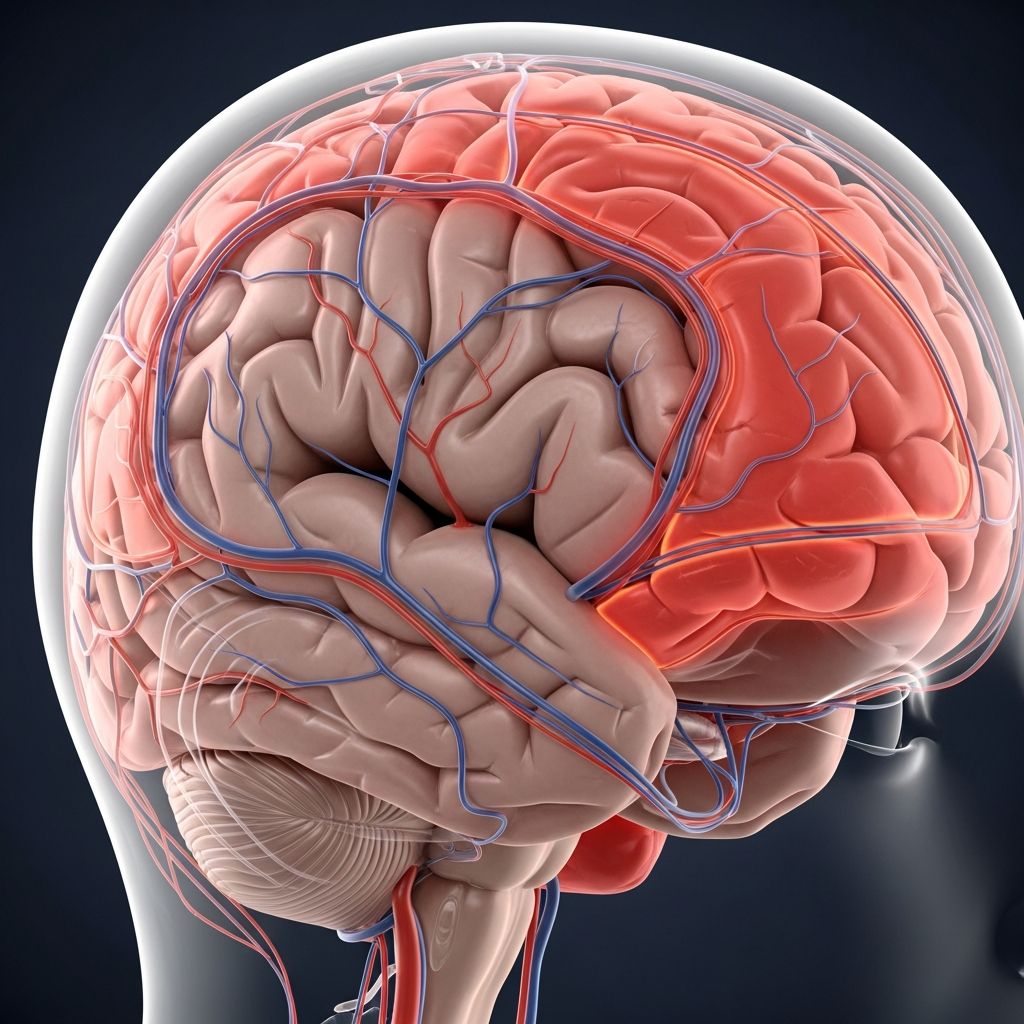
Meningitis is a potentially life-threatening inflammation of the protective membranes surrounding the brain and spinal cord, known as the meninges. Early recognition of
meningitis symptoms
is crucial, as prompt treatment can prevent severe complications or death, particularly in bacterial cases.Symptoms often mimic the flu initially but progress rapidly, including sudden high fever, stiff neck, severe headache, and sensitivity to light. This comprehensive guide details symptoms across age groups, causes, risk factors, diagnosis, treatment, prevention strategies, and frequently asked questions to empower you with knowledge for timely action.
What Is Meningitis?
Meningitis occurs when the meninges become inflamed due to infection or other irritants. The cerebrospinal fluid (CSF) surrounding the brain and spinal cord can also be affected, leading to swelling that pressures delicate neural tissues. While viral meningitis is often mild and self-resolving, bacterial forms demand immediate antibiotics to avert fatality rates up to 10-15% even with treatment.
In the United States, viral causes predominate, but bacterial meningitis remains a medical emergency due to its rapid progression. Globally, the World Health Organization estimates over 2.5 million cases annually, with neonates and young children at highest risk.
Meningitis Symptoms
Symptoms vary by age and causative agent but typically escalate over hours to days. Awareness of these signs can be lifesaving.
Symptoms in Adults and Children Over 2 Years
For individuals older than 2, classic symptoms include:
- Sudden
high fever
, often exceeding 1016F (38.36C). - **Stiff neck**, making it painful to bend the head forward.
- Severe
headache
unresponsive to typical pain relievers. - Nausea, vomiting, or loss of appetite.
- Confusion, drowsiness, or difficulty concentrating.
- Photophobia (sensitivity to light).
- Skin rash, particularly in meningococcal meningitis—a non-blanching purple rash signaling blood vessel damage.
- Seizures in advanced cases.
These symptoms warrant immediate emergency care, as bacterial meningitis can lead to death within 24-48 hours without intervention.
Symptoms in Newborns and Infants
Infants under 2 cannot verbalize discomfort, so parents must watch for subtler cues:
- High fever or hypothermia.
- Constant crying or high-pitched irritability.
- Excessive sleepiness or difficulty arousing.
- Poor feeding or refusal to eat.
- Vomiting or regurgitation.
- Bulging fontanelle (soft spot on the head).
- Body stiffness or limpness (hypotonia).
- Seizures or tremors.
In neonates, symptoms may mimic sepsis, delaying diagnosis. A 2023 study in Pediatrics noted that 20% of infant cases are initially misdiagnosed as gastroenteritis.
Common Symptoms Across All Ages
| Symptom | Description | Urgency Level |
|---|---|---|
| Fever | Sudden onset, high-grade | High |
| Stiff Neck | Pain on flexion (Kernig/Brudzinski signs) | Critical |
| Headache | Severe, throbbing | High |
| Altered Mental Status | Confusion, lethargy | Emergency |
| Rash | Non-blanching (glass test positive) | Immediate |
Causes of Meningitis
Meningitis stems from infectious agents or non-infectious irritants. Identifying the cause guides treatment.
Viral Meningitis
The most common type in the U.S., caused by enteroviruses (e.g., coxsackievirus, echovirus), herpes simplex, HIV, or mumps. It typically resolves in 7-10 days without antibiotics, peaking in summer/fall.
Bacterial Meningitis
Caused by Neisseria meningitidis, Streptococcus pneumoniae, or Haemophilus influenzae type B (rare post-vaccination). It spreads via respiratory droplets and requires IV antibiotics like ceftriaxone. Fatality risk is 10%, with 20% survivors facing neurological sequelae.
Fungal and Parasitic Meningitis
Rare, affecting immunocompromised individuals. Cryptococcus neoformans from bird droppings causes chronic symptoms treatable with antifungals like amphotericin B. Parasitic forms (e.g., Naegleria fowleri from contaminated water) are nearly 100% fatal.
Related Stories



Non-Infectious Causes
Cancer, autoimmune diseases (e.g., lupus), or medications can trigger aseptic meningitis, managed by addressing the underlying issue.
Risk Factors
Certain groups face elevated risk:
- Infants under 1 year.
- College students in dorms (meningococcal outbreaks).
- Immunocompromised patients (HIV, chemotherapy).
- Travelers to meningitis belt (sub-Saharan Africa).
- Unvaccinated individuals.
When to See a Doctor
Seek
emergency care
for fever plus stiff neck, rash, or confusion. The UKs “glass test” (pressing a glass on rash—if visible underneath, call 911) is a quick check. Delays increase brain damage risk by 30% per hour.Diagnosis
Diagnosis involves:
- Lumbar puncture (spinal tap) for CSF analysis—elevated white cells, low glucose in bacterial cases.
- Blood cultures and PCR testing.
- CT/MRI for complications like abscesses.
- CRP and procalcitonin levels to differentiate viral vs. bacterial.
Treatment
Treatment is etiology-specific:
- Bacterial: IV antibiotics (ceftriaxone + vancomycin), dexamethasone to reduce inflammation. Hospitalization in ICU.
- Viral: Supportive—hydration, pain relief. Acyclovir for herpes.
- Fungal: Long-term antifungals.
Close contacts receive prophylaxis (rifampin).
Complications
Untreated meningitis risks hearing loss (15%), vision impairment, cognitive deficits, amputation (Waterhouse-Friderichsen syndrome), or death. Rehabilitation may be needed for survivors.
Prevention
Vaccines are key:
- MenACWY (meningococcal) for adolescents.
- Pneumococcal (PCV13/23).
- Hib vaccine for infants.
- Maintain hygiene, avoid crowds during outbreaks.
Frequently Asked Questions (FAQs)
What are the first signs of meningitis?
The earliest signs are sudden fever, headache, and stiff neck. In babies, look for irritability and poor feeding.
Can you survive meningitis?
Yes, over 90% survive viral meningitis; bacterial survival is 85-90% with prompt antibiotics, but sequelae affect 1 in 5.
Is meningitis contagious?
Bacterial and viral forms spread via droplets; fungal/parasitic do not. Vaccines prevent most contagious types.
How long does meningitis last?
Viral: 7-10 days; bacterial: 1-2 weeks with treatment. Chronic forms persist months.
Does meningitis go away on its own?
Viral often does; bacterial never—requires hospital care.
References
- Meningitis – Symptoms and causes — Mayo Clinic. 2025-01-10. https://www.mayoclinic.org/diseases-conditions/meningitis/symptoms-causes/syc-20350508
- Meningitis Fact Sheet — World Health Organization (WHO). 2024-06-15. https://www.who.int/news-room/fact-sheets/detail/meningitis
- Bacterial Meningitis Surveillance — Centers for Disease Control and Prevention (CDC). 2025-03-20. https://www.cdc.gov/meningitis/bacterial.html
- Guidelines for Management of Meningitis — National Institute for Health and Care Excellence (NICE). 2024-11-05. https://www.nice.org.uk/guidance/ng240
- Pediatric Meningitis Diagnosis — American Academy of Pediatrics. 2023-09-12. https://publications.aap.org/pediatrics/article/doi/10.1542/peds.2023-063456/190000
Similar Articles








Read full bio of Sneha Tete