Meningitis Symptoms: Comprehensive Guide For All Ages
Recognize the critical signs of meningitis early to seek life-saving treatment and prevent severe complications.
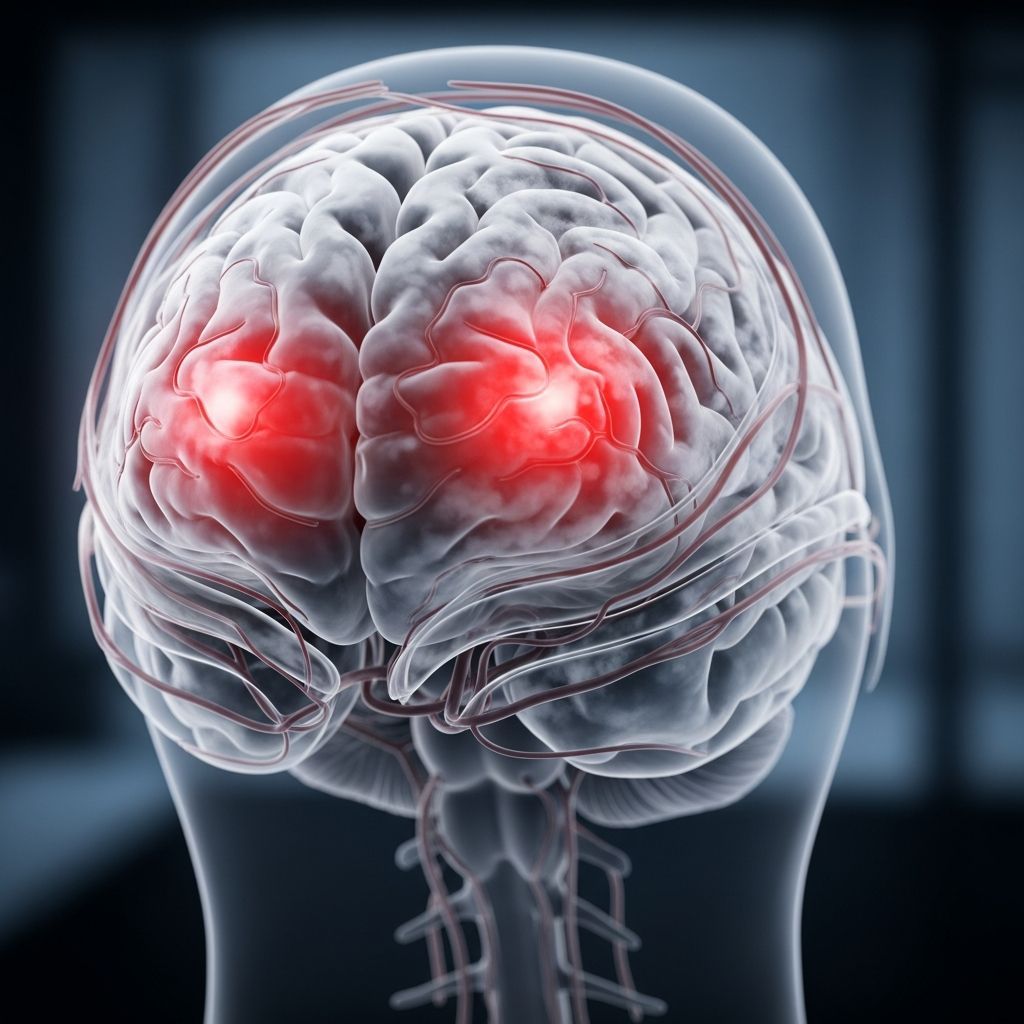
Meningitis is a serious medical condition involving inflammation of the protective membranes surrounding the brain and spinal cord, known as the meninges. This inflammation, often triggered by infection, can lead to life-threatening complications if not addressed promptly. Recognizing symptoms early is essential, as bacterial meningitis can progress rapidly and cause death within days without antibiotics.
What Are the First Signs of Meningitis?
The initial signs of meningitis often mimic flu-like symptoms, developing over several hours or a few days. Common early indicators include sudden
high fever
,severe headache
, andstiff neck
. Patients may also experience nausea, vomiting, sensitivity to light, and fatigue. In adults and children over 2 years, confusion or trouble concentrating can signal worsening inflammation affecting brain function.These symptoms arise because the infection irritates the meninges, causing swelling that pressures the brain. Viral meningitis, the most common type in the U.S., tends to be milder, but bacterial forms demand immediate attention.
Symptoms of Meningitis in Adults
In adults, meningitis presents with distinct hallmark symptoms that warrant urgent medical evaluation:
- Sudden high fever: Often the first sign, exceeding 101°F (38.3°C), accompanied by chills.
- Stiff neck: Difficulty bending the head forward due to meningeal irritation; a key diagnostic clue.
- Severe headache: Described as the worst headache ever, unrelenting and throbbing.
- Nausea or vomiting: Resulting from increased intracranial pressure.
- Confusion or altered mental status: Trouble concentrating, irritability, or disorientation.
- Photophobia: Extreme sensitivity to light.
- Somnolence: Excessive sleepiness or difficulty waking.
- Seizures: In severe cases, due to brain swelling.
- Skin rash: Particularly in meningococcal meningitis, a non-blanching purple rash signaling blood infection.
These symptoms can escalate quickly, especially in bacterial meningitis caused by Neisseria meningitidis. A skin rash, if present, does not fade under pressure (petechial rash) and requires immediate emergency care.
Symptoms of Meningitis in Babies and Toddlers
Infants and toddlers under 2 years cannot verbalize symptoms, making diagnosis challenging. Parents should watch for subtle but critical signs:
- High fever: May be the only obvious sign initially.
- Constant crying or irritability: Unsoothable distress.
- Excessive sleepiness or lethargy: Hard to wake or unusually sluggish.
- Poor feeding: Refusal to eat or weak sucking reflex.
- Vomiting: Projectile or unexplained.
- Bulging fontanelle: Swollen soft spot on the head in infants.
- Body stiffness: Rigid posture or floppy limbs (hypotonia).
- Cold hands and feet: Poor circulation despite fever.
- High-pitched cry: Distinctive shrill sound.
In newborns, symptoms may include apnea (breathing pauses) or jaundice. These signs indicate the infection spreading to delicate tissues, risking sepsis or brain damage.
Symptoms of Meningitis in Children
Children aged 2-12 may show a mix of adult and infant symptoms, including fever, headache, neck stiffness, and photophobia. They might complain of neck pain, refuse to eat, or become confused. Seizures occur in up to 30% of cases. A rapid onset rash in meningococcal disease is a red flag, often starting on the legs and spreading.
When to See a Doctor for Meningitis Symptoms
Seek
emergency medical care immediately
if any combination of the following appears: fever with stiff neck, persistent severe headache, vomiting, confusion, or rash. Do not wait for all symptoms to develop—bacterial meningitis can kill within 24-48 hours. Call 911 or go to the ER if the person is a newborn, infant, elderly, or immunocompromised.Related Stories



Healthcare providers perform a lumbar puncture (spinal tap) to confirm diagnosis by analyzing cerebrospinal fluid for bacteria, viruses, or other pathogens. Early intervention with antibiotics can be lifesaving.
Causes of Meningitis
Meningitis stems from infectious agents invading the meninges via the bloodstream, sinuses, ears, or skull fractures. Types vary by pathogen:
- Viral meningitis: Most common, caused by enteroviruses (summer/fall peak), herpes simplex, mumps, or West Nile. Usually self-resolves in 7-10 days.
- Bacterial meningitis: Deadliest, from Streptococcus pneumoniae, Neisseria meningitidis, or Haemophilus influenzae. Spreads via respiratory droplets; vaccines prevent some strains.
- Fungal meningitis: Rare, from inhaling spores (e.g., Cryptococcus in AIDS patients). Slow onset, treated with antifungals.
- Tuberculous meningitis: TB complication, gradual symptoms over weeks.
- Parasitic: Extremely rare, like Naegleria fowleri from contaminated water.
Non-infectious causes include cancer, drugs, or autoimmune diseases, but infections dominate.
Meningitis Complications
Untreated or delayed meningitis risks severe outcomes:
- Hearing loss: Common in bacterial cases, affecting 10-15%.
- Vision problems: Optic nerve damage.
- Cognitive impairments: Memory loss, learning disabilities.
- Brain damage: Encephalopathy or hydrocephalus.
- Motor issues: Paralysis, gait problems.
- Seizures: Chronic epilepsy.
- Multi-organ failure: Shock, kidney failure, sepsis.
- Death: Mortality up to 20% in bacterial meningitis despite treatment.
Long-term survivors may need rehabilitation. Vaccines (e.g., meningococcal, pneumococcal) reduce risk.
Meningitis Rash: What It Looks Like and Means
The meningococcal rash starts as tiny red pinpricks (petechiae), evolving to purple bruises (purpura). It does not blanch when pressed with a glass (tumbler test). This indicates bloodstream infection (septicemia), a medical emergency with 10-20% fatality even with care.
Frequently Asked Questions (FAQs)
What is the hallmark symptom of meningitis?
The classic triad is
fever, stiff neck, and altered mental status
. Headache and photophobia often accompany them.Can meningitis be cured?
Viral cases often resolve without treatment; bacterial requires IV antibiotics. Early care improves outcomes dramatically.
Is meningitis contagious?
Bacterial and viral forms spread via close contact; fungal/parasitic do not. Vaccines protect against common strains.
How quickly does bacterial meningitis progress?
Symptoms can worsen in hours; death in 1-2 days without antibiotics.
What should I do if I suspect meningitis in my child?
Go to the ER immediately—do not drive if confused. Note symptoms and rash for doctors.
Prevention Tips
Vaccinate against preventable strains, practice hand hygiene, avoid sharing drinks, and seek prompt treatment for ear/sinus infections. College students and travelers to high-risk areas should get meningococcal vaccines.
References
- Meningitis – Symptoms and causes — Mayo Clinic. 2023-10-12. https://www.mayoclinic.org/diseases-conditions/meningitis/symptoms-causes/syc-20350508
- Meningitis — World Health Organization (WHO). 2023-05-15. https://www.who.int/news-room/fact-sheets/detail/meningitis
- Bacterial Meningitis — Centers for Disease Control and Prevention (CDC). 2024-02-28. https://www.cdc.gov/meningitis/bacterial.html
- Viral Meningitis — National Institute of Neurological Disorders and Stroke (NINDS). 2023-11-01. https://www.ninds.nih.gov/health-information/disorders/viral-meningitis
- Meningococcal Disease — CDC. 2024-01-10. https://www.cdc.gov/meningococcal/index.html
Similar Articles








Read full bio of Sneha Tete