Meningococcal Disease Guide: Symptoms, Treatment & Prevention
Comprehensive guide to meningococcal disease: causes, symptoms, diagnosis, treatment, prevention, and complications.
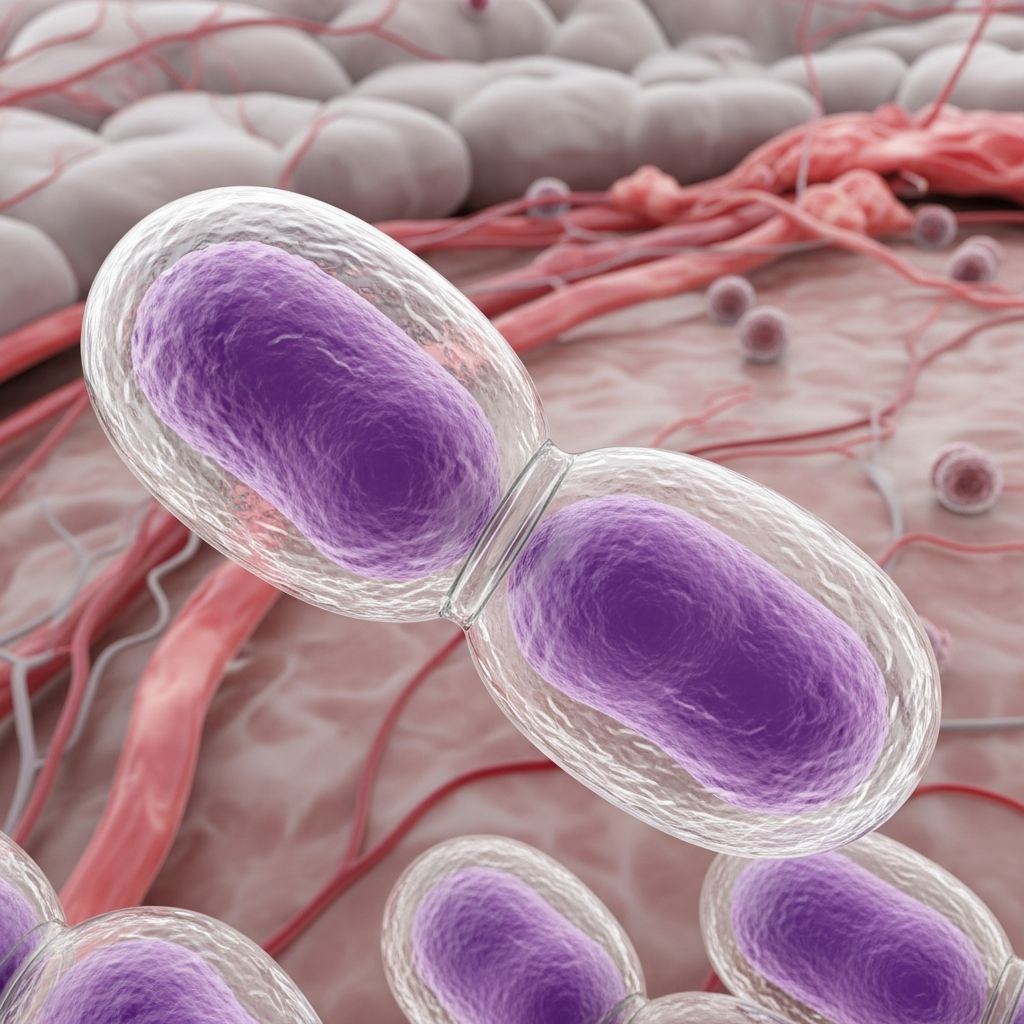
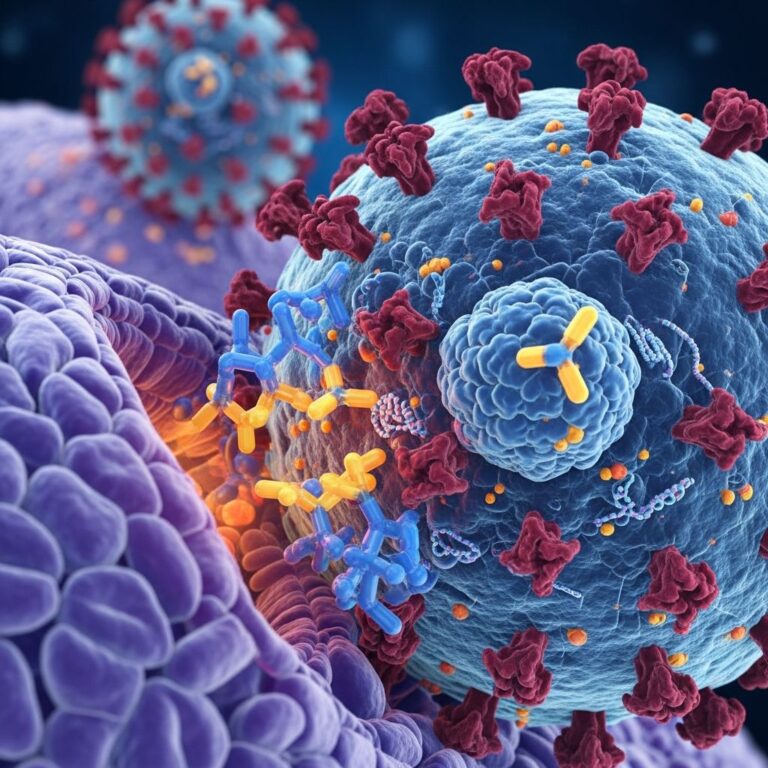
Meningococcal disease is an acute, potentially life-threatening illness caused by the bacterium Neisseria meningitidis, commonly known as the meningococcus. This pathogen primarily invades the bloodstream (meningococcaemia) or the meninges (meningitis), leading to rapid deterioration and high mortality rates if not treated promptly. The disease manifests with characteristic skin lesions, particularly in septicaemic forms, making dermatological recognition crucial for early diagnosis.
What is meningococcal disease?
Meningococcal disease encompasses infections ranging from mild nasopharyngeal colonisation to severe invasive disease, including meningitis (inflammation of the brain and spinal cord membranes) and meningococcaemia (bloodstream infection often presenting with purpuric rash). N. meningitidis is a Gram-negative diplococcus that colonises the upper respiratory tract asymptomatically in 5-10% of the population, but in susceptible individuals, it can breach mucosal barriers to cause invasive disease. There are 12 serogroups, with A, B, C, W, X, and Y responsible for most cases worldwide. The infection progresses rapidly, with deaths possible within hours, underscoring the need for immediate medical intervention.
Who gets meningococcal disease?
Individuals at highest risk include infants under 1 year, adolescents aged 15-19, and young adults in close-contact settings like dormitories or military barracks. Immunocompromised persons, those with complement deficiencies, and asplenic patients are particularly vulnerable. Outbreaks often occur in crowded environments, with seasonal peaks in winter and spring. Globally, incidence varies, but vaccination has reduced rates in many regions.
Overview
The bacterium spreads via respiratory droplets from carriers or cases, with an incubation period of 1-10 days (typically 3-4 days). Carriage is common and usually harmless, but invasive disease affects about 1 in 100,000 annually in developed countries, with case-fatality rates of 10-15%, rising to 20% in meningococcaemia. Prompt antibiotics reduce mortality, but survivors face amputation or neurological sequelae.
Clinical features of meningococcal disease
Symptoms onset suddenly with high fever, headache, neck stiffness, photophobia, nausea, vomiting, myalgia, and altered mental status. In infants, signs may be non-specific: irritability, poor feeding, lethargy, or bulging fontanelle.
Meningococcal meningitis
Seen in ~50% of invasive cases, characterised by fever, severe headache, neck rigidity (positive Kernig/Brudzinski signs), and confusion. Lumbar puncture reveals cloudy CSF with neutrophilic pleocytosis, low glucose, and high protein.
Meningococcal septicaemia
Occurs in 35-40% of cases, often without meningitis, featuring fever, hypotension, and a hallmark petechial/purpuric rash starting on extremities. The rash evolves from maculopapules to haemorrhagic lesions due to endothelial damage and disseminated intravascular coagulation (DIC). Purpura fulminans involves extensive necrosis, risking limb loss.
Other presentations
- Bacteremic pneumonia (up to 15%)
- Septic arthritis
- Pericarditis
- Chronic meningococcaemia (rare, relapsing fever/rash)
Waterhouse-Friderichsen syndrome features adrenal haemorrhage and shock.
Differential diagnoses
| Condition | Key Distinguishing Features |
|---|---|
| Other bacterial meningitis (pneumococcal, Hib) | Less rash; different CSF Gram stain |
| Viral meningitis | Milder; lymphocytic CSF; no rash |
| Rickettsial infections (RMSF) | Tic bite history; centripetal rash |
| Haemorrhagic fevers | Travel history; thrombocytopenia |
| ITP/HS purpura | No fever/sepsis; normal blood culture |
| Enteroviral rash | Vesicles; summer epidemic |
Investigations
Diagnosis relies on clinical suspicion with supportive tests: blood/CSF culture (gold standard, positive in 50-70%), PCR for N. meningitidis DNA, Gram stain showing Gram-negative diplococci, and blood tests showing thrombocytopenia, elevated CRP, coagulopathy. Skin biopsy of rash may show organisms in vessels. Notify public health immediately for contact tracing.
Related Stories



Treatment of meningococcal disease
Empiric therapy: IV ceftriaxone (2g q12h adults; 50-100mg/kg q12h children) or cefotaxime. Switch to penicillin G if susceptible. Supportive care includes fluids, vasopressors, ventilation for shock, and heparin/fresh frozen plasma for DIC. Adjunctive dexamethasone for meningitis (0.15mg/kg q6h x4 days). Chemoprophylaxis for close contacts: ciprofloxacin 500mg single dose or rifampicin 600mg bd x2 days.
Complications
- Mortality: 10% overall, 20% in septicaemia
- Amputations (10-20% purpura fulminans cases)
- Neurological: hearing loss (15%), seizures, cognitive deficits
- Endocrine: adrenal insufficiency
- Scarring from rash
Prevention of meningococcal disease
Vaccination is key: MenACWY for adolescents, MenB for infants/high-risk. Vaccines reduce carriage and herd immunity. Avoid close contact with cases; prophylaxis for household/school contacts.
Meningococcal vaccines
- MenACWY: Conjugate vaccine for serogroups A,C,W,Y; routine at 11-12 years
- MenB: Protein-based (Bexsero, Trumenba); for infants, adolescents, high-risk
- MenA: Used in African meningitis belt
Boosters recommended; high-risk groups need additional doses.
Further reading and references
For detailed guidelines, consult CDC and WHO resources on surveillance and vaccination.
Frequently Asked Questions
What causes the rash in meningococcal disease?
The petechial/purpuric rash results from bacterial endotoxin-induced endothelial damage, leading to haemorrhage into skin.
How quickly does meningococcal disease progress?
Symptoms can advance to shock and death within hours; seek emergency care for fever and rash.
Is meningococcal disease contagious?
Yes, via respiratory droplets; infectious from 7 days before to 24 hours after antibiotics.
Who should get vaccinated?
Infants, teens, college students, travellers to endemic areas, and asplenic patients.
What is the treatment if suspected?
Immediate IV ceftriaxone; do not delay for tests.
References
- Chapter 8: Meningococcal Disease — CDC. 2023. https://www.cdc.gov/surv-manual/php/table-of-contents/chapter-8-meningococcal-disease.html
- Clinical Guidance for Meningococcal Disease — CDC. 2024. https://www.cdc.gov/meningococcal/hcp/clinical-guidance/index.html
- Meningococcal Disease Quicksheet — CDPH. 2023. https://www.cdph.ca.gov/Programs/CID/DCDC/CDPH%20Document%20Library/Immunization/IMM-MeningQuicksheet.pdf
- Meningococcal Disease Manual — Missouri Department of Health. 2023. https://health.mo.gov/living/healthcondiseases/communicable/communicabledisease/cdmanual/pdf/Meningitis.pdf
- 2025 Meningococcal Disease Guide — Immunisation Coalition. 2025-02-18. https://www.immunisationcoalition.org.au/wp-content/uploads/2017/11/Meningococcal-Disease-Guide-2025-18-Feb.pdf
- Meningococcal Disease — Illinois Department of Public Health. 2024. https://dph.illinois.gov/topics-services/diseases-and-conditions/diseases-a-z-list/diseases/meningococcal-disease.html
- Meningococcal Meningitis — WHO. 2024. https://www.who.int/teams/immunization-vaccines-and-biologicals/diseases/meningitis
Similar Articles








Read full bio of Sneha Tete