Meningococcal Meningitis Vaccine: Complete Guide For Parents
Essential guide to meningococcal vaccines protecting against serious meningitis and septicaemia in children and teens.
The meningococcal meningitis vaccine is a critical tool in preventing serious infections caused by Neisseria meningitidis, commonly known as the meningococcus bacterium. This pathogen can lead to bacterial meningitis, an inflammation of the brain and spinal cord linings, and meningococcal septicaemia, a life-threatening blood infection. Vaccines target specific serogroups (strains) of the bacteria, significantly reducing disease incidence since their introduction.
What is the meningococcus?
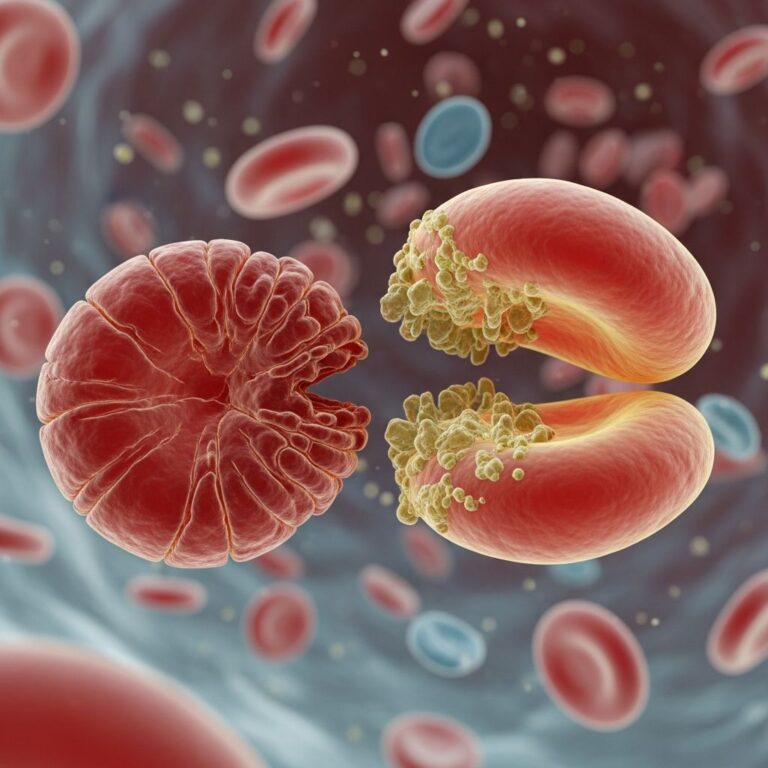
The meningococcus is a gram-negative bacterium that resides harmlessly in the nasopharynx of many healthy individuals but can invade the bloodstream and meninges in susceptible people, causing rapid and severe illness. It spreads through respiratory droplets from coughing, sneezing, or close contact. Globally, it accounts for outbreaks, particularly in crowded settings like schools, dormitories, or during pilgrimages. Serogroups A, B, C, W, and Y are most common in causing invasive disease.
Symptoms of meningococcal disease include high fever, headache, neck stiffness, photophobia, confusion, rash, and in severe cases, shock or coma. Early antibiotic treatment is vital, but vaccines offer the best prevention by priming the immune system to produce antibodies against the bacterial capsule.
Types of meningococcal vaccines
Several vaccines are available, each targeting specific serogroups:
- MenC vaccine (Hib/MenC or standalone): Protects against group C meningococcus, often combined with Haemophilus influenzae type b (Hib) vaccine as Menitorix®. Given to infants.
- MenB vaccine (Bexsero® or Trumenba®): Targets group B meningococcus, the most common cause in infants and young children in many countries. Requires multiple doses for optimal immunity.
- MenACWY vaccine (Menveo®, MenQuadfi®, Nimenrix®): Quadrivalent vaccine protecting against groups A, C, W, and Y. Used for adolescents, travelers, and high-risk groups.
- Pentavalent options: Emerging vaccines like MenACWY-TT/MenB-FHbp for ages 10-25, combining MenACWY and MenB protection.
These conjugate vaccines link bacterial polysaccharides to proteins, enhancing immune response, especially in young children whose immune systems respond poorly to plain polysaccharide vaccines.
Who should receive the different types of meningococcal vaccine?
Vaccination schedules vary by age, risk, and location, following national guidelines like those from the UK NHS, CDC, and WHO.
Infants and Babies
All UK babies receive MenB and MenC vaccines:
- MenB (Bexsero®): 2 doses at 2 and 4 months, booster at 12 months. Provides strong immunity against group B, thought to be lifelong without further boosters.
- MenC (Hib/MenC): First dose at 12 months combined with Hib.
CDC recommends MenACWY for children 2 months through 10 years at increased risk.
Adolescents and Teens
MenACWY: Routine at 11-12 years, booster at 16 years due to waning immunity. UK offers in school year 9 (ages 13-14).
MenB recommended for ages 16-23 in outbreak-prone or high-risk settings, with a 2-3 dose series.
Travelers and Hajj Pilgrims
MenACWY required for travel to Saudi Arabia (Hajj/Umrah) or sub-Saharan Africa’s ‘meningitis belt’. Administer at least 2-3 weeks before travel for protection within 10-14 days. Previous MenC recipients need MenACWY.
High-Risk Groups
| Group | Recommended Vaccine(s) | Schedule |
|---|---|---|
| Complement deficiencies, asplenia, eculizumab users | MenACWY + MenB | Every 3-5 years boosters |
| Microbiologists exposed to N. meningitidis | MenACWY | Single dose, booster every 5 years |
| Outbreak contacts or close contacts | Group-specific + antibiotics | Immediate post-exposure |
| Military recruits | MenACWY | At entry |
Related Stories



Pregnant individuals at high risk for A,C,W,Y may receive MenACWY. Breastfeeding is safe.
Are there any side-effects of the meningococcal vaccines?
Most recipients experience no or mild side effects. Common reactions include:
- In infants: Fever, irritability, crying, vomiting, diarrhoea (usually short-lived).
- In older children/adults: Injection site pain, redness, swelling; headache, muscle aches, fatigue.
MenB vaccines may cause higher fever rates; paracetamol can mitigate. Severe reactions are rare (e.g., anaphylaxis).
Who should not get the meningococcal vaccine?
Contraindications:
- Severe allergic reaction to a previous dose or vaccine component (e.g., diphtheria toxoid in some).
Precautions: Acute severe illness (delay until recovery); discuss with provider if history of Guillain-Barré syndrome.
Safe in pregnancy/breastfeeding when indicated; no live components.
Are you still at risk of meningitis after the immunisation?
Yes, vaccines do not cover all serogroups or non-meningococcal causes (e.g., pneumococcus, viruses). MenC reduced UK cases by over 90% since 1999; MenB expected similarly effective. Remain vigilant for symptoms: rash, stiff neck, fever. Seek immediate medical help.
Frequently Asked Questions (FAQs)
Q: When does protection start after vaccination?
A: MenACWY provides good protection within 2 weeks; MenB after full doses. Time travel vaccines 2-3 weeks prior.
Q: Do boosters last lifelong?
A: MenB may offer lifelong immunity; MenACWY wanes, requiring teen boosters. High-risk need ongoing.
Q: Can vaccinated people still spread the bacteria?
A: Vaccines prevent invasive disease but not carriage; hygiene key.
Q: Is the vaccine safe for immunocompromised?
A: Recommended and safe; may need additional doses.
Q: What if I missed a dose?
A: Catch-up available; consult GP or clinic per schedule.
This guide aligns with current UK NHS and CDC recommendations as of 2026. Always verify with healthcare providers for personalized advice.
References
- Meningococcal Vaccine for Meningitis — Patient.info. 2023. https://patient.info/childrens-health/meningitis-leaflet/meningococcal-meningitis-vaccine
- Meningococcal Vaccine — Merck Manuals Professional Edition. 2025-01-05. https://www.merckmanuals.com/professional/infectious-diseases/immunization/meningococcal-vaccine
- Meningococcal Vaccination — Centers for Disease Control and Prevention (CDC). 2025. https://www.cdc.gov/meningococcal/vaccines/index.html
- Meningococcal Vaccine for Kids & Teens — Nemours KidsHealth. 2024. https://kidshealth.org/en/parents/meningitis-vaccine.html
- Meningococcal Vaccine Recommendations — CDC. 2025. https://www.cdc.gov/meningococcal/hcp/vaccine-recommendations/index.html
Similar Articles








Read full bio of medha deb