Meningoencephalitis: Symptoms, Causes & Treatment
Understanding meningoencephalitis: A rare but serious condition requiring immediate medical attention.
Understanding Meningoencephalitis
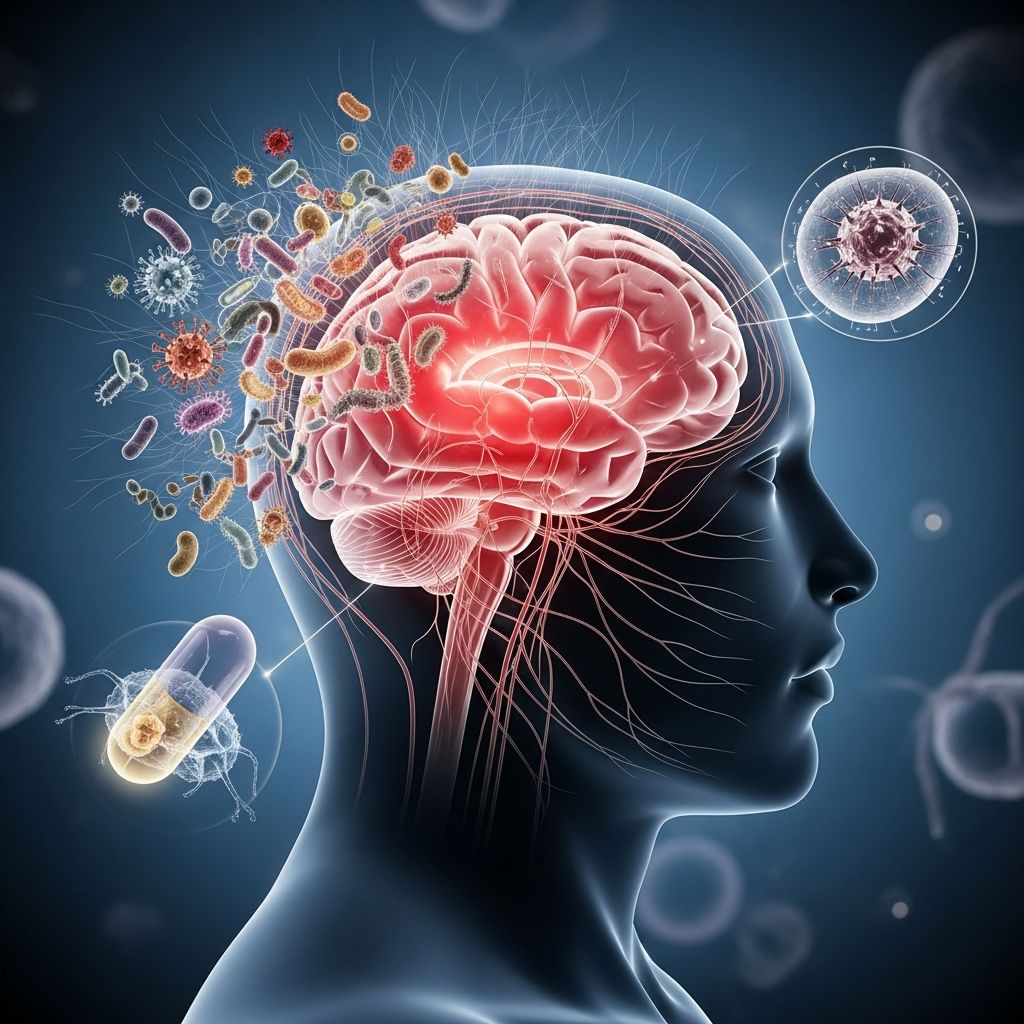
Meningoencephalitis is a rare but serious medical condition that occurs when you experience inflammation and/or infection of both your meninges (the protective membranes surrounding your brain and spinal cord) and your brain tissue simultaneously. Healthcare providers may also refer to this condition as encephalomeningitis. This dual infection represents a medical emergency that demands immediate attention and aggressive treatment. The condition is life-threatening, and early intervention is essential for improving patient outcomes and reducing the risk of severe complications.
The development of meningoencephalitis typically involves pathogens that trigger simultaneous inflammation in multiple areas of the central nervous system. Unlike meningitis alone, which primarily affects the protective membranes, or encephalitis alone, which primarily affects brain tissue, meningoencephalitis affects both regions at the same time. This dual involvement makes the condition particularly dangerous and requires specialized medical management.
Risk Factors and Susceptible Populations
Certain individuals face significantly increased risk of developing infectious meningoencephalitis. People with a weakened immune system, medically referred to as immunocompromised, are particularly vulnerable to this condition. Several conditions and factors can compromise your immune system and increase your susceptibility to meningoencephalitis:
- Human immunodeficiency virus (HIV) infection with low CD4 counts
- Organ transplantation and immunosuppressive therapy
- Cancer and cancer treatment medications
- Chronic corticosteroid use
- Diabetes mellitus
- Spinal cord injuries or lesions
- Extremes of age (very young children and elderly individuals)
If you are immunocompromised, it is crucial to consult with your healthcare provider about strategies to maintain optimal health and reduce your risk of serious infections. This may include vaccination protocols, preventive medications, and lifestyle modifications tailored to your specific condition.
Recognizing the Symptoms
The symptoms of meningoencephalitis develop as a result of inflammation in the brain and surrounding tissues. Early recognition of these symptoms is vital, as prompt medical intervention can significantly impact outcomes. Common symptoms include:
- High fever
- Severe headache
- Stiff neck or neck rigidity
- Light sensitivity (photophobia)
- Nausea and vomiting
- Altered mental status or confusion
- Behavioral changes
- Seizures
- Lethargy or decreased consciousness
- Focal neurological deficits
Neurological symptoms are particularly characteristic of meningoencephalitis due to the brain involvement. Behavioral changes, personality shifts, and cognitive disturbances may accompany the physical symptoms. Some patients may experience seizures, which represent a medical emergency requiring immediate intervention. The combination of these symptoms warrants urgent medical evaluation and should never be ignored.
Diagnostic Approach and Testing
When meningoencephalitis is suspected, healthcare providers act quickly to confirm the diagnosis through comprehensive physical and neurological examinations. Providers will conduct detailed questioning about symptom onset, progression, and associated factors. Several diagnostic tests help identify the causative agent and confirm the diagnosis:
Primary Diagnostic Methods
Related Stories



| Diagnostic Test | Purpose | Key Information Obtained |
|---|---|---|
| Lumbar Puncture (Spinal Tap) | Obtain cerebrospinal fluid (CSF) | Cell counts, protein levels, glucose levels, microbial analysis |
| Brain Magnetic Resonance Imaging (MRI) | Visualize brain tissue and inflammation | Edema patterns, affected regions, infection extent |
| Computed Tomography (CT) Scan | Quick neuroimaging assessment | Rule out other conditions, identify complications |
| Blood Cultures and Testing | Identify bloodborne pathogens | Bacterial, viral, or fungal organisms |
| Electroencephalogram (EEG) | Monitor brain electrical activity | Seizure activity, abnormal patterns |
| Nucleic Acid Amplification Testing (NAAT) | Detect pathogen DNA/RNA in CSF | Rapid identification of viral or bacterial pathogens |
The lumbar puncture is particularly crucial for meningoencephalitis diagnosis, as it allows direct examination of the cerebrospinal fluid surrounding the brain and spinal cord. Analysis of CSF can reveal elevated white blood cell counts, increased protein levels, and the specific causative organism. Modern polymerase chain reaction (PCR) testing enables rapid identification of bacterial, viral, and fungal pathogens directly from CSF specimens, often providing results within hours.
Treatment Approaches
The treatment strategy for meningoencephalitis depends on several factors, including the identified causative agent and the severity of the condition. Most cases require hospitalization for intensive monitoring and treatment. Healthcare providers tailor treatment plans based on diagnostic findings and clinical presentation.
Standard Treatment Components
- Empiric broad-spectrum antibiotics or antivirals initiated immediately if bacterial or viral infection is suspected
- Intravenous fluids to maintain hydration and electrolyte balance
- Antifungal medications if fungal pathogens are identified
- Corticosteroids to reduce inflammation, particularly dexamethasone
- Antipyretics and analgesics to manage fever and pain
- Anticonvulsants if seizures occur or are at risk
- Intensive supportive care including mechanical ventilation if needed
For autoimmune meningoencephalitis cases, first-line therapies include high-dose intravenous corticosteroids, intravenous immunoglobulin (IVIg), or plasmapheresis. These treatments may be used sequentially or in combination. Once infectious causes are reasonably excluded, empiric immunotherapy may be appropriate, especially in severe cases requiring intensive care unit level monitoring.
Hospital teams provide continuous close monitoring to address any complications that may develop during treatment. Healthcare providers adjust medications and interventions based on the patient’s response and evolving clinical status. The multidisciplinary approach may involve neurologists, infectious disease specialists, intensivists, and other specialists working collaboratively.
Prognosis and Long-Term Outcomes
The outlook for meningoencephalitis patients varies considerably based on the causative organism, disease severity, and how quickly treatment is initiated. Early treatment significantly improves outcomes, while delayed diagnosis and treatment are associated with worse prognoses.
Specific Outcome Data
Research indicates that survivors of certain types of meningoencephalitis face significant long-term challenges. In survivors of cryptococcal meningoencephalitis, approximately 69% experience cognitive and/or physical impairments at 12 months post-diagnosis. This represents a substantial burden requiring ongoing rehabilitation and support. Patients with herpetic meningoencephalitis face even more challenging outcomes, with 50% to 70% experiencing permanent brain damage, neurological disorders, or coma.
These long-term sequelae can include memory problems, concentration difficulties, processing speed impairment, mood disorders, sleep disturbances, and persistent fatigue. Some patients require long-term neuropsychological rehabilitation and supportive services. The multidisciplinary approach to recovery may involve occupational therapy, speech therapy, neuropsychology, social work, and psychology consultations.
Prevention Strategies
Given the serious nature of meningoencephalitis and high rates of adverse clinical outcomes, prevention is paramount when feasible. Vaccination against common bacterial pathogens has dramatically reduced meningitis incidence. Vaccines against Streptococcus pneumoniae and Haemophilus influenzae conjugate vaccines are particularly important preventive measures. Additionally, maintaining a strong immune system through proper nutrition, adequate sleep, stress management, and avoiding high-risk exposures can help reduce infection risk.
Frequently Asked Questions
Q: How quickly does meningoencephalitis develop?
A: Meningoencephalitis typically develops over hours to a few days, making rapid diagnosis and treatment critical. Symptoms can progress from initial signs to life-threatening complications relatively quickly.
Q: Is meningoencephalitis contagious?
A: The contagiousness depends on the causative agent. Viral meningoencephalitis may be contagious through respiratory droplets, while bacterial forms may have variable transmission. Healthcare providers implement appropriate isolation precautions.
Q: What should I do if I suspect meningoencephalitis?
A: Seek immediate emergency medical care. Call emergency services or go to the nearest emergency department, as meningoencephalitis is a medical emergency requiring urgent evaluation and treatment.
Q: Can meningoencephalitis be prevented?
A: While not all cases can be prevented, vaccinations against common bacterial causes and maintaining a strong immune system reduce risk. Immunocompromised individuals should discuss preventive strategies with healthcare providers.
Q: What is the typical hospital stay for meningoencephalitis?
A: Hospital stays vary based on severity and response to treatment, typically ranging from one to several weeks. Severe cases may require extended intensive care unit monitoring and rehabilitation.
Q: Are there long-term complications after recovery?
A: Yes, many survivors experience long-term neurological complications including cognitive impairment, seizures, and mood disorders. Regular follow-up care and rehabilitation support are important for recovery.
References
- Meningoencephalitis: What It Is, Symptoms & Treatment — Cleveland Clinic. 2025. https://my.clevelandclinic.org/health/diseases/25157-meningoencephalitis
- Meningitis Encephalitis Panel by PCR — Cleveland Clinic Laboratories. 2025. https://clevelandcliniclabs.com/test/meningitis-encephalitis-panel-by-pcr/
- A Case Study on Viral Meningoencephalitis in a Patient With Cardiac Condition — National Center for Biotechnology Information (NCBI). 2024. https://pmc.ncbi.nlm.nih.gov/articles/PMC10882189/
- Diagnosis and Management of Autoimmune Encephalitis — Cleveland Clinic. 2025. https://my.clevelandclinic.org/departments/neurological/depts/multiple-sclerosis/ms-approaches/diagnosis-and-management-of-autoimmune-encephalitis
- Encephalitis: What It Is, Causes, Symptoms, Treatment & Types — Cleveland Clinic. 2025. https://my.clevelandclinic.org/health/diseases/6058-encephalitis
- Pharmacotherapy Update: Prevention of Meningococcal Disease — Cleveland Clinic Medical Education. 2005. https://www.clevelandclinicmeded.com/medicalpubs/pharmacy/julyaug2005/default.htm
Similar Articles








Read full bio of Sneha Tete