Menometrorrhagia: Abnormal Uterine Bleeding Guide
Understanding abnormal uterine bleeding: causes, symptoms, diagnosis, and effective treatment options.
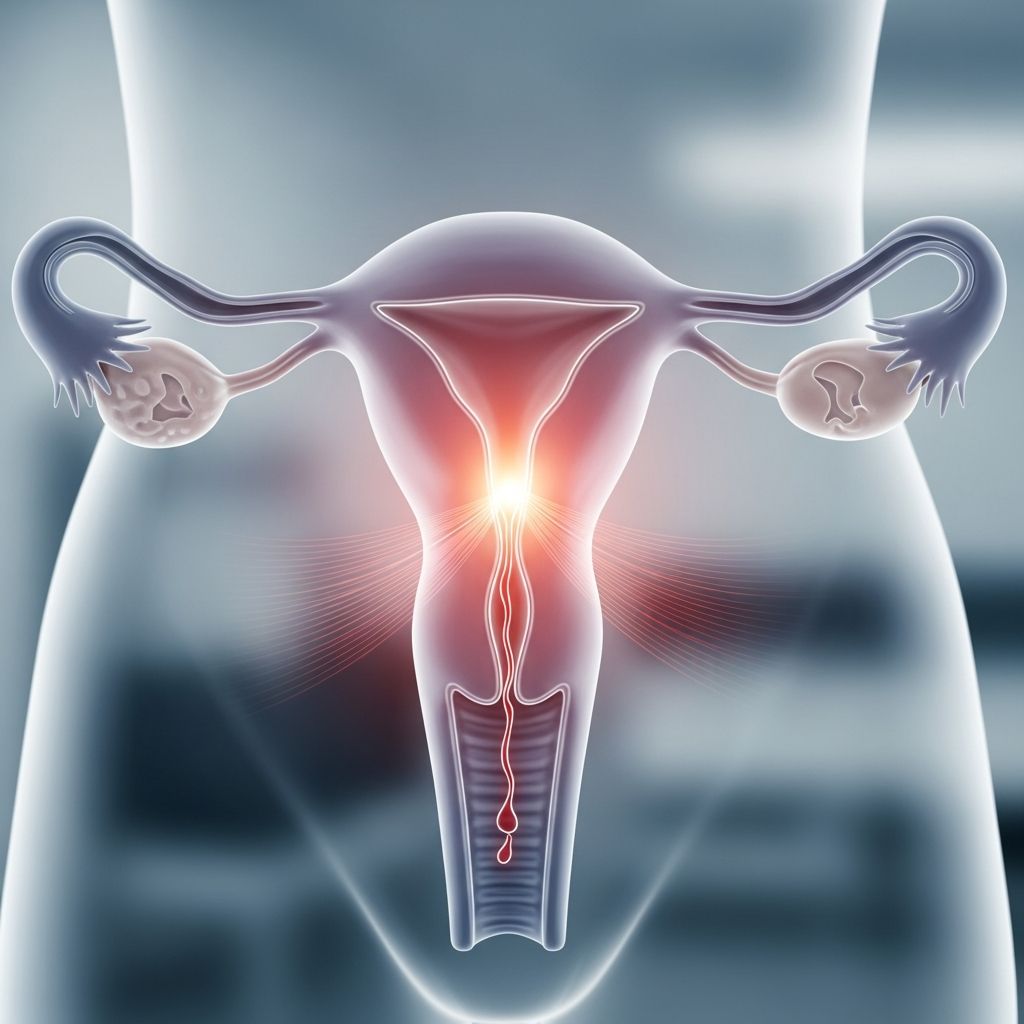
Understanding Menometrorrhagia: Abnormal Uterine Bleeding
Menometrorrhagia, commonly referred to as abnormal uterine bleeding (AUB), is a condition characterized by heavy, prolonged, and irregular bleeding from the uterus that occurs outside of a normal menstrual cycle. This condition affects many women of reproductive age and can significantly impact quality of life, causing physical discomfort, emotional distress, and potential health complications such as anemia. Understanding the causes, symptoms, and available treatment options is essential for women seeking to manage this condition effectively.
What Is Menometrorrhagia?
Menometrorrhagia is distinguished by abnormal uterine bleeding patterns that differ from typical menstruation. Women with this condition typically experience bleeding that exceeds 80 milliliters during menstruation or bleeding that occurs at irregular intervals throughout the month. Unlike menorrhagia, which refers specifically to heavy periods that last longer than seven days, menometrorrhagia combines both excessive flow and irregular timing, making it a more complex condition to diagnose and treat.
Symptoms of Abnormal Uterine Bleeding
Recognizing the symptoms of menometrorrhagia is the first step toward seeking appropriate medical care. Common signs include:
- Soaking through sanitary pads or tampons every hour for several consecutive hours
- Bleeding that lasts longer than eight days
- Passing large blood clots during menstruation
- Bleeding outside the regular menstrual cycle
- Experiencing back and abdominal pain during menstruation
- Feeling tired, weak, or short of breath due to potential anemia
- Needing to use double protection or change pads overnight
These symptoms can vary in severity from woman to woman. Some women may experience all of these symptoms, while others may only notice a few. If you are experiencing any combination of these signs, it is important to schedule an appointment with your healthcare provider for proper evaluation.
Causes of Menometrorrhagia
The causes of menometrorrhagia are complex and multifactorial. While not all causes are completely understood, several factors have been identified as contributing to abnormal uterine bleeding:
Hormonal Imbalances
Hormonal imbalances, particularly involving estrogen, are among the most common causes of abnormal uterine bleeding. When estrogen levels are elevated, the uterine lining can grow thicker than normal. When this thickened lining sheds during menstruation, it results in heavier bleeding and the formation of blood clots. Estrogen imbalances can occur due to various factors including chronic stress, obesity, and metabolic conditions.
Structural Abnormalities
Fibroids and polyps within the uterus can cause heavy and prolonged bleeding. Uterine fibroids are benign tumors that develop in or on the uterus, while polyps are small growths on the uterine lining. Both conditions can disrupt normal menstrual function and lead to excessive bleeding.
Endometriosis and Adenomyosis
Endometriosis occurs when tissue similar to the uterine lining grows outside the uterus, typically in the fallopian tubes, ovaries, and pelvis. When this misplaced tissue sheds, it can cause substantial bleeding and pain. Adenomyosis is a related condition where the uterine lining invades the muscle layer of the uterus, causing heavy menstrual bleeding and painful cramps.
Related Stories



Lack of Ovulation
Anovulatory cycles, or cycles in which ovulation does not occur, can lead to abnormal uterine bleeding. Without proper ovulation, progesterone levels remain low, causing the uterine lining to continue growing until it is eventually forced to shed irregularly.
Blood Clotting Disorders
Inherited or acquired blood clotting disorders can result in prolonged and excessive menstrual bleeding. These disorders prevent blood from coagulating properly, making it difficult for the body to stop bleeding naturally. Conditions such as von Willebrand disease and mild hemophilia are among those that can contribute to abnormal uterine bleeding.
Medication Side Effects
Certain medications can cause or exacerbate abnormal uterine bleeding. Hormonal medications such as birth control pills and anticoagulants (blood thinners) like warfarin, enoxaparin, apixaban, and rivaroxaban may increase bleeding risk.
Systemic Medical Conditions
Other medical conditions affecting various organ systems can contribute to abnormal uterine bleeding. Liver disease, kidney disease, and thyroid disorders can all influence bleeding patterns and menstrual function.
Diagnosis of Abnormal Uterine Bleeding
Proper diagnosis of menometrorrhagia requires a comprehensive evaluation by a healthcare provider. The diagnostic process typically begins with a detailed medical history and physical examination. Your provider will ask about your bleeding patterns, duration of symptoms, family history, current medications, and any other relevant medical information.
Additional diagnostic tests may include pelvic ultrasound to visualize the uterus and identify structural abnormalities such as fibroids or polyps. In some cases, providers may recommend a pelvic ultrasound with saline infusion to get a clearer view of the uterine cavity. Blood tests can help identify anemia or blood clotting disorders, while thyroid function tests may be performed to rule out thyroid disease as a contributing factor.
Non-Surgical Treatment Options
Most cases of menometrorrhagia can be effectively managed with medical treatments. Medications are typically the first line of treatment and can help regulate bleeding and address underlying hormonal imbalances.
Hormonal Therapies
Birth Control Pills: Oral contraceptives can help regulate the menstrual cycle and reduce heavy or prolonged bleeding by controlling hormone levels. Birth control options also include patches, rings, and injections, which work through similar mechanisms to regulate hormones and reduce menstrual flow.
Progestin Therapy: Progestin is a synthetic version of the natural hormone progesterone. Progestin therapy helps thin the uterine lining and reduce menstrual blood flow. It can be taken as a pill for 21 consecutive days followed by a seven-day break, or delivered through a levonorgestrel-releasing intrauterine device (IUD).
Hormonal Intrauterine Devices (IUDs): These small devices are placed inside the uterus to prevent pregnancy and can also reduce or even eliminate menstrual bleeding. IUDs that release hormones, particularly levonorgestrel, make the uterine wall thinner and significantly reduce menstrual blood flow and cramping.
Non-Hormonal Medications
Nonsteroidal Anti-Inflammatory Drugs (NSAIDs): Medications such as ibuprofen and naproxen sodium help reduce menstrual bleeding and relieve painful menstrual cramps. NSAIDs work by reducing inflammation and helping blood coagulate, limiting blood flow during menstruation.
Antifibrinolytic Medications: Tranexamic acid and aminocaproic acid are antifibrinolytic medications that slow menstrual bleeding by preventing blood clots from breaking down once they have formed. These medications are taken only during menstrual bleeding.
Desmopressin Nasal Spray: This medication is particularly useful for women with certain bleeding disorders such as von Willebrand disease and mild hemophilia. Desmopressin releases a clotting protein stored in blood vessel linings, helping blood to clot and temporarily increasing the levels of these clotting factors.
Iron Supplementation
Heavy menstrual bleeding often leads to iron deficiency and anemia. Iron supplements help restore iron levels in the blood, enabling it to carry oxygen more effectively throughout the body. If anemia is present, iron supplementation becomes an important component of the treatment plan.
Surgical Treatment Options
When medication does not effectively reduce bleeding, surgical interventions may be recommended. It is important to note that some surgical options may affect future fertility.
Minimally Invasive Procedures
Endometrial Ablation: This procedure destroys or removes much of the uterine lining to reduce or stop menstrual bleeding. Endometrial ablation is considered a minimally invasive option that can often be performed in an outpatient setting.
Myomectomy: This surgery removes uterine fibroids or polyps while preserving the uterus. Myomectomy can be performed through the vagina or through the abdomen via small minimally invasive incisions.
Uterine Fibroid Embolization: This procedure removes fibroids by cutting off their blood supply. Tiny particles are inserted into the uterine arteries, causing the fibroids to shrink and reducing bleeding.
Major Surgical Options
Hysterectomy: This surgery involves removing the uterus and is the most definitive treatment for heavy menstrual bleeding, as it completely cures the condition. Hysterectomy can be performed through several different approaches, including minimally invasive techniques that reduce recovery time. However, this option eliminates the possibility of future pregnancy.
Managing Treatment Side Effects and Complications
Heavy menstrual bleeding can lead to serious health complications if left untreated. Anemia, characterized by low red blood cell count or insufficient hemoglobin, is one of the most common complications. Symptoms of anemia include fatigue, weakness, shortness of breath, and dizziness. Long-term abnormal uterine bleeding can also affect emotional well-being and quality of life, impacting work productivity, social activities, and relationships.
It is important to work closely with your healthcare provider to find the treatment approach that works best for your individual situation. Your provider will consider factors such as your age, desire for future pregnancy, severity of symptoms, underlying causes, and personal preferences when recommending treatment options.
When to Seek Medical Care
If you are experiencing symptoms of abnormal uterine bleeding, it is important to schedule an appointment with your healthcare provider. Heavy bleeding can lead to anemia, which can become serious if left untreated. Seek immediate medical attention if you experience severe bleeding, dizziness, fainting, severe abdominal pain, or signs of infection.
Frequently Asked Questions
Q: How is menometrorrhagia different from menorrhagia?
A: Menorrhagia refers specifically to heavy menstrual periods that last longer than seven days, while menometrorrhagia involves both heavy bleeding and irregular timing throughout the month, combining excessive flow with irregular patterns.
Q: Can menometrorrhagia be cured?
A: While menometrorrhagia can be effectively managed with medication and minimally invasive procedures, a definitive cure is typically achieved through hysterectomy. However, many women find significant relief through medical management without surgical intervention.
Q: Will abnormal uterine bleeding affect my fertility?
A: The underlying cause of abnormal uterine bleeding determines its impact on fertility. Some causes, such as hormonal imbalances or ovulation disorders, may be corrected with treatment, preserving fertility. However, certain surgical options like hysterectomy eliminate future pregnancy possibilities.
Q: How long does treatment typically take to show results?
A: The timeline for treatment effectiveness varies depending on the type of treatment. Medications may take several menstrual cycles to show maximum benefit, while surgical procedures typically show immediate results.
Q: Are there lifestyle changes that can help manage abnormal uterine bleeding?
A: While lifestyle modifications alone cannot cure menometrorrhagia, maintaining a healthy weight, managing stress, getting regular exercise, and ensuring adequate nutrition can support overall reproductive health and may help reduce symptom severity.
Q: What should I track to help my doctor diagnose abnormal uterine bleeding?
A: Keep a detailed record of your menstrual cycles, including start and end dates, flow intensity, number of pads or tampons used daily, presence of clots, and any associated symptoms like pain or fatigue. This information helps your provider make an accurate diagnosis.
References
- Heavy Menstrual Bleeding (Menorrhagia) — Yale Medicine. Accessed December 1, 2025. https://www.yalemedicine.org/conditions/heavy-menstrual-bleeding-menorrhagia
- Menometrorrhagia: Symptoms, Treatment, Causes, and More — Healthline. Accessed December 1, 2025. https://www.healthline.com/health/womens-health/menometrorrhagia
- What is Menometrorrhagia? Signs, Causes, and Treatment — Dr. Arjan Gnaim, MD. Accessed December 1, 2025. https://drarjangnaim.com/everything-you-should-know-about-menometrorrhagia/
- Heavy Menstrual Bleeding (Menorrhagia) — Children’s Hospital of Philadelphia. Accessed December 1, 2025. https://www.chop.edu/conditions-diseases/heavy-menstrual-bleeding-menorrhagia
- About Heavy Menstrual Bleeding — Centers for Disease Control and Prevention (CDC). Accessed December 1, 2025. https://www.cdc.gov/female-blood-disorders/about/heavy-menstrual-bleeding.html
- Heavy Menstrual Bleeding — American College of Obstetricians and Gynecologists (ACOG). Accessed December 1, 2025. https://www.acog.org/womens-health/faqs/heavy-menstrual-bleeding
- Menorrhagia (Heavy Menstrual Bleeding): Causes & Treatment — Cleveland Clinic. Accessed December 1, 2025. https://my.clevelandclinic.org/health/diseases/17734-menorrhagia-heavy-menstrual-bleeding
Similar Articles








Read full bio of Sneha Tete