Menopause And The Skin: 12 Key Changes And Care Tips
Explore how menopause transforms the skin through hormonal shifts and discover evidence-based strategies for maintaining healthy, resilient skin.
Menopause and the Skin
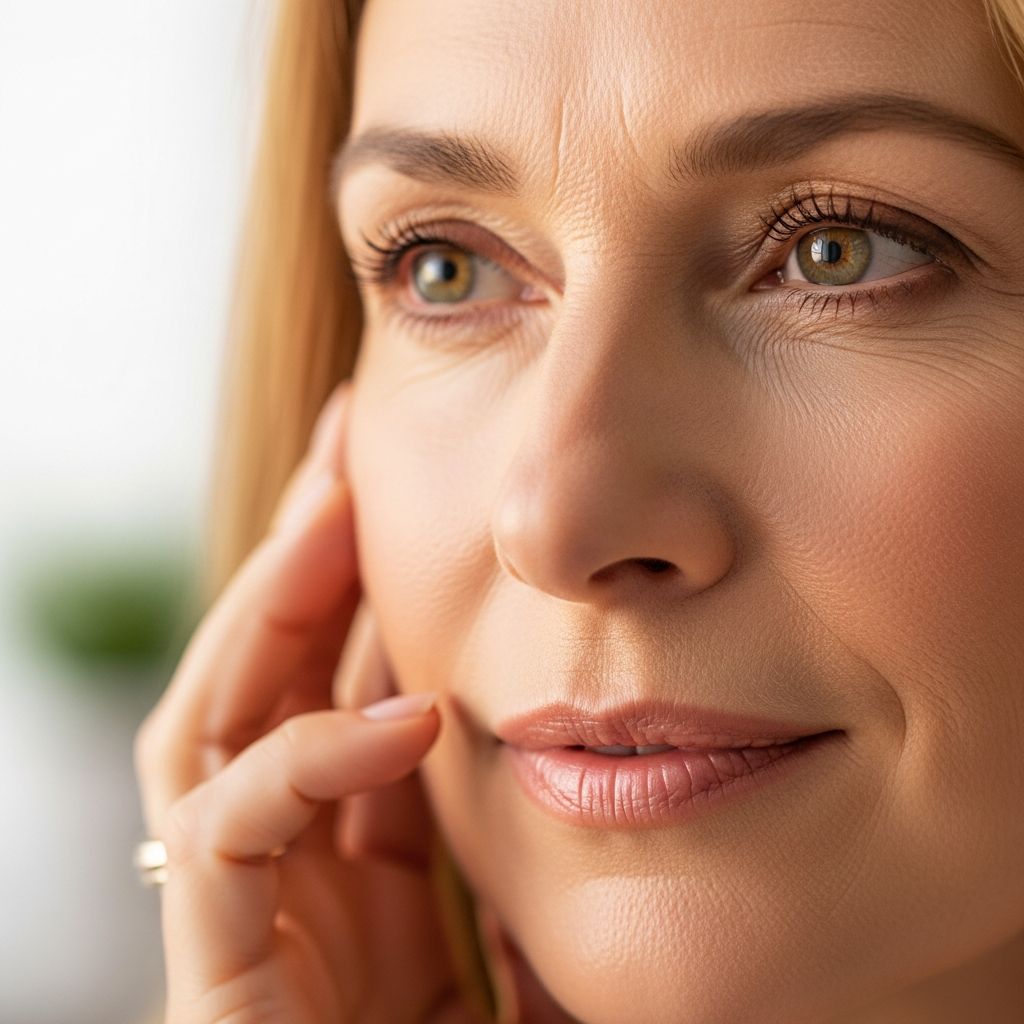
Menopause profoundly affects the skin due to declining estrogen levels, leading to dryness, thinning, collagen loss, and increased sensitivity. These changes, often noticeable during perimenopause, accelerate aging signs but can be managed with targeted care.
What is menopause?
Menopause marks the end of menstrual cycles, typically occurring around age 51, defined as 12 consecutive months without a period. Perimenopause, the transitional phase starting in the mid-40s, involves fluctuating hormones like estrogen and progesterone, lasting 3-10 years. Postmenopause follows, with permanently low estrogen levels.
Estrogen, a key hormone, influences skin health by regulating collagen production, hydration, and barrier function. Its decline disrupts these processes, making skin an early indicator of menopausal changes.
How does menopause affect the skin?
Estrogen receptors in the skin make it sensitive to hormonal shifts. Declining estrogen reduces collagen synthesis by up to 30% in the first five years postmenopause, thins the dermis, impairs hydration via lower hyaluronic acid, and weakens the skin barrier, leading to dryness and fragility.
Slower cell turnover causes dullness, while reduced oil production increases irritation risk. Blood flow decreases, dulling complexion, and wound healing slows due to impaired inflammation control.
Skin changes due to menopause
Dry skin
Xerosis, or dry skin, is common as estrogen drop reduces natural moisturizing factors like glycosaminoglycans and hyaluronic acid, increasing transepidermal water loss. Skin feels tight, rough, and flaky, especially on legs and arms.
Thinning
Skin thickness decreases by 20-30% postmenopause. The epidermis thins, making it translucent and bruise-prone; dermis loses collagen and elastin, reducing firmness.
Loss of elasticity
Elastin degradation causes sagging, particularly around jawline, cheeks, and neck. Skin becomes stretchy but fails to recoil, forming jowls and nasolabial folds.
Pruritus
Itching arises from dryness, barrier dysfunction, and nerve sensitivity. Up to 50% of menopausal women report pruritus, worsened by hot flashes.
Bruising
Thinner skin and fragile vessels lead to easy bruising (actinic purpura), common on forearms and hands.
Acne
Hormonal fluctuations in perimenopause trigger adult acne, often along the jawline, due to relative androgen dominance.
Facial hair
Declining estrogen unmasks androgens, increasing coarse facial hair (hirsutism) on chin and upper lip.
Wrinkle formation
Accelerated collagen loss deepens wrinkles: crow’s feet, forehead lines, and perioral rhytides become permanent.
Changes in neck skin
Neck skin sags into “turkey neck” due to fat loss and laxity.
Loss of fatty tissue
Subcutaneous fat diminishes, hollowing cheeks and temples, accentuating wrinkles.
Uneven pigmentation
Hyperpigmentation like melasma worsens from estrogen fluctuations and sun exposure.
Skin sensitivity
pH rises above 5.4, disrupting microbiome and barrier, increasing reactivity, rashes, eczema flares, and rosacea.
Who gets menopausal skin changes?
Most women experience these changes, varying by genetics, sun exposure, smoking, and lifestyle. Fair-skinned individuals see wrinkles earlier; darker skin shows pigmentation issues. Smokers and sun-exposed women age faster.
Diagnosis of menopausal skin changes
Diagnosis is clinical, based on history and exam. Hormone tests confirm perimenopause if needed; skin biopsy rarely required. Rule out thyroid issues or allergies mimicking symptoms.
Treatment and prevention of menopausal skin changes
General measures
- Use gentle, fragrance-free cleansers and moisturizers with ceramides, hyaluronic acid, and humectants daily.
- Humidify air, avoid hot showers, and wear cotton clothing to combat dryness.
- Apply broad-spectrum SPF 30+ sunscreen daily; use antioxidants like vitamin C.
- Quit smoking and manage stress to preserve collagen.
Topical treatments
- Moisturizers: Emollients with petrolatum, glycerin for barrier repair.
- Retinoids: Tretinoin boosts collagen, reduces wrinkles; start low strength.
- Peptides and growth factors: Stimulate repair.
- Antioxidants: Niacinamide, vitamin E for sensitivity and pigmentation.
Hormone replacement therapy
HRT, especially topical estrogen, improves hydration, thickness, and elasticity. Systemic HRT benefits skin but assess risks like breast cancer.
Procedures
| Procedure | Benefits | Considerations |
|---|---|---|
| Laser resurfacing | Stimulates collagen, smooths wrinkles | Downtime, multiple sessions |
| Microneedling | Boosts collagen, improves texture | Mild redness |
| Fillers | Restores volume in cheeks, lips | Temporary, 6-18 months |
| Botox | Relaxes dynamic wrinkles | Repeat every 3-4 months |
| Chemical peels | Exfoliates, evens tone | Sensitivity post-treatment |
Self-care
- Balanced diet rich in omega-3s, vitamins A/C/E.
- Hydrate internally; exercise for circulation.
- Gentle exfoliation 1-2x/week.
What is the outcome for menopausal skin changes?
With consistent care, skin remains healthy and radiant. Early intervention prevents severe changes; untreated skin progresses to deeper aging. Long-term management yields resilient skin.
Prevention of menopausal skin changes
Start anti-aging in 20s-30s: sunscreen, retinoids, antioxidants. Maintain during perimenopause to minimize impact.
Frequently Asked Questions
Does menopause cause acne?
Yes, perimenopausal fluctuations can trigger hormonal acne.
Will HRT help my skin?
Potentially, by replenishing estrogen, but consult a doctor.
How can I reduce menopausal itching?
Moisturize frequently and use topical steroids if needed.
Can diet improve menopausal skin?
Yes, antioxidants and healthy fats support skin health.
Is sunscreen still needed postmenopause?
Essential daily to prevent further damage.
References
- How Menopause and Perimenopause Affect Your Skin — Dr. Whitney Bowe Beauty. 2023-10-15. https://drwhitneybowebeauty.com/blogs/derm-scribbles/what-happens-to-your-skin-during-perimenopause-and-menopause-and-what-you-can-do-about-it-according-to-a-dermatologist
- Understanding Skin Changes During Perimenopause and Menopause — Boulder Medical Center, Jenna Peart MD. 2024-05-20. https://www.bouldermedicalcenter.com/menopause-skin/
- Managing Menopausal Skin Changes: A Narrative Review — National Library of Medicine, NIH. 2024-11-12. https://pmc.ncbi.nlm.nih.gov/articles/PMC12374573/
- Caring for your skin in menopause — American Academy of Dermatology (AAD). 2023-08-01. https://www.aad.org/public/everyday-care/skin-care-secrets/anti-aging/skin-care-during-menopause
- Tips for Better Skin After Menopause — WebMD. 2024-02-14. https://www.webmd.com/menopause/ss/slideshow-better-skin-after-menopause
Similar Articles



Read full bio of medha deb