Menopause Causes: 4 Key Triggers Explained
Understand the primary causes of menopause, from natural hormonal decline to surgical and medical triggers.
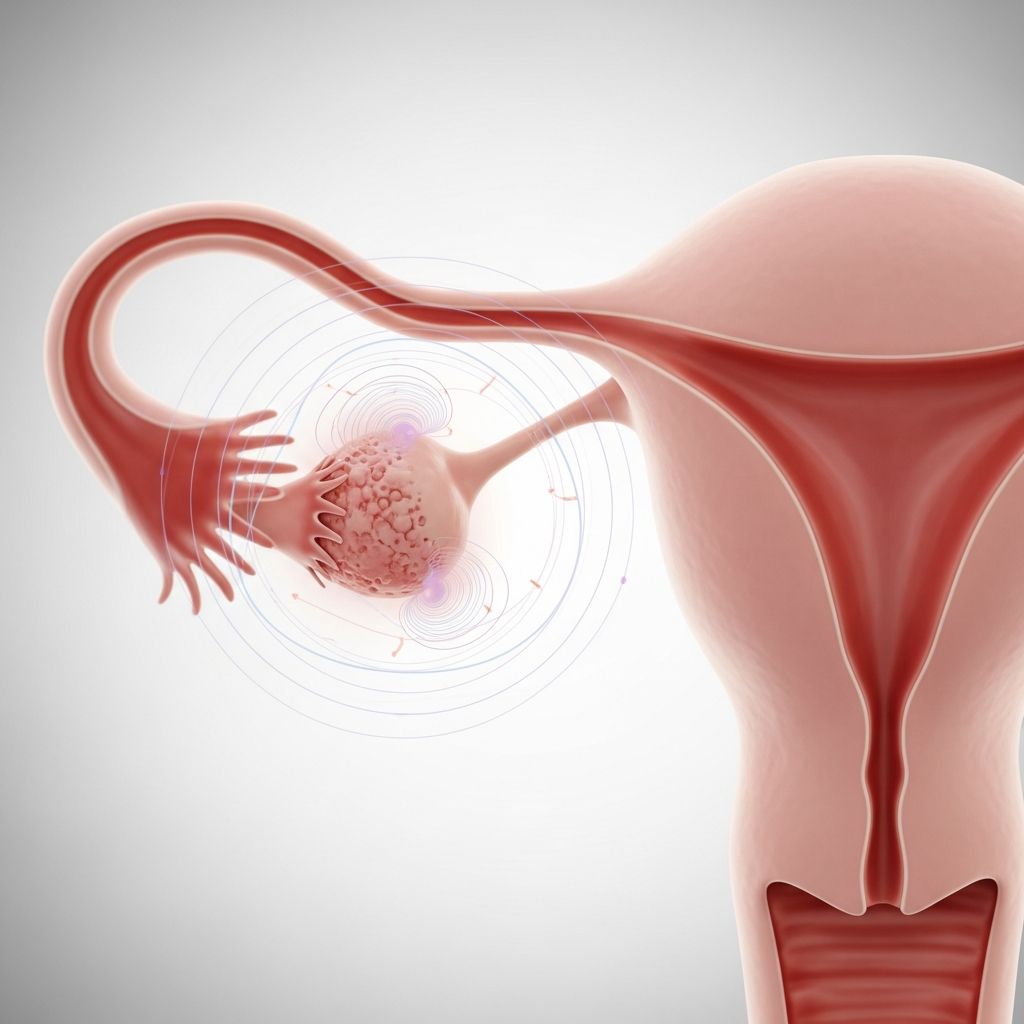
Menopause is the permanent cessation of menstrual periods due to the natural decline in ovarian function and estrogen production, typically occurring around age 51, though it can be triggered by surgery, medical treatments, or earlier ovarian issues.
What Is Menopause?
Menopause marks the end of a woman’s reproductive years, defined as the point when ovaries stop releasing eggs and menstrual cycles cease for 12 consecutive months. This transition involves a significant drop in estrogen and progesterone levels, leading to various physiological changes. The process often begins in the late 30s or early 40s with perimenopause, characterized by irregular periods, and culminates in full menopause.
During perimenopause, ovarian follicles diminish due to atresia, reducing granulosa cells that produce estradiol and inhibin B. This leads to uninhibited rises in follicle-stimulating hormone (FSH) and luteinizing hormone (LH), disrupting the hypothalamic-pituitary-ovarian axis and eventually halting endometrial development and ovulation. Small amounts of estrogen may persist post-menopause via adrenal conversion of testosterone, minimizing symptoms in some women.
What Causes Menopause?
The primary cause of menopause is the natural exhaustion of ovarian follicles as women age, but it can also result from medical interventions or underlying conditions. Here’s a breakdown:
- Natural hormonal decline: Starting in the late 30s, ovaries produce less estrogen and progesterone, making ovulation and periods irregular until they stop entirely around age 51 on average.
- Surgical menopause: Removal of both ovaries (bilateral oophorectomy), often during hysterectomy, induces immediate menopause by eliminating estrogen production.
- Chemotherapy and radiation: Cancer treatments, especially alkylating agents or pelvic radiation, damage ovarian follicles, causing menopause that may be temporary or permanent.
- Primary ovarian insufficiency (POI): Also known as premature menopause, this affects about 1% of women before age 40 due to genetic changes, autoimmune diseases, or unknown causes, where ovaries fail to produce adequate hormones.
Other factors like chronic illnesses (e.g., HIV/AIDS), antiestrogenic therapies, or ovarian tumors can contribute, though natural menopause is the focus for most women.
Natural Menopause
Natural menopause arises from the progressive loss of ovarian follicles. As women age, the finite number of follicles—present since birth—depletes through ovulation and atresia. By the late 40s, too few follicles remain to respond to FSH, preventing ovulation and estrogen surges.
This leads to elevated, sustained LH and FSH levels years after menopause onset. Perimenopause, the transitional phase, can last several years, featuring cycle irregularities, hot flashes, and mood changes due to fluctuating hormones. Demographic factors like genetics, health, and ethnicity influence timing, but prediction is unreliable.
Post-menopause, estrogen decline heightens risks for cardiovascular disease (2-3 times higher coronary rates), osteoporosis (bone thinning to osteopenia then osteoporosis), and genitourinary issues like vaginal dryness and recurrent UTIs from elevated vaginal pH.
Surgical Menopause
Surgical menopause occurs abruptly after bilateral oophorectomy, severing estrogen supply overnight. Often performed with hysterectomy for conditions like endometriosis or cancer risk reduction, it bypasses perimenopause, intensifying symptoms like severe hot flashes and bone loss.
Unlike natural menopause, symptoms hit immediately and may be more profound without gradual adaptation. Women under 45 undergoing this face heightened long-term risks for heart disease and osteoporosis unless managed with hormone therapy. Unilateral oophorectomy (one ovary removed) delays but does not prevent menopause.
Related Stories



Chemotherapy- and Radiation-Induced Menopause
Cancer therapies targeting reproductive organs or using high-dose alkylating agents harm ovarian follicles, inducing menopause. Chemotherapy may allow period return in younger women, preserving fertility potential, but pelvic radiation often causes permanent damage.
Whole-body radiation for stem cell transplants or targeted belly/lower spine treatments accelerates follicle loss. Breast or head/neck radiation typically spares ovaries. Symptoms like hot flashes can emerge during treatment, with fertility counseling essential pre-therapy.
Primary Ovarian Insufficiency
POI, or premature ovarian failure, strikes before age 40 in 1% of women, mimicking menopause with hormone deficiencies despite some intermittent ovarian function. Causes include genetic mutations (e.g., FMR1 premutation), autoimmune attacks on ovaries, or idiopathic factors.
Symptoms mirror typical menopause but earlier onset raises infertility and health risks. Hormone therapy until natural menopause age (around 51) is recommended to safeguard heart, bone, and brain health. Diagnosis involves elevated FSH and low estrogen confirmation.
Risk Factors for Menopause
While aging is inevitable, certain factors hasten or intensify menopause:
| Risk Factor | Description | Impact |
|---|---|---|
| Surgery (oophorectomy) | Removal of ovaries | Immediate, severe menopause |
| Cancer treatments | Chemo/radiation | Ovarian damage, variable permanence |
| Primary ovarian insufficiency | Genetic/autoimmune | Early onset before 40 |
| Age | Primary factor | Average 51, earlier in smokers/family history |
| Chronic illness | HIV, autoimmune | Accelerates ovarian decline |
Family history, smoking, and low BMI may lower age at menopause, while higher parity (more pregnancies) might delay it slightly.
Complications
Menopause’s estrogen drop triggers multifaceted complications:
- Hot flashes and night sweats: Vasomotor symptoms from hypothalamic dysregulation, affecting 75% of women.
- Vaginal and urinary issues: Atrophy causes dryness, pain during sex, urge/stress incontinence, and more UTIs.
- Bone loss: Osteopenia progresses to osteoporosis, raising fracture risk.
- Cardiovascular disease: Worsened lipids, endothelial dysfunction; rates double post-menopause.
- Weight gain and metabolism: Slower calorie burn, though lifestyle drives most changes.
- Mood and sleep: Migraines may worsen initially then improve; insomnia common.
- Sexual dysfunction: Reduced libido, discomfort from vaginal changes.
Early menopause (before 45) amplifies risks, underscoring hormone therapy’s role in select cases.
Frequently Asked Questions (FAQs)
What is the most common cause of menopause?
Natural decline in ovarian hormones starting in the late 30s, leading to follicle depletion and estrogen drop around age 51.
Does surgery always cause menopause?
Only bilateral oophorectomy does; hysterectomy alone (leaving ovaries) does not, though it may hasten natural menopause.
Can menopause be reversed after chemotherapy?
Possibly in younger women; periods may resume, but fertility preservation is advised pre-treatment.
What is primary ovarian insufficiency?
Premature menopause before 40 due to ovarian hormone failure, affecting 1% of women; hormone therapy recommended.
Are there ways to predict menopause age?
Not precisely, but genetics, smoking, and health factors influence timing.
References
- Menopause – StatPearls — NCBI Bookshelf, NIH. 2023 (updated). https://www.ncbi.nlm.nih.gov/books/NBK507826/
- Menopause – Symptoms and causes — Mayo Clinic Staff. 2024-08-07. https://www.mayoclinic.org/diseases-conditions/menopause/symptoms-causes/syc-20353397
- What doctors wish patients knew about menopause — American Medical Association (AMA). Recent (post-2023). https://www.ama-assn.org/public-health/population-health/what-doctors-wish-patients-knew-about-menopause
- Menopause Fact Sheet — World Health Organization (WHO). 2024 (recent). https://www.who.int/news-room/fact-sheets/detail/menopause
Similar Articles








Read full bio of medha deb