Menopause And Eczema: Expert Relief Guide
Discover how hormonal shifts in menopause trigger eczema flares and master proven strategies for relief and skin health.
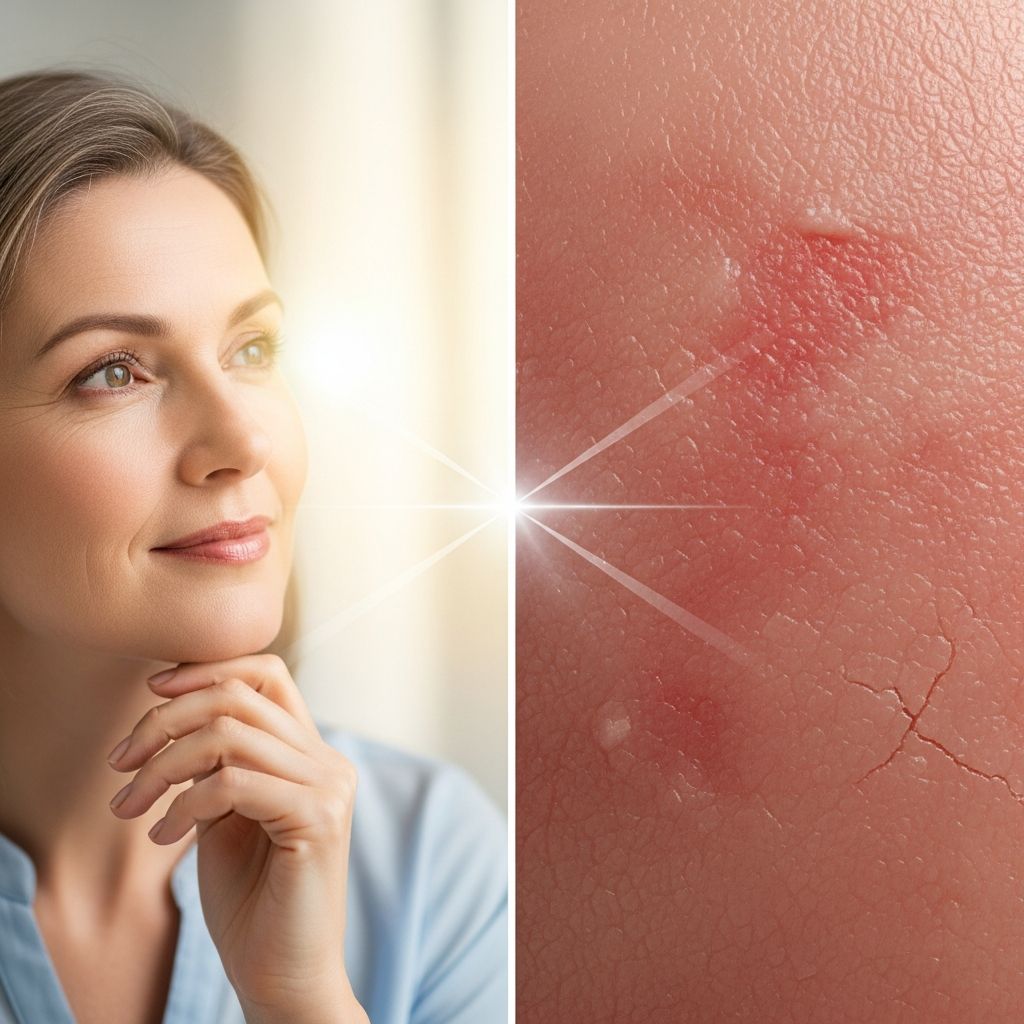
Hormonal fluctuations during menopause frequently intensify eczema symptoms, leading to drier, itchier skin due to reduced estrogen levels that impair the skin’s protective barrier.
Understanding Hormonal Impacts on Skin Health
The transition into menopause, including perimenopause, involves significant drops in estrogen and progesterone, which play key roles in maintaining skin moisture and integrity. Estrogen supports the production of natural oils like sebum and ceramides, essential for locking in hydration. As these hormones decline, skin loses its ability to retain water, becoming thinner and more prone to irritation.
This vulnerability heightens eczema risk, particularly atopic dermatitis, where the skin barrier is already compromised. Women who had childhood eczema may notice resurgence, while others experience new-onset flares triggered by dryness and sensitivity.
Common Skin Symptoms During This Phase
- Dryness and scaling: Skin feels tight and flaky, exacerbating itchiness.
- Intensified itching: Especially at night, disrupting sleep.
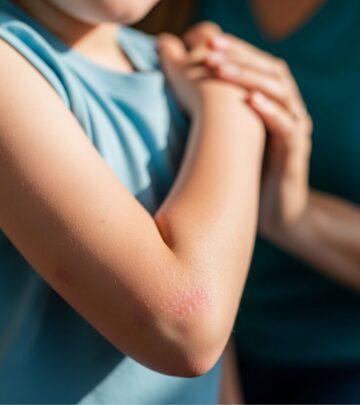
- Redness and inflammation: Flare-ups on face, arms, or legs.
- Heightened sensitivity: Reactions to heat, sweat, or common irritants like wool.
Hot flushes common in menopause can further aggravate these issues by causing sweating and temperature swings that irritate vulnerable skin.
Daily Skincare Routines for Relief
Building a gentle, hydrating routine is foundational. Start with lukewarm showers limited to 10 minutes to preserve natural oils, followed by immediate application of thick emollients.
| Step | Recommended Products | Frequency |
|---|---|---|
| Cleanse | Mild, fragrance-free cleanser | Daily |
| Moisturize | Emollients with ceramides, hyaluronic acid, or glycerin | 2-3 times daily |
| Protect | SPF 30+ broad-spectrum sunscreen | Morning |
Choose ointments over lotions for severe dryness, as they form a stronger barrier against moisture loss.
Over-the-Counter and Prescription Options
For mild flares, over-the-counter hydrocortisone creams reduce inflammation quickly. Anti-itch options with menthol or pramoxine provide cooling relief.
If symptoms persist, dermatologists may prescribe stronger topical corticosteroids, calcineurin inhibitors, or PDE4 inhibitors to calm immune responses without thinning skin further.
- Emollients: Prevent water loss and soothe daily.
- Topical steroids: Short-term use for flares.
- Antihistamines: Oral options for nighttime itch control.
Advanced Therapies for Persistent Cases
Phototherapy uses controlled UV light to suppress inflammation, effective when topicals fail. Sessions are tailored to skin type and severity.
Hormone replacement therapy (HRT) replenishes estrogen, potentially improving skin hydration and barrier function, though evidence specific to eczema is emerging. Discuss risks and benefits with a provider.
In rare stubborn cases, oral medications like gabapentin target nerve signals causing itch.
Lifestyle Adjustments to Minimize Flares
Beyond topicals, holistic changes support skin resilience:
- Hydration: Drink ample water and use a humidifier in dry environments.
- Diet: Boost omega-3s from fish or supplements to combat inflammation.
- Exercise: Gentle activities like yoga improve circulation and stress management.
- Fabric choices: Opt for breathable cotton over synthetics.
- Stress reduction: Mindfulness practices lower cortisol, a flare trigger.
Role of Nutrition in Skin Barrier Support
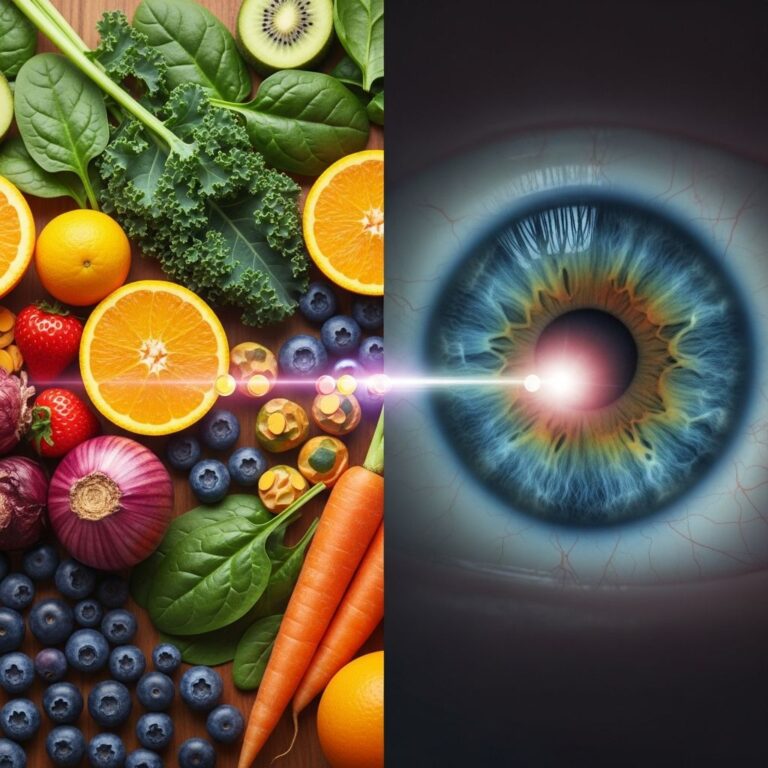
Anti-inflammatory diets rich in fatty fish, nuts, leafy greens, and probiotics can modulate immune responses underlying eczema. Omega-3 fatty acids specifically reduce skin inflammation markers.
Related Stories



Avoid common triggers like dairy or gluten if sensitivities exist, but test under guidance to prevent unnecessary restrictions.
When to Consult a Specialist
Seek dermatological care if home measures fail, flares spread, or signs of infection like oozing appear. Regular check-ups monitor for skin cancer risks heightened in chronically inflamed areas.
Endocrinologists or menopause specialists can evaluate HRT suitability, weighing benefits against personal health history.
FAQs
Can menopause cause new eczema?
Yes, hormonal drops can trigger first-time flares in predisposed individuals by weakening skin defenses.
Does HRT help eczema symptoms?
It may by restoring moisture, but consult a doctor as research is limited.
How often should I moisturize?
Apply emollients after every water exposure and at least twice daily.
Are hot showers harmful?
They strip oils; stick to lukewarm for under 10 minutes.
Can diet alone manage flares?
It supports but doesn’t replace medical treatments.
Long-Term Outlook and Prevention
With consistent care, most women manage menopausal eczema effectively, preventing chronic damage. Track symptoms in a journal to identify patterns and refine approaches.
Stay proactive: Annual dermatology visits ensure timely adjustments as hormones stabilize post-menopause.
References
- Understanding Eczema Perimenopause: Skin Changes During Menopause — My Menopause Centre. 2023. https://www.mymenopausecentre.com/menopause-skin-changes/menopause-and-eczema/eczema-perimenopause-understanding-skin-changes-during-menopause/
- 9 Tips for Managing Eczema During and After Menopause — MyEczemaTeam. 2024. https://www.myeczemateam.com/resources/tips-for-managing-eczema-during-and-after-menopause
- Itchy Skin During Perimenopause? Here’s What’s Going On — Hers. 2024. https://www.forhers.com/blog/perimenopause-itchy-skin
- Will perimenopause and menopause make my eczema worse — Dr. Louise Newson. 2023. https://www.drlouisenewson.co.uk/knowledge/will-perimenopause-and-menopause-make-my-eczema-worse
- Caring for your skin in menopause — American Academy of Dermatology (AAD). 2024. https://www.aad.org/public/everyday-care/skin-care-secrets/anti-aging/skin-care-during-menopause
Similar Articles








Read full bio of Sneha Tete