Menopause Overview
A comprehensive guide to menopause: symptoms, stages, treatments, and lifestyle tips for navigating this natural transition.
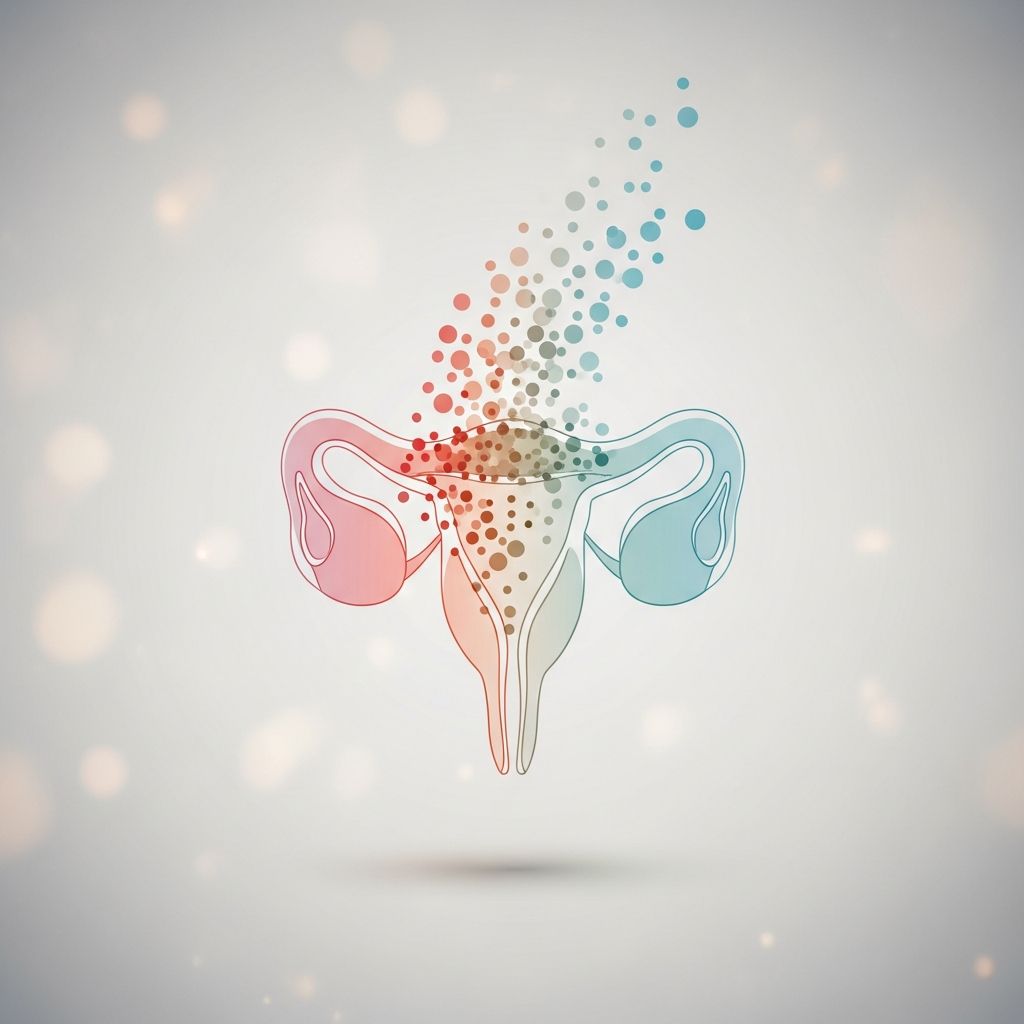
Menopause marks the end of a woman’s menstrual cycles and reproductive years, typically occurring between ages 45 and 55. It’s a natural biological process driven by declining ovarian function and reduced estrogen production. While universal among women, the experience varies widely in timing, symptoms, and severity. This comprehensive overview covers the stages, symptoms, diagnosis, treatments, and lifestyle strategies to help women navigate menopause confidently.
According to the National Institute on Aging, the average age for menopause in the U.S. is 51, but factors like genetics, smoking, and medical history influence it. Understanding menopause empowers better management and improved quality of life during this transition.
What Is Menopause?
Menopause is officially diagnosed after 12 consecutive months without a menstrual period, signaling the ovaries have stopped releasing eggs and producing most estrogen. It’s not a disease but a normal part of aging. The lead-up phase, perimenopause, can last 4–8 years with fluctuating hormones causing irregular periods and symptoms.
Postmenopause follows menopause, lasting the rest of a woman’s life. Estrogen levels stabilize at low levels, potentially increasing risks for osteoporosis and heart disease. Globally, the World Health Organization estimates over 1 billion women will be postmenopausal by 2025, highlighting its public health significance.
Stages of Menopause
Menopause unfolds in distinct stages, each with unique hormonal changes and symptoms:
- Perimenopause: Begins in the 40s (sometimes earlier), lasting 4–10 years. Ovaries produce less estrogen variably, causing irregular periods, hot flashes, mood swings, and sleep issues. Periods may be shorter, longer, heavier, or lighter.
- Menopause: Confirmed after 12 months without menstruation. Symptoms often peak here.
- Postmenopause: Symptoms may ease, but long-term effects like bone loss emerge. Early menopause (before 45) or premature (before 40) affects 5% of women and raises health risks.
These stages aren’t always linear; symptoms can overlap or recur.
Symptoms of Menopause
Over 80% of women experience symptoms, per the North American Menopause Society (NAMS). Common ones include:
- Hot flashes and night sweats: Sudden heat sensations lasting 1–5 minutes, affecting 75–85% of women. Triggers: caffeine, alcohol, stress.
- Sleep disturbances: From night sweats or anxiety, leading to fatigue.
- Mood changes: Irritability, anxiety, depression linked to hormonal shifts and sleep loss.
- Vaginal and urinary changes: Dryness, discomfort during sex, increased UTIs due to thinning tissues.
- Cognitive issues: ‘Brain fog,’ memory lapses.
- Physical changes: Weight gain (especially abdominal), thinning hair, dry skin, joint pain.
Severe symptoms impact daily life for about 25% of women. Racial differences exist: Black women report more, longer-lasting hot flashes; Asian women fewer.
Causes and Risk Factors
Natural menopause stems from ovarian follicle depletion. Risk factors for early onset:
| Risk Factor | Impact |
|---|---|
| Smoking | 1–2 years earlier |
| Family history | Genetic predisposition |
| Chemotherapy/radiation | Induces premature menopause |
| Hysterectomy (ovaries intact) | May trigger surgical menopause |
| Autoimmune diseases | Primary ovarian insufficiency |
Obesity may delay onset, while nulliparity (no births) slightly advances it.
Diagnosis
Diagnosis is primarily clinical: age-appropriate symptoms plus 12 months amenorrhea. No routine tests needed, but doctors may:
- Review medical history and symptoms via questionnaires like the Menopause Rating Scale.
- Test FSH levels (>30 IU/L suggests menopause), though not definitive in perimenopause.
- Rule out pregnancy, thyroid issues, or anemia with bloodwork.
- Perform pelvic exams or ultrasounds if bleeding persists.
Early menopause requires thorough evaluation for underlying causes.
Treatment and Management
Treatments target symptoms and prevention. Tailored to age, health, and preferences.
Hormone Therapy (HT)
HT replenishes estrogen (with progestin if uterus intact). Most effective for hot flashes (80–90% reduction), vaginal dryness, bone protection. Forms: pills, patches, gels, rings. NAMS recommends lowest dose shortest time for women under 60 or within 10 years of menopause.1
- Pros: Symptom relief, osteoporosis prevention.
- Cons: Small breast cancer risk increase after 5 years; blood clots.
Non-Hormonal Options
For those avoiding HT:
- Antidepressants: SSRIs/SNRIs (e.g., paroxetine) reduce hot flashes 50%.
- Gabapentin: For night sweats.
- Fezolinetant (Veozah): New 2023 non-hormonal drug targeting hot flashes.
- Ospemifene: For vaginal dryness.
Lifestyle Changes
Evidence-based strategies:
- Identify triggers; practice paced breathing for flashes.
- Exercise 150 min/week; strength training preserves muscle/bone.
- Cool bedroom, layers, moisture-wicking pajamas.
- Balanced diet: phytoestrogens (soy), calcium (1,200 mg/day), vitamin D.
- Cognitive behavioral therapy (CBT) for mood/sleep.
- Vaginal moisturizers, low-dose estrogen creams.
Alternative Therapies
Limited evidence for black cohosh, acupuncture, but yoga/mindfulness help stress/sleep. Avoid unproven supplements without doctor approval.
Complications and Long-Term Health
Postmenopause elevates risks:
- Osteoporosis: 1 in 3 women; screen with DEXA after 65 or earlier if risky.
- Cardiovascular disease: Leading killer; estrogen protects pre-menopause.
- Urinary incontinence: Pelvic floor exercises help.
Annual checkups monitor blood pressure, lipids, bone density.
Prevention and Preparation
Can’t prevent menopause, but mitigate effects:
- Quit smoking early.
- Maintain healthy weight/BMI.
- Build bone health pre-menopause with diet/exercise.
- Discuss family history with doctor.
Frequently Asked Questions (FAQs)
At what age does menopause start?
Average age is 51, but perimenopause begins in the 40s. Genetics and lifestyle influence timing.
Can menopause cause weight gain?
Yes, slower metabolism and hormonal shifts promote abdominal fat. Diet and exercise counteract it.
Is hormone therapy safe for everyone?
No; contraindicated in breast cancer history, clots. Individualized assessment required.
How long do symptoms last?
Hot flashes average 7–10 years but can persist 15+ years for some.
Does menopause affect sex drive?
Often yes, due to dryness/pain, but libido can rebound post-symptom relief.
Can I get pregnant during perimenopause?
Yes, ovulation irregular; use contraception until 12 months no periods.
References
- The 2022 Hormone Therapy Position Statement of The North American Menopause Society — North American Menopause Society. 2022-07-19. https://www.menopause.org/docs/default-source/professional/nams-2022-hormone-therapy-position-statement-114×257.pdf
- Menopause — National Institute on Aging, NIH. 2024-09-10. https://www.nia.nih.gov/health/menopause/what-menopause
- Menopause — Office on Women’s Health, U.S. Department of Health & Human Services. 2023-12-01. https://womenshealth.gov/menopause
- Nonhormonal management of menopause-associated vasomotor symptoms: 2015 position statement of The North American Menopause Society — North American Menopause Society. 2015-11. https://doi.org/10.1097/GME.0000000000000467
- Menopause: Diagnosis and Management — NICE Guideline NG164. National Institute for Health and Care Excellence (UK). 2023-11-20. https://www.nice.org.uk/guidance/ng164
Similar Articles






Read full bio of Sneha Tete