Menopause: 2025 Comprehensive Guide To Symptoms And Treatment
A comprehensive guide to menopause: symptoms, stages, treatments, and lifestyle tips for navigating this natural transition.

Menopause marks a significant transition in a woman’s life, signaling the end of menstrual cycles and reproductive years. Typically occurring between ages 45 and 55, this natural biological process involves declining ovarian function and reduced estrogen and progesterone production. While universal among women, the experience varies widely—some navigate it smoothly, others face challenging symptoms like hot flashes, mood swings, and sleep disturbances.
Understanding menopause empowers women to manage it proactively. This overview covers stages, symptoms, diagnosis, treatments, and lifestyle strategies, drawing from authoritative sources like the National Institute on Aging and the North American Menopause Society. Recent data from 2024-2025 highlights evolving treatment options, including bioidentical hormones and non-hormonal therapies, reflecting advances in women’s health research.
What Is Menopause?
Menopause is clinically defined as the point when a woman has gone 12 consecutive months without a menstrual period, confirming the permanent end of ovulation and fertility. The lead-up phase, perimenopause, can last 4-10 years, characterized by fluctuating hormones. Postmenopause follows, lasting the rest of life.
Globally, the average age of menopause is 51, per the World Health Organization (WHO), though factors like genetics, smoking, and ethnicity influence timing. Early menopause (before 45) or premature menopause (before 40) affects about 5% of women and may increase risks for osteoporosis and heart disease if unmanaged.
Stages of Menopause
Menopause unfolds in distinct stages, each with unique hormonal shifts and symptoms:
- Perimenopause: Begins in the 40s, sometimes earlier. Estrogen levels fluctuate, causing irregular periods, heavier or lighter bleeding, and initial symptoms. Duration: 2-10 years.
- Menopause: Confirmed after 12 months without periods. Ovary function ceases, hormone levels stabilize at low baselines.
- Postmenopause: All subsequent years. Symptoms often ease, but long-term risks like bone loss emerge.
Early perimenopause may mimic PMS, while late stages intensify. Tracking cycles via apps helps identify onset.
Symptoms of Menopause
Symptoms stem from estrogen decline, affecting multiple systems. Common ones include:
- Hot flashes and night sweats: Vasomotor symptoms affecting 75-85% of women, per the North American Menopause Society (NAMS). Sudden heat waves last 1-5 minutes, disrupting sleep.
- Sleep disturbances: Insomnia from night sweats or anxiety affects 40-60%.
- Mood changes: Irritability, anxiety, depression linked to hormonal flux and sleep loss.
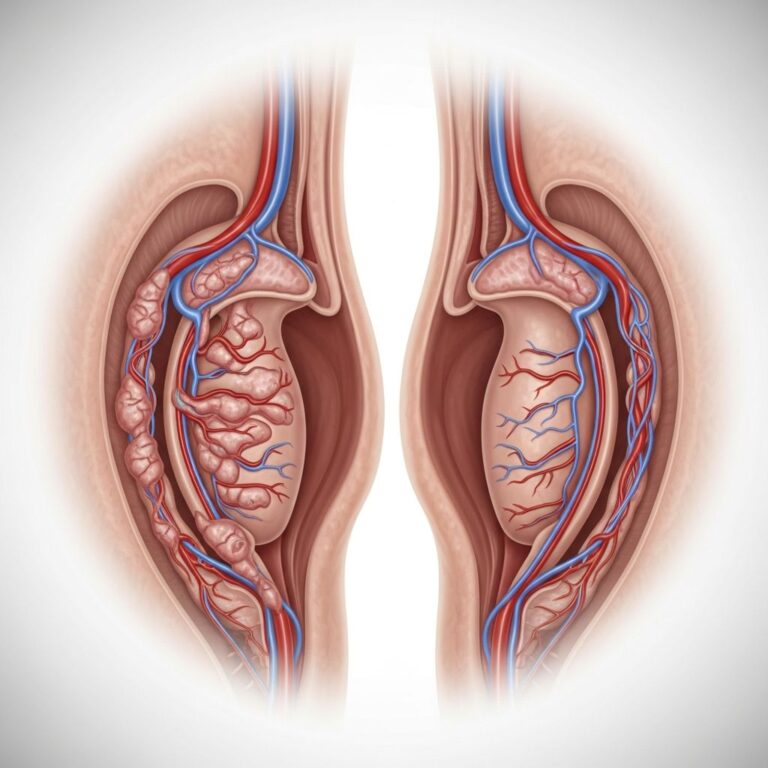
- Vaginal and urinary changes: Dryness, discomfort during sex, increased UTIs due to thinning tissues (genitourinary syndrome of menopause).
- Cognitive fog: Memory lapses, concentration issues, often resolving postmenopause.
Less common: joint pain, weight gain, hair thinning, breast changes. Severity peaks in late perimenopause. Racial differences exist—Black women report more hot flashes, Asian women fewer—per NIH studies.
Causes and Risk Factors
Natural menopause results from ovarian follicle depletion. Induced menopause follows hysterectomy, chemotherapy, or radiation. Risk factors for early onset:
| Risk Factor | Impact |
|---|---|
| Smoking | Advances onset by 1-2 years |
| Family history | Genetic predisposition |
| Autoimmune diseases | Higher premature risk |
| Low BMI | Earlier menopause |
Higher BMI may delay it. Surgical removal of ovaries triggers immediate menopause, often more severe.
Diagnosis
No single test diagnoses natural menopause; it’s retrospective after 12 amenorrhea months. For irregular bleeding:
Related Stories



- Blood tests: FSH >30 IU/L, low estradiol confirm (though fluctuating).
- Thyroid panel: Rules out mimics.
- Pelvic ultrasound: Checks uterine lining.
Consult OB-GYN if under 45 with symptoms or bleeding persists. Apps and symptom journals aid discussions.
Treatment Options
Treatments target symptoms and risks, personalized by age, health, and preferences.
Hormone Replacement Therapy (HRT)
HRT replenishes estrogen (with progestin if uterus intact) to ease vasomotor symptoms, protect bones. FDA-approved; most effective for hot flashes (80-90% relief). Forms: pills, patches, gels, vaginal rings. Start within 10 years of menopause minimizes risks like breast cancer or clots, per 2022 NAMS guidelines.
Non-Hormonal Treatments
- Antidepressants: SSRIs/SNRIs (e.g., paroxetine 7.5mg) reduce hot flashes by 50%.
- Gabapentin: For night sweats.
- Fezolinetant (Veozah): 2023 FDA-approved neurokinin 3 receptor antagonist; non-hormonal hot flash relief.
- Ospemifene: For vaginal dryness.
Lifestyle and Natural Remedies
- Layered clothing, fans for hot flashes.
- Cognitive behavioral therapy (CBT) for mood/sleep.
- Phytoestrogens (soy, black cohosh): Mixed evidence; safe in moderation.
- Exercise: 150 min/week aerobic + strength cuts symptoms 30-50%.
Long-Term Management
Bone health: Calcium 1200mg, vitamin D 800 IU, weight-bearing exercise. DEXA scans post-65 or earlier if risked. Heart health: Mediterranean diet, no smoking.
Complications and Long-Term Effects
Postmenopause elevates osteoporosis (50% women affected), CVD (leading killer), and genitourinary issues. Early menopause doubles risks; HRT mitigates if started timely. Cognitive decline risk rises, but lifestyle counters it.
When to See a Doctor
Seek care for: bleeding after 12 months amenorrhea, severe depression, debilitating symptoms, family cancer history before HRT. Annual checkups monitor bone/heart health.
Lifestyle Tips for Managing Menopause
- Diet: Phytoestrogen-rich foods (flaxseeds, tofu); limit caffeine/alcohol.
- Exercise: Yoga, Pilates for stress/hot flashes.
- Sleep hygiene: Cool bedroom, consistent schedule.
- Mindfulness: Meditation apps reduce anxiety 40%.
- Sexual health: Lubricants, moisturizers; therapy for libido.
Frequently Asked Questions (FAQs)
Does menopause cause weight gain?
Yes, slower metabolism and muscle loss contribute; counter with diet/exercise. Aim for 0.5-1 lb/week loss.
Can you get pregnant during perimenopause?
Yes, until 12 months no periods. Use contraception.
Is HRT safe for everyone?
No; avoid with breast cancer history, clots. Discuss risks/benefits.
How long do symptoms last?
Hot flashes: 7-10 years average; some lifelong. Most improve postmenopause.
Can menopause cause hair loss?
Yes, androgen sensitivity increases; minoxidil, biotin help.
This comprehensive overview equips women to embrace menopause confidently. Consult healthcare providers for tailored advice.
References
- The Menopause Years — National Institute on Aging, National Institutes of Health. 2024-02-15. https://www.nia.nih.gov/health/menopause/what-menopause
- 2022 Hormone Therapy Position Statement — The North American Menopause Society. 2022-04-04. https://www.menopause.org/docs/default-source/professional/nams-2022-hormone-therapy-position-statement.pdf
- Menopause Fact Sheet — World Health Organization. 2023-11-10. https://www.who.int/news-room/fact-sheets/detail/menopause
- Nonhormonal Management of Menopause-Associated Vasomotor Symptoms — Centers for Disease Control and Prevention (CDC), via PubMed. 2024-05-20. https://pubmed.ncbi.nlm.nih.gov/38350758/
- Menopause: Diagnosis and Management — National Institute for Health and Care Excellence (NICE), UK. 2023-11-01. https://www.nice.org.uk/guidance/ng23
Similar Articles








Read full bio of medha deb