Menopause: Understanding Stages, Symptoms & Treatment
Complete guide to menopause: Learn about stages, symptoms, age ranges, and effective treatment options.
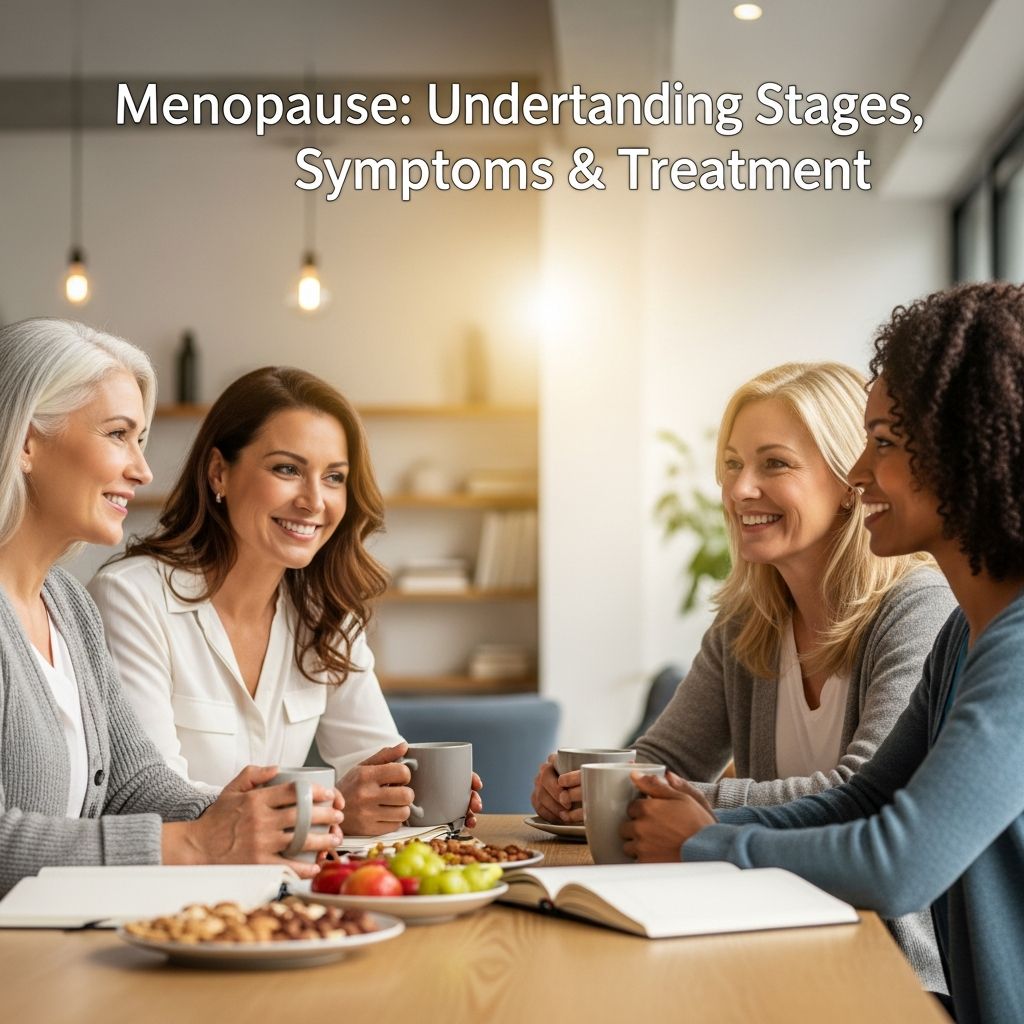
Menopause represents a significant milestone in a woman’s life, marking the permanent ending of menstruation and the conclusion of her reproductive years. This natural biological process is characterized by fundamental hormonal changes that affect multiple body systems and can influence both physical and emotional wellbeing. Understanding menopause, its stages, and available management options empowers women to navigate this transition with confidence and maintain optimal health during midlife and beyond.
Understanding Menopause: Definition and Basics
Menopause is clinically defined as the point at which a woman has gone 12 months without experiencing a menstrual period. This milestone marks the end of fertility and represents a natural transition that every woman will eventually experience. However, the journey to menopause is not instantaneous but rather a gradual process involving significant hormonal fluctuations that unfold across several years.
The process of menopause occurs in three distinct stages: perimenopause, menopause itself, and postmenopause. Each stage brings unique characteristics, symptoms, and health considerations. The entire transition typically spans several years, during which women may experience a wide range of physical and emotional symptoms as their bodies adjust to changing hormone levels.
The Three Stages of Menopause
Perimenopause: The Transition Begins
Perimenopause, often called the ”menopausal transition,” is the stage that precedes actual menopause. During this phase, the ovaries gradually produce less estrogen and progesterone, leading to fluctuating hormone levels. This stage can last anywhere from several months to ten years, though the average duration is around four to ten years.
During perimenopause, menstrual periods may become irregular—they may come closer together or further apart, vary in heaviness, or skip months entirely. Women often experience the most intense symptoms during this stage, as the body experiences significant hormonal ups and downs. Hot flashes, night sweats, sleep disturbances, and mood changes are particularly common during perimenopause.
It’s important to note that pregnancy is still possible during perimenopause, as ovulation continues, albeit irregularly. Women who do not wish to become pregnant should continue using contraception during this stage.
Menopause: The Milestone
Menopause is technically reached when a woman has not had a menstrual period for 12 consecutive months. This is a single point in time rather than a process, though it is often used colloquially to refer to the entire transition period. Once a woman has reached this 12-month milestone without a period, she is considered to be in menopause.
The average age at which menopause occurs is approximately 52 years old, though the timing varies considerably among women. Some women may reach menopause in their mid-40s, while others may not reach it until their mid-50s or even early 60s. Genetics, lifestyle factors, smoking status, and certain medical conditions can influence the age of menopause onset.
Postmenopause: Life After Menopause
Postmenopause refers to all the years following the final menstrual period. A woman is considered postmenopausal for the remainder of her life after reaching the 12-month menstrual cessation milestone. While many of the acute symptoms associated with menopause may diminish during this stage, postmenopausal women face unique health considerations, particularly regarding bone health, cardiovascular health, and metabolic changes.
Related Stories



Age of Menopause Onset: What’s Normal?
Understanding the timing of menopause helps women know what to expect and when to seek medical attention if symptoms seem unusual. Menopause classification is primarily based on age at onset:
| Classification | Age Range | Description |
|---|---|---|
| Natural Menopause | 45-55 years | Normal menopausal transition without medical intervention |
| Early Menopause | Before age 45 | Menopause occurring before typical age range |
| Premature Menopause | Age 40 or younger | Significantly earlier than normal menopause |
| Primary Ovarian Insufficiency | Age 40 or younger | Premature menopause without medical or surgical cause |
When menopause occurs before age 45, it is classified as early menopause. If it happens at age 40 or younger without an underlying medical or surgical cause, it may be diagnosed as primary ovarian insufficiency. These earlier onsets of menopause can have significant implications for bone health, cardiovascular health, and overall quality of life, making medical consultation particularly important.
Common Signs and Symptoms of Menopause
The symptoms experienced during the menopausal transition vary widely among women. Some women experience mild symptoms that minimally impact daily life, while others face more severe manifestations that significantly affect their quality of life, work performance, and relationships. Symptoms typically begin during perimenopause and may continue into early postmenopause.
Vasomotor Symptoms
Vasomotor symptoms are among the most commonly reported menopausal complaints and result from the body’s temperature regulation center becoming more sensitive to changing estrogen levels.
- Hot flashes: Sudden feelings of intense heat spreading across the face, neck, and upper body, often accompanied by sweating and flushing
- Night sweats: Intense sweating episodes during sleep that may soak clothing and bedding, disrupting sleep quality
- Chills: Episodes of feeling cold, sometimes alternating with hot flashes
Sleep and Mood Disturbances
Hormonal changes during menopause significantly affect sleep architecture and mood regulation. Sleep disturbances may result from night sweats, hormonal fluctuations affecting the brain’s sleep centers, or changes in circadian rhythm sensitivity to estrogen.
- Insomnia: Difficulty falling asleep, staying asleep, or experiencing early morning awakening
- Mood changes: Irritability, anxiety, depression, or emotional volatility
- Brain fog: Difficulty concentrating, memory lapses, or mental cloudiness
Physical and Metabolic Changes
Beyond vasomotor symptoms, women often experience other physical manifestations related to the declining production of reproductive hormones:
- Vaginal dryness: Decreased vaginal lubrication affecting comfort and sexual function
- Weight gain: Increased fat deposition, particularly around the midsection, despite unchanged eating habits
- Joint and muscle aches: Stiffness, pain, or reduced flexibility in joints and muscles
- Headaches: Increased frequency or severity of headaches
- Heart palpitations: Noticeable heartbeat or irregular heart rhythm sensation
- Skin changes: Dryness, loss of elasticity, or changes in texture and appearance
Sexual Health Changes
Many women experience changes in sexual desire, arousal, and satisfaction during menopause. These changes may result from hormonal fluctuations, vaginal dryness, sleep deprivation, mood changes, or relationship factors. Discussing these concerns with healthcare providers can reveal effective management strategies and treatment options.
Distinguishing Menopause From Other Conditions
Many symptoms attributed to menopause can result from other medical conditions. A healthcare provider should evaluate persistent symptoms to ensure accurate diagnosis and appropriate treatment. Conditions that may mimic menopausal symptoms include thyroid disorders, depression, anxiety disorders, cardiovascular conditions, sleep disorders, and certain autoimmune conditions. Blood tests measuring hormone levels, thyroid function, and other markers can help confirm menopause and exclude other diagnoses.
Treatment Options for Menopausal Symptoms
Multiple effective approaches exist for managing menopausal symptoms, ranging from lifestyle modifications to medical interventions. The most appropriate treatment depends on symptom severity, individual health history, personal preferences, and medical considerations.
Hormone Replacement Therapy (HRT)
Hormone replacement therapy involves supplementing declining estrogen and progesterone to relieve menopausal symptoms. HRT is highly effective for vasomotor symptoms and can be administered through various routes including oral tablets, transdermal patches, vaginal creams, or injectable formulations. The decision to use HRT involves weighing benefits against potential risks, which should be thoroughly discussed with a healthcare provider.
Some women prefer bioidentical hormone therapy, which uses hormones chemically identical to those produced by the body. However, both conventional and bioidentical HRT require individualized assessment to ensure safety and appropriateness.
Non-Hormonal Medications
Several medications originally developed for other conditions have demonstrated efficacy in managing specific menopausal symptoms. Selective serotonin reuptake inhibitors (SSRIs) can reduce hot flashes and mood symptoms, while certain anticonvulsants may help with vasomotor symptoms. These options provide alternatives for women unable or unwilling to use hormone therapy.
Lifestyle Modifications
Lifestyle approaches form the foundation of menopause management and can significantly improve symptom severity:
- Regular exercise: Improves sleep quality, mood, bone density, cardiovascular health, and metabolic function
- Healthy diet: Emphasizing whole grains, fruits, vegetables, and lean proteins while limiting caffeine and alcohol
- Stress management: Practices such as meditation, yoga, deep breathing, or mindfulness can reduce symptom severity
- Sleep optimization: Maintaining consistent sleep schedules, keeping bedrooms cool, and avoiding sleep disruptors
- Weight management: Maintaining healthy weight through balanced nutrition and physical activity
Complementary and Alternative Approaches
Some women find relief through complementary approaches such as acupuncture, herbal supplements, or mind-body practices. While evidence supporting many of these approaches remains limited, some women report subjective improvement. Any supplements should be discussed with healthcare providers to ensure safety and prevent interactions with medications.
Health Considerations Beyond Menopause
The postmenopausal years bring specific health risks that require attention and preventive care:
Bone Health
The dramatic reduction in estrogen during menopause accelerates bone loss, increasing osteoporosis risk. Regular exercise, adequate calcium and vitamin D intake, and bone density screening can help maintain skeletal health and prevent fractures.
Cardiovascular Health
The loss of estrogen’s cardioprotective effects increases cardiovascular disease risk in postmenopausal women. Managing blood pressure, cholesterol levels, maintaining regular physical activity, and avoiding smoking are essential for heart health.
Cancer Screening
Continued attention to cancer screening remains important during and after menopause. Regular mammograms, cervical cancer screening, and colorectal cancer screening should continue as recommended by healthcare providers.
When to Seek Medical Attention
Women should consult healthcare providers if they experience symptoms that significantly impact quality of life, if symptoms begin before age 40, if symptoms persist despite self-care measures, or if they have concerns about treatment options. Additionally, women with personal or family histories of certain conditions such as breast cancer, blood clots, or cardiovascular disease should discuss menopausal management carefully with healthcare providers.
Frequently Asked Questions
Q: At what age does menopause typically occur?
A: The average age of menopause is approximately 52 years old, typically occurring between ages 45 and 55. However, individual variation is significant, with some women reaching menopause in their 40s and others not until their 60s.
Q: How long do menopausal symptoms last?
A: Symptom duration varies considerably. Perimenopause typically lasts four to ten years, and acute vasomotor symptoms often diminish within five to eight years of menopause onset, though some women experience symptoms for longer periods.
Q: Is hormone therapy safe?
A: Hormone therapy safety depends on individual health factors, dosage, duration, and type of therapy. Healthcare providers assess personal risk factors and discuss potential benefits and risks. Current evidence suggests short-term use in appropriate candidates is generally safe.
Q: Can menopause be prevented?
A: Menopause cannot be prevented as it is a natural biological process. However, symptoms can be effectively managed through various treatment approaches and lifestyle modifications.
Q: Are there natural remedies for menopausal symptoms?
A: Many women find relief through lifestyle modifications including exercise, stress management, dietary changes, and adequate sleep. Some complementary approaches like acupuncture or certain herbal remedies may help, though evidence varies. Discuss any natural remedies with healthcare providers.
Q: Can I still become pregnant during perimenopause?
A: Yes, pregnancy is still possible during perimenopause because ovulation continues, though irregularly. Women who do not wish to become pregnant should continue using contraception until reaching the 12-month menstrual cessation milestone.
References
- Menopause: What It Is, Age, Stages, Signs & Side Effects — Cleveland Clinic. 2024. https://my.clevelandclinic.org/health/diseases/21841-menopause
- The Stages of Menopause: Perimenopause, Menopause, and Postmenopause — American College of Obstetricians and Gynecologists (ACOG). 2024. https://www.acog.org/womens-health/faqs/menopause
- Menopause: A Comprehensive Approach — North American Menopause Society. 2024. https://www.menopause.org
- Hormone Therapy and Heart Disease — National Heart, Lung, and Blood Institute. 2023. https://www.nhlbi.nih.gov
- Bone Health and Menopause — National Institutes of Health. 2024. https://www.nih.gov/health/bone-health-and-menopause
Similar Articles








Read full bio of Sneha Tete