Menopause Supplements: Effective Relief or Empty Promises?
Discover which menopause supplements actually work and which are overhyped marketing.
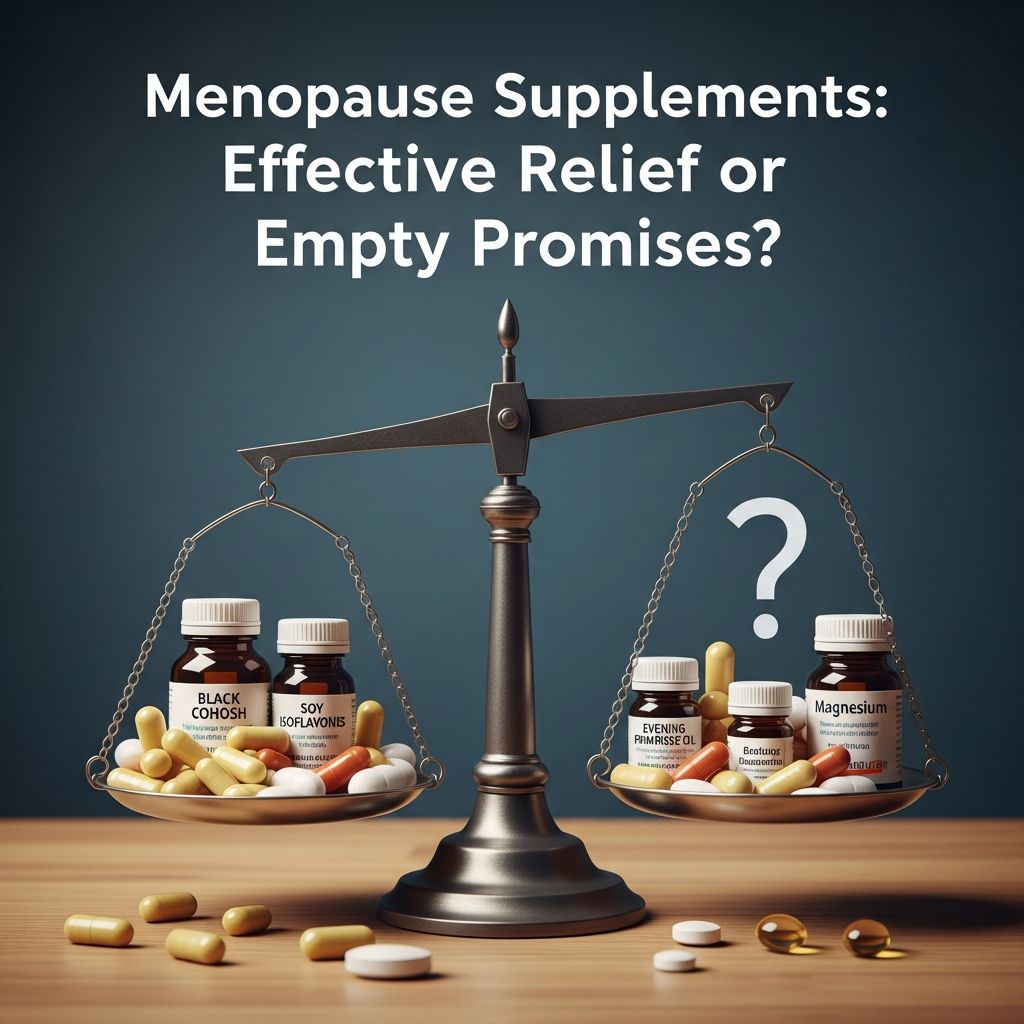
Menopause marks a significant transition in women’s lives, bringing profound physical and emotional changes. As women navigate this stage, many seek relief from uncomfortable symptoms like hot flashes, mood swings, and sleep disturbances. The supplement market has responded enthusiastically to this demand, flooding shelves with botanical and dietary products promising natural solutions. However, the question remains: do these supplements actually work, or are they simply capitalizing on women’s desperation for relief?
The reality is nuanced. While some menopause supplements have solid scientific backing, others lack sufficient evidence to support their claims. Understanding the difference between effective treatments and marketing hype is crucial for making informed health decisions.
Why Women Turn to Supplements During Menopause
The use of botanical and dietary supplements among menopausal women has surged in recent years, with the largest increases in products marketed as “natural hormonal agents.” Research shows that approximately 70% of women between ages 40 and 60 report using botanical and dietary supplements to manage symptoms or treat diseases associated with menopause. Despite this widespread adoption, fewer than 10% of users can actually articulate the specific health benefits they expect from these products.
Women gravitate toward supplements for several reasons. Many view these “natural” alternatives as more aligned with their personal values and lifestyles compared to conventional hormone replacement therapy (HRT). The appeal of avoiding pharmaceutical interventions drives significant consumer interest in botanical solutions. However, this preference often outpaces the available scientific evidence supporting these products’ efficacy and safety.
Black Cohosh: The Most Promising Option
Among menopause supplements, black cohosh stands out as having the strongest scientific support. Multiple studies and regulatory approvals have positioned it as a leading botanical option for symptom relief.
How Black Cohosh Works
Black cohosh does not function as a phytoestrogen, contrary to popular belief. Instead, research demonstrates that black cohosh acts on serotonin receptors rather than exerting estrogenic effects on the body. This mechanism of action allows it to relieve hot flashes and improve mood through serotonergic pathways—a discovery that has important implications for safety, particularly for women with estrogen-sensitive conditions.
Studies have consistently shown that black cohosh extracts do not increase uterine weight, stimulate vaginal proliferation, or elevate prolactin, FSH, or LH levels—markers that would indicate estrogenic activity. This safety profile is particularly reassuring for postmenopausal women concerned about hormone-related risks.
Efficacy and Regulatory Approval
The evidence to date suggests that black cohosh is safe and effective for reducing menopausal symptoms, primarily hot flashes and possibly mood disorders. German health authorities, through Commission E, have formally approved the use of 40 mg/day of black cohosh (marketed as Remifemin) for six months to treat menopausal symptoms, as well as premenstrual syndrome (PMS) and dysmenorrhea.
Clinical trials examining black cohosh have shown very promising results for relief of hot flashes and mood swings. The consistency of these findings across multiple studies has established black cohosh as a legitimate treatment option, distinguishing it from many other menopause supplements that lack robust evidence.
Phytoestrogens: Soy and Red Clover
Soy products and red clover extracts are among the most heavily marketed menopause supplements, yet their effectiveness remains limited.
Limited Effect on Menopausal Symptoms
Phytoestrogen extracts, including soy foods and red clover, appear to have at best only minimal effect on menopausal symptoms like hot flashes. While these supplements often disappoint in addressing acute menopause complaints, they do offer some secondary benefits.
Cardiovascular and Metabolic Benefits
Despite limited effectiveness for hot flashes, phytoestrogen-rich supplements have positive health effects on plasma lipid concentrations and may help reduce heart disease risk. This distinction is important: while these products may not solve your hot flash problem, they might support broader cardiovascular health during the menopausal transition.
This paradox—minimal symptom relief but potential metabolic benefits—makes soy and red clover worthy of consideration for women seeking to optimize overall health during menopause, even if immediate symptom relief is not the primary goal.
St. John’s Wort for Mood Disorders
Depression and mood disturbances represent significant challenges during the menopausal transition. St. John’s wort has emerged as a botanical option for mood-related symptoms.
Efficacy in Mild to Moderate Depression
St. John’s wort has been shown to improve mild to moderate depression in the general population, with some evidence suggesting efficacy for mood disorders related to the menopausal transition. Clinical trials reveal that patients with mild to moderate depression experience beneficial effects similar to standard antidepressants, with minimal side effects compared to some pharmaceutical antidepressants.
Important Limitations
A meta-analysis of St. John’s wort for depression found an important distinction: trials restricted to subjects with major depression found only minor improvements compared to placebo. This finding highlights that St. John’s wort is not appropriate for all depressive conditions—it works best for milder forms. One clinical trial found that 900 mg of St. John’s wort taken for 12 weeks significantly improved psychological and psychosomatic symptoms and sexual well-being in women experiencing climacteric symptoms.
However, more research is needed, particularly investigating the combination of St. John’s wort and black cohosh and studying its effectiveness specifically in menopausal populations rather than generalizing from depression research in broader populations.
Other Botanical Supplements: Limited Evidence
Beyond black cohosh, soy, red clover, and St. John’s wort, numerous other botanical supplements are marketed for menopause relief. Unfortunately, these products generally lack sufficient scientific evidence.
Red Ginseng and Symptom Management
Korean red ginseng has shown some promise in limited studies. One randomized controlled trial found that 30 days of therapy with Korean red ginseng reduced fatigue, insomnia, and depression in postmenopausal women experiencing symptoms, with a significant decrease in the cortisol/DHEA-S ratio over the treatment period. However, multiple other studies showed no estrogenic effects and no improvement in vasomotor symptoms, though they did show improvements in somatic complaints including fatigue, insomnia, and depression.
Hops and Other Botanicals
Hops may be effective for menopausal symptoms such as hot flashes due to its estrogenic actions; however, it does not appear to exert selective estrogen receptor modulator (SERM)-like selectivity and may have uterotrophic effects in postmenopausal women. More research is needed to determine whether hops are safe and effective for menopause treatment.
Other commonly used botanicals discussed in research have limited evidence to demonstrate safety and efficacy for relief of symptoms related to menopause. This category encompasses numerous products on pharmacy shelves with minimal scientific validation.
The Role of Sleep and Cardiovascular Health
Recent research has revealed important connections between menopausal symptoms, sleep quality, and cardiovascular health that extend beyond individual supplement efficacy.
Sleep Fragmentation and Cardiometabolic Health
Sleep disruption from hot flashes creates a cascade of cardiometabolic problems independent of hormone loss itself. A groundbreaking study found that estrogen loss and sleep fragmentation each have an independent adverse impact on cardiometabolic health. When combined, all cardiometabolic factors examined—including blood pressure, fasting glucose, and heart rate—were negatively affected.
The magnitude of these changes is striking: researchers observed an average 14% problematic change across multiple cardiometabolic outcomes, with individual outcomes showing changes up to 50%. Given that menopause symptoms and sleep disturbance can last up to 10 years, the cumulative health impact is substantial.
Timing-Restricted Eating and Metabolic Benefits
Emerging dietary interventions show promise for menopause-related metabolic issues. Research on time-restricted eating found that women who adhered to a specific eating window significantly reduced fat mass and weight compared to a control group, with approximately 90% adherence to the time-restricted protocol. While changes in lipid levels were not observed in this initial phase, the findings suggest potential benefits for hot flashes and sleep disturbances, with future studies planning to extend the intervention to assess cholesterol and other cardiovascular risk factors.
Calcium and Vitamin D: Essential, Not Optional
While botanical supplements capture attention, the fundamentals matter most. Calcium and vitamin D deserve emphasis as critical nutrients during menopause.
Getting adequate calcium and vitamin D is essential during menopause, as these nutrients help lower the risk of osteoporosis and fractures—concerns that intensify after menopause. Women should prioritize eating foods rich in calcium, such as dairy products, leafy greens, and fortified alternatives. The appropriate supplementation with calcium and vitamin D depends on individual age, overall health status, and dietary intake. Consulting with your healthcare provider about the right dosage for your specific situation is important, as needs vary considerably between individuals.
Treatment Options: Putting It All Together
Menopause symptom management should be personalized and comprehensive.
Pharmaceutical and Non-Pharmaceutical Options
For women whose menopause symptoms significantly impact quality of life, several treatment approaches exist. Medicines may include hormonal birth control, hormone therapy, antidepressants, clonidine, or gabapentin, each with distinct benefits and risks. Non-pharmacological treatments can also help, including cognitive behavioral therapy, hypnosis, and over-the-counter vaginal lubricants.
Making Informed Decisions
While medicines for menopause symptoms do carry some risks, for many people the benefits outweigh the risks. The key is having informed conversations with your healthcare provider about the specific risks and benefits relevant to your individual health profile, medical history, and symptom severity.
Supplement Quality and Standardization Issues
A critical challenge in the supplement market is inconsistent quality and standardization. Unlike pharmaceutical drugs, dietary supplements are not held to the same rigorous manufacturing standards. Consumers cannot always be certain that products contain the amount of active ingredients claimed on the label. Third-party testing organizations can provide some assurance of quality, but these certifications are voluntary. When considering supplements, look for products that have been third-party tested and choose reputable manufacturers with transparent ingredient sourcing.
The Bottom Line on Menopause Supplements
The menopause supplement market contains both gems and duds. Black cohosh emerges as the most evidence-based botanical option, with regulatory approval in Germany and consistent positive findings across clinical trials. St. John’s wort offers legitimate support for mild to moderate mood disturbances. Soy and red clover provide minimal relief from acute menopausal symptoms but may support cardiovascular health through lipid improvements. Other commonly marketed botanicals simply lack sufficient evidence to recommend with confidence.
Rather than viewing supplements as standalone solutions, women benefit from viewing menopause management holistically: incorporating evidence-based supplements like black cohosh when appropriate, maintaining adequate calcium and vitamin D intake, addressing sleep quality through various interventions, and working closely with healthcare providers to determine whether pharmaceutical treatments might provide additional benefit. Individual responses to supplements vary considerably, making personalized medical guidance invaluable.
Frequently Asked Questions
Q: Is black cohosh safe for long-term use?
A: Black cohosh has been approved for use up to six months by German health authorities. While it appears safe based on research showing no estrogenic effects, more long-term safety data would be beneficial. Discuss individual circumstances with your healthcare provider.
Q: Can I use supplements while taking hormone replacement therapy?
A: Some supplements may interact with HRT or other medications. Always inform your healthcare provider about all supplements you’re considering to avoid potential interactions and ensure coordinated care.
Q: Why do some supplements work for some women but not others?
A: Individual biochemistry, genetics, baseline hormone levels, the severity of symptoms, and overall health status all influence supplement effectiveness. This variability is why personalized medical guidance is important.
Q: Are natural supplements safer than prescription medications?
A: “Natural” does not automatically mean “safe.” Supplements can have side effects and interact with medications. The key is whether a product has been rigorously studied and found to have an acceptable safety profile, regardless of whether it’s pharmaceutical or botanical.
Q: How do I know if a supplement is high quality?
A: Look for third-party testing certifications from organizations like NSF International or ConsumerLab, choose established manufacturers with transparent practices, and verify that the label clearly states ingredient amounts and sourcing information.
Q: Should I prioritize supplements or lifestyle changes for menopause?
A: Both matter. Lifestyle changes including adequate sleep, regular exercise, stress management, and good nutrition provide foundational support. Supplements can complement these efforts when evidence supports their use for your specific symptoms.
References
- Botanical and Dietary Supplements for Menopausal Symptoms — National Institutes of Health (NIH), National Center for Biotechnology Information. 2006. https://pmc.ncbi.nlm.nih.gov/articles/PMC1764641/
- New Research Aims to Improve Heart Health in Menopause — Brigham and Women’s Hospital. 2024. https://give.brighamandwomens.org/new-research-aims-to-improve-heart-health-in-menopause/
- Menopause: Symptoms, Diagnosis and Treatment — Harvard Pilgrim Health Care. 2024. https://www.harvardpilgrim.org/public/menopause-symptoms-diagnosis-and-treatment
Similar Articles





Read full bio of medha deb