Ozempic for Menopause Weight Loss
Can Ozempic and Wegovy help women manage stubborn menopause weight gain? Experts weigh in on benefits, risks, and alternatives.
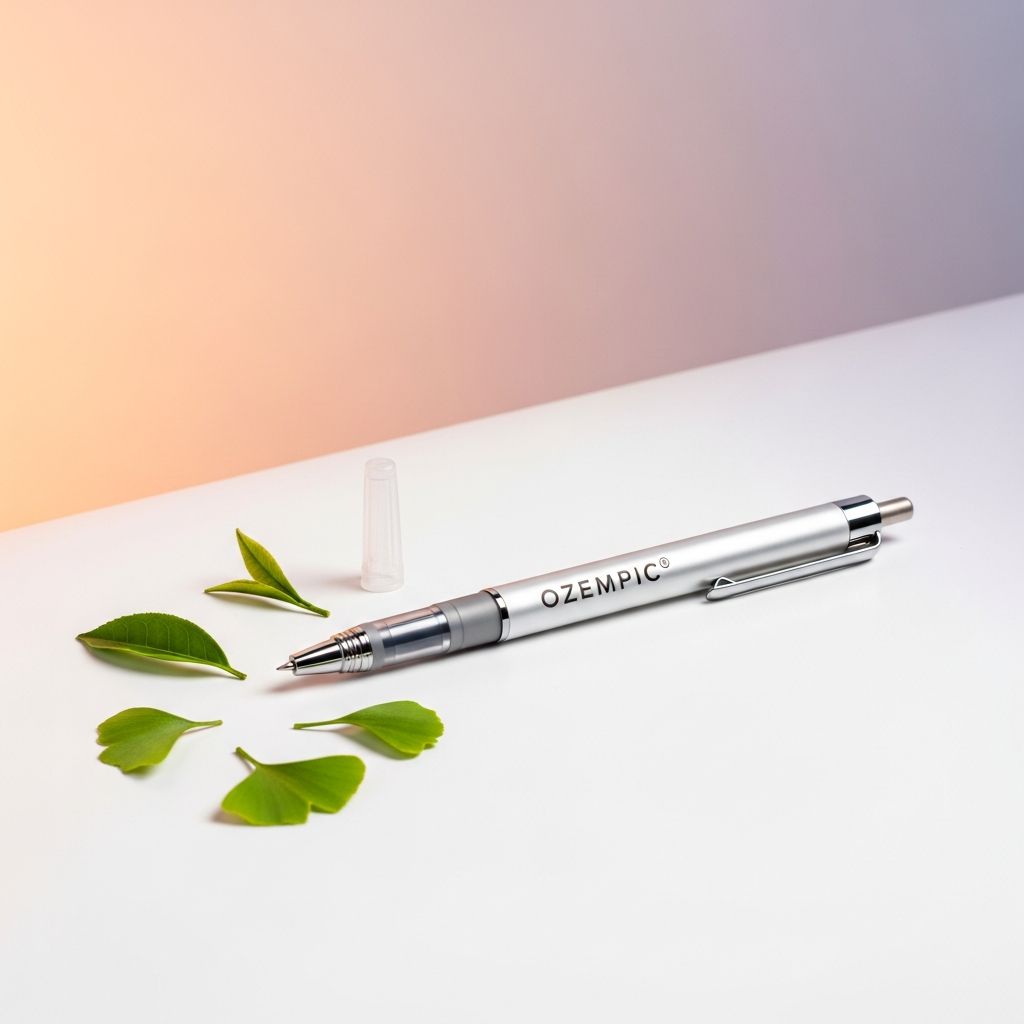
Ozempic for Menopause Weight Loss: What Experts Say About Using Weight Loss Drugs Like Ozempic and Wegovy
Menopause often brings stubborn weight gain, especially around the midsection, due to hormonal shifts, slower metabolism, and muscle loss. GLP-1 receptor agonists like
Ozempic
(semaglutide) andWegovy
(higher-dose semaglutide) have gained attention for their weight loss effects, prompting many women to ask if these drugs can help during menopause.These injectable medications, originally for type 2 diabetes, mimic hormones that regulate appetite and blood sugar, leading to significant weight reduction—up to 15-20% in trials. But are they suitable for menopausal women? Experts caution that while effective, they’re not a first-line solution and come with caveats.
Why Menopause Weight Gain Is So Hard to Lose
Weight gain during perimenopause and menopause isn’t just about calories; it’s tied to biology. Estrogen decline slows metabolism, promotes fat storage in the abdomen (visceral fat), and reduces muscle mass, which burns fewer calories at rest. Women may gain 1 pound per year on average, with 20% gaining 10+ pounds, shifting to an ‘android’ fat pattern that raises risks for diabetes, heart disease, and more.
- Hormonal changes: Lower estrogen and progesterone alter fat distribution and energy expenditure.
- Muscle loss (sarcopenia): Aging plus hormones lead to fat replacing muscle, especially midsection.
- Sleep and stress: Hot flashes and mood swings disrupt sleep, spiking cortisol and hunger.
- Genetics and lifestyle: Family history and inactivity exacerbate the ‘menopause belly’.
This creates a vicious cycle: slower metabolism means easier fat gain, further slowing metabolism. Unlike pre-menopause, when diet tweaks sufficed, menopausal women often need multifaceted strategies.
How Ozempic and Wegovy Work for Weight Loss
**Ozempic** and
Wegovy
are semaglutide brands from Novo Nordisk. Ozempic is FDA-approved for diabetes (with weight loss as a side benefit), while Wegovy targets chronic weight management in those with BMI ≥30 or ≥27 with comorbidities.They activate GLP-1 receptors in the gut and brain, slowing gastric emptying, reducing appetite, and improving insulin sensitivity. Clinical trials show 15% average body weight loss over 68 weeks, outperforming lifestyle alone. For menopause, they counter insulin resistance from visceral fat and hormonal shifts.
| Feature | Ozempic | Wegovy |
|---|---|---|
| Primary Approval | Type 2 Diabetes | Weight Management |
| Max Weekly Dose | 2 mg | 2.4 mg |
| Weight Loss (Avg.) | 10-15% | 15-20% |
| Cost (Monthly) | $900-$1,300 | $1,300-$1,500 |
Off-label Ozempic use for weight loss is common, but Wegovy is preferred for non-diabetics.
Can You Use Ozempic or Wegovy for Menopause Weight Loss?
Yes, but with physician guidance. These drugs suit women with BMI ≥27 plus conditions like hypertension or prediabetes, common in menopause. They don’t address root causes like estrogen loss but excel at rapid fat reduction, including belly fat.
Studies show postmenopausal women respond well, with 5-10% loss yielding metabolic benefits like lower diabetes risk. However, weight regain is likely upon stopping without lifestyle changes. Experts recommend them after failing diet/exercise.
Benefits of Ozempic and Wegovy During Menopause
- Appetite control: Reduces hunger, helping combat emotional eating from mood swings.
- Visceral fat loss: Targets menopause belly, improving heart health and mobility.
- Metabolic boost: Enhances insulin sensitivity amid hormonal insulin resistance.
- Muscle preservation: Paired with protein/exercise, counters sarcopenia.
- Other perks: May ease hot flashes indirectly via weight loss.
Average loss: 10-20% body weight, stabilizing menopause symptoms.
Semaglutide Side Effects and Risks
Common issues include nausea (44%), diarrhea (30%), vomiting (24%), and constipation—often improving over time. Menopause-specific: GI distress may worsen with hormonal gut changes.
- Serious risks: Pancreatitis, gallbladder issues, thyroid tumors (boxed warning), kidney problems.
- Menopause concerns: Bone density loss if rapid weight drop outpaces muscle gain; monitor with DEXA scans.
- Long-term: Muscle loss risk (up to 40% of loss); combine with resistance training.
- Cost/Access: Expensive without insurance; shortages persist.
Not for those with medullary thyroid cancer history or pregnancy plans.
Hormone Therapy and Menopause Weight Gain
Hormone therapy (HT) replaces estrogen/progesterone but doesn’t cause weight loss or prevent gain. It may redistribute fat from belly to hips/thighs and ease symptoms aiding adherence to diet/exercise.
No evidence HT halts aging effects like wrinkles, but it supports overall vitality. Best for vasomotor symptoms; pair with lifestyle for weight.
Best Diet and Exercise for Menopause Weight Loss
Lifestyle remains foundational. Aim for 5-10% loss via sustainable changes.
Top Diets
- Mediterranean: Plant-based, anti-inflammatory; cuts heart disease risk, supports gut health.
- High-protein: 1.2-1.6g/kg body weight preserves muscle.
- Timing: Time-restricted eating (e.g., 12-14 hour fast) aids metabolism.
Exercise Routine
150 min moderate cardio + 2 strength days weekly.
- Weight-bearing (Pilates, weights): Builds core/muscle.
- Yoga/walking: Manages stress/hot flashes.
- HIIT: Boosts post-menopausal metabolism.
Schedule exercise first; consistency trumps intensity.
Alternatives to Ozempic for Menopause
- Other GLP-1s: Mounjaro (tirzepatide) for dual hormone action.
- Non-drug: Bariatric surgery for severe obesity (effective post-menopause).
- Supplements: Berberine, fiber; evidence limited.
- Behavioral: Sleep hygiene, stress reduction.
Expert Tips for Success
“The best exercise is the one you do. Prioritize weight-bearing for core strength where menopausal fat deposits.” — Monica Christmas, MD, UChicago Medicine.
- Track progress beyond scale (measurements, energy).
- Consult menopause specialists.
- Combine therapies for synergy.
Frequently Asked Questions (FAQs)
Q: When does menopause weight gain start?
A: Often in perimenopause (late 40s), peaking 1-2 years post-menopause; averages 1 lb/year but varies.
Q: Will Ozempic cause muscle loss in menopause?
A: Possible; mitigate with protein (1.6g/kg) and resistance training 2-3x/week.
Q: Is hormone therapy enough for weight loss?
A: No, but it aids fat redistribution and symptom relief to support lifestyle changes.
Q: How long to stay on Wegovy?
A: Indefinitely for maintenance; regain common upon stopping without habits.
Q: Best diet for menopause belly?
A: Mediterranean—veggies, fish, nuts; limits processed foods/sugars.
References
- Midlife weight struggles (and how to manage them) — UCLA Health. 2023. https://www.uclahealth.org/news/article/midlife-weight-struggles-and-how-manage-them
- Why am I gaining weight so fast during menopause? — University of Chicago Medicine. 2023-04. https://www.uchicagomedicine.org/forefront/womens-health-articles/2023/april/menopause-weight-gain-hormone-therapy
- Weight Regulation in Menopause — PMC/NIH (PubMed Central). 2021-08-20. https://pmc.ncbi.nlm.nih.gov/articles/PMC8373626/
- 7 Science-Backed Ways to Lose Menopause Weight Faster — CTCD. 2024. https://www.ctcd.edu/sites/myctcd/detail/?p=7-science-backed-ways-to-lose-menopause-weight-faster-without-ruining-your-metabolism-695b66c5875c2
Similar Articles







Read full bio of medha deb