Menorrhagia: Heavy Menstrual Bleeding Causes & Treatment
Understand menorrhagia symptoms, causes, and effective treatment options for heavy menstrual bleeding.
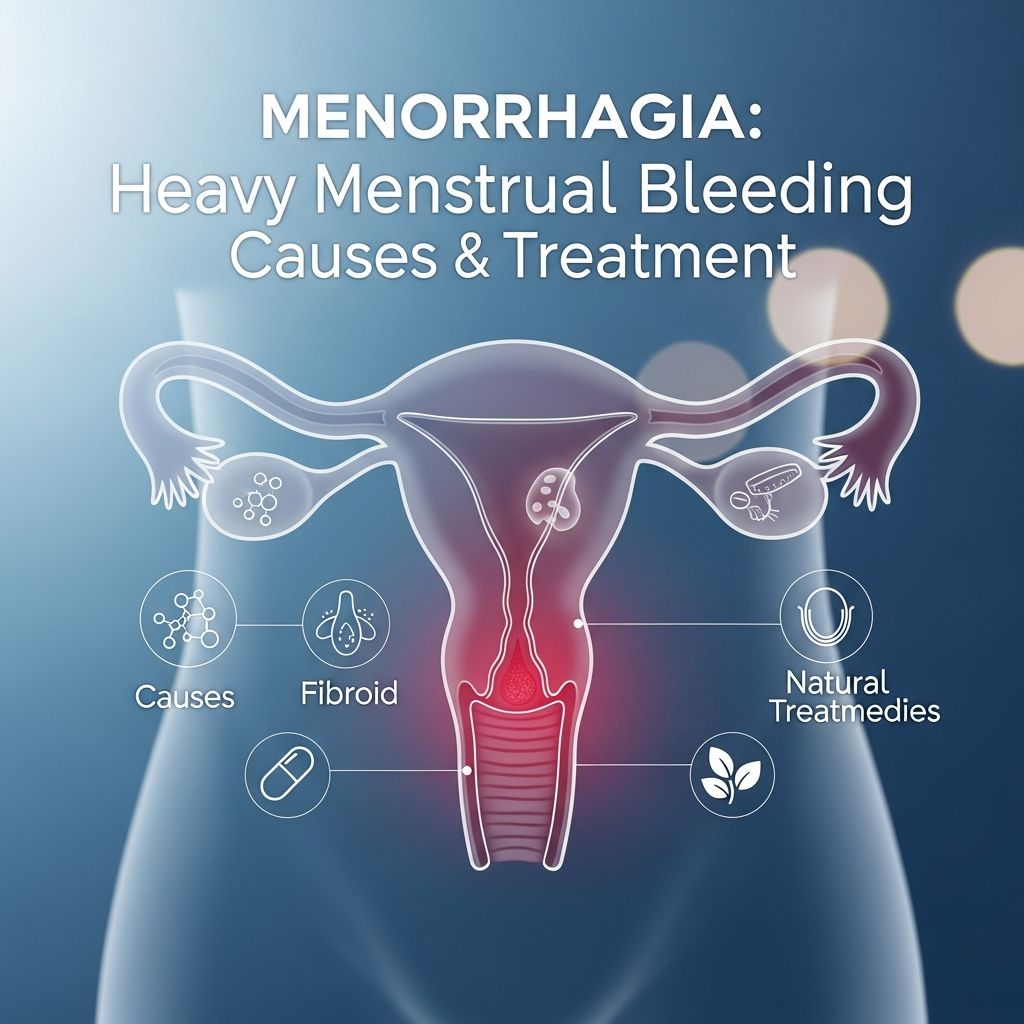
Understanding Menorrhagia: Heavy Menstrual Bleeding
Menorrhagia, commonly referred to as heavy menstrual bleeding, is a prevalent condition affecting people who menstruate. It represents a significant disruption to daily life, often making routine activities like attending work or school challenging. Unlike typical menstrual bleeding, menorrhagia involves excessive blood loss during menstruation that extends beyond normal duration and volume. For many individuals experiencing this condition, layering multiple pads and remaining home during their period can feel debilitating and limiting.
The condition is characterized by menstrual bleeding that lasts longer than seven days or requires changing pads more frequently than normal. If you experience heavy menstrual bleeding that interferes with your quality of life, consulting a healthcare provider is essential. Medical professionals can evaluate your symptoms, identify underlying causes, and recommend appropriate treatment options to manage your menstrual bleeding effectively.
What Defines Menorrhagia?
Determining whether you have menorrhagia involves understanding specific diagnostic criteria. You may have menorrhagia if your menstrual bleeding exhibits any of the following characteristics:
- Bleeding lasting longer than seven consecutive days
- Changing pads or tampons every hour or more frequently
- Passing blood clots larger than a quarter during menstruation
- Experiencing prolonged bleeding that significantly impacts daily activities
- Requiring double protection (combining pads and tampons) to manage flow
- Needing to wake during the night to change menstrual products
During a normal menstrual cycle, you should be able to maintain your regular activities without significant disruption. If your periods are interfering with your ability to work, attend school, exercise, or enjoy social activities, this serves as an important indicator that you should contact your healthcare provider for evaluation and guidance.
Hormonal Causes of Heavy Menstrual Bleeding
The hormones your body produces, including estrogen and progesterone, play a crucial role in regulating your menstrual cycle and determining the heaviness of your periods. When hormonal imbalances occur, they can lead to excessive menstrual bleeding. Several conditions can cause these hormonal disruptions:
- Polycystic ovary syndrome (PCOS)
- Thyroid disorders affecting hormone regulation
- Obesity and metabolic conditions
- Perimenopause and hormonal fluctuations during menopause transition
Interestingly, menorrhagia sometimes resolves without medical intervention, particularly when heavy bleeding results from mild hormonal fluctuations or conditions like overweight or obesity. In such cases, achieving a healthy weight may naturally improve menstrual breathing patterns.
Structural and Medical Conditions
Beyond hormonal factors, various structural abnormalities and medical conditions can cause menorrhagia. These conditions affect the uterus and reproductive organs directly:
Uterine Abnormalities
Uterine fibroids are benign (non-cancerous) growths in the uterine wall that frequently cause heavy and abnormal menstrual bleeding. Uterine polyps, small benign growths on the endometrium, may similarly cause excessive or irregular menstrual bleeding. Adenomyosis occurs when the tissue lining the endometrium grows into the uterine muscular wall, resulting in heavy bleeding and painful menstrual cramps.
Related Stories



Bleeding Disorders
Menorrhagia can be a symptom associated with various bleeding disorders that affect your body’s ability to clot properly. Genetic or inherited bleeding disorders, such as von Willebrand’s disease, result in deficient or impaired blood-clotting factors, leading to heavy menstrual bleeding. These conditions require specific medical evaluation and management.
Infections and Reproductive Health Issues
Infections, including sexually transmitted infections (STIs), can cause heavy bleeding during menstruation. Pregnancy complications may also present as heavy bleeding, serving as a warning sign of potential issues that require immediate medical attention.
Cancer and Precancerous Conditions
In some cases, menorrhagia signals more serious underlying conditions. Endometrial hyperplasia, a precancerous condition, can lead to menorrhagia and requires proper diagnosis and treatment. Cancers affecting the reproductive system, including uterine and cervical cancer, can cause heavy menstrual bleeding, particularly in postmenopausal individuals. Any unusual or heavy bleeding warrants evaluation by a healthcare provider to rule out malignancy.
Medication and Contraceptive-Related Causes
Certain medications can contribute to heavy menstrual bleeding. These include anticoagulants (blood thinners like aspirin and warfarin), anti-inflammatory medications, and hormonal medications. If you suspect your medication is causing menorrhagia, consult your healthcare provider about potential alternatives or modifications to your treatment plan.
Intrauterine devices (IUDs), particularly non-hormonal varieties used for contraception, can cause menorrhagia as a side effect. Additionally, failing to remove contraceptive devices when scheduled can result in abnormal uterine bleeding. It is essential to maintain awareness of when your IUD or implant requires removal and to schedule timely appointments with your provider to prevent this complication.
Diagnostic Evaluation
If you experience symptoms of heavy menstrual bleeding, your healthcare provider will conduct a comprehensive evaluation. The diagnostic process includes:
Medical History and Examination
Your provider will ask detailed questions about your medical history and menstrual cycle patterns. They will perform a physical examination and a pelvic exam to assess your reproductive organs and identify any abnormalities.
Additional Diagnostic Procedures
Several procedures can help your provider determine the underlying cause of your bleeding:
- Pelvic ultrasound to visualize uterine structures and identify fibroids or polyps
- Hysteroscopy to examine the inside of the uterus using a thin camera
- Endometrial biopsy to obtain tissue samples for evaluation
- Blood tests to assess hormone levels and screen for bleeding disorders
- Transvaginal ultrasound for detailed imaging of reproductive organs
Keeping detailed records of your menstrual bleeding can facilitate diagnosis. Using a calendar or tracking app to note bleeding duration, heaviness, and any associated symptoms provides valuable information for your healthcare provider and helps guide treatment recommendations.
Treatment Options for Heavy Menstrual Bleeding
Treatment approaches for menorrhagia depend on multiple factors, including the underlying cause, severity of bleeding, your age, overall health, and personal preferences. Your healthcare provider will recommend the most appropriate treatment strategy based on your individual circumstances.
Medication-Based Treatments
Healthcare providers typically recommend medication before considering surgical intervention. Medication options may include:
- Iron supplements to address anemia resulting from heavy blood loss
- Nonsteroidal anti-inflammatory drugs (NSAIDs) to reduce bleeding and pain
- Hormonal birth control methods to regulate menstrual cycles
- Progestin-based therapies to balance hormonal fluctuations
- Tranexamic acid to promote blood clotting and reduce bleeding
Anemia management is particularly important for individuals with menorrhagia. Your healthcare team may include specialists in blood management who can provide IV iron transfusions and other interventions to address iron deficiency without requiring blood transfusions.
Surgical and Procedural Options
If medication does not adequately control your symptoms, your provider may recommend surgical procedures. The specific procedure depends on the cause of your bleeding and may include:
- Dilation and curettage (D&C) to scrape or suction endometrial tissue
- Hysteroscopic procedures to remove fibroids or polyps
- Endometrial ablation to destroy the uterine lining
- Uterine artery embolization to reduce blood flow to the uterus
- Hysterectomy as a last-resort option when other treatments fail
Your treatment plan may begin with medication and progress to minor procedures or surgical options as needed. Close communication with your healthcare provider ensures the selected treatment approach aligns with your goals and medical needs.
Recognizing When to Seek Medical Help
You should contact your healthcare provider if any of the following scenarios apply to you:
- Your menstrual bleeding lasts longer than seven days
- You must change pads or tampons more frequently than hourly
- You experience symptoms of anemia, including dizziness, vision changes, headaches, or racing heartbeat
- Your periods are impacting your quality of life and daily activities
- You notice you must double up on menstrual products to manage flow
- You are skipping activities you enjoy when menstruating
- You experience bleeding after menopause, which is never normal
- You develop anemia symptoms that concern you
If you experience severe bleeding with signs of anemia (dizziness, vision changes, headache, racing heartbeat, or feeling faint), seek immediate medical evaluation.
Complications and Long-Term Management
Heavy bleeding can lead to iron deficiency anemia, which can become serious if left untreated. Anemia reduces your body’s ability to carry oxygen, affecting your energy levels, cognitive function, and overall health. Regular monitoring and appropriate supplementation are essential components of menorrhagia management.
Additionally, some conditions causing heavy period bleeding, such as cancer, require early medical intervention. Discussing any risks related to your menstrual bleeding with your healthcare provider ensures comprehensive care and appropriate follow-up screening.
Frequently Asked Questions About Menorrhagia
Q: How much menstrual bleeding is considered heavy?
A: Menorrhagia is clinically defined as bleeding lasting longer than seven days or losing more than 80 milliliters of blood during your period. Practically speaking, if you need to change your pad or tampon every hour or pass blood clots larger than a quarter, you likely have heavy menstrual bleeding.
Q: Can menorrhagia improve without treatment?
A: Yes, menorrhagia sometimes improves without treatment, particularly when caused by mild hormonal fluctuations or conditions like obesity. In such cases, weight loss or natural hormone rebalancing may resolve the issue. However, if bleeding persists or worsens, medical evaluation is necessary.
Q: What medications can cause heavy menstrual bleeding?
A: Anticoagulants (blood thinners), nonsteroidal anti-inflammatory drugs, hormonal medications, and certain other prescriptions can cause menorrhagia. If you suspect your medication is responsible, discuss alternatives with your provider rather than stopping treatment abruptly.
Q: Is menorrhagia a sign of cancer?
A: While menorrhagia can be associated with reproductive cancers, it is not a definitive indicator. However, any unusual or persistent heavy bleeding should be evaluated by a healthcare provider to rule out serious conditions, particularly in postmenopausal individuals.
Q: What is the most common cause of menorrhagia?
A: Hormonal imbalances are among the most common causes, particularly related to conditions like PCOS or thyroid disorders. Structural abnormalities such as uterine fibroids and polyps are also frequent culprits. A healthcare provider can determine the specific cause through appropriate diagnostic testing.
Q: Should I seek immediate medical attention for heavy menstrual bleeding?
A: Seek immediate evaluation if you experience severe bleeding with anemia symptoms (dizziness, vision changes, headache, racing heartbeat, or fainting sensation). While a single heavy period may resolve on its own, recurrent menorrhagia significantly impacting your daily life warrants professional assessment.
Conclusion
Menorrhagia is a manageable condition that should not interfere with your quality of life. By understanding the definition, recognizing symptoms, and identifying when to seek professional help, you can take control of your menstrual health. With comprehensive evaluation and appropriate treatment—whether through medication, minor procedures, or surgical options—healthcare providers can help craft an effective management plan tailored to your individual needs and goals.
References
- Menorrhagia (Heavy Menstrual Bleeding): Causes & Treatment — Cleveland Clinic. 2024-07-01. https://my.clevelandclinic.org/health/diseases/17734-menorrhagia-heavy-menstrual-bleeding
- What You Should Know About Heavy Menstrual Periods with Dr. Cara King — Cleveland Clinic Health Essentials. https://my.clevelandclinic.org/podcasts/health-essentials/what-you-should-know-about-heavy-menstrual-periods-with-dr-cara-king
- Patient-centered management of heavy menstrual bleeding while on anticoagulation — PubMed Central. 2024. https://pubmed.ncbi.nlm.nih.gov/40816247/
- Abnormal Uterine Bleeding: Causes, Diagnosis & Treatment — Cleveland Clinic. https://my.clevelandclinic.org/health/diseases/menometrorrhagia-abnormal-uterine-bleeding
- Vaginal Bleeding: Causes, Diagnosis & What It Means — Cleveland Clinic. https://my.clevelandclinic.org/health/symptoms/17899-vaginal-bleeding
Similar Articles








Read full bio of medha deb