Men’s Health: Comprehensive Guide to Prevention and Wellness
Essential strategies for improving men's health outcomes and extending lifespan through preventive care.

Understanding Men’s Health: An Essential Overview
Men’s health encompasses a wide range of physical and mental health conditions that disproportionately affect men compared to women. Despite significant health inequalities, men’s health issues have historically received less attention in public health discourse. Understanding these unique challenges is crucial for developing targeted interventions that can improve outcomes and extend lifespan. Men currently experience a life expectancy that is three to four years shorter than women, with substantially higher rates of premature mortality from preventable conditions.
The disparities in men’s health stem from a complex interplay of physiological, psychological, social, and environmental factors. Men face unique pressures related to masculinity and male socialization that often discourage help-seeking behavior and promote risky lifestyle choices. Additionally, men are significantly less likely to utilize healthcare services for preventive screenings and routine checkups, leading to delayed diagnoses and reduced treatment options. By understanding the key components of men’s health and adopting evidence-based prevention strategies, men can take control of their wellbeing and improve their long-term health outcomes.
Key Health Risks Affecting Men
Men face a distinct set of health challenges that require targeted prevention and management strategies. The most prevalent conditions affecting men’s health include cardiovascular disease, metabolic disorders, respiratory diseases, mental health conditions, and urological problems. These conditions account for the majority of preventable deaths among men and significantly impact quality of life.
Cardiovascular Disease and Metabolic Disorders
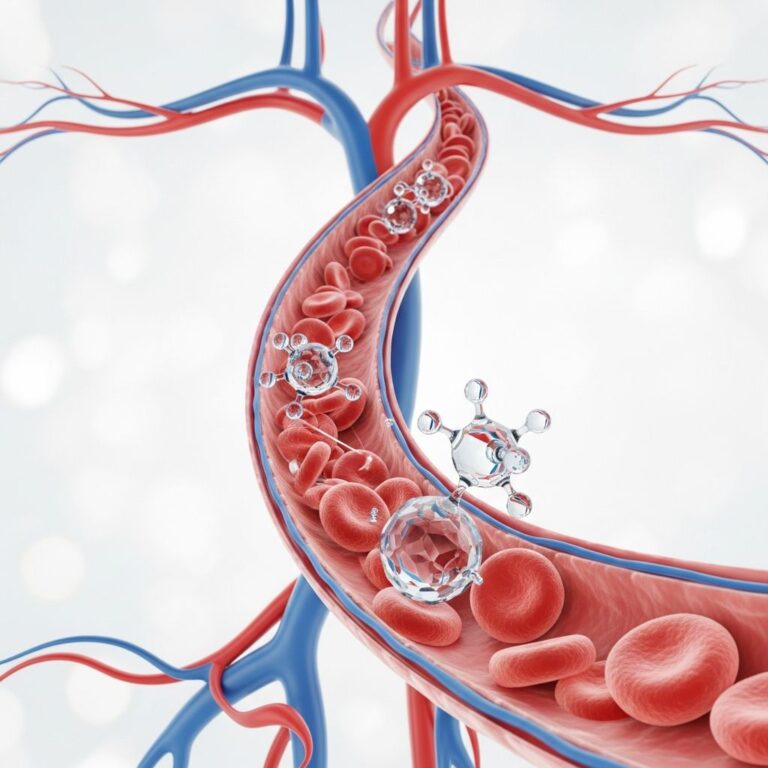
Cardiovascular disease represents one of the leading health threats for men, with approximately 9.6 million cardiovascular disease-related deaths occurring in men worldwide, compared to 8.9 million in women. Men are twice as likely as women to experience premature death from cardiovascular disease, making heart health a critical priority for male wellness. Risk factors for cardiovascular disease include high blood pressure, high cholesterol, smoking, obesity, physical inactivity, and poorly controlled diabetes.
Type 2 diabetes is another significant metabolic disorder affecting men, with an estimated 77 million more men than women diagnosed with this condition worldwide. The combination of cardiovascular disease and diabetes creates a particularly challenging health scenario, as these conditions often occur together and compound health risks. Regular monitoring of blood pressure, cholesterol levels, and blood glucose is essential for early detection and management of these conditions.
Alcohol-Related Health Risks
Men demonstrate significantly higher rates of excessive alcohol consumption compared to women, with 58% of men reporting excessive drinking compared to 49% of women. Furthermore, men experience alcohol use disorder at nearly double the rate of women, with 13% of men affected compared to 9% of women. This higher consumption pattern exposes men to numerous health complications including oral, liver, colon, and prostate cancers. Excessive alcohol consumption also increases the risk of reproductive health disorders, hospitalizations, and fatal accidents, particularly related to impaired driving.
Mental Health and Suicide Prevention
Mental health represents a critical but often overlooked component of men’s health. Nearly one in ten men suffer from depression, anxiety, and other emotional distress, yet less than half seek professional treatment. The stigma associated with masculine identity often discourages men from acknowledging mental health challenges and seeking appropriate care. This reluctance to seek help has profound consequences: men are four times more likely to die by suicide compared to women. The higher suicide rate among men may be attributed to men’s tendency to act more impulsively on suicidal thoughts and their tendency to show fewer warning signs compared to women.
Related Stories



Addressing men’s mental health requires creating supportive environments that destigmatize mental health conditions and encourage help-seeking behavior. Mental health professionals recommend that men engage in stress-reduction practices such as mindfulness activities, regular exercise, and social connection. Additionally, men should feel empowered to speak with mental health professionals about depression, anxiety, and other emotional challenges without fear of judgment.
Prostate and Reproductive Health
Prostate health represents a unique concern for men that requires ongoing attention throughout the lifespan. The most common prostate complications include chronic and bacterial prostatitis (inflammation of the prostate), benign prostatic hyperplasia or BPH (prostate enlargement), and prostate cancer. Benign prostatic hyperplasia is the most commonly diagnosed urological problem in older men worldwide, with age-specific prevalence rates of 8% in men in their 40s, 50% in men in their 60s, and 80% in men in their 90s.
Male reproductive health is also experiencing concerning trends, with various reproductive problems including erectile dysfunction, low sperm count, testosterone imbalance, and testicular cancer increasing at a rate of approximately 1% per year in Western countries. Notably, a 50% reduction in sperm count has been documented over just 40 years, suggesting significant environmental and lifestyle impacts on male fertility. These reproductive health challenges can impact quality of life, relationship satisfaction, and overall psychological well-being.
Why Men’s Health Deserves Priority Attention
Despite the substantial burden of preventable illness and mortality among men, men’s health has not received proportional public health attention compared to women’s health initiatives. Men consistently demonstrate higher mortality rates from the top ten causes of death, yet fewer targeted health promotion programs address these disparities. Several factors explain why prioritizing men’s health is essential:
Preventable Mortality: A significant proportion of male deaths result from preventable conditions linked to lifestyle factors and delayed healthcare seeking. Early intervention and behavior change could avert many of these deaths.
Healthcare Avoidance: Men are less likely to visit family physicians for health checkups and screening compared to women. This delay in seeking medical attention reduces available treatment options and often results in unnecessary disabilities or premature death.
Risky Behaviors: Men are more likely than women to engage in unhealthy behaviors including smoking, excessive alcohol consumption, and risky recreational activities. These behaviors significantly increase disease susceptibility and premature mortality risk.
Economic Impact: Men’s health disparities create substantial economic costs through lost productivity, healthcare expenditures, and premature loss of income-earning years for families.
Lifestyle Interventions for Optimal Men’s Health
Most men’s health complications can be prevented or significantly improved through adoption of healthy lifestyle practices. Research demonstrates that comprehensive lifestyle modification addressing multiple health domains produces the greatest health benefits.
Nutrition and Diet
A well-balanced diet rich in whole foods serves as a foundation for men’s health and disease prevention. Men should prioritize consuming abundant fruits, vegetables, whole grains, lean proteins, and healthy fats while limiting processed foods and saturated fats that harm cardiovascular health. Plant-based, whole-food diets have demonstrated particular benefits for reproductive health and fertility in young men. Additionally, maintaining a healthy weight through appropriate nutrition reduces the risk of multiple chronic diseases including cardiovascular disease, diabetes, and certain cancers.
Physical Activity and Exercise
Regular physical activity is crucial for maintaining optimal men’s health and preventing chronic disease. Men should aim for at least 30 minutes of moderate-intensity physical activity most days of the week, which can include activities such as brisk walking, cycling, or recreational sports. Regular physical activity effectively reduces the risk of cardiovascular disease, metabolic disease, obesity, hyperlipidemia (elevated blood fats), and reproductive health complications. Exercise also provides mental health benefits including reduced depression and anxiety symptoms and improved overall psychological well-being.
Mental Health and Stress Management
Mental health receives equal priority with physical health in comprehensive men’s wellness. Men should engage in stress-reduction practices including mindfulness meditation, deep breathing exercises, yoga, or other relaxation techniques. Adequate sleep represents another critical component of mental health and overall wellness, with most adults requiring 7-9 hours of sleep nightly. Men should also cultivate social connections and supportive relationships, which provide emotional support and reduce feelings of isolation.
Smoking and Substance Cessation
Smoking represents one of the most modifiable risk factors for male health. Smoking cessation dramatically reduces the risk of cardiovascular disease, respiratory disease, and multiple cancer types. Similarly, limiting alcohol consumption and avoiding illicit substance use protects men’s physical and mental health. Men who struggle with nicotine or substance dependence should seek professional support through cessation programs or healthcare providers.
Preventive Healthcare and Medical Screening
Preventive healthcare through regular medical checkups and appropriate screening represents an essential component of men’s health maintenance. Men are often reluctant to schedule routine appointments, yet regular medical visits enable early detection of health conditions when treatment options are optimal. Key screening recommendations include:
Essential Health Screenings
Blood Pressure Monitoring: Regular blood pressure checks enable early detection of hypertension, a major cardiovascular risk factor. Men should have blood pressure measured at least annually.
Cholesterol Testing: Lipid panels assess cholesterol and triglyceride levels, important markers for cardiovascular disease risk. Men should undergo cholesterol screening beginning in young adulthood.
Diabetes Screening: Blood glucose testing and hemoglobin A1c measurements help identify diabetes and prediabetes, enabling early intervention.
Cancer Screenings: Age-appropriate cancer screenings including prostate cancer screening, colorectal cancer screening, and lung cancer screening (for smokers) should be discussed with healthcare providers.
Mental Health Assessment: Regular discussions with healthcare providers about mood, anxiety, and suicidal thoughts enable early detection and treatment of mental health conditions.
Frequently Asked Questions About Men’s Health
Q: At what age should men begin health screenings?
A: Men should begin regular health screenings in their 20s or 30s, with the specific screening timeline depending on individual risk factors. Discussion with a healthcare provider helps establish an appropriate screening schedule based on family history, lifestyle factors, and personal health concerns.
Q: How can men overcome reluctance to seek medical care?
A: Men can overcome healthcare avoidance by scheduling regular appointments as preventive maintenance rather than waiting for symptoms to develop. Choosing a healthcare provider with whom one feels comfortable, involving family members in health decisions, and recognizing that seeking care demonstrates strength rather than weakness can help overcome hesitation.
Q: What are the mental health red flags men should recognize?
A: Men should seek professional help if experiencing persistent sadness, hopelessness, loss of interest in activities, difficulty concentrating, changes in sleep or appetite, or thoughts of suicide. These symptoms warrant immediate consultation with a mental health professional.
Q: How much physical activity is sufficient for health benefits?
A: Current guidelines recommend at least 150 minutes of moderate-intensity aerobic activity or 75 minutes of vigorous-intensity activity per week, along with muscle-strengthening activities at least twice weekly. However, some activity is better than none, and men should consult healthcare providers about appropriate exercise levels based on current fitness and health status.
Q: Why is prostate health important for younger men?
A: While prostate conditions increase with age, establishing healthy lifestyle habits in younger years significantly reduces disease risk later in life. Additionally, understanding personal and family prostate cancer risk enables informed discussions with healthcare providers about appropriate screening timing.
References
- Men’s Health: An Overview — News-Medical.net. 2024. https://www.news-medical.net/health/Mens-Health-An-Overview.aspx
- June is Men’s Health Awareness Month — MHEDS (Multicultural Health Equity and Disparities Solutions). 2024. https://mheds.org/?p=7344
Similar Articles








Read full bio of Sneha Tete