Menstrual Cycle and Appetite: Science Behind Cravings
Understand how hormonal fluctuations drive food cravings and hunger changes throughout your cycle.
The Truth About Your Cycle and Your Appetite
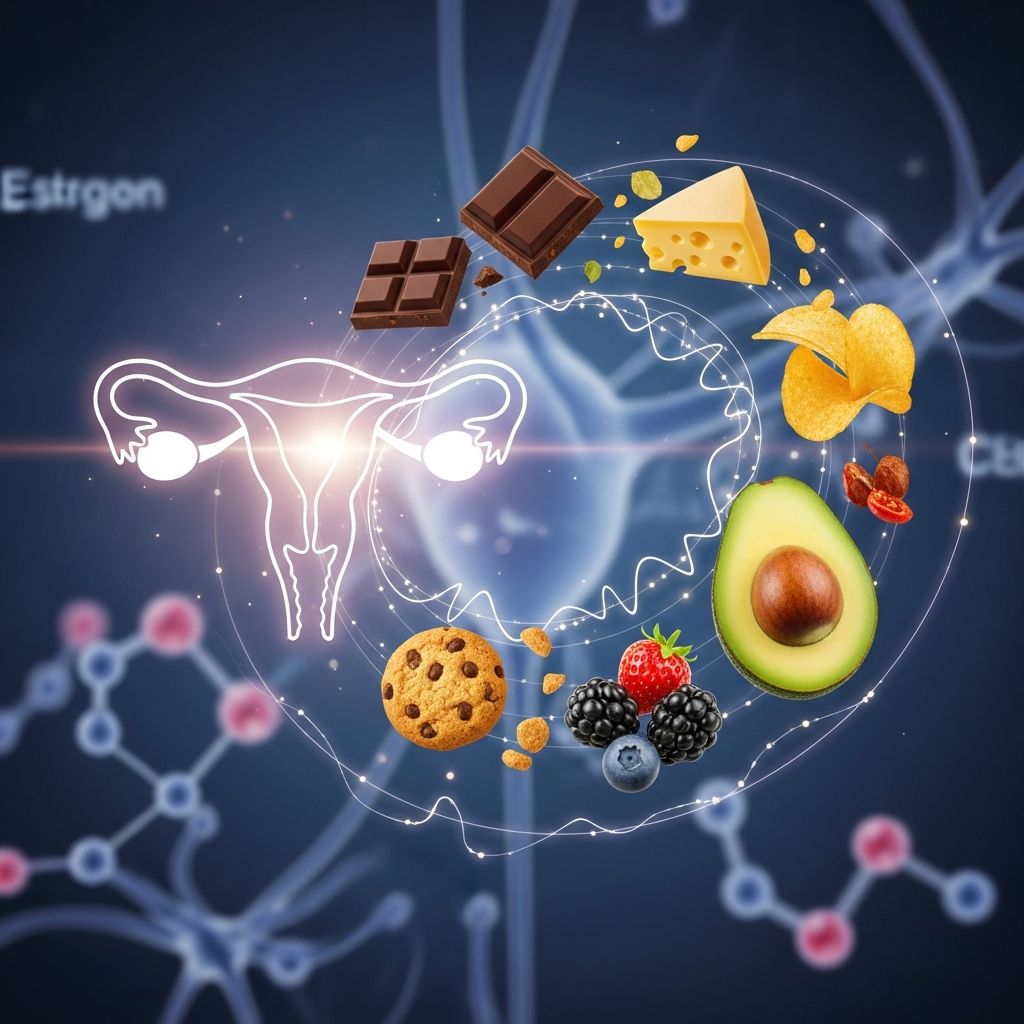
Many people experience noticeable changes in hunger levels and food cravings throughout their menstrual cycle. Whether it’s an irresistible urge for chocolate, an increase in overall appetite, or intense carbohydrate cravings, these fluctuations are far from imaginary. Research shows that hormonal changes during the menstrual cycle directly influence appetite control, eating behavior, and food preferences, affecting both the desire to eat and the types of foods consumed.
Understanding the science behind these cravings can help you manage your eating habits more effectively and recognize that these urges are a normal biological response, not a lack of willpower.
How Hormones Control Your Appetite
The menstrual cycle operates through complex hormonal fluctuations that extend far beyond reproductive function. Estrogen and progesterone—the two primary sex hormones—directly affect appetite regulation by influencing gastric emptying and the secretion of gastrointestinal hormones. These gastrointestinal hormones, including glucagon-like peptide (GLP-1) and cholecystokinin (CCK), are crucial factors in regulating appetite and energy intake.
Additionally, your body produces specific appetite-regulating hormones that shift throughout your cycle. Ghrelin and leptin, often called the “hunger hormones,” fluctuate during different menstrual phases. Ghrelin increases feelings of hunger, while leptin promotes feelings of fullness and satiety. Understanding these hormonal patterns helps explain why your appetite may feel entirely different depending on where you are in your cycle.
The Follicular Phase: Lower Appetite
The follicular phase begins on the first day of menstruation and continues until ovulation, typically lasting about 13-14 days. During this phase, estrogen levels rise while progesterone remains low. Research indicates that increased estrogen in the follicular phase reduces appetite, causing a decrease in the desire to eat. This hormonal profile creates a natural appetite suppression, meaning many people find it easier to maintain consistent eating patterns and may feel satisfied with smaller portions.
During the follicular phase, energy intake tends to be lower compared to other cycle phases, and food cravings are typically less intense. This phase may be an ideal time for activities requiring strict dietary adherence or meal planning precision.
The Luteal Phase: Increased Hunger and Cravings
The luteal phase begins after ovulation and lasts until menstruation starts, typically 12-14 days. This is when most appetite changes occur. During the luteal phase, progesterone levels are elevated while estrogen begins to decline. Research demonstrates that progesterone, a progestin hormone, stimulates appetite, with levels peaking about one week before menstruation begins. This hormonal surge directly contributes to the pre-period “munchies” that many people experience.
Studies consistently show that energy intake is significantly higher in the luteal phase, with some research indicating this phase is marked by elevated hedonic hunger—the desire to eat for pleasure rather than physiological need. The decrease in estrogen during the luteal phase further increases both homeostatic appetite (the need for calories) and hedonic appetite (the desire for satisfying foods).
Carbohydrate and Sugar Cravings Explained
Many people notice intense cravings for carbohydrates and sugary foods during the luteal phase, particularly in the days immediately before menstruation. This isn’t random; there’s solid biological reasoning behind these cravings.
Women with premenstrual syndrome (PMS) frequently experience increased cravings for sweets and carbohydrate-rich foods. This occurs partly because carbohydrates and sugars trigger the release of serotonin, a neurotransmitter that increases feelings of happiness and well-being. During the luteal phase, serotonin levels naturally decline due to hormonal changes, and your body may crave these foods as a way to self-medicate and restore mood balance.
Related Stories



Additionally, eating carbohydrates helps stabilize blood sugar levels, which may help keep moods steady during a time when mood swings and fatigue are common. From a nutritional perspective, your body’s apparent “need” for these foods may partially reflect a genuine metabolic shift that makes carbohydrate metabolism different during this phase.
The Role of Insulin Sensitivity
Recent neuroscience research has uncovered another crucial mechanism driving period cravings. A study published in Nature Metabolism found that hormonal shifts during the menstrual cycle cause the brain to become more sensitive to changes in insulin levels. Insulin, produced by the pancreas, regulates blood sugar and affects hunger signals in the brain.
The research revealed that during the luteal phase, insulin sensitivity in the brain measurably decreases. This phase—when food cravings typically occur—is marked by a metabolic state called insulin resistance. In this state, cells cannot efficiently absorb glucose from the bloodstream, which triggers an increase in hunger signals. This finding explains why cravings intensify precisely when you enter the phase where they’re most commonly reported, and it points to a neurobiological, not merely psychological, cause.
Premenstrual Syndrome (PMS) and Hedonic Hunger
For some people, appetite changes are dramatic and disruptive—a condition associated with premenstrual syndrome (PMS). PMS is diagnosed when symptoms are sufficiently severe to interfere with daily functioning, and altered appetite and food cravings are among the most commonly reported behavioral changes.
Women with PMS consistently show significantly higher hedonic hunger and heightened responsiveness to food cues throughout the menstrual cycle, particularly during phases characterized by major hormonal fluctuation. Research shows that women with PMS have greater appetite and sweet food consumption in the late luteal period compared to women without PMS.
If you experience severe compulsive eating or binge eating episodes that persist after your period ends, this may indicate an eating disorder requiring medical treatment rather than normal cycle-related appetite changes.
Energy Needs During Your Cycle
A common question is whether increased hunger during the luteal phase reflects an actual increased caloric need. The evidence suggests a nuanced answer: energy intake does increase during the luteal phase, but whether your body requires these additional calories or simply wants them more intensely remains an area of ongoing research. Some of the increase may reflect genuine metabolic changes, while some likely reflects the heightened hedonic drive to eat regardless of caloric need.
Rather than viewing luteal phase hunger as purely psychological or purely biological, it’s most accurate to understand it as a genuine hormonal-metabolic shift that increases both the desire and the apparent need for food, particularly carbohydrates.
Other Factors Influencing Cycle-Related Appetite
While hormonal fluctuations are primary drivers of appetite changes, other factors interact with cycle phases:
- Mood and emotional state: The mood symptoms such as anxiety, irritability, and fatigue during the luteal phase result from declining progesterone and estrogen levels, particularly in hormonally sensitive individuals. Emotional eating may compound appetite changes.
- Serotonin cycles: Fluctuations in appetite and cravings during the menstrual cycle occur in parallel with cyclical rhythms in serotonin, which can be accompanied by affective symptoms.
- Individual variation: While many studies report that hormonal fluctuations influence appetite and food cravings, some research has found no significant or consistent effects. This variation suggests genetic and individual factors also play a role.
- Food availability and cultural factors: Access to specific foods and cultural food patterns can amplify or diminish cycle-related cravings.
Managing Cravings and Appetite Changes
Understanding your cycle’s influence on appetite is the first step toward managing it effectively. Here are evidence-based strategies:
- Plan ahead: Knowing which phase you’re in allows you to prepare appropriate foods in advance. During the luteal phase, keep healthy carbohydrate options available to satisfy cravings while maintaining nutrition.
- Don’t restrict excessively: Fighting intense hunger during the luteal phase through strict caloric restriction often backfires, leading to binge eating. Instead, allow slightly increased intake of nutrient-dense foods.
- Include complex carbohydrates: Whole grains, legumes, and vegetables provide carbohydrates that increase serotonin while offering sustained energy and nutrients.
- Maintain consistent eating patterns: Regular meal timing helps stabilize blood sugar and mood throughout your cycle.
- Track your cycle: Using a menstrual tracking app or calendar helps you identify your personal patterns and prepare accordingly.
- Practice stress management: Since mood changes during the luteal phase can drive emotional eating, stress-reduction techniques like exercise, meditation, or breathing exercises may help.
Cycle Syncing and Nutrition
Cycle syncing—aligning your diet, exercise, and daily activities with your menstrual cycle—is a growing practice designed to enhance overall well-being. By adjusting your nutritional approach based on your cycle phase, you can work with your body’s natural rhythms rather than against them.
During the follicular phase, when appetite is naturally lower and energy is typically higher, this may be an ideal time for more intense exercise and stricter nutritional goals. During the luteal phase, a more flexible approach with slightly increased caloric intake, particularly from satisfying carbohydrates, may be more sustainable and aligned with your body’s actual needs.
When to Seek Medical Advice
Most cycle-related appetite changes are normal and manageable. However, consult a healthcare provider if:
- Appetite changes are so severe they interfere with daily functioning
- Binge eating or compulsive eating episodes occur
- Symptoms persist after menstruation ends
- You have concerns about eating disorders or disordered eating patterns
- Appetite changes are accompanied by severe mood symptoms, pain, or other concerning symptoms
Frequently Asked Questions
Q: Is it normal to feel hungrier before my period?
A: Yes, absolutely. Increased hunger before menstruation is a common symptom caused by rising progesterone levels and changes in other appetite-regulating hormones. This is a normal biological response affecting the majority of menstruating individuals.
Q: Why do I crave chocolate and sweets during my period?
A: Carbohydrate and sugar cravings occur because these foods trigger serotonin release, boosting mood during a time when serotonin naturally declines. Additionally, your brain’s insulin sensitivity decreases during the luteal phase, which can increase hunger and cravings.
Q: Do I actually need more calories during my period?
A: Research shows that energy intake does increase during the luteal phase, and some of this may reflect genuine metabolic changes. However, the extent to which increased hunger reflects actual caloric need versus simply wanting more food is still being researched. A modest increase in nutrient-dense foods is generally reasonable.
Q: Can I prevent food cravings during my cycle?
A: While you cannot eliminate hormonal influences, you can manage cravings through planning, stress reduction, regular eating patterns, and including satisfying foods that meet both your body’s needs and desires.
Q: How can cycle syncing help with appetite management?
A: Cycle syncing involves adjusting your diet and activities to align with different menstrual phases. During the follicular phase, you might maintain stricter nutrition, while during the luteal phase, you allow more flexibility and slightly increased intake to work with your body’s natural rhythms.
Q: When should I be concerned about my appetite changes?
A: Concern is warranted if appetite changes severely interfere with daily life, if compulsive eating or binge episodes occur, if symptoms persist after your period ends, or if you notice signs of eating disorders.
References
- The role of premenstrual syndrome in hedonic hunger and food consumption during menstrual cycle phases — National Center for Biotechnology Information (NCBI). 2024. https://pmc.ncbi.nlm.nih.gov/articles/PMC12451237/
- Menstrual cycle and appetite control: implications for weight management — Human Reproduction, Oxford University Press. 1997. https://academic.oup.com/humrep/article-abstract/12/6/1142/573355
- Do We Actually Need to Eat More Calories When Menstruating? — McGill University Office for Science and Society. https://www.mcgill.ca/oss/article/health/do-we-actually-need-eat-more-calories-when-menstruating
- Menstrual cravings are all in your brain: The neuroscience of period food cravings — UCLA Health. https://www.uclahealth.org/news/article/menstrual-cravings-are-all-your-head-your-brain
- Compulsive eating before a period: Is it normal and how to avoid? — Medical News Today. https://www.medicalnewstoday.com/articles/323317
Similar Articles








Read full bio of medha deb