Menstrual Cycle: Normal Menstruation Overview & Phases
Understanding your menstrual cycle: phases, duration, symptoms, and what's considered normal.
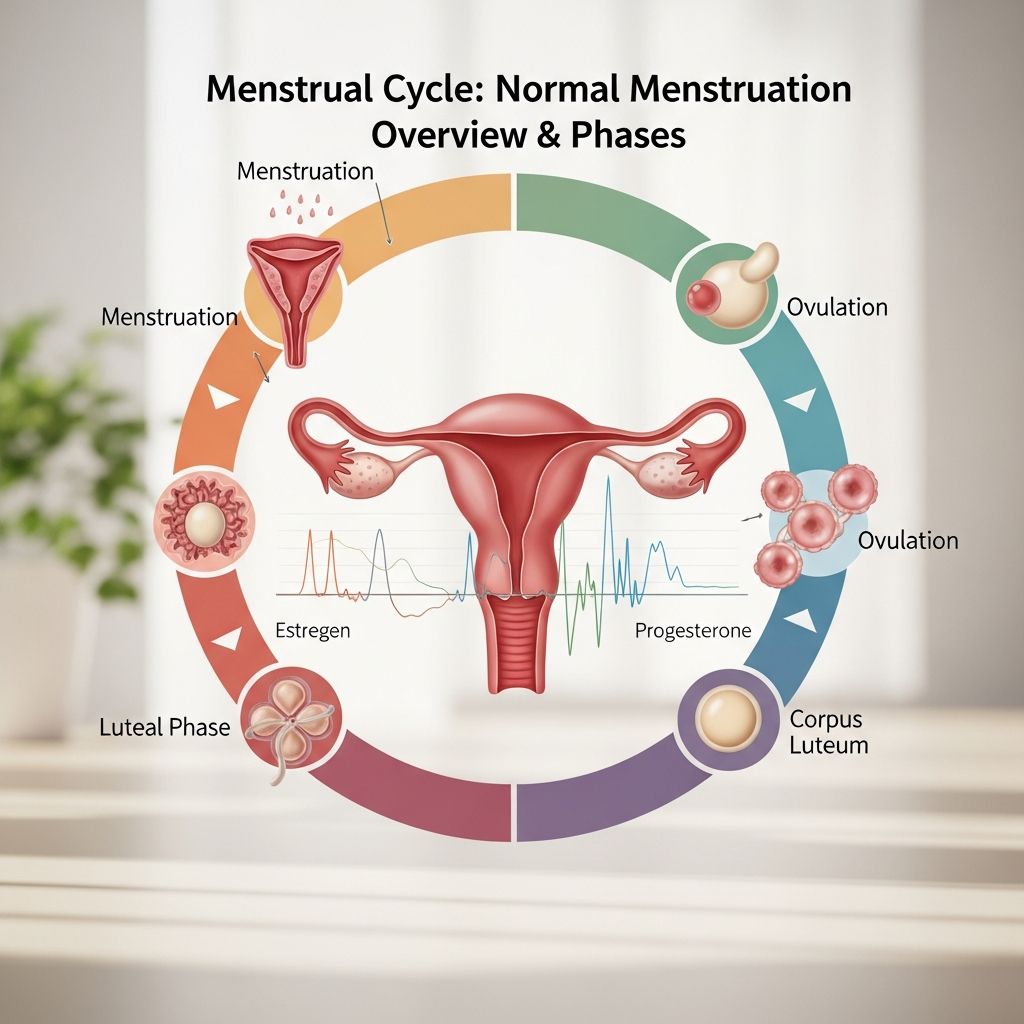
Understanding Your Menstrual Cycle
A menstrual cycle begins when you get your period, which is when you shed the lining of your uterus. This cycle is part of your reproductive system and prepares your body for a possible pregnancy each month. Your menstrual cycle is the time from the first day of your menstrual period until the first day of your next menstrual period. Every person’s cycle is slightly different, but the biological process remains consistent across individuals.
The menstrual cycle is a series of events that occurs in your body as it prepares for the possibility of pregnancy each month. Understanding your cycle is important for tracking your reproductive health and recognizing what is normal for your body.
How Long Is a Normal Menstrual Cycle?
The average length of a menstrual cycle is 28 days. However, a cycle can range in length from 21 days to about 35 days and still be normal. The days between periods constitute your menstrual cycle length. It’s important to note that your cycle is probably not exactly 28 days, as most people experience variation in their cycle length.
Most people have their period (bleed) for between three and seven days. A period is normal if it’s anywhere between three and seven days. While on the shorter end of the range, some people have a menstrual period for only three days, which is completely normal and healthy.
When tracking your cycle, count from the first day of bleeding to the day before the next period begins. This gives you your individual cycle length, which can vary slightly from month to month by a day or two.
The Four Phases of Your Menstrual Cycle
The menstrual cycle consists of four distinct phases, each characterized by specific hormonal changes and physical processes. Understanding these phases can help you recognize patterns in your body and anticipate what to expect each month.
Menstrual Phase (Days 1-7)
The menstrual phase is when you have your period. During this phase, the lining of your uterus sheds through the vagina. This is the beginning of your menstrual cycle. The menstrual phase typically lasts between three and seven days, with most people experiencing bleeding during this time. Menstrual flow can vary from light to heavy, and this variation is normal.
Follicular Phase (Days 1-13)
The follicular phase overlaps with the beginning of your menstrual phase and continues after your period ends. During this phase, your pituitary gland releases a hormone called follicle-stimulating hormone (FSH). This hormone stimulates your ovaries to produce follicles, which are small sacs that contain eggs. The follicular phase is the longest phase of your menstrual cycle, lasting from 14 to 21 days. During this phase, estrogen levels gradually rise as the follicles develop.
Ovulation Phase (Around Day 14)
Ovulation is the release of an egg from your ovary. This typically occurs around day 14 of a 28-day cycle, though the exact timing varies from person to person. Just before ovulation, there is a surge in luteinizing hormone (LH), which triggers the release of the mature egg. Once released, the egg travels down the fallopian tube where it may be fertilized by sperm. If fertilization does not occur, the egg will eventually dissolve.
Related Stories



Luteal Phase (Days 15-28)
After ovulation, the luteal phase begins. During this phase, the empty follicle transforms into a structure called the corpus luteum, which produces progesterone. Progesterone helps prepare the uterine lining for a potential pregnancy. If the egg is not fertilized, progesterone levels drop, which triggers menstruation and the cycle begins again.
Hormonal Changes During Your Cycle
The rise and fall of your hormones trigger the steps in your menstrual cycle. Your hormones cause the organs of your reproductive tract to respond in certain ways. The primary hormones involved in the menstrual cycle include:
Estrogen: This hormone rises during the follicular phase and triggers the thickening of the uterine lining. Estrogen levels peak just before ovulation.
Luteinizing Hormone (LH): A surge in LH triggers ovulation, marking the transition from the follicular phase to the luteal phase.
Progesterone: This hormone rises after ovulation and helps maintain the uterine lining in preparation for pregnancy. If pregnancy does not occur, progesterone levels drop, triggering menstruation.
Follicle-Stimulating Hormone (FSH): This hormone stimulates the development of follicles in the ovaries during the follicular phase.
Common Menstrual Symptoms
Some people experience symptoms of menstruation and others don’t. The intensity of these symptoms can also vary from person to person and from cycle to cycle. Understanding these symptoms can help you anticipate your period and manage any discomfort.
The most common symptom is cramps. The cramping you feel in your pelvic area is your uterus contracting to release its lining. Other signs you’re getting your period include:
- Bloating or water retention
- Breast tenderness or swelling
- Mood changes or emotional sensitivity
- Fatigue or low energy
- Headaches or body aches
- Food cravings or changes in appetite
- Acne or skin changes
Changes in Your Menstrual Cycle Over Time
Your menstrual cycle can change from your teen years to your 40s or 50s. When you first get your period, it’s normal to have longer cycles or a heavier period flow. It can take up to three years for young people to have regular cycles after they begin menstruating. During this time, cycle lengths may vary significantly.
As you age, particularly as you approach perimenopause and menopause, your cycle may become irregular again. Changes in cycle length, flow, or frequency are part of the natural progression of your reproductive life.
What Is Considered a Normal Menstrual Cycle?
A normal menstrual cycle is a cycle that:
- Occurs every 21 to 35 days
- Lasts between 3 and 7 days
- Follows a relatively consistent pattern from month to month
- Does not interfere significantly with your daily activities
- May include some predictable symptoms before and during menstruation
Tracking Your Menstrual Cycle
It’s a good idea to be aware of your menstrual period and track your cycle. Not getting a period may not seem like a big deal, but an irregular period can be a sign of a problem. Knowing what’s normal for you can be very helpful to your healthcare provider.
When tracking your cycle, pay attention to the following:
- The first day of your period
- How many days your period lasts
- The heaviness of your flow
- Any symptoms you experience
- Any spotting or bleeding between periods
- Changes in your typical pattern
You can track your cycle using a calendar, a period tracking app, or by keeping notes. This information becomes invaluable when discussing your menstrual health with your healthcare provider.
When to Contact Your Healthcare Provider
Your menstrual cycle provides valuable insight to your healthcare provider about your reproductive health. Contact your healthcare provider if:
- Your period occurs fewer than 21 days or more than 35 days apart
- You miss three or more periods in a row
- Your menstrual flow is much heavier or lighter than usual
- You experience severe cramping or pain during your period
- You bleed for more than seven days
- You have bleeding between periods
- You notice sudden changes in your typical menstrual pattern
- You have concerns or questions about your menstrual cycle
In some cases, an irregular cycle could mean you have a health condition that needs treatment. Your healthcare provider can help determine what is causing any changes and recommend appropriate treatment if necessary.
Frequently Asked Questions About Your Menstrual Cycle
Q: What is the first day of my menstrual cycle?
The first day of your menstrual cycle is the first day of your period. This is when you begin bleeding as your body sheds the lining of your uterus.
Q: Can my cycle length change from month to month?
Yes, it is normal for your cycle to vary by a day or two from month to month. However, if you notice significant changes or if your cycle becomes irregular, you should discuss this with your healthcare provider.
Q: Is it normal to have different cycle lengths at different times in my life?
Yes, your cycle can change throughout your life. When you first start menstruating, your cycles may be longer or more irregular. Your cycle may also change as you age, particularly as you approach menopause.
Q: What should I do if I think my period is irregular?
If you sense changes in your menstrual cycle, begin keeping records of when your periods begin and end. Note symptoms, the amount of flow, or if you experience cramping, bleeding between periods, or passing large clots. Share this information with your healthcare provider.
Q: How can I prepare for my appointment with my healthcare provider about my menstrual cycle?
Your healthcare provider will ask you about your most recent period and menstrual cycles. Prepare by tracking your cycle for at least two months, noting the start and end dates of each period, the duration of bleeding, and any symptoms you experience.
The Importance of Understanding Your Menstrual Cycle
Understanding your menstrual cycle is an essential part of maintaining reproductive health. By tracking your cycle and recognizing what is normal for your body, you can identify potential problems early and seek appropriate medical care when needed. Your Ob/Gyn is there for you throughout many different parts of your life, helping you maintain optimal reproductive health at every stage.
A normal menstrual cycle can last between 21 and 35 days, with bleeding occurring for three to seven days. If you have questions or concerns about your menstrual cycle, don’t hesitate to contact your healthcare provider. The experts can help you throughout your entire journey and address any concerns about your menstrual health.
References
- Menstrual Cycle (Normal Menstruation): Overview & Phases — Cleveland Clinic. 2022-12-09. https://my.clevelandclinic.org/health/articles/10132-menstrual-cycle
- Irregular Periods (Abnormal Menstruation): Causes & Treatment — Cleveland Clinic. 2023-01-18. https://my.clevelandclinic.org/health/diseases/14633-abnormal-menstruation-periods
- Follicular Phase Of Menstrual Cycle: Hormone Levels & Length — Cleveland Clinic. https://my.clevelandclinic.org/health/body/23953-follicular-phase
- Cycle Syncing Nutrition and Exercise – Health Cleveland Clinic — Cleveland Clinic. https://health.clevelandclinic.org/nutrition-and-exercise-throughout-your-menstrual-cycle
- Oligomenorrhea: Causes, Symptoms, Diagnosis & Treatment — Cleveland Clinic. 2022-04-25. https://my.clevelandclinic.org/health/diseases/22834-oligomenorrhea
- What Happens During Your Menstrual Cycle? — Cleveland Clinic. 2024-08-30. https://www.youtube.com/watch?v=JMatrteYHNw
Similar Articles








Read full bio of Sneha Tete