Menstrual Cycle Phases: 4-Phase Guide To Easy Cycle Syncing
Understand the four phases of your menstrual cycle and how to optimize diet, exercise, and wellness for hormonal balance all month long.
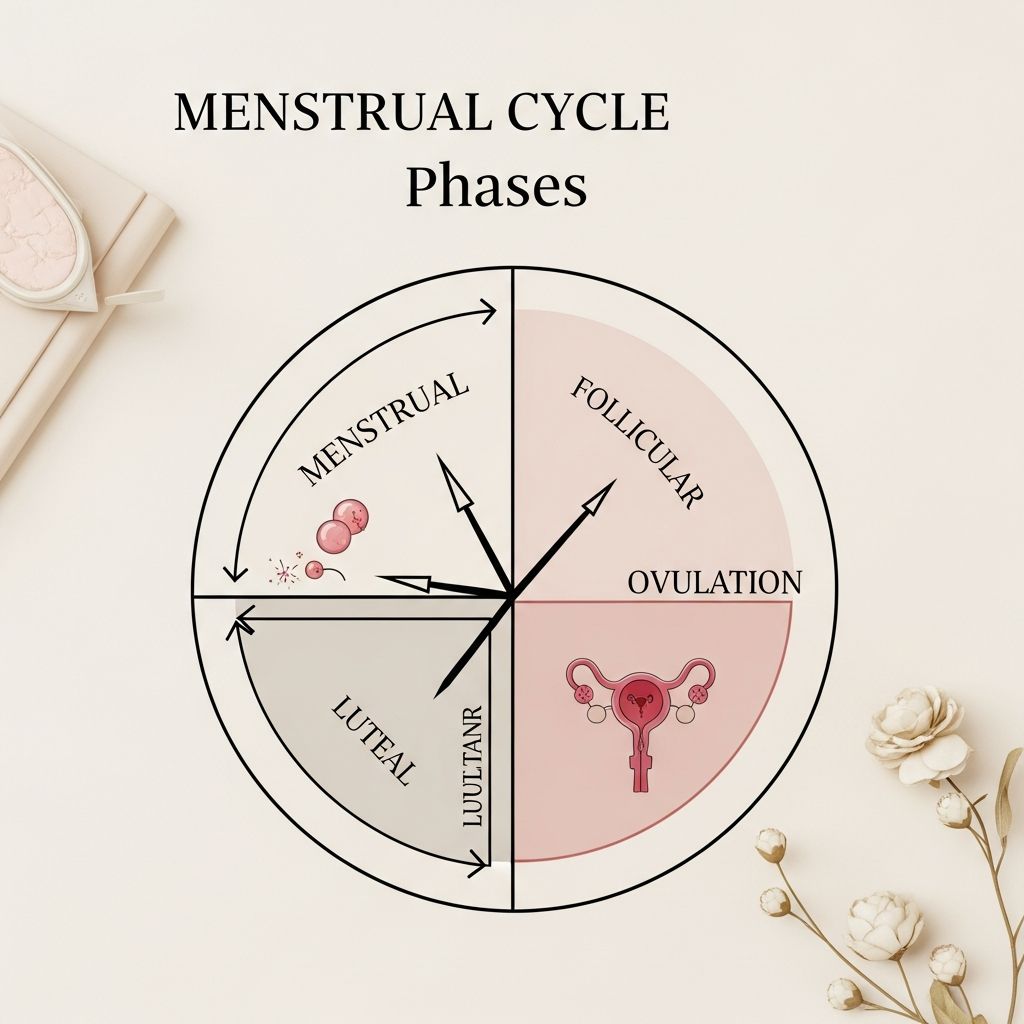
The menstrual cycle is a natural process that prepares the body for potential pregnancy each month, consisting of four distinct phases influenced by shifting hormones. Understanding these phases—menstruation, follicular, ovulation, and luteal—allows women to practice cycle syncing, aligning diet, exercise, and lifestyle with hormonal fluctuations for optimal health and energy. A typical cycle lasts 28 days but can vary from 21 to 35 days due to factors like stress, sleep, birth control, or underlying conditions. This guide breaks down each phase, offering evidence-based strategies to support well-being throughout the month.
What Are the Phases of the Menstrual Cycle?
The menstrual cycle begins on the first day of menstruation and ends just before the next period. Hormones such as estrogen, progesterone, luteinizing hormone (LH), and testosterone drive changes in energy, mood, metabolism, and reproductive readiness. Cycle syncing leverages these shifts to enhance nutrition, physical activity, and self-care, as supported by women’s health experts.
Week 1: Menstruation Phase (Days 1-5)
This phase starts with the first day of bleeding as estrogen and progesterone levels drop sharply, triggering the uterine lining to shed. Common symptoms include cramps, bloating, fatigue, and low mood due to blood loss and hormonal dips. Duration typically spans 3-7 days, with heavier flow in the first two.
- Hormonal changes: Low estrogen and progesterone.
- Symptoms: Abdominal pain, headaches, lower backache, and increased need for rest.
- Duration: 3-7 days, varying by individual.
During menstruation, prioritize recovery to replenish nutrients lost through bleeding, such as iron, which can lead to anemia if depleted.
Week 2: Follicular Phase (Days 6-14)
Following menstruation, follicle-stimulating hormone (FSH) prompts the ovaries to develop follicles, one containing the dominant egg. Estrogen rises steadily, thickening the uterine lining and boosting energy, mood, and libido. This phase overlaps with menstruation in the first few days but peaks mid-cycle.
- Hormonal changes: Rising estrogen improves insulin sensitivity and metabolism.
- Symptoms: Increased energy, better focus, glowing skin, and heightened sense of smell.
- Key event: Preparation for ovulation as cervical mucus becomes fertile (clear, stretchy).
The follicular phase is ideal for building strength and tackling demanding tasks, as the body feels invigorated.
Ovulation Phase (Days 15-17)
Triggered by a surge in LH and estrogen, the mature egg is released from the ovary into the fallopian tube, typically around day 14 in a 28-day cycle. This 24-48 hour window is the most fertile time, with sperm viable for up to 5 days prior.
- Hormonal changes: Peak estrogen, LH, FSH, and testosterone enhance mood, energy, and sex drive.
- Symptoms: Mild pelvic pain (mittelschmerz), increased libido, breast tenderness, and light spotting.
- Signs of ovulation: Basal body temperature rise (0.5-1°F), positive ovulation tests, and egg-white cervical mucus.
Energy peaks here, making it prime for high-intensity activities and social engagements.
Luteal Phase (Days 18-28)
Related Stories



Post-ovulation, the ruptured follicle forms the corpus luteum, producing progesterone to maintain the uterine lining. If no pregnancy occurs, hormone levels decline, leading to premenstrual syndrome (PMS) symptoms.
- Hormonal changes: High progesterone, followed by drops if no implantation.
- Symptoms: Bloating, irritability, fatigue, brain fog, cravings, and mood swings.
- Duration: 10-16 days; shortening may indicate luteal phase defect.
This phase challenges many women with PMS, but targeted nutrition and gentle movement can alleviate discomfort.
How to Cycle Sync Your Diet
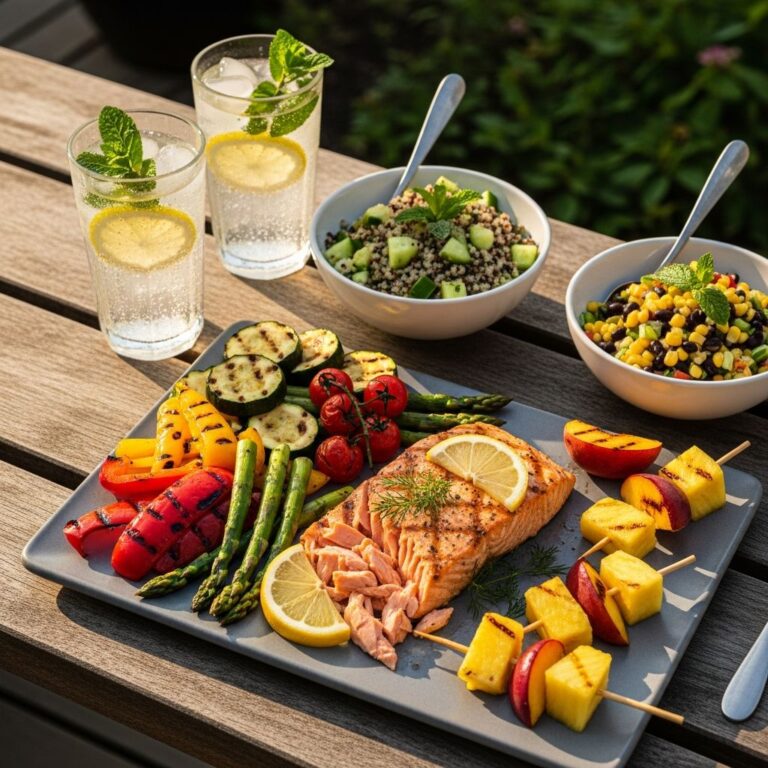
Nutritional needs fluctuate with hormones: iron replenishment early, protein and fats mid-cycle, and serotonin-boosting carbs later. Cycle syncing diet stabilizes blood sugar and mood.
| Phase | Focus Foods | Why? |
|---|---|---|
| Menstruation | Iron-rich: spinach, red meat, beans, nuts; Vitamin C: oranges, broccoli | Replenish blood loss, enhance absorption. |
| Follicular | Lean proteins (chicken, tofu), healthy fats (avocado, seeds), complex carbs (quinoa) | Support rising estrogen, sustained energy. |
| Ovulation | Berries, broccoli, brussels sprouts, zinc-rich foods (oysters, pumpkin seeds) | Fuel peak energy, support egg quality. |
| Luteal | Dark chocolate, fruit, sweet potatoes, whole grains, magnesium-rich (leafy greens) | Curb cravings, balance progesterone, reduce PMS. |
Limit sugar, caffeine, and alcohol across phases to minimize hormonal disruption. Hydration and anti-inflammatory foods like fatty fish aid overall balance.
Cycle Syncing Exercise: Tailor Workouts to Your Cycle
Hormone-driven energy levels dictate ideal workouts. Low-impact during low-energy phases prevents burnout; high-intensity when vitality surges builds strength.
- Menstruation: Rest, walking, yoga, Pilates, stretching. Avoid high-impact to ease cramps.
- Follicular: Low-intensity cardio (jogging, biking, hiking) as estrogen builds stamina.
- Ovulation: Strength training, HIIT, kickboxing, sprints—capitalize on peak testosterone.
- Luteal: Yoga, walking, light Pilates. Focus on recovery if fatigue sets in.
Listen to your body; overexercising in the luteal phase can exacerbate PMS.
Cycle Syncing Beyond Diet and Exercise
Align sleep, work, and self-care too. Follicular/ovulation: schedule creative tasks. Luteal: opt for routine work, prioritize sleep (progesterone promotes rest). Use apps to track cycles for precise syncing.
Menstrual Cycle Phases in Perimenopause
Perimenopause brings irregular cycles due to declining estrogen. Symptoms mimic luteal phase intensification. Recommendations: consistent cardio, weight training, increased protein for muscle preservation and bone health. Cycle syncing adapts to dominant phases.
Conditions Affecting the Menstrual Cycle
Diabetes and Menstrual Cycles
High/low blood sugar disrupts hormones, causing irregular periods. Cycle syncing helps track patterns for better glucose management.
PCOS and Thyroid Disorders
PCOS elevates androgens, skipping ovulation. Thyroid imbalances (hypo/hyper) alter cycle length. Treat underlying issues for predictable cycles, enabling syncing. Consult providers for hormone therapy if needed.
Frequently Asked Questions (FAQs)
What is the average length of a menstrual cycle?
A typical cycle is 28 days, but 21-35 days is normal. Track yours for patterns.
Can stress affect menstrual cycle phases?
Yes, cortisol disrupts hormones, shortening luteal phase or delaying ovulation.
Is cycle syncing safe for everyone?
Generally yes, but consult a doctor if you have PCOS, thyroid issues, or irregular cycles.
How do I know if I’m ovulating?
Track basal body temperature, cervical mucus, or use ovulation kits.
Does birth control affect cycle syncing?
Hormonal birth control suppresses natural cycles, making syncing less applicable.
Mastering menstrual cycle phases empowers women to harness hormonal wisdom for vitality. By syncing lifestyle, you foster balance amid natural ebbs and flows.
References
- Cycle Syncing Through Your Menstrual Phases — Trinity Health Michigan. 2025-01-20. https://www.trinityhealthmichigan.org/blog-articles/cycle-syncing-through-your-menstrual-phases
- Menstrual Cycle (Normal Menstruation): Overview & Phases — Cleveland Clinic. 2023-12-05. https://my.clevelandclinic.org/health/articles/10132-menstrual-cycle
- The Four Phases of the Menstrual Cycle — Office on Women’s Health, U.S. Department of Health and Human Services. 2021-07-15. https://www.womenshealth.gov/menstrual-cycle/your-menstrual-cycle
- Cycle Syncing: Period Nutrition and Exercise — Mayo Clinic Health System. 2024-02-12. https://www.mayoclinichealthsystem.org/hometown-health/speaking-of-health/cycle-syncing
- Polycystic Ovary Syndrome (PCOS) — National Institute of Diabetes and Digestive and Kidney Diseases (NIDDK). 2023-08-11. https://www.niddk.nih.gov/health-information/endocrine-diseases/polycystic-ovary-syndrome
Similar Articles








Read full bio of medha deb