Menstrual Gingivitis: Hormonal Changes Affecting Your Teeth
Discover how hormonal fluctuations before your period affect dental health and gum sensitivity.
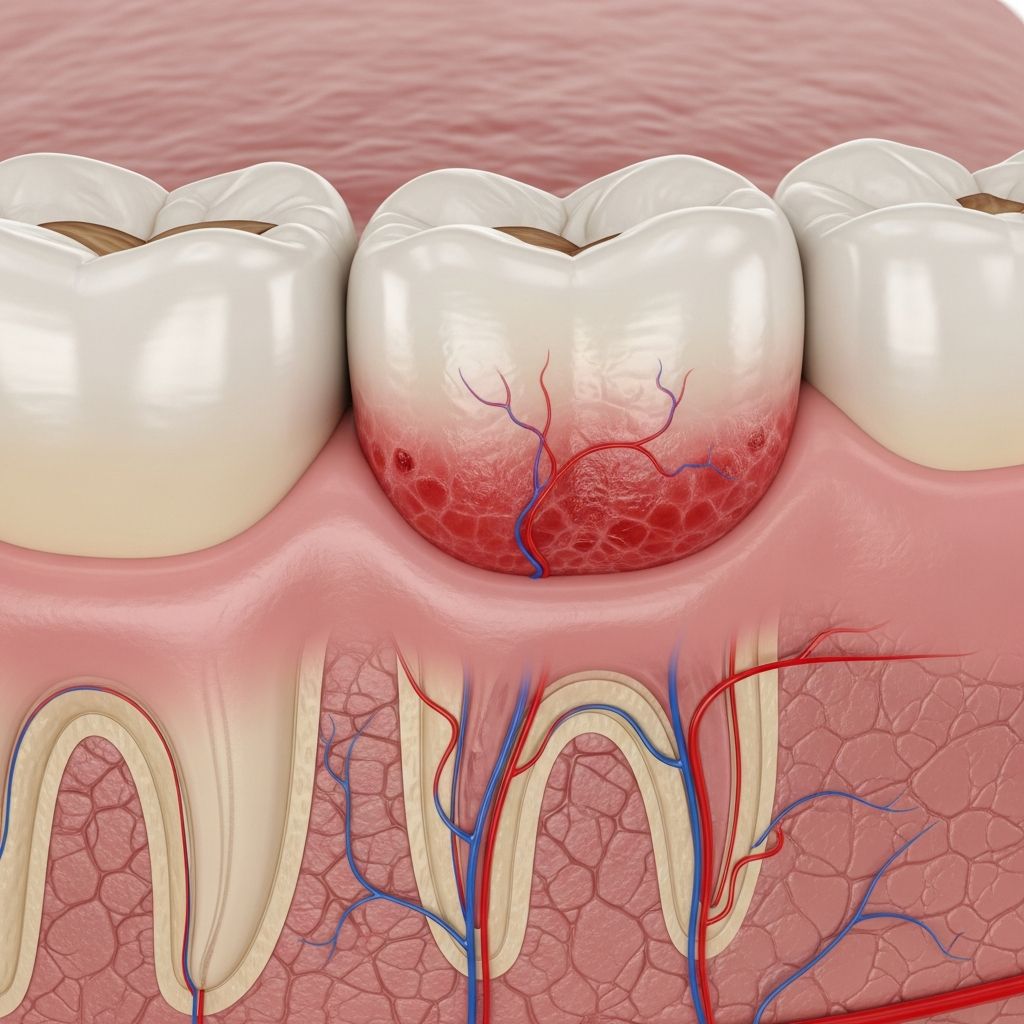
If you’ve noticed that your gums become more sensitive, swollen, or prone to bleeding just before your period arrives, you’re not alone. This common yet often overlooked phenomenon is called menstruation gingivitis, a condition directly linked to the hormonal fluctuations that occur during your menstrual cycle. Understanding this connection between your hormones and dental health can help you take proactive steps to protect your smile and maintain optimal oral hygiene throughout the month.
What Is Menstruation Gingivitis?
Menstruation gingivitis is a form of gum inflammation that occurs due to hormonal changes during the menstrual cycle. The condition is characterized by swollen, tender, and sometimes bleeding gums that typically appear a day or two before menstruation begins and subside shortly after the period starts. Unlike other forms of gingivitis, menstruation gingivitis is temporary and cyclical, making it predictable for many women who experience it regularly.
While most women don’t notice significant changes in their oral health before their period, those who do experience menstruation gingivitis often describe the symptoms as uncomfortable and sometimes alarming, especially when they see blood while brushing or flossing. The good news is that recognizing and understanding this condition allows you to implement preventive measures and maintain better oral health throughout your cycle.
The Hormonal Connection: Why It Happens
The primary culprits behind menstruation gingivitis are hormonal fluctuations, particularly the rise in estrogen and progesterone levels that occur before menstruation. As these hormone levels increase during the luteal phase of your cycle, several changes occur in your mouth and gums.
Increased Blood Flow to Your Gums
One of the key mechanisms behind menstruation gingivitis involves increased blood flow to the gums. Both estrogen and progesterone cause the tiny blood vessels in your gums to dilate, or expand. This increased blood flow makes your gums more sensitive and reactive to the bacteria and toxins found in dental plaque that accumulate on your teeth throughout the day. The heightened blood flow essentially makes your gums more vulnerable to irritation from plaque and bacteria, even if your oral hygiene routine remains consistent.
Reduced Saliva Production
Progesterone also slows down saliva flow in your mouth. Saliva plays a crucial protective role in your oral health by helping to neutralize acids and wash away harmful bacteria. When progesterone levels rise, decreased saliva production leaves your teeth and gums more vulnerable to decay and disease. This dual effect—increased blood flow sensitivity combined with decreased protective saliva—creates an ideal environment for gum inflammation during your menstrual cycle.
Common Symptoms of Menstruation Gingivitis
If you experience menstruation gingivitis, you may notice one or more of the following symptoms in the days leading up to your period:
- Swollen or puffy gums
- Bright red or dark red gums
- Bleeding gums when brushing or flossing
- Increased tooth and gum sensitivity
- Tender or sore gums to the touch
- Swollen salivary glands
- Development of canker sores or oral ulcers
- Mild discomfort or pain in the gum tissue
These symptoms should subside shortly after your period begins, as hormone levels stabilize and return to their baseline levels. If symptoms persist beyond your menstrual cycle or worsen over time, it’s important to consult with your dentist, as this may indicate another underlying dental issue.
Related Stories



Menstruation Gingivitis vs. Pregnancy Gingivitis: Key Differences
While menstruation gingivitis is temporary and cyclical, pregnancy gingivitis operates on a different timeline and severity scale. Understanding the differences can help you recognize which condition you might be experiencing.
| Characteristic | Menstruation Gingivitis | Pregnancy Gingivitis |
|---|---|---|
| Timing | Occurs 1-2 days before period; resolves after period starts | Typically appears between months 2-8 after conception |
| Duration | A few days each month | Throughout pregnancy duration |
| Prevalence | Affects some women during menstrual cycles | Affects 60-75% of pregnant women |
| Severity | Usually mild to moderate | Can range from mild to severe; may progress to periodontitis |
| Trigger Hormone | Rising estrogen and progesterone | Elevated progesterone levels |
| Treatment | Improved oral hygiene; preventive measures | Professional dental cleanings; strict oral hygiene; dental monitoring |
During pregnancy, the hormonal changes are more sustained and intense, leading to a condition called pregnancy gingivitis, which the American Dental Association describes as “a mild form of gum disease that causes gums to be red, tender and sore.” If left untreated, pregnancy gingivitis can progress to periodontitis, a more severe form of gum disease that damages bone and connective tissue around the teeth.
How Your Teeth May Actually Move
Beyond gum sensitivity and inflammation, hormonal changes can affect the structural integrity of your teeth. During pregnancy and potentially during menstrual cycles, a hormone called relaxin is produced by the ovaries and placenta. Relaxin aids in softening ligaments throughout the body, which is essential for childbirth, but it also softens the ligaments that bind teeth to the gums and jaw.
Women have reported that their teeth moved during pregnancy, and X-rays have confirmed this phenomenon, with high relaxin levels playing a significant role. In some cases, women’s teeth have become more crooked, while in other cases, tooth movement has actually corrected previously crooked teeth. For women wearing braces, the process of moving teeth into better positions has reportedly accelerated during pregnancy because teeth are more pliable. While menstrual cycles may not produce relaxin levels as high as pregnancy, this demonstrates the significant impact hormones can have on your dental structure.
PMS Symptoms vs. Pregnancy Symptoms: Dental Differences
Gum and tooth sensitivity can be symptoms of both PMS and early pregnancy, which is why it’s important to understand the distinctions. In both cases, hormones are responsible, but the timing and progression differ:
PMS-Related Gum Sensitivity
Menstruation gingivitis occurs in the luteal phase of your cycle, typically appearing a day or two before your period begins and resolving once menstruation starts. The sensitivity is directly tied to the cyclical nature of your menstrual cycle and occurs predictably each month at approximately the same time in your cycle.
Pregnancy-Related Gum Sensitivity
Gum and tooth sensitivity as a pregnancy symptom typically doesn’t appear until between two and eight months after conception. If you’re experiencing gum sensitivity very early in your cycle or at an unusual time, it’s more likely to be related to PMS rather than pregnancy. Pregnancy gingivitis tends to be more persistent and may require professional dental intervention to manage effectively.
Preventive Strategies and Management
If you experience menstruation gingivitis, several strategies can help minimize symptoms and protect your oral health:
Maintain Consistent Oral Hygiene
Brushing twice daily and flossing at least once per day remains the cornerstone of gum health. During the days before your period when your gums are most sensitive, continue your regular oral hygiene routine, but consider using a soft-bristled toothbrush to minimize irritation.
Schedule Professional Cleanings Strategically
If you experience significant discomfort or bleeding, schedule your professional dental cleaning for about a week after your period ends, when hormone levels have stabilized and your gums are less sensitive. This timing allows your dentist to perform a thorough cleaning without exacerbating sensitive gums.
Use Anti-Inflammatory Products
During the luteal phase of your cycle, consider using a therapeutic mouthwash or gum rinse designed to reduce inflammation. Some dentists recommend antimicrobial rinses to help control the bacteria that exacerbate gum sensitivity during this time.
Adjust Your Diet
Be mindful of foods and beverages that can irritate your gums during the days before your period. Avoid very hot foods, spicy foods, and acidic beverages that might increase sensitivity. Additionally, avoid sugary snacks, especially before bedtime, as these can promote bacterial growth and plaque accumulation.
Stay Hydrated
Drinking plenty of water throughout your cycle helps maintain adequate saliva production, which is particularly important given that progesterone naturally reduces saliva flow.
When to See Your Dentist
While menstruation gingivitis is a normal, temporary condition, certain situations warrant professional dental evaluation:
- If gum symptoms persist beyond your menstrual period
- If bleeding is severe or occurs unexpectedly
- If you develop signs of infection such as pus or excessive swelling
- If symptoms worsen over successive cycles
- If you’re planning to become pregnant and want to establish baseline gum health
- If symptoms don’t improve with consistent oral hygiene
Importantly, inform your dentist about your menstrual cycle and any oral symptoms you experience. This information helps your dentist provide better personalized care and may influence the timing of professional cleanings or other treatments.
The Connection Between Oral Health and Overall Health
The importance of maintaining good oral health during menstruation and pregnancy extends beyond your smile. Poor oral health and gum disease have been linked to increased inflammation throughout the body and, in pregnant women, an increased risk of preterm birth. This connection underscores why maintaining meticulous brushing and flossing habits is especially important before and during your period, and particularly during pregnancy.
Birth Control and Gum Health
For women taking hormonal birth control, there’s some good news. The estrogen and progesterone levels in modern birth control formulations are significantly lower than in older prescriptions and are generally too low to cause gum inflammation issues. However, some women may still experience minor gum changes, so maintaining excellent oral hygiene remains important regardless of contraceptive method.
Frequently Asked Questions
Q: Is menstruation gingivitis a sign of a serious dental problem?
A: No, menstruation gingivitis is a normal, temporary response to hormonal fluctuations and is not indicative of serious dental disease. However, if symptoms persist beyond your menstrual period or worsen over time, consult your dentist to rule out other conditions.
Q: Can menstruation gingivitis progress to more serious gum disease?
A: Menstruation gingivitis itself is usually mild and resolves on its own after your period. However, if you consistently neglect oral hygiene during these sensitive times, you could increase your risk of developing chronic gum disease. Maintaining good oral hygiene habits is the best prevention.
Q: Should I stop flossing if my gums bleed before my period?
A: No, you should continue flossing even if your gums are sensitive or bleeding. Flossing removes harmful bacteria and plaque that contribute to gum inflammation. If bleeding is uncomfortable, use a gentle technique and consider using a softer floss or water flosser.
Q: How long does menstruation gingivitis typically last?
A: Menstruation gingivitis usually appears a day or two before your period begins and resolves shortly after menstruation starts, typically lasting only a few days.
Q: Are there any hormonal birth control options that don’t affect gum health?
A: Modern hormonal birth control contains much lower hormone levels than older formulations and generally doesn’t cause gum inflammation issues in most women. If you’re concerned about gum health and hormonal contraception, discuss options with your healthcare provider and dentist.
Q: Can I prevent menstruation gingivitis entirely?
A: While you cannot completely prevent the hormonal changes that cause menstruation gingivitis, you can significantly minimize symptoms through excellent oral hygiene, strategic professional cleanings, and awareness of your cycle.
References
- PMS vs. Pregnancy Symptoms: How to Tell the Differences — Clearblue. Accessed January 2026. https://www.clearblue.com/how-to-get-pregnant/pms-vs-pregnancy-symptoms
- Do Teeth Move During Pregnancy? — Beachside Dental. Accessed January 2026. https://beachsidedental.com.au/blog/do-teeth-move-during-pregnancy/
- How Your Teeth Change During Pregnancy — ProHEALTH Dental. December 2022. https://www.phdental.com/oral-health-news/2022/december/how-your-teeth-change-during-pregnancy/
- Women’s Hormones and Oral Health — WebMD. Accessed January 2026. https://www.webmd.com/oral-health/hormones-oral-health
- How Pregnancy and Your Menstrual Cycle Can Affect Your Oral Health — University of Utah Health Services. August 2015. https://healthcare.utah.edu/the-scope/health-library/all/2015/08/how-pregnancy-and-your-menstrual-cycle-can-affect-your-oral
- Pregnancy Hormones and Oral Health — Dental Arts of Dalton. Accessed January 2026. https://www.dentalartsofdalton.com/pregnancy-hormones-and-oral-health
- Women’s Hormones and Dental Health — MouthHealthy. Accessed January 2026. https://www.mouthhealthy.org/all-topics-a-z/womens-hormones-and-dental-health
Similar Articles








Read full bio of medha deb